Twenty Years of Chinese Lunar Exploration
2024-07-13 15:30:42byPangZhihao
China Pictorial 2024年5期
by Pang Zhihao
More than 20 years have passed since China launched its lunar exploration program in 2004. Across the two decades, the project adopted and completed each of its three-step development goals: reaching lunar orbit, landing and roving on the moon, and accomplishing a lunar sample return mission. Currently, China is working on the fourth step.
Change-1: Mapping 3D Images of the Lunar Surface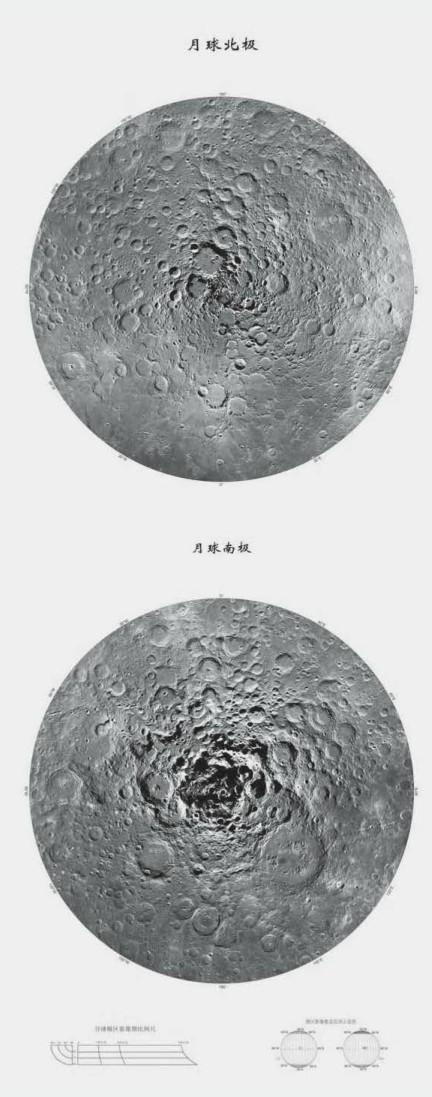
Chinas first lunar probe, Change-1, was successfully launched on October 24, 2007. During its journey to the moon, only one of three planned orbital corrections was carried out because it was operating well on the expected trajectory with perfect performance. On November 7, Change-1 entered lunar orbit and began to transmit photos of the moon back to Earth.
At 3:05 p.m. on November 12, 2008, China released its first complete map of the moons surface, produced from data collected by Change-1. It was the worlds most accurate and highest-resolution image of the lunar surface back then.
Change-1 spent 494 days in space, including 482 days in orbit around the moon. Its mission stretched 117 days longer than originally planned. It transmitted a total of 1.37TB of valid scientific data, filling in gaps in Chinas lunar exploration.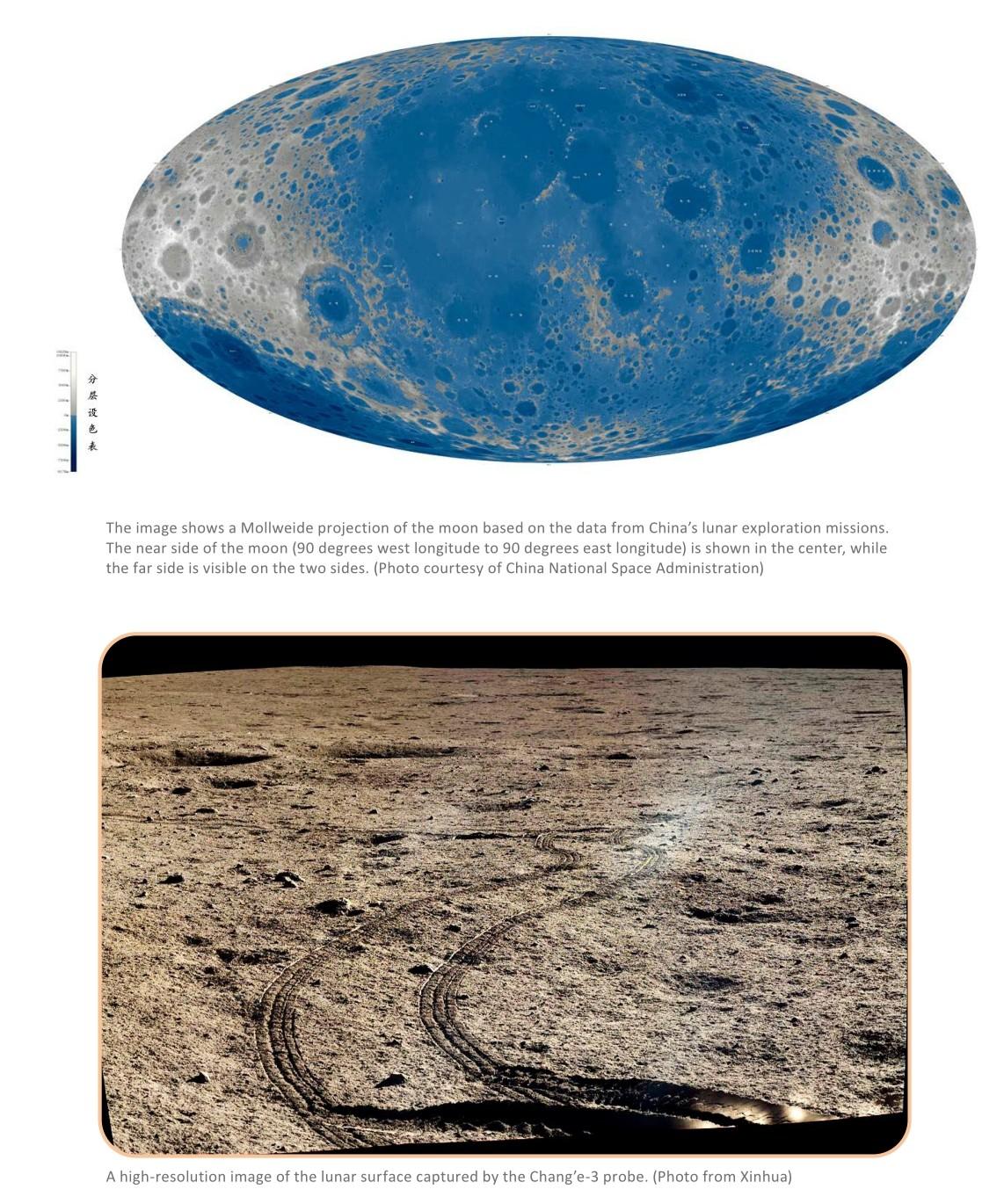
Change-3: First Landing
Building on Change-1s orbit mission, Change-2 and Change-3 aimed to land and rove on the moon, which were more difficult and riskier technically.
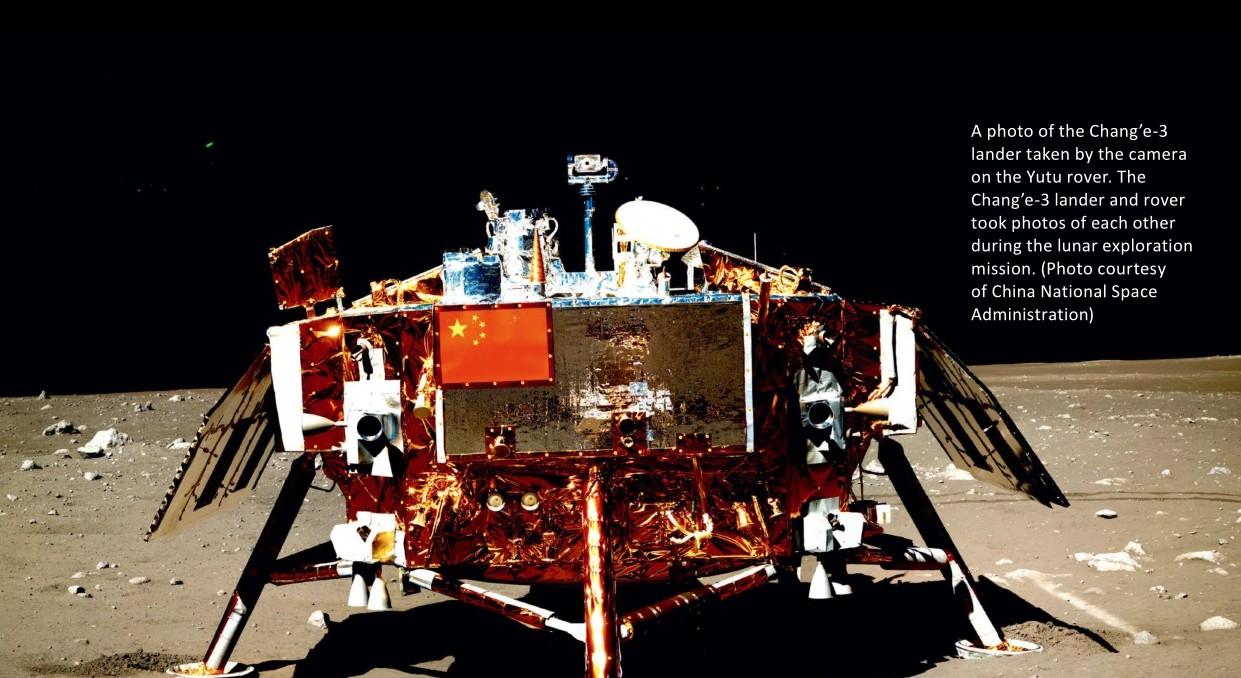
Change-3, consisting of a lander and Chinas first moon rover called Yutu (Jade Rabbit), was successfully launched on December 2, 2013. It completed a soft landing on the Sinus Iridum, or the Bay of Rainbows, on the moons near side on December 14. It was the first time China achieved a soft landing on a celestial body beyond Earth, making it the third country in the world to achieve a soft landing on the moon. On December 15, the lander and the rover took photos of each other as the rover circled the lander.
As part of the landing process, Yutu adopted internationally-advanced intelligent landing technology, enabling it to hover and avoid obstacles. The lander and the Yutu rover each carried four scientific payloads to conduct moon-based observation including a lunar-based optical telescope, an ultraviolet camera, and a groundpenetrating radar, which were all used for the first time in lunar surface exploration. Change-3 has already obtained extensive scientific data, and its lander is still operating on the lunar surface, making it the longest-working lander on the moon so far.
Change-4: Exploring the Far Side of the Moon
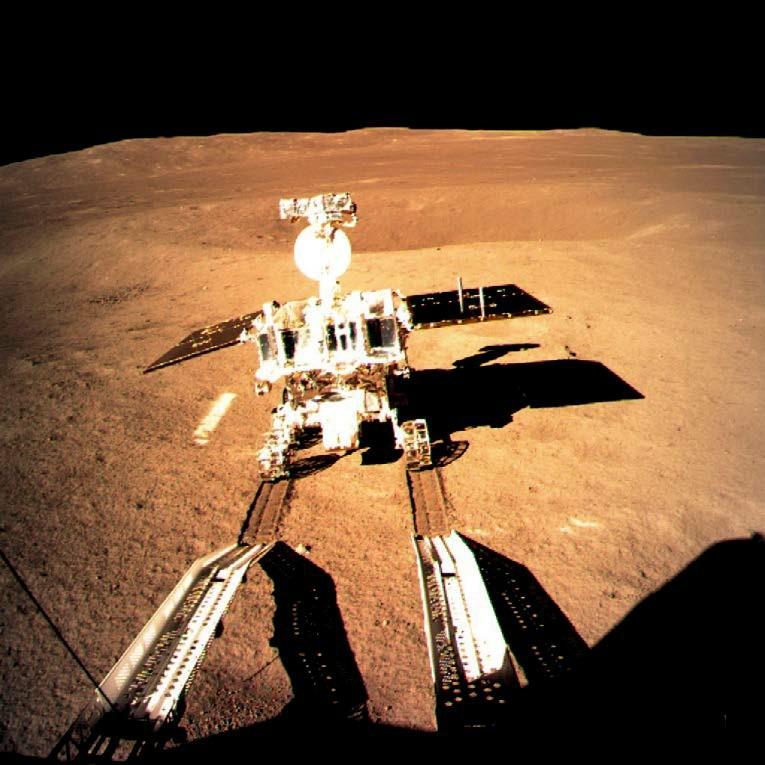
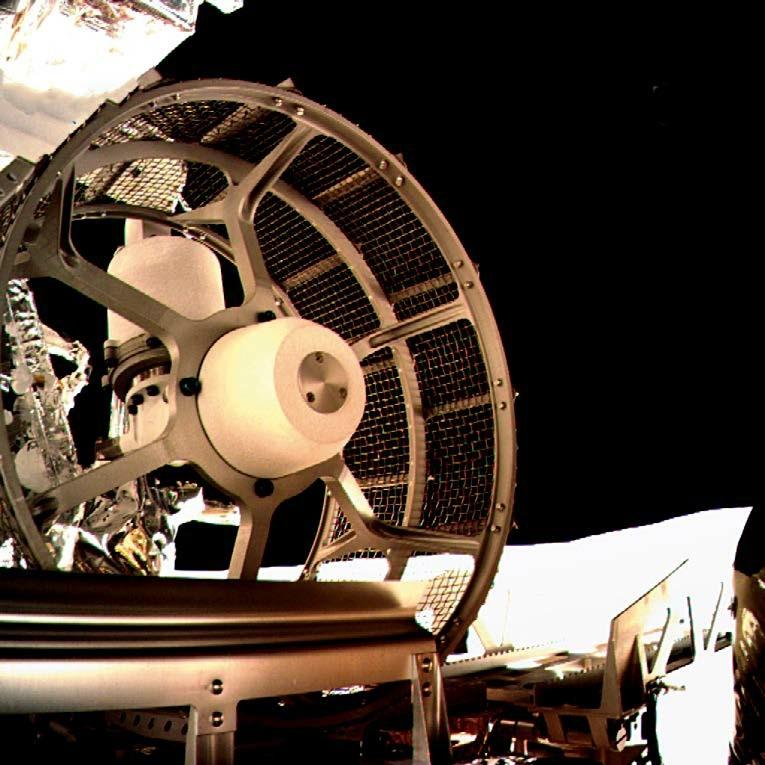
The Change-4 probe was successfully launched on December 8, 2018. It landed on the floor of the Von Karman crater in the South Pole-Aitken Basin on the far side of the moon as planned on January 3, 2019. The mission realized mankinds first-ever soft landing and exploration of the far side of the moon, as well as the firstever communication between Earth and the far side of the moon via a relay satellite.
Today, the Change-4 lander and its Yutu-2 rover are still operating, with Yutu-2 becoming the worlds longestworking rover on the moon to date.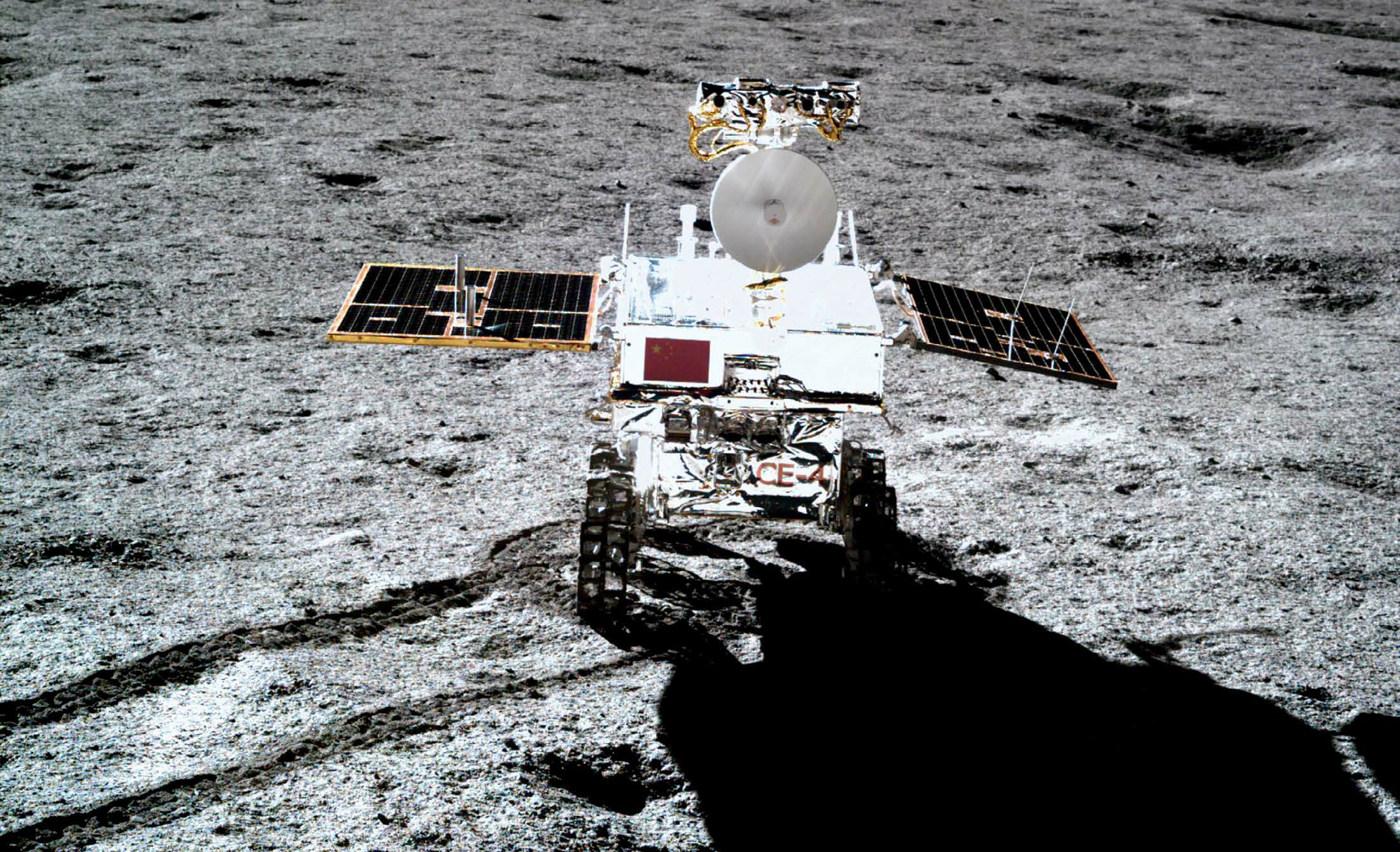
Change-5: Significant Advancements in Space Technology
The Change-5 probe, comprising an orbiter, a lander, an ascender, and a returner, was launched on November 24, 2020. It retrieved 1,731 grams of samples from the moon on December 17 after overcoming a series of challenges, making China the third nation in the world to bring lunar samples back to Earth.
Change-5 created four records in Chinese aerospace technology. The first was automatic sampling on the lunar surface. In the low-gravity environment of the moon, the sampling device on the lander needed to accurately perform tasks such as drilling, shoveling, and transporting to ensure the collected samples were not contaminated during the packaging process. It took Change-5 only 19 hours to complete the entire process, which previously took two days.
The second was its first take-off from the lunar surface. After the collected samples were encapsulated in the ascender, the ascender required enough propulsion to break away from the lander. If flames ejected during take-off hit the lander, problems would have occurred. However, sufficient preliminary preparations and technical support made the lunar lift-off a success.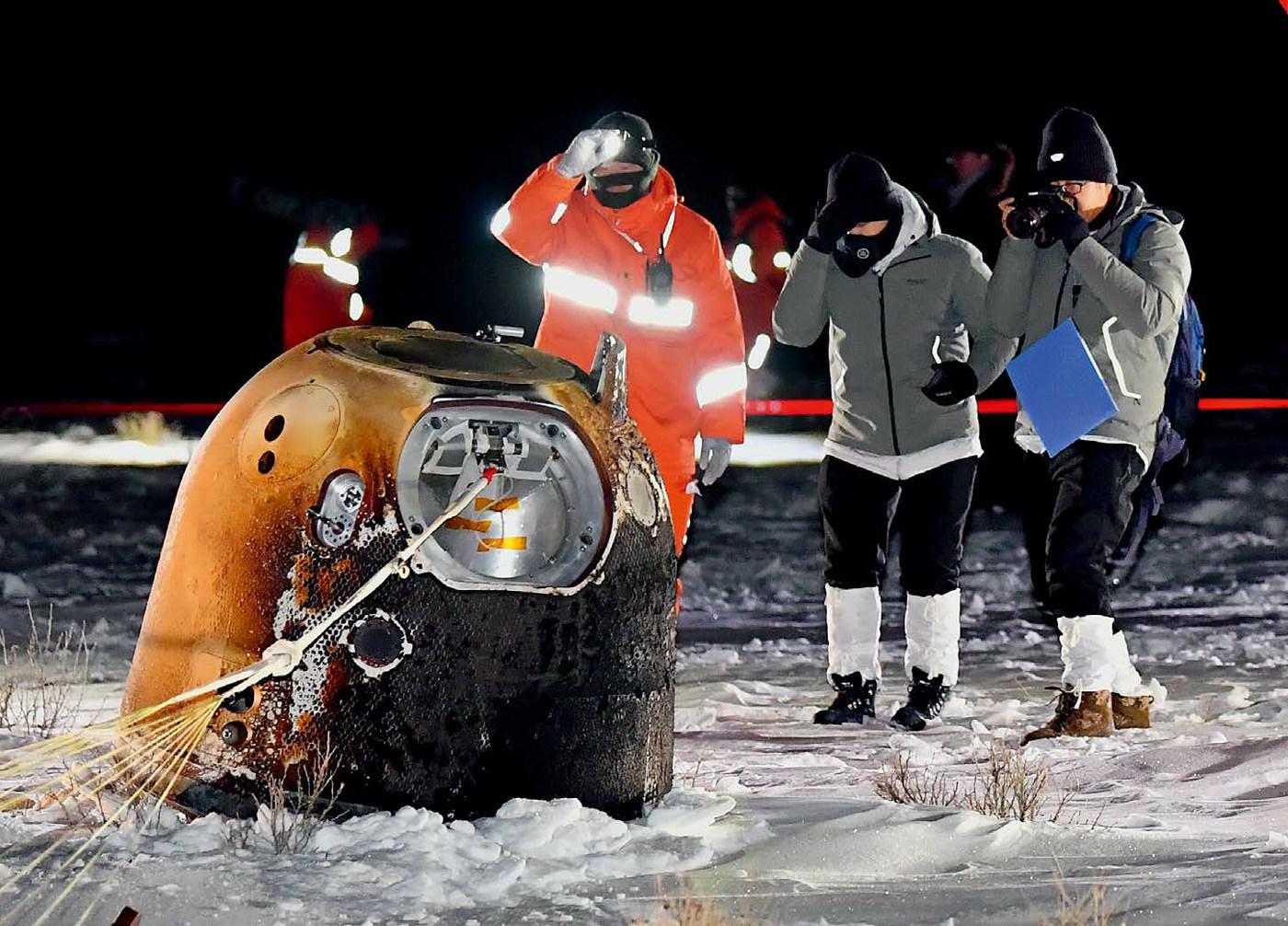
The third was the first unmanned rendezvous and docking in lunar orbit around 380,000 kilometers from Earth. After the ascender took off with the lunar samples, it entered lunar orbit, completed an automated rendezvous to dock with the orbiter-returner, and transferred the samples. Such a procedure had never been completed by anyone. To do it, China developed a lightweight low-impact docking mechanism to install on the orbiter.
Fourth, it was the first time a Chinese probe returned to Earth with lunar soil at a speed close to the second cosmic velocity. During the return process, the reentry capsule carrying lunar samples entered Earths atmosphere at a speed of about 11 kilometers per second, which required exceptionally high requirements for the design and manufacturing of the returner. It is proved that the Change-5 mission was a complete success.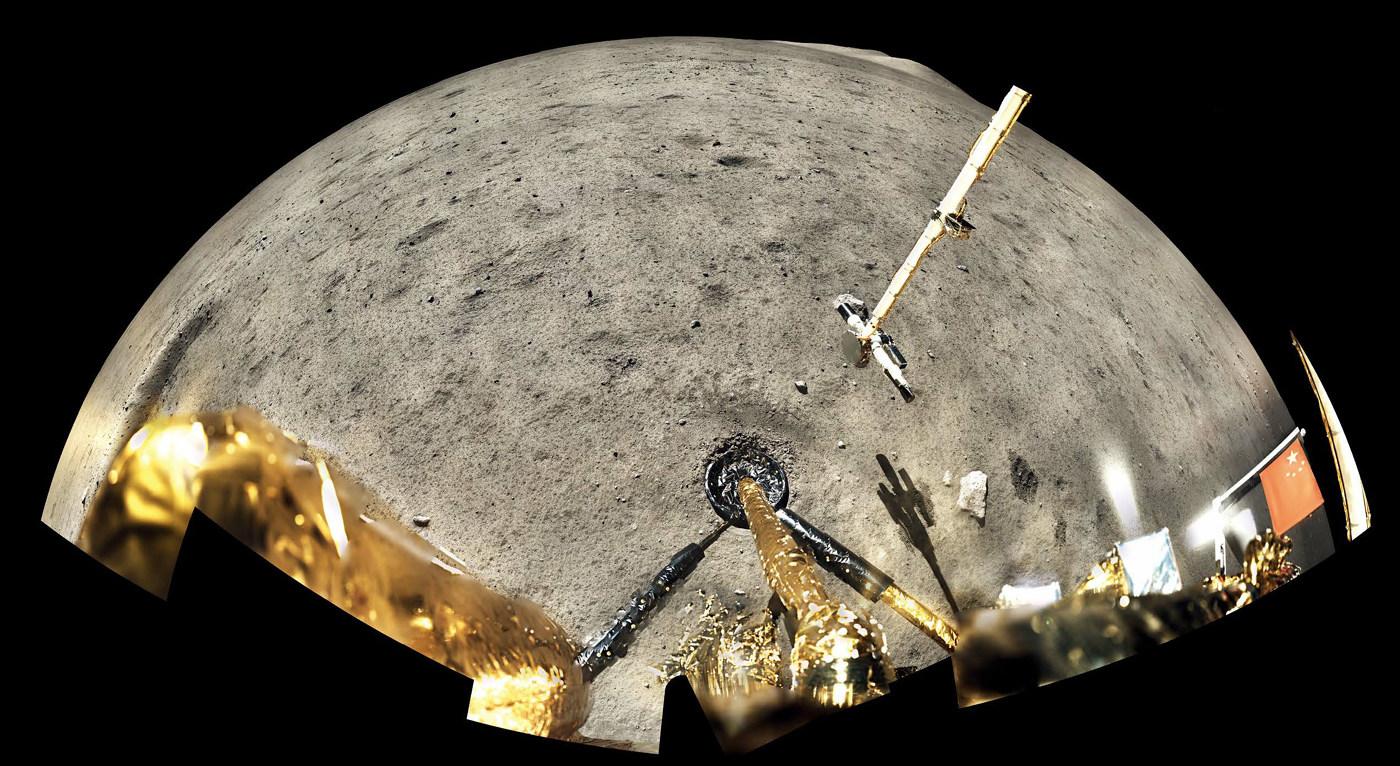
Analysis and research of the lunar samples collected by Change-5 resulted in significant scientific achievements such as the discovery of magmatic activities on the moon two billion years ago. These achievements have enriched mankinds understanding of the moon and provided important scientific evidence for future deep-space exploration missions.
Manned Moon Landing:Jointly Building an International Lunar Research Station
Next, China plans to launch Change-7 and Change-8 probes in succession, which together will establish the foundation for a lunar research station and pave the way for a manned lunar landing.
Change-6 will challenge the sample return mission on the far side of the moon. Change-7 is slated to conduct detailed environmental and resource exploration at the South Pole of the moon. Change-8 will land near Change-7, and together they will form the basic model of a lunar scientific research station after testing and verifying some key technologies needed to utilize lunar resources. By around 2040, China will have completed construction of a comprehensive international lunar research station to carry out space environment detection and scientific experiments related to the Sun-EarthMoon System. Subsequently, a lunar research station will be developed and gradually upgraded from a scientific research-oriented experimental station to an applicationoriented and multifunctional lunar base.
The most globally anticipated Chinese space plan remains a manned lunar landing before 2030. To this end, Chinese aerospace experts are carrying out a series of scientific research. Such efforts are not only about glory for Chinas aerospace industry— they are explorations and challenges of the unknown for the benefit of all humanity.