
Pharmacodynamic study and mechanism of action of Linggui Zhugan Decoction in the intervention of Nonalcoholic fatty liver disease
2024-03-26 12:55:10ZHAOChuanzhiDINGHuiminHUZiqingDUYongqinZHOULanZHOUPengWANGLiang
ZHAO Chuan-zhi, DING Hui-min, HU Zi-qing, DU Yong-qin, ZHOU Lan, ZHOU Peng,WANG Liang
College of Integrative Medicine, Anhui University of Chinese Medicine, Hefei 230012, China
Keywords:
ABSTRACT Objective: To explore the therapeutic effect of Linggui Zhugan Decoction on nonalcoholic fatty liver disease through in vivo animal experiments, and to explore the mechanism of action of Linggui Zhugan Decoction in the intervention of nonalcoholic fatty liver disease through network pharmacology and molecular docking technology.Methods: A rat model of nonalcoholic fatty liver disease was established after 20 weeks of high-fat feeding, and the rats were divided into six groups, normal group, model group, simvastatin group (4 mg/kg), lowdose group of Linggui Zhugan Decoction (2.1 g/kg), medium-dose group of Linggui Zhugan Decoction (4.2 g/kg), and high-dose group of Linggui Zhugan Decoction (8.4 g/kg), and the liver morphological changes of HE staining and oil red O staining after the intervention of Linggui Zhugan Decoction were observed, and the microplate reader detected aspartate aminotransferase, alanine aminotransferase, Four levels of blood lipids.Network pharmacology combined with molecular docking was used to screen the potential mechanism and target of Linggui Zhugan Decoction for the intervention of non-alcoholic fatty liver disease.Results:Linggui Zhugan Decoction significantly improved the levels of alanine aminotransferase and alanine aminotransferase in model rats (P<0.05).HE staining and oil red O staining showed that Linggui Zhugan Decoction significantly reduced liver lipid deposition in rats in the model group.Linggui Zhugan Decoction could significantly reduce the quadruplical levels of blood lipids in model rats (P<0.05).Network pharmacology screened out 10 key targets and 5 key signaling pathways; The molecular docking results showed that the first 20 active ingredients all had good binding ability to the top 10 targets.Conclusion: The results show that Linggui Zhugan Decoction has the effect of regulating blood lipids and improving liver tissue lesions in non-alcoholic fatty liver disease, and preliminarily verifies the regulatory effect of Linggui Zhugan Decoction on lipid metabolism-related genes.
1.Introduction
Nonalcoholic fatty liver disease (NAFLD) is a common chronic liver disease worldwide and poses a huge economic burden to the global community[1].A recent analysis reported that the global prevalence among adults is approximately 32 percent and has increased over time[2].At present, the pathogenesis of NAFLD mainly focuses on lipid accumulation[3], insulin resistance[4],oxidative stress[5], endoplasmic reticulum stress[6], and liver inflammation and fibrosis[7].At present, the clinical treatment of NAFLD includes regulating glucose and lipid metabolism, liver protection and anti-inflammatory.
As an emerging discipline, network pharmacology uses the network concept to systematically study the mechanism of action and biological basis of traditional Chinese medicine compounds,which is characterized by systematicness, relevance, and predictability[8].Network pharmacology is commonly used for the interaction between the active ingredient and disease-specific disease-targeted genes in TCM compounds[9].Molecular docking is a computer-based structure-based technique that predicts ligandtarget interactions or delineates structure-activity relationships at the molecular level, and can therefore be used as a validation of active ingredients and target relationships in network pharmacology[10].
Linggui Zhugan Decoction was first recorded in the “Jin Kui Yaolu” [11], which is composed of four herbs of Poria cocos,cinnamon branches, atractylodes and libridium, and its main effects are to warm the yang and strengthen the spleen to help chemical drink, dilute osmotic and dampness to calm the reversal, so Linggui Zhugan Decoction can regulate blood lipids through warm yang drinking and water valley.Clinical studies[12-13] have shown that Linggui Zhugan Decoction can be used in combination with other drugs or diets to treat NAFLD.Basic studies[14-15] have shown that Linggui Zhugan Decoction can improve NAFLD through the Thrsp-Srebp1 signaling pathway and STING-TBK1-NF-κB signaling pathway.Because TCM compounds have the characteristics of multi-component, multi-pathway, and multi-target comprehensive intervention, and the holistic view of TCM dialectical treatment is consistent with the network pharmacology research concept characterized by network and system.Therefore, in this study, animal experiments were used to evaluate the pharmacodynamics, and on this basis, network pharmacology and molecular docking technology were used to analyze the targets and active components of Linggui Zhugan Decoction in NAFLD.This study provides a research basis for further exploring the mechanism of Linggui Zhugan Decoction in NAFLD.
2.Materials and methods
2.1 Animal Experiments
2.1.1 Drugs & Reagents
Linggui Zhugan Decoction (Poria cocos, cinnamon branch,Atractylodes, licorice, mass ratio 4:3:3:2), decoction pieces are purchased from Anhui Jingdao Biotechnology Co., Ltd., the batch number of Atractylodes macrocephalus is 220801, the batch number of Guizhi is 210902, the batch number of Poria cocos is 220701, and the batch number of licorice is 210501; According to the extraction process of the research group[16], Linggui Zhugan Decoction was prepared into a dry extract containing 4.8 g of crude drugs, which was sealed and stored in a refrigerator at 4 ℃ for later use.Simvastatin was purchased from Sinopharm Rongsheng Pharmaceutical Co., Ltd.with batch number 22040511; High-fat feed is purchased from Anhui Hefei Qingyuan Biotechnology Co.,Ltd., and the formula of high-fat feed is (mass fraction): 5% lard,5% sugar, 5% egg yolk powder, 1% cholesterol, and 84% basic maintenance feed.Normal diet feed (basic maintenance feed) was purchased from Beijing Huafukang Biotechnology Co., Ltd., and the batch number is 2210220909.Alanine aminotransferase (GPT)kit (lot number: 20221114), aspartate aminotransferase (GOT) kit(lot code: 20221115), triglyceride (TG) kit (lot code: 20221108),total cholesterol (T-CHO) kit (lot number: 20220909), high-density lipoprotein cholesterol (HDL-C) kit (lot number: 20220912),The low-density lipoprotein cholesterol (LDL-C) kit (batch number: 20220912) was purchased from the Nanjing Institute of Bioengineering.
2.1.2 Animal
There are 60 SPF male SD rats, weighing (180~220) g, provided by Zhengzhou Huaxing Laboratory Animal Farm, and the experimental animal production license is: SCXK (Henan) 2019-0002.The animal experiment was reviewed and approved by the Animal Experiment Ethics Committee of Anhui University of Traditional Chinese Medicine, and the animal ethics number is: AHUCM-rats-2022085.
2.1.3 Experimental instruments
BX51 microscope (Olympus, Japan); Electric Constant Temperature Blower Drying Oven (Shanghai Sanfa Scientific Instrument Co., Ltd.); FA2104B Electronic Analytical Balance(Shanghai Yueping Scientific Instrument Co., Ltd.); TS-12A Biological Tissue Automatic Dehydrator (China Hongye Medical Instrument Co., Ltd.); Leica RM2016 rotary microtome (Leica Instruments China); BM-IX Biological Tissue Embedding Machine(China Hongye Medical Instrument Co., Ltd.); YD-AB Spread Slice Baking Machine (Jinhua Yidi Medical Equipment Co., Ltd.); 318C+microplate reader (Shanghai Peiou Analytical Instrument Co., Ltd.).
2.1.4 NAFLD rat model establishment, grouping and administration
Male SD rats with SPF grade were fed high-fat diet for 20 weeks to establish a rat model of NAFLD[17].SD rats fed with high fat for 12 weeks were randomly divided into 5 groups: model group,simvastatin group, Linggui Zhugan Decoction low-dose group,Linggui Zhugan Decoction medium-dose group, and Linggui Zhugan Decoction high-dose group.Among them, simvastatin dose is 4mg/kg.The dosage of Linggui Zhugan Decoction was 2.1, 4.2 and 8.4 g crude drug/kg (equivalent to 1, 2 and 4 times of the clinical equivalent amount calculated according to body surface area), and each treatment group was weighed and given the corresponding drug by gavage at the 13th week, and the normal group and model group were given distilled water for 8 consecutive weeks.After the end of administration, sodium pentobarbital (30 mg/kg) anesthetized the rats, blood was taken from the abdominal aorta, and a part of the liver was fixed with 4% paraformaldehyde for HE staining experiments and oil red O staining experiments.The rest of the liver liquid nitrogen is quick-frozen and stored in a -80 ℃ freezer for later use.
2.1.5 Liver function index testing
NAFLD rat model establishment, grouping and administration.
2.1.6 Morphological observation of liver tissue
The tissues fixed in 4% paraformaldehyde were removed and used for oil red O staining and HE staining.
2.1.7 Biochemical marker detection
The serum levels of TC, TG, HDL-C, LDL-C and LDL-C in each group were detected according to the instructions of TC, TG,HDL-C, LDL-C and other kits.
2.1.8 Statistical analysis
It was processed by Graphpad Prime8 software, and one-way ANOVA was used for comparison between multiple groups.
2.2 Cyber Pharmacology
2.2.1 To screen the active ingredients and related targets of Linggui Zhugan Decoction
The comprehensive database of traditional Chinese medicine[18] (TCMSP, https://tcmspw.com.com/tcmsp.php) was logged to search the chemical components of four Chinese medicines, namely Poria, Guizhi, Baishu and Licorice, to obtain the active ingredient information of the compound.According to the TCMSP drug screening criteria, the active ingredients were screened with oral bioavailability (OB) 30% and drug likeness (DL) 0.18, and then the Swiss Target Preliminary database was used [19](http: //www.swisstargetprediction.cn/) The target prediction of the active ingredient was carried out, and the “Linggui Zhugan Decoctionactive ingredient-target” diagram was constructed by using Cytoscape 3.7.2 software[20].
2.2.2 Nonalcoholic fatty liver disease target screening
Nonalcoholic fatty liver disease targets were screened from the GeneCards database[21] (https://www.genecards.org) with the keyword “nonalcoholic fatty liver disease”.
2.2.3 Linggui Zhugan Decoction intervened in the target prediction of NAFLD
Through the website[22] (http://jvenn.toulouse.inra.fr/app), the corresponding targets and disease targets of the active ingredients of Linggui Zhugan Decoction were mapped to obtain common targets.
2.2.4 Protein interaction network construction and network topology analysis
Common targets were imported into the STRING database[23](https://string-db.org) to construct a protein-protein interaction(PPI) network.It was imported into Cytoscape 3.7.2 software for visualization, and the core targets were screened by the median value of degree centrality (DC) and betweenness centrality (BC) of all intersecting targets after topological analysis of the CytoNCA plugin.
2.2.5 GO function and KEGG pathway enrichment analysis
The Metascape database[24] (https://metascape.org/) was used to analyze the GO function and KEGG pathway enrichment of the common target obtained in 1.2.3, and the species was set as “Homo sapiens”, and the first 20 entries were visualized and plotted using the Microbio Information Network (http://www.bioinformatics.com.cn/).
2.3 Molecular docking
2.3.1 Treatment of active ingredients in traditional Chinese medicine
Linggui Zhugan Decoction and its corresponding targets were analyzed in Cytoscape 3.7.2 software by CytoNCA plug-in, and the top 20 active ingredients were screened according to the degree value.Log in to TCMSP to download a 2D structural diagram of these active ingredients.Prepare for molecular docking using the CB-Dock website[25] (clab.labshare.cn/cb-dock/php/download.php).
2.3.2 Target protein structure prediction and screening
The crystal structures of ALB, TNF, IL6, AKT1, PPARG, VEGFA,EGFR, ESR1, SIRT1, STAT3 and other proteins were selected according to the literature[26-31], and their crystal structures were obtained from the RCSB Protein Database (RCSB PDB) according to PDB ID.
2.3.3 Molecular docking
The top 20 active ingredients and the top 10 core targets of Linggui Zhugan Decoction were imported into the CB-Dock (clab.labshare.cn/cb-dock/php/download.php) platform for docking, and the docking results were saved.
3.Results
3.1 Results of animal experiments
3.1.1 Effect of Linggui Zhugan Decoction on liver function in rats with NAFLD
Compared with the normal group, the serum levels of GOT and GPT in the model group were significantly increased.Compared with the model group, the serum levels of GET and GPT in the simvastatin group, Linggui Zhugan Decoction low-dose group,Linggui Zhugan Decoction medium-dose group and Linggui Zhugan Decoction high-dose group were significantly reduced.(See Figure 1)
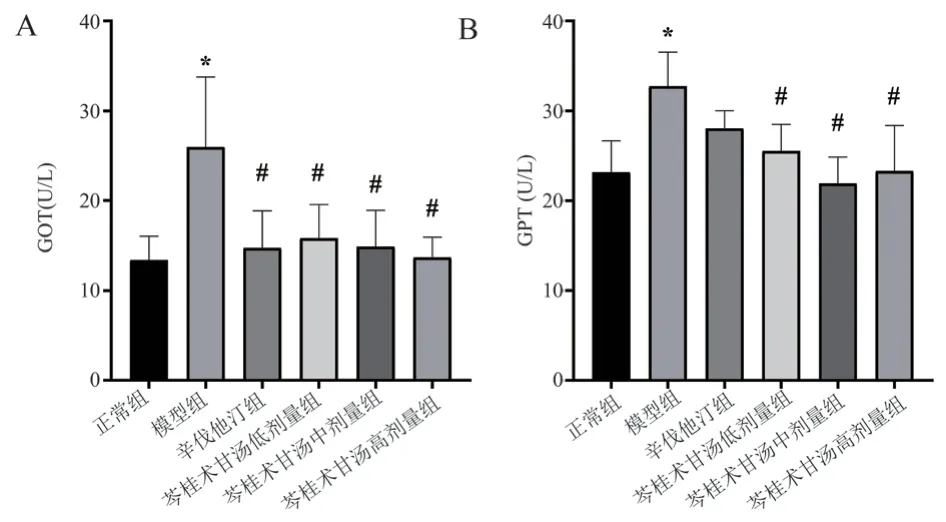
Fig 1 Effects of Linggui Zhugan Decoction on liver function in rats with NAFLD
3.1.2 Effect of Linggui Zhugan Decoction on liver histopathology in rats with NAFLD
According to the results of HE staining, the liver tissue structure of the normal group was clear, while the liver tissue of the model group had an increase in hepatocyte volume and round fat vacuoles of different sizes in the cytoplasm.Compared with the model group,the simvastatin group, Linggui Zhugan Decoction low-dose group,Linggui Zhugan Decoction medium-dose group, and Linggui Zhugan Decoction high-dose group, the liver tissue damage was alleviated compared with the model group (see Fig.3).The results of oil red O staining showed that a large amount of lipid was accumulated in the liver of the model group, and the lipid accumulation in the liver tissue of rats intervened by simvastatin and Linggui Zhugan Decoction was improved (see Fig.2).

Fig 2 Effect of Linggui Zhugan Decoction on liver histopathology in rats with NAFLD
3.1.3 Effects of Linggui Zhugan Decoction on serum levels of TC, TG, HDL and LDL in NAFLD rats
Compared with the normal group, the serum levels of TC, TG and HDL in the model group were significantly increased, and the LDL level was significantly decreased.Compared with the model group, the serum levels of TC, TG and HDL in the simvastatin group, Linggui Zhugan Decoction low-dose group, Linggui Zhugan Decoction medium-dose group and Linggui Zhugan Decoction high-dose group were significantly reduced, and the LDL level was significantly increased.(See Figure 3)

Fig 3 Effects of Linggui Zhugan Decoction on TC, TG, HDL, and LDL in serum of rats with NAFLD
3.2 Network pharmacology results
3.2.1 Analysis of the main components and targets of Linggui Zhugan Decoction
A total of 121 main active ingredients of Poria cocos, Cinnamon Branch, Atractylodes macrocephalus and Licorice were screened from the comprehensive database of traditional Chinese medicine.Eighteen non-target components were eliminated, and 103 active ingredients were imported into the SwissTargetPredicition database for target prediction, and finally 886 potential targets were obtained.A total of 103 active ingredients and 886 potential targets were imported into Cytoscape 3.7.2 software, and the diagram of “Linggui Zhugan Decoction - Effective Active Ingredients - Potential Targets”was constructed (see Figure 4).
3.2.2 Nonalcoholic fatty liver disease target analysis
A total of 543 targets for non-alcoholic fatty liver disease were screened from the GeneCards database with the keyword“nonalcoholic fatty liver disease” and median values.
3.2.3 Analysis of potential targets and NAFLD of Linggui Zhugan Decoction
The potential targets of Linggui Zhugan Decoction and NAFLD were imported into the jvenn website for Venn diagram drawing, and 126 common targets were obtained (see Fig.5).
3.2.4 Target network analysis of Linggui Zhugan Decoction in the intervention of non-alcoholic fatty liver disease
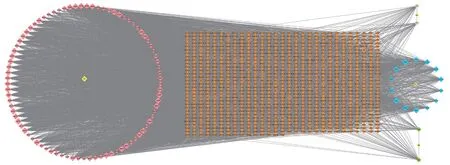
Fig 4 Linggui Zhugan Decoction - active active ingredient - potential target

Fig 6 PPI network diagram
A total of 126 common targets were imported into the STRING database for analysis and a PPI network diagram was obtained (see Figure 6).It was imported into Cytoscape 3.7.2 software for visual analysis, and the larger the circle and the darker the color, the higher the target correlation (see Figure 7).The network topology analysis was carried out by using the CytoNCA plug-in, and the core targets were selected according to the DC, BC, EC, CC and their greater than the median value (see Table 1).

Fig 5 Map of Linggui Zhugan Decoction and NAFLD targets
3.2.5 GO enrichment and KEGG pathway analysis A total of 126 common targets were imported into the Metascape database for GO enrichment and KEGG pathway analysis.A total of 1685 biological processes (BPs) (mainly involving kinase binding,transcription factor binding, and nuclear receptor activity), 115 cellular components (CCs) (mainly involving cell membrane rafts,membrane microdomains, and transcriptional regulatory complexes),and 73 molecular functions (MFs) (mainly involving ubiquitin protein ligase binding and protein domain-specific binding) were obtained, ubiquitin-like protein ligase binding), see Figure 8.A total of 185 signaling pathways were obtained using P< 0.05 as the screening condition, and the top 10 signaling pathways were visually analyzed, as shown in Fig.8.

Tab 1 Core target network topology parameters

Fig 7 Cytoscape converted PPI network diagram

Fig 8 GO and KEGG analysis

Tab 2 Information table for the first twenty active ingredients
3.3 Molecular docking results
3.3.1 Active ingredient information
Network topology analysis was performed by the CytoNCA plugin, and the top 20 active ingredients were screened according to the degree value, as shown in Table 2 for details.
3.3.2 Core target structure information
The crystal structures of ALB, TNF, IL6, AKT1, PPARG, VEGFA,EGFR, ESR1, SIRT1, STAT3 and other proteins were selected according to the literature, and the details are shown in Table 3.
3.3.3 Molecular docking results
The top 20 active ingredients of Linggui Zhugan Decoction were docked with 10 core target proteins to obtain 200 sets of docking results, and the docking scores were visually analyzed using R language, as shown in Figure 9, the more the color tends to be blue,the better its binding ability.Figure 10 shows some of the docking results.

Fig 9 Cluster analysis of molecular docking score results
4.Discussion and conclusion
In this study, Linggui Zhugan Decoction and simvastatin were used to intervene in high-fat diet-induced NAFLD rats, and four serum lipids and liver function indexes were measured, and the results showed that Linggui Zhugan Decoction could significantly improve the liver function of model rats and may play a role through lipid lowering.The results of HE staining and oil red O staining also showed that the rats in the model group had more lipid droplets and lipid deposition, and the lipid deposition of the rats in the model group could be significantly improved by the intervention of Linggui Zhugan Decoction.These results suggest that Linggui Zhugan Decoction may intervene in SD rat NAFLD through lipid metabolism pathway.
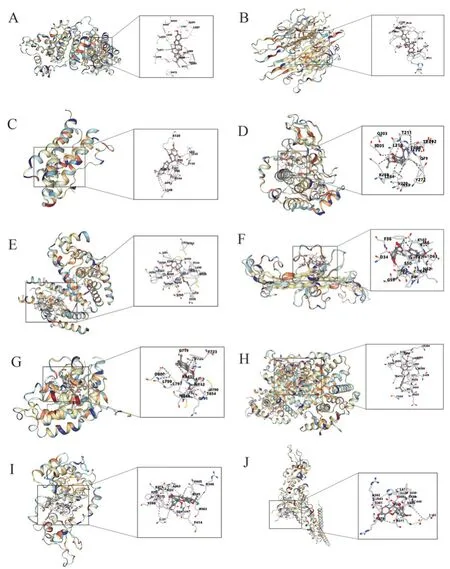
Fig 10 Partial molecular docking results
A total of 126 potential targets of Linggui Zhugan Decoction in the treatment of NAFLD were screened through network pharmacological analysis, and 10 core protein targets were obtained:ALB, TNF, IL6, AKT1, PPARG, VEGFA, EGFR, ESR1, SIRT1 and STAT3 through protein-protein interaction network and network topology analysis.Studies have shown that ALB-binding function is a novel biomarker to assess the early stage of liver injury and progression in NAFLD, and that reduced ALB binding capacity may lead to the accumulation of toxic metabolites and poor antioxidant capacity, which in turn can aggravate liver injury in NAFLD[32].As a pro-inflammatory cytokine, TNF plays an important role in autoimmune diseases, and its overexpression in adipose tissue and induces the release of the pro-inflammatory lipid leptin from adipocytes is strongly associated with the progression of NAFLD[33].IL6 is the most typical factor associated with inflammation, and its pro-inflammatory effect may be by inhibiting insulin signaling and modulating acute phase response and chronic inflammation, and related studies have shown that it can promote the development of NAFLD[34].Inhibition of the AKT signaling pathway may be used as a means of treating NAFLD because it alters the downstream functions of kinases or other signaling molecules that regulate glucose and lipid metabolism due to dysfunction of AKT as a regulator of cell activity[35].PPAR plays an important role in the control of lipid transport and metabolism, particularly by activating the mitochondrial and fatty acid β oxidation pathways, which maintain the normal balance of lipid levels in the liver and avoid lipid deposition[36].Vascular endothelial growth factor A (VEGFA) plays a key role in NAFLD and hepatocellular carcinoma, and its activation may accelerate the transformation of NAFLD into hepatocellular carcinoma[37].EGFR is commonly expressed in epithelial cells,and ectopic expression of EGFR has been shown to alleviate intrahepatic lipid accumulation and lower serum triglycerides and cholesterol [38].ESR1 is a ligand-activated transcriptional regulator of metabolic processes, and its main functions include regulation of lipid metabolism, bile acid homeostasis, energy expenditure, and hepatitis[39].SIRT1 is now commonly recognized as a metabolic regulator in different tissues, and its deficiency can lead to metabolic disorders as it is involved in lipid metabolism, mainly involved in fatty acid synthesis, oxidation, and adipogenesis[40].STAT3 is a cytoplasmic signaling transcription factor that belongs to the Janus kinase (JAK) signal transducer and transcriptional activator (STAT)pathway and plays a crucial role in mediating liver injury[41].As the factory of energy metabolism, mitochondria play a key role in the process of various diseases, and genes such as ALB, AKT1, PPARG,VEGFA, EGFR, ESR1, SIRT1, and STAT3 have also been confirmed to regulate mitochondrial energy metabolism, while TNF and IL6 are involved in the process of NAFLD as classical inflammatory factors.GO functional enrichment analysis also showed that the intervention of Linggui Zhugan Decoction in non-alcoholic fatty liver disease mainly involved kinase binding, transcription factor binding, nuclear receptor activity, cell membrane raft, membrane microdomain, transcriptional regulatory complex, ubiquitin protein ligase binding, protein domain-specific binding and ubiquitinlike protein ligase binding.The results of KEGG pathway analysis showed that it mainly involved cancer, lipid and atherosclerosis,diabetic cardiomyopathy-related signaling pathways, PI3KAKT signaling pathways, insulin resistance, and AGE-RAGE signaling pathways.In the molecular docking validation, the first 20 effective active ingredients (such as Shinpterocarpin, Kanzonol W, Phaseollinisoflavan, 3’-Hydroxy-4’-O-methylglabridin and other active ingredients) and 10 targets (ALB, TNF, IL6, AKT1, PPARG,VEGFA, EGFR, ESR1, SIRT1, STAT3) were used in Linggui Zhugan Decoction), suggesting that they can interact with each other to intervene in the progression of NAFLD.
In summary, the mechanism of Linggui Zhugan Decoction intervening in NAFLD was studied through NAFLD rat model,network pharmacology and molecular docking technology, and the results showed that Linggui Zhugan Decoction may regulate lipid metabolism disorders, reduce hepatocyte inflammation and damage and intervene in the process of NAFLD by affecting mitochondrial energy metabolism, which provides a research idea for in-depth study of Linggui Zhugan Decoction intervention in NAFLD.
Authors’ Contribution
Zhao Chuanzhi: overall design and writing of articles and related experiments; Ding Huimin: Data collection and some experiments;Hu Ziqing: Data collection and some experiments; Du Yongqin; data collection and some experiments; Zhou Lan: Data collection and some experiments; Zhou Peng: Guiding article writing; Wang Liang:The overall quality of the paper is controlled and finalized.
All authors declare no conflicts of interest.
 Journal of Hainan Medical College2024年1期
- Journal of Hainan Medical College的其它文章
- Mechanism of traditional Chinese medicine in the treatment of psoriasis with depression: A review
- Molecular mechanisms of ferroptosis and its role in the treatment of breast cancer
- Research progress in mitochondrial autophagy mediated by BNIP3
- Meta analysis of the efficacy of western medicine combined with Qiliqiangxin capsule versus western medicine alone in the treatment of chronic heart failure
- Bioinformatics and network pharmacology identify the therapeutic role and potential targets of diosgenin in Alzheimer disease and COVID-19
- Ghrelin regulates insulin resistance by targeting insulin-like growth factor-1 receptor via miR-455-5p in hepatic cells