
Leukocyte Telomere Length and Lacunar Stroke: A Mendelian Randomization Study*
2023-05-10 06:12:42DANGMeiJuanLITaoZHAOLiLiLIYeWANGXiaoYaWUYuLunLUJiaLiangLUZiWeiYANGYangFENGYuXuanWANGHeYingJIANYaTingFANSongHuaJIANGYuandZHANGGuiLian
DANG Mei Juan, LI Tao, ZHAO Li Li, LI Ye, WANG Xiao Ya, WU Yu Lun, LU Jia Liang,LU Zi Wei, YANG Yang, FENG Yu Xuan, WANG He Ying, JIAN Ya Ting, FAN Song Hua,JIANG Yu, and ZHANG Gui Lian
Lacunar stroke is a cerebral small vessel disease that accounts for nearly 25% of cases of ischemic stroke.As an age-related disease, the incidence of lacunar stroke increases with age.Generally,biological age is equal to chronological age.However, under the influence of a range of chronic diseases and circumstances, the biological age can accelerate, which may contribute to the variation in risk of illness and death between individuals.
Telomeres consist of DNA repeats and a protein complex at the termini of eukaryotic chromosomes.Because the telomere length is shortened with each cell division, telomeres are considered a promising marker for the process of biological senescence.Furthermore, telomere shortening may contribute to vascular aging and arterial stiffening, leading to endothelial dysfunction[1], which may be a major pathogenic mechanism for lacunar stroke.Nonetheless, the relationship between leukocyte telomere length (LTL) and lacunar stroke remains unclear.
A recent prospective study indicated that LTL shortening was related to the risk of ischemic stroke[2].However, there are contrasting findings.Zhang et al.reported a positive relationship between shortened LTL and ischemic stroke, but not with lacunar stroke[3], while another study found no causal effect of LTL on ischemic stroke and its subtypes in addition to lacunar stroke[4].These contrasting findings are likely because data from traditional observational studies are susceptible to reverse causality and confounding factors, making it difficult to resolve whether there is a causal relationship between LTL and lacunar stroke.
Mendelian randomization (MR), a genetic epidemiology approach, uses instrumental variables(IVs) of one or more exposures, usually single nucleotide polymorphisms (SNPs), to determine the effect of the exposures on outcomes[5].Because genetic variants are randomly allocated before birth,the MR method can overcome many of the effects of confounding factors.Furthermore, because genetic variants are always assigned before the onset of disease, bias produced by opposite causation can be markedly reduced—this cannot be completely managed in observational studies[5].MR is considered a more effective approach to determine such causal relationships than traditional observational studies[5].Herein, we utilized the two-sample MR method to estimate the relationship between LTL and lacunar stroke to aid in the future development of prevention and intervention strategies.
A schematic of the present MR analysis is shown in Figure 1.Genetic variants related to LTL were derived from an issued genome-wide association analysis (GWAS)[6], which encompasses 78,592 European individuals.The mean age of the cohort was 50.3 years (range, 24.3–73.4), with a similar proportion of men (44.5%) and women (55.5%).Measurements of mean LTL were conducted using a quantitative polymerase chain reaction technique and expressed as a ratio of the telomere repeat number (T) to a single-copy gene (S).Age and sex were adjusted in this GWAS.The detailed procedures were previously reported[6].
Summary statistics data for lacunar stroke were obtained from the recently published GWAS[7]and were downloaded from the Cerebrovascular Disease Knowledge Portal (https://cd.hugeamp.org).The pooled GWAS statistics included two meta-analyses:a European ancestry analysis and a cross-ethnic analysis that included all ancestry groups.To reduce potential bias, we only downloaded the statistics for European individuals.Hence, a total of 254,459 individuals (6,030 cases and 248,929 controls) were included in this study.Details of this project have been previously reported[7].As the LTL and lacunar stroke data were obtained from different consortiums, the degree of sample overlap was low.
A total of twenty SNPs at seventeen genomic loci associated with LTL reaching a genome-wide significance threshold (P< 5 × 10⁻⁸) were selected as IVs, which explained 2% of the variance (R2).R2was calculated using the following formula: 2 × EAF × (1 -EAF) × β2, where EAF is the Effect Allele Frequency and β is the per-allele effect on LTL.First, theFstatistic was calculated to evaluate the strength of IVs, as follows: (N–K- 1) /K×R2 / (1 -R2), whereKis the number of SNPs andNis the sample size of the GWAS for the SNP-LTL association.TheF-statistics for each IVs was > 10, indicating the following analysis was unlikely to be influenced by weak instrument bias.Second, if LTL-associated SNPs were unavailable in the summary statistics of lacunar stroke, SNPs in high linkage disequilibrium (LD) (r2>0.80) as proxies were identified on the LD-link website (https://ldlink.nci.nih.gov) based on the European 1,000 Genomes panel.Third, to eliminate underlying pleiotropic effects, we manually searched all SNPs in the GWAS catalog (https://www.ebi.ac.uk/gwas) and PhenoScanner (http://www.pheno scanner.medschl.cam.ac.uk).Because rs2736176 inPRRC2Aand rs34978822 inRTEL1were related to hypertension and ischemic stroke at the genomewide significance level, respectively, they were removed from the MR analysis.Next, the SNPs were clumped and the SNPs with the lowestPvalues were retained.The LD threshold for clumping wasr2< 0.01, and the clumping window size was 10,000 kb.Thus, rs2853677 and rs73624724 were excluded from the following analysis.Additionally, three palindromic SNPs were removed (rs10936600,rs2302588, and rs4691895) in the following analysis to guarantee that the effects of SNPs on the LTL corresponded to the same allele as the effects on the lacunar stroke.The remaining thirteen SNPs were used as IVs for a causal estimate.Note that a supplementary analysis was also performed using all twenty SNPs.
Causal effects were estimated using the inversevariance weighted method with random effects,which provides unbiased estimates when there is no horizontal pleiotropy and all included SNPs are valid IVs.To evaluate the robustness of the results,different sensitivity analyses including the weighted median method, simple mode, weighted mode method, MR-Egger regression, and MR pleiotropy residual sum and outlier (MR-PRESSO) were used.We also calculated theI2statistic and Cochran’s Q test to weigh the heterogeneity between the selected IVs.Additionally, funnel plots were mapped to visually assess the presence of pleiotropy.To evaluate the effect of a single SNP on the total estimates, a leave-one-out analysis was conducted by alternatively excluding each SNP.A priori power calculation was calculated using the mRnd power calculator (http://cnsgenomics.com/shiny/mRnd/).Our analyses had 80% power to detect an odds ratio(OR) of 0.773 or 1.281 at an α rate of 5%.All statistical analyses were performed using R software(version 4.1.0) with the‘TwoSampleMR’and‘MRPRESSO’R packages.
The data from all twenty SNPs and their associations with LTL are shown in Supplementary Table S1 (available in www.besjournal.com).The associations between LTL and lacunar stroke are shown in Table 1.LTL levels were not associated with lacunar stroke in the inverse-variance weighted [OR,0.902; 95% confidence interval (CI), 0.665–1.224],the MR-Egger regression (OR, 1.305; 95%CI,0.522–3.260), the weighted median (OR, 0.827; 95%CI, 0.525–1.301), the simple mode (OR, 0.670; 95%CI, 0.317–1.412), or the weighted mode (OR, 0.759;95%CI, 0.441–1.307) methods.These data are shown in Figure 2A.No potential outliers were detected in MR-PRESSO analysis (OR, 0.966; 95%CI,0.767–1.215), and no evidence of heterogeneity of effect sizes was observed in Cochran’sQtest (Q=11.899,P= 0.454) and theI2statistic (I2= 0).Additionally, there was no evidence for directional pleiotropy in the MR-Egger regression (intercept =-0.019,P= 0.419).
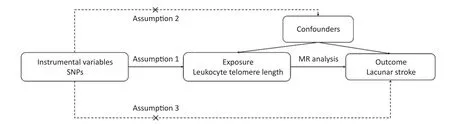
Figure 1.An overview of the Mendelian randomization study design.SNP, single nucleotide polymorphisms; MR, Mendelian randomization.
Funnel plots showed no heterogeneous SNPs in our MR study (Figure 2B).Additionally, the leaveone-out analysis showed that the relationship between LTL and lacunar stroke was not influenced by a single SNP (Figure 2C).Supplementary analysis using the total twenty SNPs did not alter the above findings (Supplementary Table S2, Supplementary Figure S1, available in www.besjournal.com).
In the present study, we estimated the causal association between LTL and lacunar stroke in the European population using a two-sample MR approach from publicly available summary statistics.Our finding showed no causal relationship between genetically predicted LTL and lacunar stroke.
An increasing number of studies have investigated the relationship between LTL and stroke, but with contrasting findings.There are several potential explanations for the differing results between traditional observational studies and the non-significant causal relationship in the present study.While observational studies attempt to adjust for potential confounding factors, significant residual confounding factors may still exist because of uncontrolled or incompletely measured covariates, such as technical variations in LTL measurement and the environment.Furthermore, in many studies LTL was measured at one time, which may not represent the true long-term LTL.In the present study, we selected a set of SNPs closely related to the directly measured LTL to assess their causal relationship.MR design describes the causal relationship between lifetime exposure and disease outcome, which removes the contribution of reversecausality.Thus, compared with traditional observational approaches, the MR approach can provide more reliable estimates of the causal relationship between genetically predicted LTL and lacunar stroke.Similarly,several observational studies have suggested a potential link between LTL and various diseases, while none of these studies reported any causality when evaluated by MR[8,9].

Table 1.Analysis of association between genetically predicted leukocyte telomere length and risk of lacunar stroke
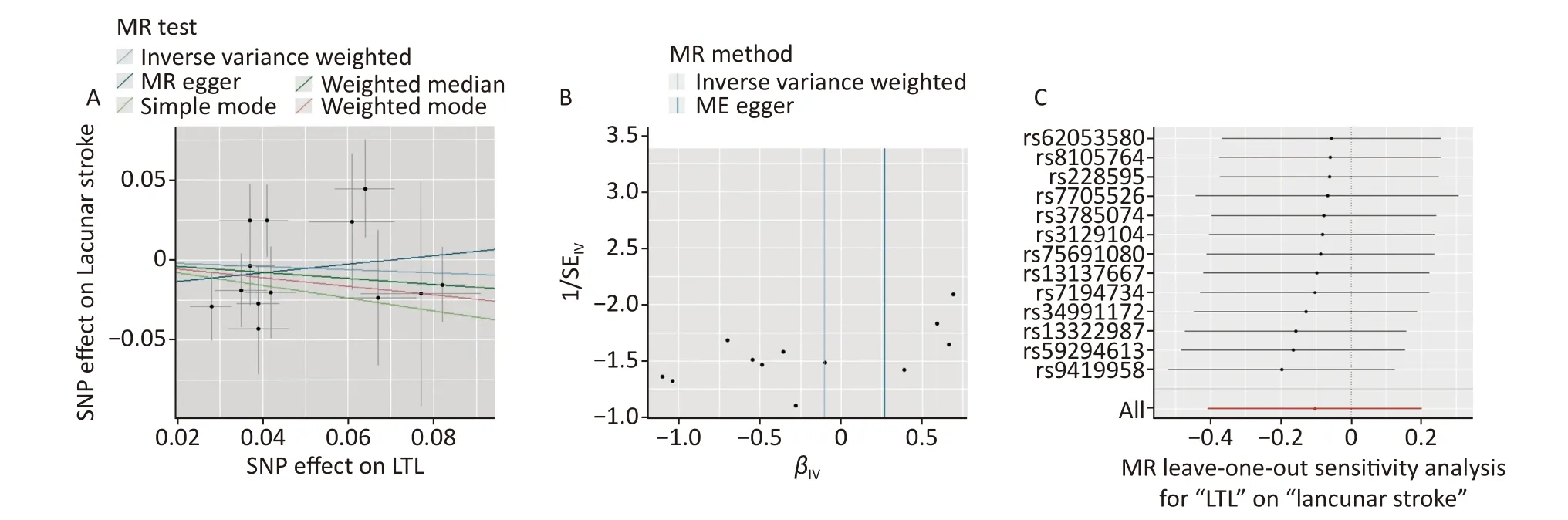
Figure 2.Scatter plot (A), funnel plot (B), and leave-one-out analysis (C) for MR analysis of leukocyte telomere length and lacunar stroke.LTL, leukocyte telomere length; SNP, single nucleotide polymorphisms; MR, Mendelian randomization.
In contrast to our findings, Cao and colleagues reported a potential causal association between LTL and lacunar stroke using MR study design[4].In that study, the IVs for LTL were obtained from a GWAS that included 37,684 European individuals, while only four SNPs that were robustly associated with LTL were selected.By contrast, our study used the recently published GWAS data on LTL with a larger sample size, which discovered twenty SNPs independently associated with LTL and 6 loci that had not been previously reported[7]—this provides more appropriate IVs and more statistical power to detect a subtle effect.Additionally, although the summary data on lacunar stroke acquired from the MEGASTROKE collaboration in that MR study identified 35 loci strongly related to ischemic stroke,only one locus was robustly related to lacunar stroke.Our study used the newest GWAS data that identified 11 novel loci associated with lacunar stroke to determine their relationship.We found no significant causal effect of LTL on lacunar stroke,which was confirmed by a series of sensitivity and complementary analyses.Thus, the causal associations reported in prior observational studies may involve a pooled effect of risk factors of stroke and environmental confounders.
The main advantage of our study was the implementation of the MR method, which can overcome the limitations such as confounding factors and reverse causality in conventional epidemiological studies.However, there are some limitations of our study.First, horizontal pleiotropy is the most important assumption for MR analysis.Completely ruling out the potential for bias caused by pleiotropy remains challenging for all MR studies.Nevertheless,we removed SNPs with potential pleiotropic effects from our analyses, and sensitivity analyses with several robust models and leave-one-out analysis showed no evidence of pleiotropy.Second, analysis was conducted based on the statistics from individuals of European ancestry.This may reduce the bias caused by population stratification, but limit the generalization of our findings to other ethnic groups.Future research should focus on genome-wide association studies of LTL in different countries and regions.Third, MR analysis assumes a linear relationship, while the summary-level data limited our investigation into the potential nonlinear roles of LTL on lacunar stroke.Finally, the relatively small size of IVs and lower phenotypic variance explained by IVs for LTL may decrease the statistical power and precision in our MR analyses.Thus, we cannot exclude the possibility of missing a weak association between LTL and lacunar stroke.
This study found no evidence for a causal relationship between LTL and lacunar stroke and suggest that the observed associations could be a result of shared genetic effects or environmental confounders.
The authors thank all the relevant consortia and investigators for sharing summary-level data, and Liwen Bianji (Edanz) (www.liwenbianji.cn) for editing the English text of a draft of this manuscript.
#Correspondence should be addressed to ZHANG Gui Lian, Professor, PhD, MD, Tel: 86-13991369962, E-mail:zhgl_2006@xjtu.edu.cn
Biographical note of the first author: DANG Mei Juan,female, born in 1996, Doctoral Student, majoring in ischemic stroke.
Received: September 21, 2022;
Accepted: March 1, 2023
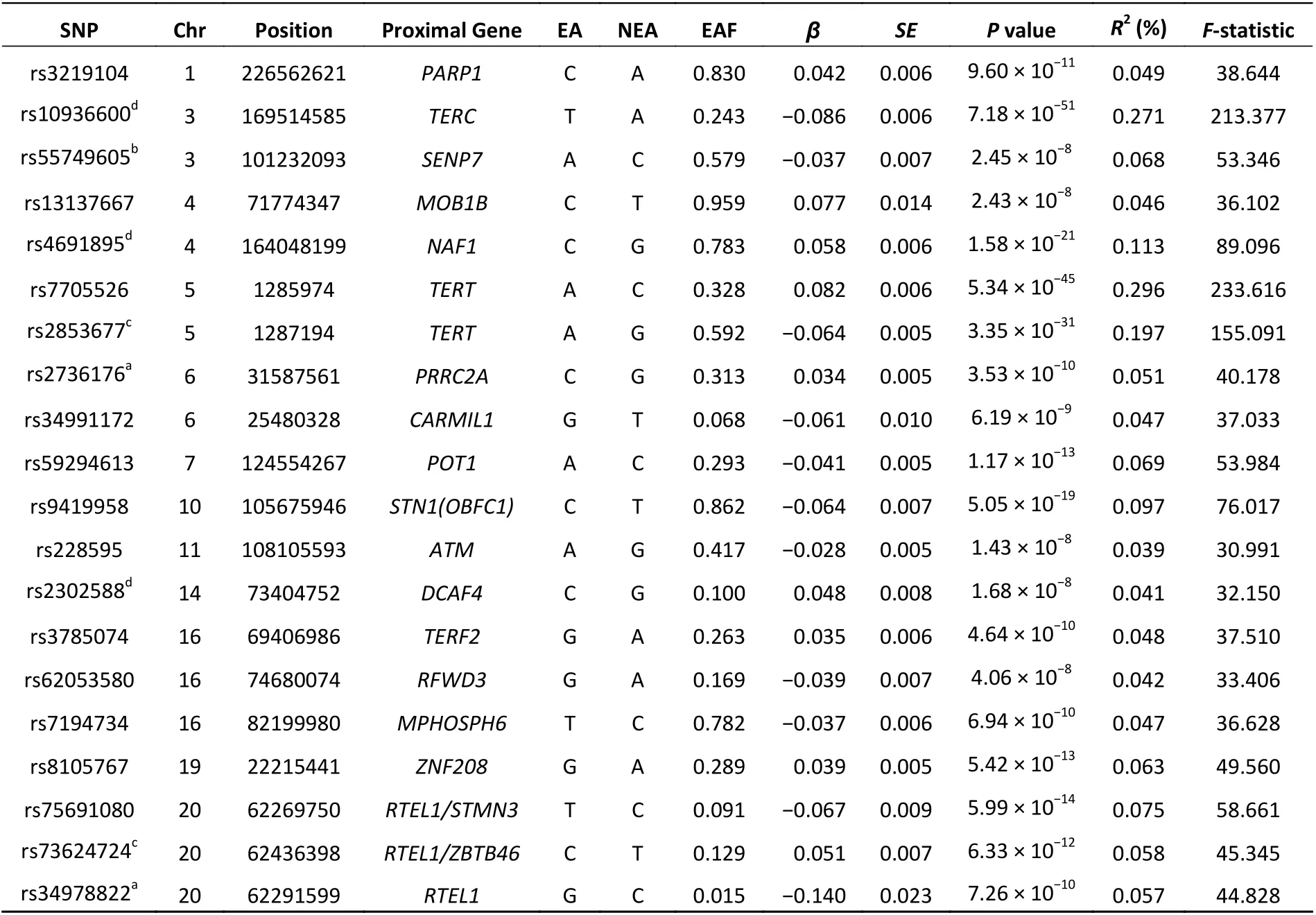
Supplementary Table S1.Characteristics of the SNPs used as instrumental variables for leukocyte telomere length
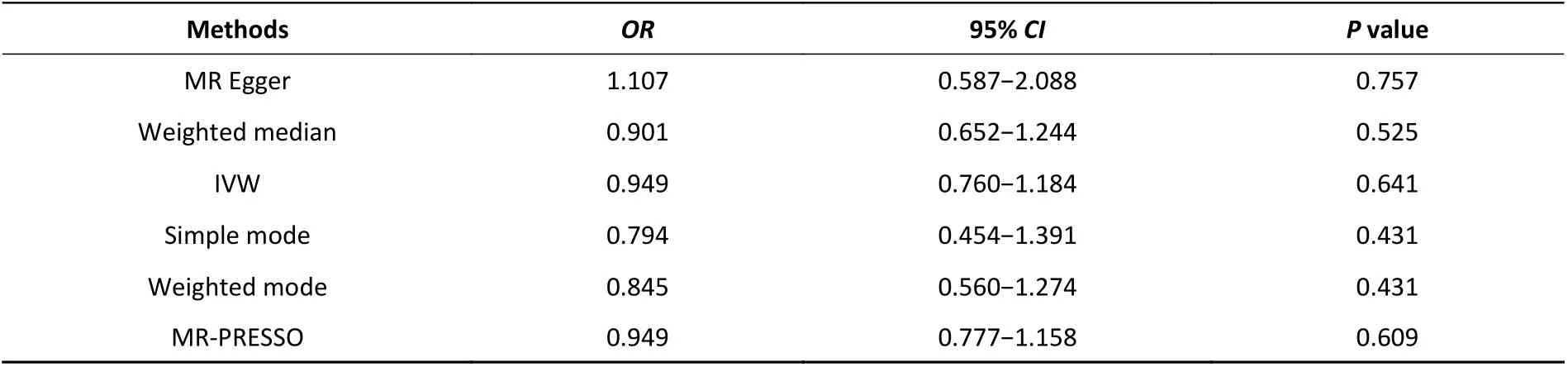
Supplementary Table S2.Complementary analysis of association between genetically predicted leukocyte telomere length and risk of lacunar stroke using full set of instrumental variables
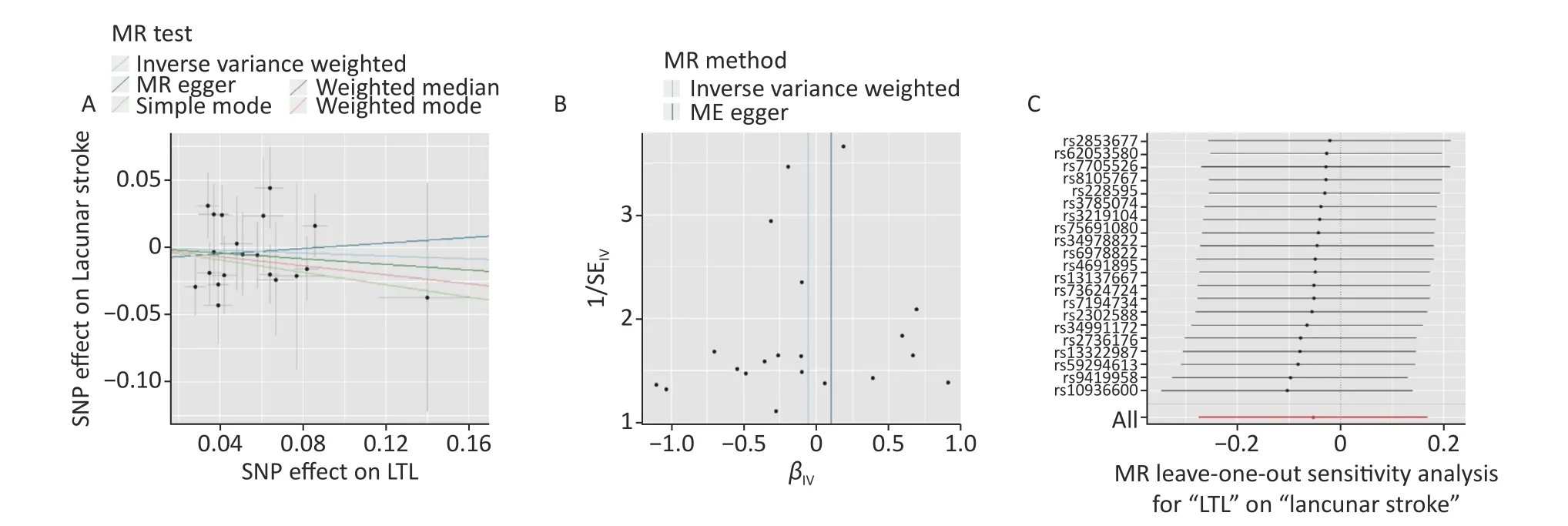
Supplementary Figure S1.Scatter plot (A), funnel plot (B), and leave-one-out analysis (C) for MR analysis of leukocyte telomere length and lacunar stroke using full set of instrumental variables.LTL indicates leukocyte telomere length; SNP, single nucleotide polymorphisms; MR, Mendelian randomization.
登錄APP查看全文
 Biomedical and Environmental Sciences
2023年4期
Biomedical and Environmental Sciences
2023年4期
- Biomedical and Environmental Sciences的其它文章
- A Comparative Study of Blood Lead Levels in Urban Children in China: The China Nutrition and Health Survey (CNHS)2002 and 2012*
- Type 2 Diabetes and Hyperlipidemia Caused by AKT2 Gene Combined with PLlN1 Gene Mutation: A Case Report*
- Effect of Age and Sex on Stroke Mortality of Young and Middleaged Adults in China, 2002–2019, and Predictions to 2030
- Benefits of Mindfulness Training on the Mental Health of Women During Pregnancy and Early Motherhood: A Randomized Controlled Trial*
- Evaluation of Microsphere-based xMAP Test for gyrA Mutation ldentification in Mycobacterium Tuberculosis*
- rs3735664 Polymorphism Affecting ELFN1-AS1 Adsorption on miR-1231 is Associated with Colorectal Cancer Susceptibility and Tumor Stage*