
Network pharmacology and molecular docking study on the effect of Kaempferol in treatment of metabolic associated fatty liver disease
2022-10-14 11:38:30ZHOUKaixuanZHANGDongBAOHuiweiLILijing
ZHOU Kaixuan,ZHANG Dong,BAO Huiwei,LI Lijing
ZHOU Kaixuan,ZHANG Dong,BAO Huiwei,LI Lijing,College of Pharmacy,Changchun University of Chinese Medicine,Changchun 130117,China
Abstract OBJECTIVE: To study therapeutic effect of kaempferol on metabolic associated fatty liver disease (MAFLD) by network pharmacology and molecular docking combined with cell experiments.METHODS: First,use the SwissTargetPrediction database to predict the targets of kaempferol,and collect the targets of MAFLD through the Disgenet database and the GeneCards database.Then,the common target of kaempferol and MAFLD was enriched and analyzed by the Gene Ontology (GO) and Kyoto Encyclopedia of Genes and Genomes,and the protein-protein interaction(PPI) network was constructed through the string database to obtain the key targets,and carry out molecular docking of key targets with kaempferol;In cell experiment,oleic acid induced steatosis in HepG2 cells,which was intervened by kaempferol,the level of triglyceride (TG) was detected,the lipid deposition was observed by oil red O staining,and the protein expression was detected by Western blot.RESULTS: The results showed that there are 33 common targets for kaempferol and MAFLD.The biological process of GO is related to the regulation of protein kinase B,cell apoptosis,inflammatory factors,lipoxygenase,etc.Its action pathway is related to the phosphatidylinositol-3-kinase and protein kinase B (PI3K-AKT) signaling pathway,hypoxia-inducible factor 1 signaling pathway,forkhead box protein O signaling pathway,AMP-activated protein kinase signaling pathway,tumor necrosis factor signaling pathway,etc.,the key targets are protein kinase B (AKT1),prostaglandin G/H synthase 2,matrix metalloproteinase-9,epidermal growth factor receptor,and the molecular docking of kaempferol with the four key targets shows good binding properties.Cell experiments show that kaempferol can reduce cell TG levels,reduce lipid deposition,increase the expression of PI3K,AKT,and beclin-1,and reduce the expression of caspase-3 and nuclear factor-kappa B.Kaempferol can treat MAFLD by regulating the PI3K-AKT signaling pathway to regulate cell autophagy,apoptosis,and inflammation.CONCLUSIONS: This study shows that kaempferol can regulate lipid metabolism,reduce apoptosis,regulate inflammation and autophagy in the fatty liver cell model.It reveals the therapeutic mechanism of kaempferol on MAFLD and provides a natural product candidate for the treatment of MAFLD.
Keywords: Metabolic associated fatty liver disease;kaempferol;network pharmacology;molecular docking simulation;protein kinase B;protoonco-gene proteins c-akt;signaling transduction
1.INTRODUCTION
Metabolic associated fatty liver disease (MAFLD) is the main common chronic liver disease that affects more than a quarter of the world’s population.1This disease is defined as the abnormal accumulation of lipids in the liver (> 5% by weight) without alcoholic and viral factors.The development of MAFLD includes the mechanisms of a wide range of pathological processes,including insulin resistance,oxidative stress,apoptosis,lipotoxicity,inflammation,and so on.2At present,there is no effective treatment method to treat this chronic liver disease.Without effective intervention on the disease,it can further cause liver cirrhosis,liver fibrosis and increase the risk of cardiovascular disease and liver cancer in patients.3,4Studies have shown that some natural products have anti-inflammatory,anti-oxidant,hypoglycemic,insulin sensitization,anti-obesity,hypolipidemic,and hepatoprotective properties,5these compounds include flavonoids,polyphenols,terpenoids,alkaloids,saponins,and quinones,6some compounds have good effects in the prevention and treatment of MAFLD.7,8Kaempferol is one of the most common dietary flavonoids,which exists in many plants,9it also has anti-inflammatory,regulates blood lipids,and other pharmacological effects.10-12Network pharmacology research is mainly composed of three aspects: network construction,network analysis,and experimental verification.Public databases are used to screen out target information of known drug ingredients and target information of specific diseases.13Then use network visualization tools to build a “compound-target-disease”multi-dimensional biological network model,14through multi-level analysis of specific targets in the network at the cellular,molecular and biological overall levels,predict the target points of drug prevention and treatment of diseases and the cell signal transduction pathways that may participate in regulation,and identify key targets.15Finally,experimental verification at the animal or cell level is carried out to reveal the modern pharmacological mechanism of drugs to prevent and treat diseases.
This study uses network pharmacology to construct a network of kaempferol in the treatment of MAFLD,analyze its possible targets and cell signal transduction pathways,and verify it through cell experiments to explore the potential therapeutic effects of kaempferol in MAFLD.
2.METHODS
2.1.Target prediction of kaempferol
Through PubChem database (https://pubchem.ncbi.nlm.nih.gov/) search kaempferol,obtain its “isomeric smiles”number and import it into SwissTargetPrediction database (http://www.swisstargetprediction.ch/) for target prediction.
2.2.MAFLD target collection
MAFLD was once called non-alcoholic fatty liver disease,16therefore,when searching for disease targets,search with “Metabolic associated fatty liver disease”and “Non-alcoholic fatty liver disease” as keywords,using the Disgenet database (http://www.disgenet.org)and the GeneCards database (https://www.genecards.org)to search for disease-related targets.
2.3.“Compound-target-disease” Network Construction
The targets predicted by kaempferol and the MAFLD target were screened using Excel software to obtain common targets and imported into Cytoscape 3.5.0 software to draw a “compound-target-disease” network.
2.4.Enrichment analysis
Gene Ontology (GO) and Kyoto Encyclopedia of Genes and Genomes (KEGG) pathway analysis are effective methods to explain the role of target genes,17The common targets of kaempferol and MAFLD were imported into David 6.8 database (https://david.ncifcrf.gov/tools.jsp) for gene ontology and KEGG pathway analysis.
2.5.PPI Network of target protein interaction
The common target genes of kaempferol and MAFLD were input into the STRING database (https://stringdb.org/) to seek for the protein-protein interaction (PPI)data.The analysis results were obtained and use the“analysis network” tool in Cytoscape to get the protein interaction network to obtain the relevant parameters.Based on the three parameters of “Degree,” “BetweennessCentrality,” and “ClosenessCentrality,” the proteins with high levels of connection were regarded as the key targets for MAFLD treatment.
2.6.Molecular docking
2.7.Cells
HEPG2 cells were obtained from the Cell Resource Center,Peking Union Medical College (Beijing,China),resource number: 3111C0001CCC000035,cultured in a constant temperature cell incubator at 37°C and 5% CO2,and the cell culture medium is dulbecco’s modified eagle’s medium (DMEM) with 10% fetal bovine serum.
2.8.Instruments and chemicals
Oleic acid standard was purchased from Aladdin Biochemical Technology (Shanghai,China).Cell counting kit-8 was purchased from Dojindo (Shanghai,China).Fetal bovine serum was purchased from Gibco(Grand Island,NY,USA).DMEM was purchased from Hyclone (South Logan,UT,USA).Oil red O stain kit and triglyceride assay kit was purchased from Nanjing Jiancheng Biology Engineering Institute (Nanjing,China).phosphatidylinositol-3-kinase (PI3K) monoclonal antibody,β-actin monoclonal antibody,protein kinase B (AKT) polyclonal antibody,nuclear factorkappa B (NF-κB) P65 polyclonal antibody,Beclin-1 polyclonal antibody,Caspase-3 polyclonal antibody,HRP* goat anti mouse IgG (H+L),HRP* goat anti rabbit IgG (H+L),and ultrasensitive ECL detection kit were purchased from Proteintech (Wuhan,China).Micro plate spectrophotometer was purchased from BioTek(Winooski,VT,USA).Inverted microscope was purchased from Olympus (Tokyo,Japan).
2.9.Cytotoxicity of oleic acid and kaempferol
The concentration of oleic acid and kaempferol was determined by detecting the cytotoxicity of oleic acid and kaempferol.Cell viability was detected by cell counting kit-8 (CCK-8) assay.Cells were seeded into 96-well culture plates at a density of 3 × 10⁴cells/well.The concentration gradient of oleic acid was 50,100,200,400,800 μM;the concentration gradient of kaempferol was 10,20,40,80,160 μM,each group has 6 multiple holes.After 24 h of treatment,10 μL of CCK-8 was added to each well,and the cells were incubated for 1 h.The absorbance at 450 nm was measured using a microplate spectrophotometer (OD value).
2.10.Cell grouping and drug administration
The cells were divided into 4 groups: control group (Con),model group (Mod,medium containing 100 μM oleic acid),low-dose kaempferol treatment group (KL,medium containing 100 μM oleic acid and 10 μM kaempferol),high-dose kaempferol treatment group (KH,medium containing 100 μM oleic acid and 20 μM kaempferol).
2.11.Cell triglyceride assay
According to the above grouping,the cells were seeded into 6-well culture plates at a density of 8 × 10⁵cells/well;each group has 5 multiple holes.After 24 h of cell treatment,the old medium was discarded,and cells collected.The triglyceride (TG) content was detected by TG kit.The protein content was determined by BCA method.Finally,the TG content was corrected by the protein concentration per gram,the unit of TG was mmol/gprot.
2.12.Observation of lipid deposition
According to the above grouping,the cells were seeded into 24-well culture plates at a density of 2 × 10⁵cells/well.After 24 h of cell treatment,the old medium was discarded,add was the oil red O solution for dyeing for 15 min.After dyeing,PBS was added to clean the cells 3 times,and water-based sealant was added,observed under the microscope.
2.13.Western blotting analysis
According to the above grouping,the cells were seeded into 6-well culture plates at a density of 8 × 10⁵cells/well.After 24 h of cell treatment,the old medium was discarded,the cells were washed with PBS 2 times,and then 200 μL RIPA lysis buffer including 1% protease inhibitor cocktail was added to extract total proteins,the supernatant was extracted to evaluate protein concentrations using the BCA kit.10% sodium dodecyl sulfate-polyacrylamide gel was prepared and electrophoresis was carried out.After electrophoresis,proteins were transferred to polyvinylidene difluoride (PVDF)membranes (0.45 μm) and blocked with 5% BSA (TBST 1 × dilution) for 1 h at room temperature.PVDF membranes were washed thrice with TBST for 5 min each time.PVDF membranes were incubated with β-Actin monoclonal antibody (1:5000),PI3K monoclonal antibody (1:3000),AKT polyclonal antibody (1:3000),NF-κB P65 polyclonal antibody (1:3000),beclin-1 polyclonal antibody (1:2000) and caspase-3 polyclonal antibody (1:1000) overnight at 4°C.The next day,PVDF membranes were incubated with horseradish peroxidaselabeled secondary antibody (1:5000) for 1.5 h at room temperature.Protein bands were visualized using an enhanced chemiluminescence system.Semiquantification of target bands was done using ImageJ Pro.Relative expression of PI3K,AKT,beclin-1,NF-κB and,caspase-3 was normalized to that of β-actin.
2.14.Statistical analyses
The data were expressed as the mean ± standard deviation.Comparisons between groups were evaluated by one-way analysis of variance followed by Student’sttest using SPSS 20.0 (IBM Corp.,Armonk,NY,USA)software.P< 0.05 was considered significant.
After this they found that they were very hungry, for one cannot live on love, any more than on air, and then the old woman s lamentations were louder than before
3.RESULTS
3.1.Results of target collection and “compound-targetdisease” network construction
Through target prediction of kaempferol,103 related targets were obtained.By searching the database and deleting duplicate targets,1410 related targets of MAFLD were obtained.There were 33 common targets for kaempferol and MAFLD,and these results show that kaempferol affects MAFLD through these 33 targets,the“compound-target-disease” network is shown in Figure 1.
3.2.Gene ontology analysis
After enrichment analysis of 33 common targets by DAVID v6.8,we got 18 GO biological processes,10 GO cellular components and 6 GO molecular functions according toP< 0.05.Gene ontology analysis shows that kaempferol can play a therapeutic role in MAFLD by affecting the metabolism of arachidonic acid,collagen catabolic process,reactive oxygen species metabolic process,regulating the process of apoptosis,regulating protein kinase B signal transduction and lipoxygenase activity,etc.The detailed results of gene ontology analysis are shown in supplementary materials Figure S1.
3.3.KEGG pathway analysis
According to thePvalue,we selected the first 20 KEGG pathways for analysis (supplementary materials Figure S2),which are mainly hypoxia-inducible factor 1 (HIF-1) signaling pathway,PI3K-AKT signaling pathway,tumour necrosis factor (TNF) signaling pathway,forkhead box protein O (FoxO) signaling pathway,and AMP-activated protein kinase (AMPK) signaling pathway.
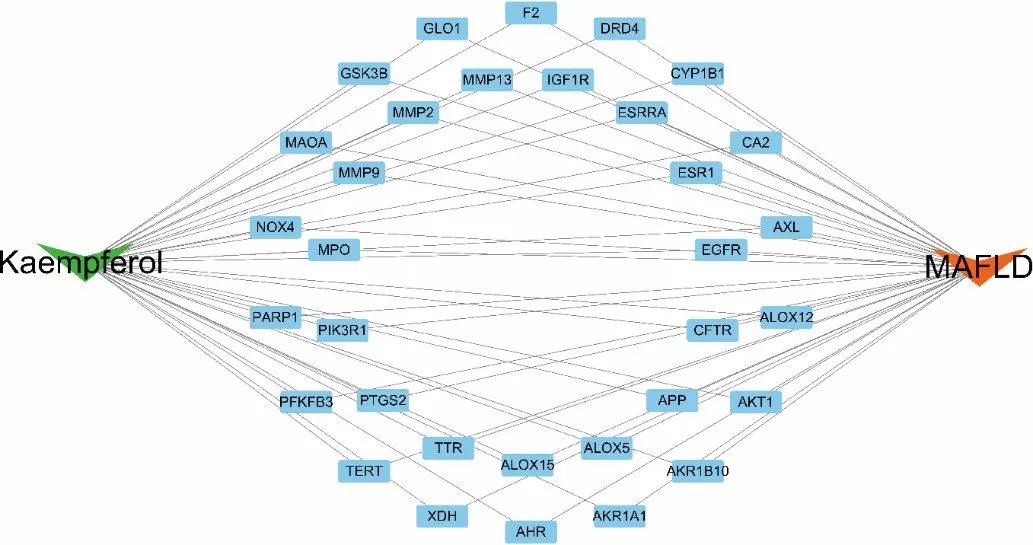
Figure 1 “compound-target-disease” network of kaempferol in the treatment of MAFLD
3.4.PPI network analysis
Through the analysis of the STRING database,taking“Degree” > 5,“BetweennessCentrality” > 0.03679809,and “ClosenessCentrality” > 0.56363636,four important targets of protein kinase B (AKT1),prostaglandin G/H synthase 2 (PTGS2),matrix metalloproteinase-9(MMP9),and epidermal growth factor receptor (EGFR)were obtained (Table 1,supplementary materials Figure S3).
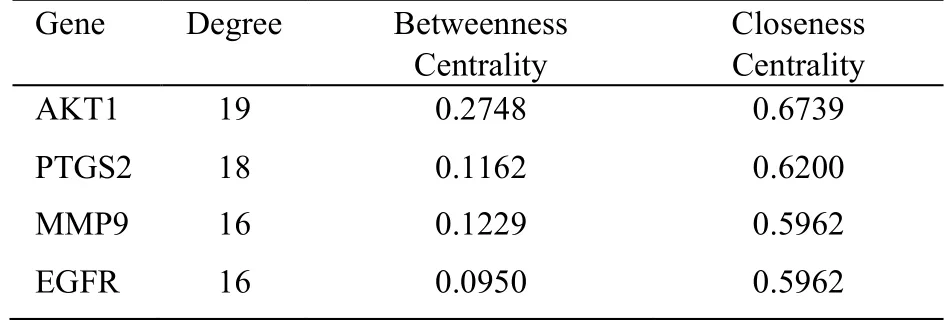
Table 1 Core targets of kaempferol in the treatment of MAFLD
3.5.Target validation by molecular docking analysis
The molecular docking of kaempferol with the key targets selected from STRING database was carried out,and the docking results were visualized (supplementary materials Figure S4).The docking binding energy of kaempferol with AKT1 (PDB ID: 4EJN) was-7.39 kJ/moL,the docking binding energy of kaempferol with PTGS2(PDB ID: 5IKQ) was-7.56 kJ/moL,the docking binding energy of kaempferol with MMP9 (PDB ID:4XCT) was-10.10 kJ/moL,the docking binding energy of kaempferol with EGFR (PDB ID: 2GS6) was-5.76 kJ/moL,all less than-5 kJ/moL.
3.6.Cytotoxicity results of Kaempferol and oleic acid
The experimental results show that as the concentration of kaempferol increases,the proliferation activity of cells gradually decreases.When the concentration of kaempferol reaches 20 μM,there is a statistical difference compared with the control group (P< 0.01)(Figure 2A).However,when the concentration of kaempferol reached 40 μM,the cell proliferation activity did not continue to decrease with the increase of concentration.It is speculated that the toxicity of kaempferol to cells is weak.In the subsequent experiments,considering the coexistence of the pharmacological effects and side effects of the drug,10 μM kaempferol with no significant difference and 20 μM with the significant difference in cytotoxicity were selected for the experiment.The results showed that with the increase of oleic acid concentration,the cell proliferation activity decreased gradually when the concentration of oleic acid reached 400 μM,there was a statistical difference compared with the control group (P< 0.05) (Figure 2B).Under the microscope(supplementary materials Figure S5),it was found that the cell morphology was severely deformed at a concentration of 200 μM.In order to prevent the drug from being unable to treat severely damaged cells in subsequent experiments completely,a concentration of 100 μM oleic acid was selected for subsequent modeling.
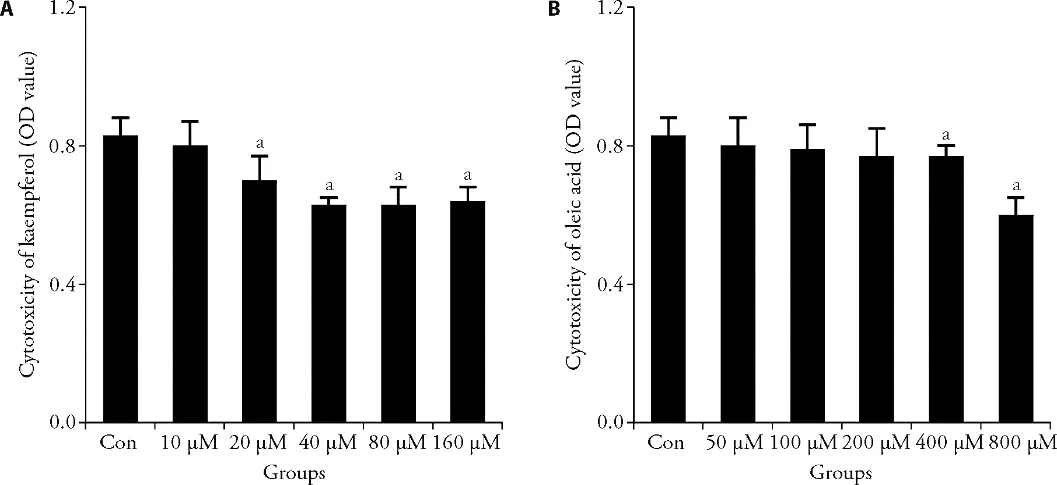
Figure 2 Cytotoxicity results of kaempferol and oleic acid
3.7.Effect of Kaempferol on cell TG content
We treated oleic acid-induced steatosis HepG2 cells with kaempferol.After 24 h,we lysed the cells and detected the level of TG in the cells.The results showed that the TG contents of the control group,model group,KL group,and KH group were 0.13 ± 0.01,0.25 ± 0.04,0.22 ± 0.02,and 0.19 ± 0.01 respectively,compared with the control group,the TG in the model group was significantly increased (P< 0.01).Kaempferol had a decreasing effect on TG,and the high-dose kaempferol group had a significant decreasing effect,with a statistical difference(P< 0.05).
3.8.Observation of lipid deposition
HepG2 cells were stained with oil red O,the results showed that the lipid deposition of the model group was higher than that of the normal group.Kaempferol could reduce the lipid deposition of cells,and the effect of a high dose of kaempferol was better (Figure 3).
3.9.Effect of Kaempferol on PI3K,AKT,beclin-1,NFκB and caspase-3 protein expression
GO enrichment analysis and KEGG pathway enrichment analysis predicted that the PI3K-AKT signaling pathway was involved in the prevention and treatment of kaempferol on MAFLD.Therefore,we investigated the related proteins expressions of the PI3K-AKT pathway in oleic acid induced steatosis in HepG2 cells.The results of Western blotting showed that compared with the control group,the expression of PI3K and AKT protein in the model group was reduced,the expression of autophagy-related protein beclin-1 was reduced,increased the expression of inflammation-related protein NF-κB and apoptosis-related protein caspase-3 (P<0.05).After the intervention of kaempferol,compared with the model group,the expression of PI3K,AKT and beclin-1 increased (P< 0.05),and the expression of NFκB and caspase-3 decreased (P< 0.05) (Figure 4).

Figure 3 Lipid deposition was observed by oil red staining (×400)
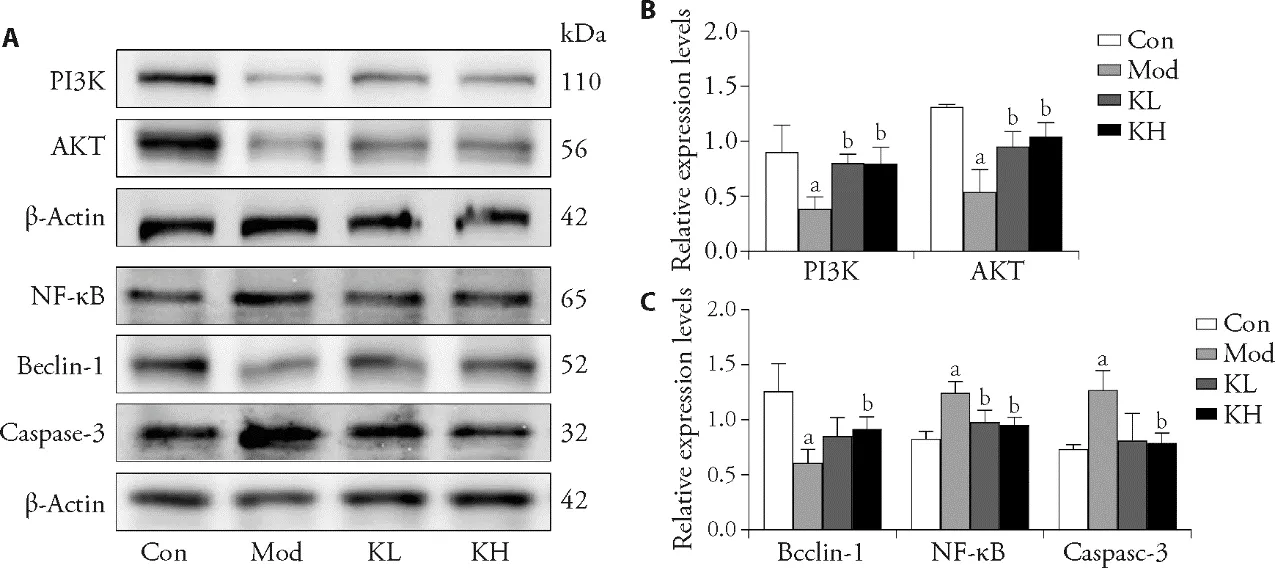
Figure 4 Effect of kaempferol on PI3K,AKT,Beclin-1,NF-κB and Caspase-3 protein expression
4.DISCUSSION
MAFLD is usually related to the unhealthy diet and lifestyle of the patient,eating more greasy food,lack of physical exercise,liver lipid metabolism disorders,and lipid accumulation in the liver.19,20Kaempferol is a kind of dietary flavonoid,with antioxidant,anti-inflammatory,anti-cancer,anti-obesity,and other biological activities.21Studies have shown that it can improve the liver insulin sensitivity of diet induced obese mice and reduce the lipid storage and endoplasmic reticulum stress induced by palmitic acid.22,23
Through network pharmacology research,we found that kaempferol can play a therapeutic role in MAFLD by affecting arachidonic acid metabolism,collagen catabolism,reactive oxygen species metabolic process,regulating cell apoptosis,regulating protein kinase B signal transduction,and lipoxygenase activity.Pathways related to these processes are HIF-1 signaling pathway,PI3K-Akt signaling pathway,TNF signaling pathway,FoxO signaling pathway,and AMPK signaling pathway.Combined with the screening of STRING database and molecular docking,it was found that PI3K-AKT signaling pathway may be an important pathway for kaempferol to play a therapeutic effect on MAFLD.
Through cell experiments,it was found that kaempferol can decrease triglyceride and lipid deposition in HEPG2 cells,increase the expression of PI3K and AKT proteins in the cell,increase the expression of autophagy-related protein beclin-1,reduce the expression of apoptosisrelated protein caspase-3 and inflammation-related protein NF-κB.These results indicate that kaempferol can regulate PI3K-AKT signaling pathway,affect the inflammatory reaction in hepatocytes,and regulate the apoptosis of hepatocytes.PI3K is related to a variety of cell functions,including cell growth,proliferation,differentiation,migration and intracellular transport,and is also a key component of the insulin signaling pathway,24AKT is the main downstream molecule of the PI3K-AKT signaling pathway,including three subtypes:AKT1,AKT2,and AKT3,of which AKT1 is ubiquitously expressed in a variety of tissues,25studies have shown that activating the PI3K-AKT pathway can significantly improve blood lipids and liver pathological changes in high-fat diet animals.26NF-κB can be regulated by a variety of factors,including PI3K-AKT signaling pathway,27,28clinical studies have shown that the expression of NF-κB in patients with MAFLD is significantly increased,suggesting that NF-κB plays an important role in the process of MAFLD,29The pathogenesis of this may be due to lipid peroxidation during the course of MAFLD,which activates NF-κB,30NF-κB is a protein factor with multi-directional regulation.It can not only mediate the transcriptional expression of inflammatory transmitters but is also involved in the regulation of apoptosis by regulating the expression of apoptosis related proteins.31Autophagy is a well-regulated intracellular metabolic mechanism to maintain the survival of cells under stress,32the liver is rich in lysosomes and has a high level of metabolic stress-induced autophagy,it is involved in the development of MAFLD,lipids can be decomposed by selective autophagy,the disorder of hepatocyte autophagy can cause the increase of oxidative stress and inflammation,leading to the further development of liver disease.33,34Beclin-1 can mediate the formation of autophagosome membrane,which interacts with PI3K and AKT to improve autophagy level,35by increasing the autophagy level.It can achieve the therapeutic effect on MAFLD.36
In conclusion,combined with experimental research,the therapeutic potential of kaempferol on MAFLD was preliminarily confirmed.However,this study has some shortcomings,the effect of kaempferol is simply verified by cell experiment,and further research is needed.
登錄APP查看全文
 Journal of Traditional Chinese Medicine
2022年5期
Journal of Traditional Chinese Medicine
2022年5期
- Journal of Traditional Chinese Medicine的其它文章
- Shugan Jieyu capsule (舒肝解郁膠囊) improve sleep and emotional disorder in coronavirus disease 2019 convalescence patients: a randomized,double-blind,placebo-controlled trial
- Application value of Qisexingtai hand diagnostic method in diagnosis of coronary artery disease
- An infrared thermographic analysis of the sensitization acupoints of women with primary dysmenorrhea
- Preliminary single-arm study of brain effects during transcutaneous auricular vagus nerve stimulation treatment of recurrent depression by resting-state functional magnetic resonance imaging
- Effect of treatment with Fufang Huangqi decoction (復方黃杞湯劑)on dose reductions and discontinuation of pyridostigmine bromide tablets,prednisone,and tacrolimus in patients with type I or II myasthenia gravis
- Wenshen Jianpi recipe (溫腎健脾方) induced immune reconstruction and redistribution of natural killer cell subsets in immunological nonresponders of human immunodeficiency virus/acquired immune deficiency syndrome: a randomized controlled trial