政策工具視角下中國反食品浪費政策文本研究
2022-05-30 10:48:04宋知遠王志君
糧食科技與經濟
2022年4期
宋知遠 王志君

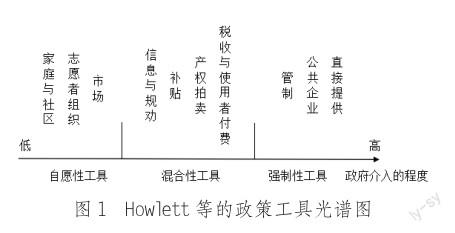

摘要:中國糧食供求長期處于緊平衡狀態,消費環節的食品浪費問題突出。該研究聚焦中央和北京市層面近兩年頒布的反食品浪費政策,建立“政策工具(X)—政策作用對象(Y)”的二維分析框架,運用NVivo 11 PLUS進行文本量化分析。研究發現,此類政策兼顧三大工具類型,但自愿性和混合性工具使用過多,存在強制力不足、對社會群體的政策關注度低等問題。據此,提出了細化考核指標、建立多元參與機制等具體改進措施,對于優化政策工具使用、減少消費端食品浪費和維護國家糧食安全具有重要的現實意義。
關鍵詞:反食品浪費;政策工具;政策文本分析
中圖分類號:F063.2;F326.1 文獻標識碼:A DOI:10.16465/j.gste.cn431252ts.20220404
A Textual Study on Anti-food Waste Policy in China from the Perspective of Policy Tools
Song Zhiyuan, Wang Zhijun
( China University of Mining and Technology-Beijing, Beijing 100089 )
Abstract: Chinas grain supply and demand have been in a tight balance for a long time, and the problem of food waste in the consumption link is prominent. This study focuses on the anti-food waste policies promulgated by the central government and Beijing in the last two years, establishes a two-dimensional analysis framework of "policy tool (X)- policy target (Y)", and uses NVivo 11 PLUS for text quantitative analysis. It is found that this kind of policy takes into account three types of tools, but the use of voluntary and mixed tools is excessive and there are many problems including insufficient coercive power and low policy attention to social groups. Accordingly, this paper puts forward some concrete improvement measures, such as refining assessment indicators and establishing a multi-participation mechanism, which is of great practical significance to optimizing the use structure of policy tools, reducing food waste at the consumer end and maintaining national food security.
Key words: anti-food waste, policy tool, policy text analysis
糧食在整個國民經濟中具有不可替代的基礎性作用[1]。近年來,雖然我國農業生產的結果喜人,但糧食供求呈現出緊平衡的態勢,并且仍面臨短缺風險。與此同時,我國每年被損耗和浪費的糧食達3 500萬t,接近于我國糧食總產量的6%[2]。糧食的浪費主要集中在食物消費環節:我國餐飲業人均食物浪費量為每人每餐93 g,浪費率達11.7%[2]。筆者[3]曾就北京高校大學生食堂就餐過程中的浪費情況進行研究,發現校園中的食物浪費現象依舊存在,反食品浪費政策在大學生中的長期落實效果不佳。此外,Whitehair等[4]和Osei-Owusu等[5]分別證明了節約糧食不僅有利于可持續性發展,且有利于緩解氣候問題、提高資源利用效率。
我國近期發布的以《中華人民共和國反食品浪費法》《反食品浪費工作方案》為核心的反食品浪費政策充分將道德層面的倡導、政治層面的要求與政策層面的規定結合起來,強化公民的食品節約義務。……
登錄APP查看全文