
A Concession to Fame
2022-02-25 13:44:32孟思遠
漢語世界(The World of Chinese) 2022年1期
關鍵詞:生活

Text bySiyuan Meng (孟思遠)
Photography by NicocoChan
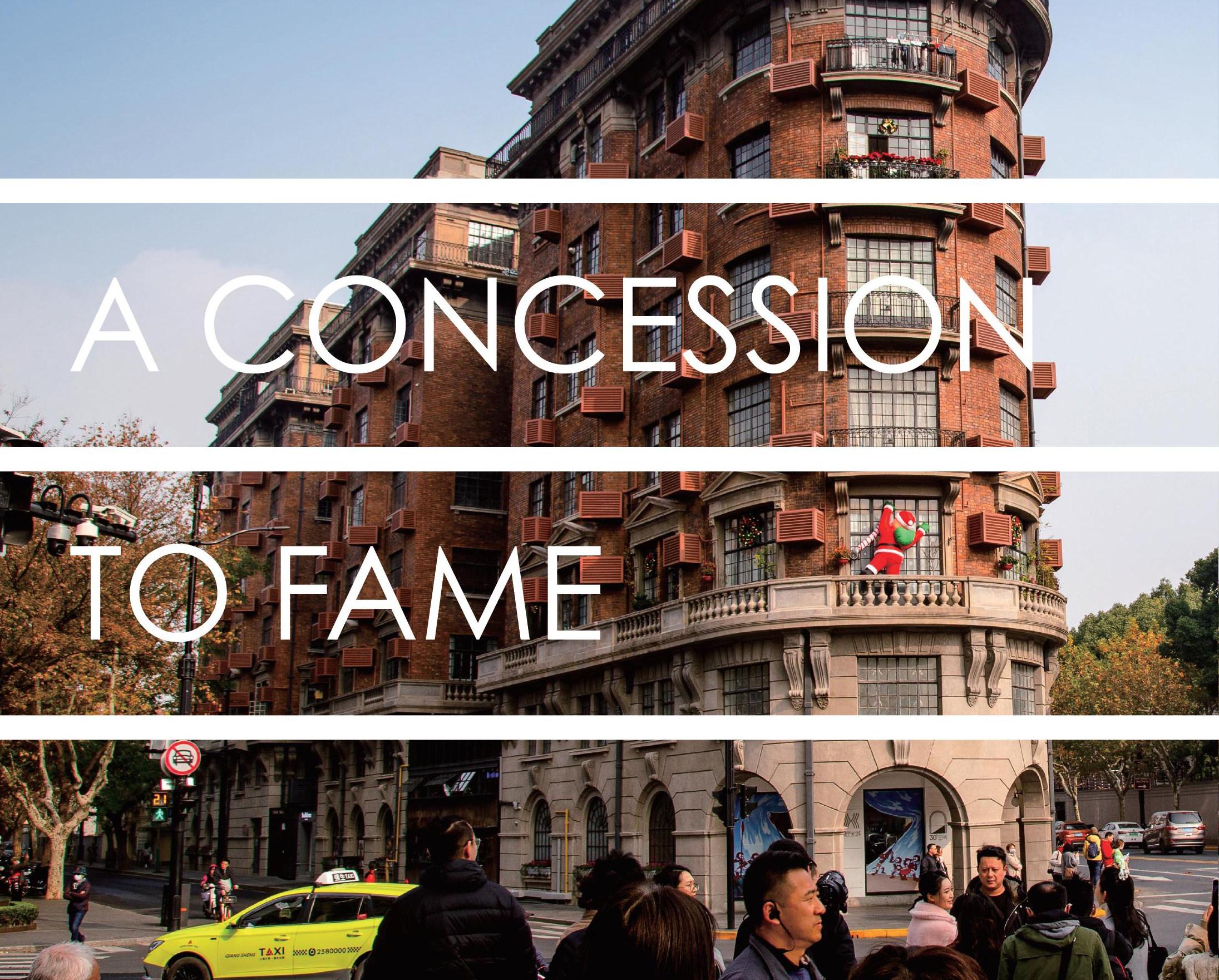
Shanghai’s picturesque former French Concession is attracting hordes of tourists, whose presence is raising rents and anxiety for locals
被“網紅街”攪亂的生活
For most of the last 40 years, ever since Ms. Wan moved to her apartment in a three-story 1930s terrace home on Shanghai’s Anfu Road, her daily routine has been constant: hang laundry on the rooftop, go downstairs to chat with her neighbors, and stroll over to buy the day’s fresh produce at the wet market on nearby Wulumuqi Road.
One day in early October, however, when she showed up to buy her usual batch of greens, Wan instead found herself in a crowd of chic young people. The luxury fashion house Prada was apparently hosting a pop-up event at the market, with meat, vegetables, and flowers in branded wrapping paper. As a staff member went around asking all visitors to scan a QR code, Wan, who is in her 60s, began to worry she wasn’t going to be allowed inside.
Wan’s experiences are not unique among longtime residents of her neighborhood. In June of this year, a viral article from WeChat account The Bund depicted uninvited tourists who scale walls, tailgate residents and couriers, or even dress up as food-delivery drivers to gain access to a historic apartment building on Yongfu Road.
Similarly, a news segment on Shanghai News Radio in early November quotes a resident of Changle Road, who says she has to take sleeping pills due to the noise coming from the bar downstairs of her apartment.
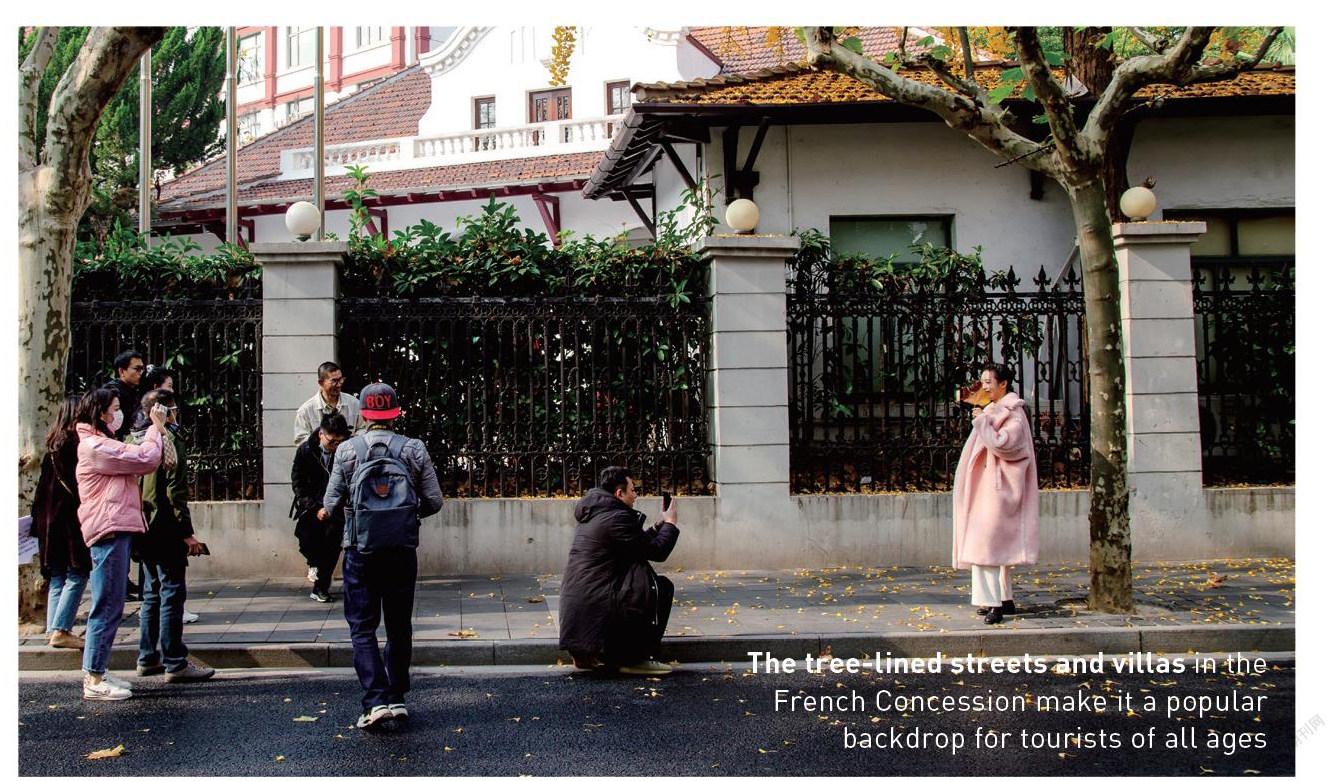
Located in Shanghai’s former French Concession, Anfu, Yongfu, Wukang, and Changle Roads, as well as the nearby Wulumuqi Road, are known for European-style mansions and Art Deco (石庫門), three-story terraced houses, that have become sought-after hangouts for the young, hip, and seemingly affluent.
The area has come to epitomize China’s (網紅, internet celebrity) culture—becoming not only the backdrop for enviable photos for social media, but also a brewing ground for an emerging bourgeois lifestyle that champions fancy brunches, upscale coffee, and maintaining a positive internet presence.
According to Xiaohongshu (also known as RED), the go-to app for young Chinese urbanites for travel and lifestyle inspiration, the search volume for “Anfu Road” increased 40-fold as of April 2021 compared to two years ago, and there had been a 354 percent increase compared to April in the previous year. The total number of posts on “Anfu Road” on the platform has reached over 44,000 at the time of writing, with 2,000 added just in the past week.
Businesses such as cosmetics retailer Harmay, the Italian clothing boutique Brandy Melville, and RAC coffee shop have sprung up to cater to these young visitors (Shanghai Dramatic Arts Center, another local landmark, has called the area home since 1995). Commercial rent in the area has skyrocketed—according to Chinese real estate data service platform China Real Estate Information Corp. (CRIC), as of July 2021, Xuhui district, where the former French Concession is located, posted the highest average year-on-year increase in rent among all the districts in Shanghai, reaching over 23 percent.
While boosting the revenue of the local economy and drumming up the commercial values of the district, the growing number of visitors has quietly altered the dynamics of the neighborhood. Longtime residents, business owners, and even themselves are questioning what makes the area attractive, and whether there’s room enough for them all.
On Xiaohongshu, a typical post about Anfu Road involves a fashionably dressed young woman having a beautifully plated avocado salad and holding up a seasonal latte, or posing in front of an Art Deco home that is deep in the alley.
To regulate tourist behavior, signs such as “Private Compound, No Entry” and “No Photos” have appeared in front of residential complexes in the former French Concession, but these do little to deter the intrepid explorers.
The viral article on The Bund cites a case where some strong-willed visitors once managed to find out the phone number of an elderly local resident, called him up, and pretended to be friends of his son in order to gain admission to his building. In the comment section under the article, readers share similar stories—one compares this kind of behavior with tourists who used to carve messages on the Great Wall.
The signs also can’t curtail the disruption to the public areas in the neighborhood. “At busy times, it takes more than 30 minutes for cars to drive through this block, which is supposed to be a one-minute drive,” says Wan of the frequent traffic jams on her street. “People taking photos often stand in the middle of the sidewalk and block the foot traffic.”
Similar congestion was seen on Wukang Road earlier this year, when an elderly resident in her 80s put up a pink bow on the balcony of her lane home that attracted more than 1,000 tourists to gather on the street during the Labor Day holiday in May. Eventually, the resident had to remove the decoration due to the disruption caused by tourists, some of whom even shouted “Grandma!” outside to get her attention and asked her to interact with the crowd.
Wan has been living on Anfu Road since she married her husband and moved in with his family in the 1970s. Unlike today, she says Anfu Road barely had any visitors back then and was a quiet home for writers, including Ba Jin (巴金). “I even got scared of my own shadow walking at night.”
Houses and apartments on Anfu Road, mostly built in the early 20th century, used to be the residences of important historic figures including former mayor of Shanghai K. C. Wu(吳國楨). In the last few decades, some of the houses have been converted into housing for workers of state-owned enterprises and the military.
It was around two years ago that Ms. Wan noticed an increasing number of unfamiliar faces in the neighborhood. She notes the crowds are largest before 7 p.m. on Saturdays and Sunday, and weekdays when the weather is good. One day, out of curiosity, she got into a line in front of Brandy Melville without any idea what the tourists were queueing up for: “Am I allowed to even line up here?” she asked the young lady behind her, worried.
A community volunteer with the surname Zhou, who has been patrolling the streets for a few years at Anfu Road, thinks the booming tourism scene is disruptive for locals, especially the elderly. “The percentage of residents who are over 80 years old is quite high in the surrounding apartment complexes,” he estimates.
According to the latest data from the Shanghai municipal government, Xuhui district ranks third-highest among the city’s total 16 districts for the percentage of residents over age 80, reaching 6.5 percent of the district’s total population.
“They are supposed to be at the age where they can enjoy a peaceful life, but the tourists are making it challenging for them to even walk on the streets,” Zhou continues, citing the safety hazards for the elderly as a result of overly packed streets.
Zhou has noticed that more and more small businesses catering to the tourists have sprouted up in the last two years—a few stores selling accessories, as well as coffee shops have chosen to open their businesses inside some of the historic apartment complexes, attracting even more young and affluent visitors to the neighborhood.
“There have been quite some noise complaints reported by residents,” says Zhou.
“It is like we live in two conflicting realities at the same time,” says Wan. “Outside of our compound, there are young stylish people lining up for hours to get into some stores, and inside the wall, there’s us—aging people who don’t know how to go on the internet with our phones, and barely know what ‘’ means.”
Li Xiangning, the dean of the College of Architecture and Urban Planning at Tongji University and an architecture critic, believes there are a couple of reasons behind the popularity of the district.
According to him, it not only shows that young people have started to appreciate heritage architecture and seek high-quality public spaces, but also reflects the “new consumption style and social media habits” adopted by the younger generation.
Li also thinks the high investment values of the former French concession area is another important reason explaining the proliferation of shops. “[The businesses are] usually backed by capital, and would hire high-end architecture and interior design firms,” explains Li.
The influx of tourists and capital, meanwhile, is driving up rent prices. Real estate agent Zheng Qun, who has 10 years of experience in the business and has run an agency on Anfu Road for around three years, says he sees a growing number of clients that fit the profile of online influencers—young, dressed up, and carrying designer bags—coming to ask about renting old in this area. “Some of them specifically ask about options around Anfu Road,” he says.
On the desks in Zheng’s agency, printouts of homes and apartments labeled as “ housing” are lying on a pile waiting to be pasted over the front door. “More locals are leaving this neighborhood if they have a choice, because this area is getting noisier, the apartments don’t have elevators, and homeowners can get a good deal if they sell the property,” he says. “I expect the rent will keep rising.”
The premises of Zheng’s real estate agency were previously rented out to a small nail salon that was forced to move out as a result of the rising costs, he says.
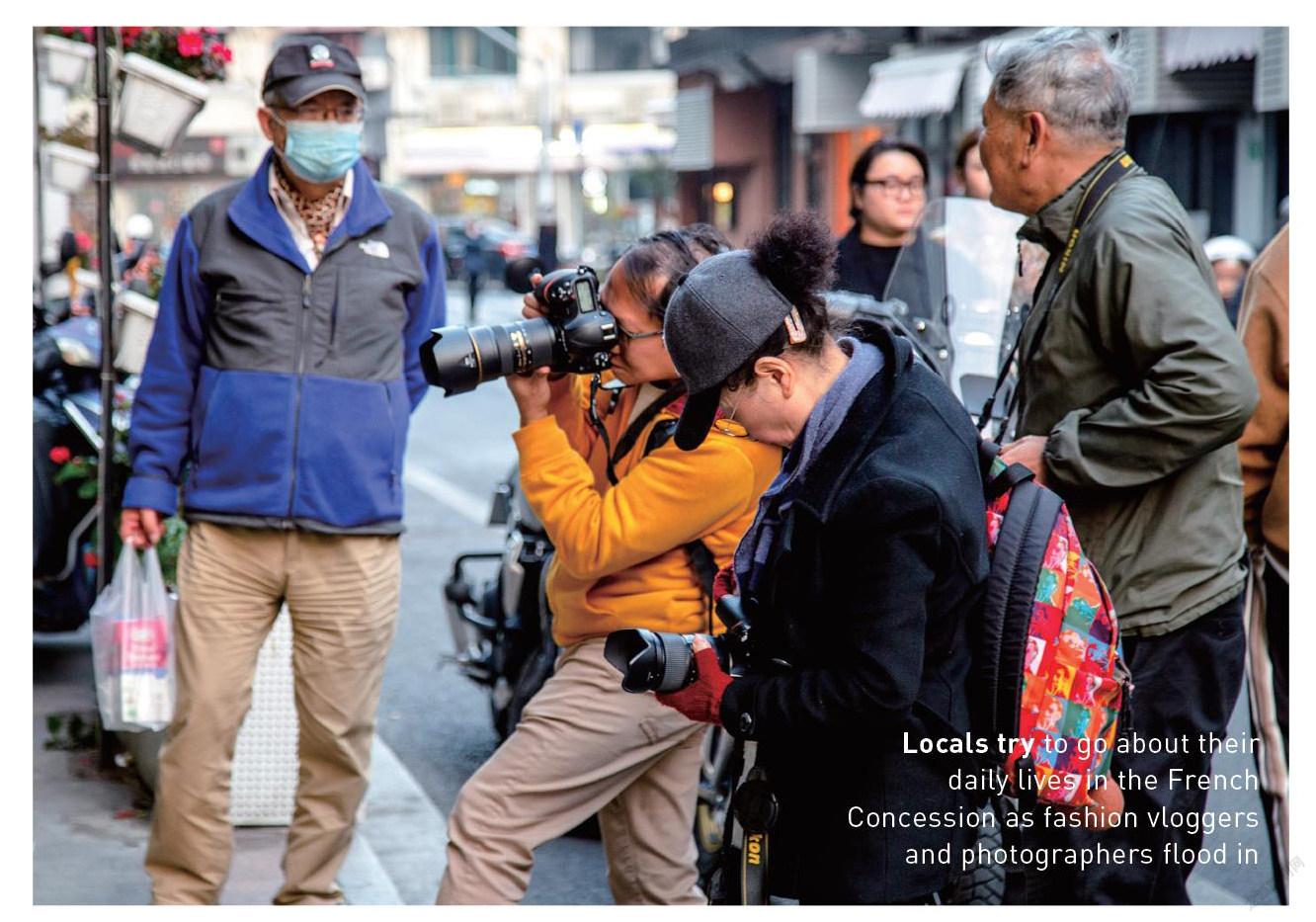
On a casual stroll into the neighborhood, one finds influencers from Xiaohongshu and Douyin, street photographers, and retail models attracting eyeballs in the crowd.
A 25-year-old female model, whose online username is “Eryue,” says she has come to Anfu Road every weekend since 2019 to take photos for different online clothing shops on Taobao, traveling 1.5 hours each way by high-speed train from her home in Hangzhou. “Today I have in total 10 outfits in my task list,” she tells TWOC.
Fu Gaoyang, a photographer with over eight years’ experience in fashion shoots, believes the popularity of the neighborhood has given rise to the street photography scene in Shanghai, which has started to boom since the Covid-19 pandemic caused travel restrictions and has even intensified during 2021.
“Even earlier this April [2021], there were not really any street photographers here. But look, there are at least five currently,” says Fu, pointing to a group of photographers standing at different corners of the Anfu Road and Wukang Road intersection taking photos of passersby wearing stylish outfits.
Locals complain, though, that most visitors’ interest in the neighborhood is superficial. “Most visitors don’t seem to be interested in the history of this block,” says Zhou. “Only a few people would reach out and ask [me] about the history behind the buildings, while a majority of them just pose for photos and hang out.”
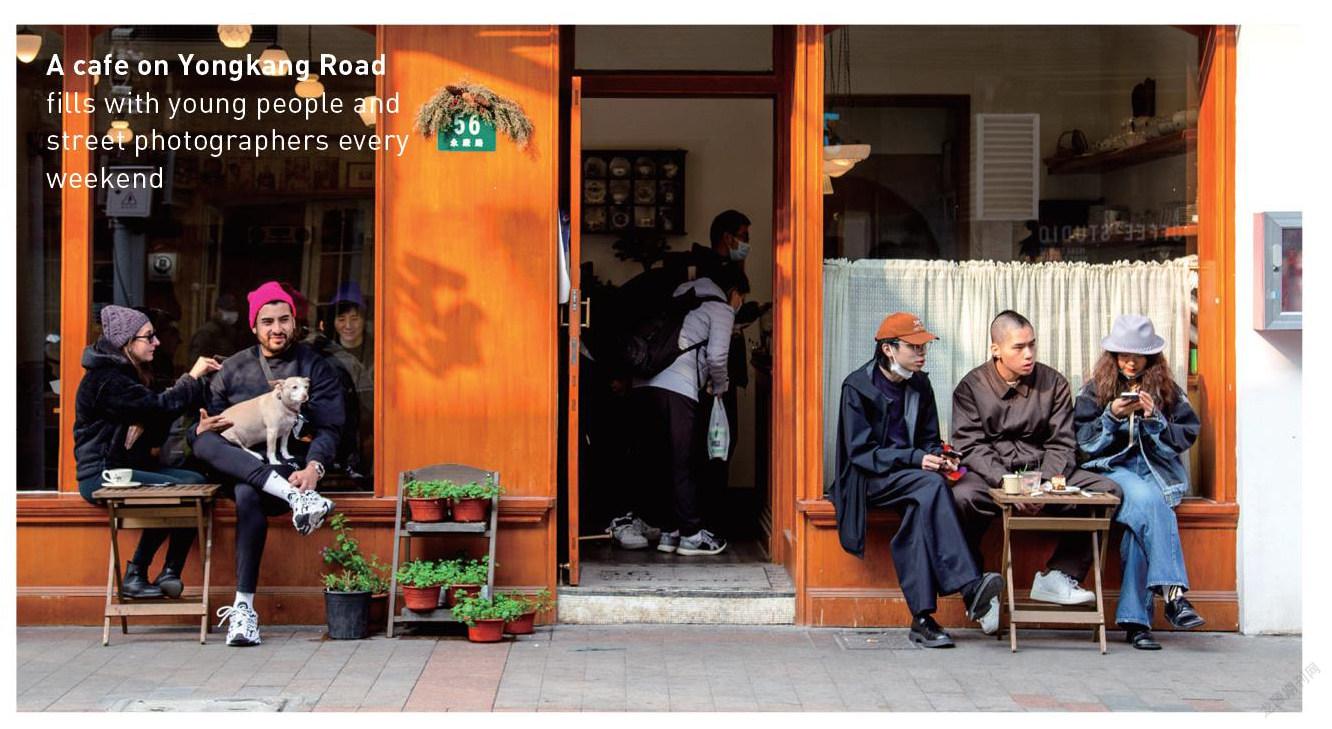
With an open-air cafe on the first floor, cosmetics shop Harmay believes it is creating space for the community. “We hope locals living by the area would carry their chairs, bring their pets and have some chill time with friends and family,” a staff member tells TWOC.
However, the reality seems to fall short of these visions. The staff member admits that less than 30 percent of customers are locals, and even those might be the younger residents moving into the neighborhood.
Wan, despite complaining about the inconveniences created by tourists, is optimistic about recent developments. “I think this is a sign of societal development. Economic revitalization is a good thing. I just wish tourists could be more aware of their surroundings and behaviors during their visits,” she says.
Likewise, labeling the tourism a “happy annoyance,” Zhou hopes tourists can make more effort to learn about the history of the neighborhood, keep noise to a minimum, and not block the sidewalks. Until then, no amount of Prada shopping bags and tourist cash can make up for a lack of respect.
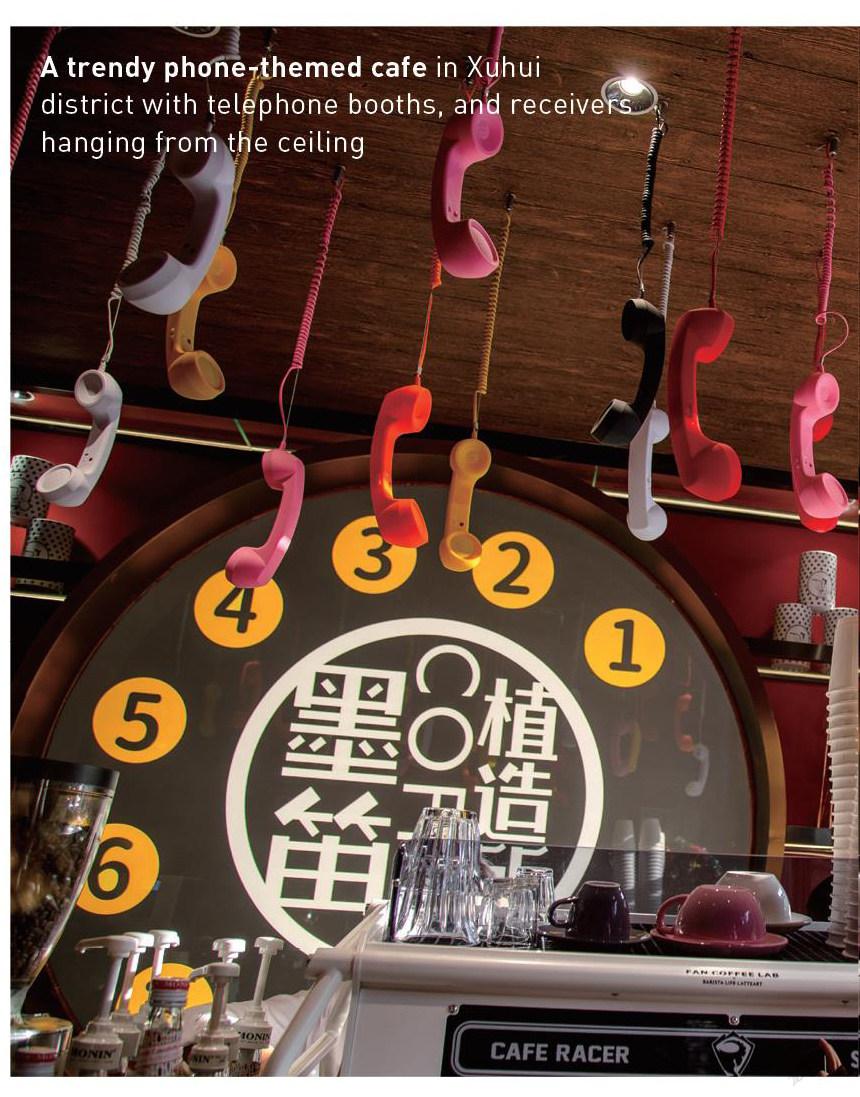
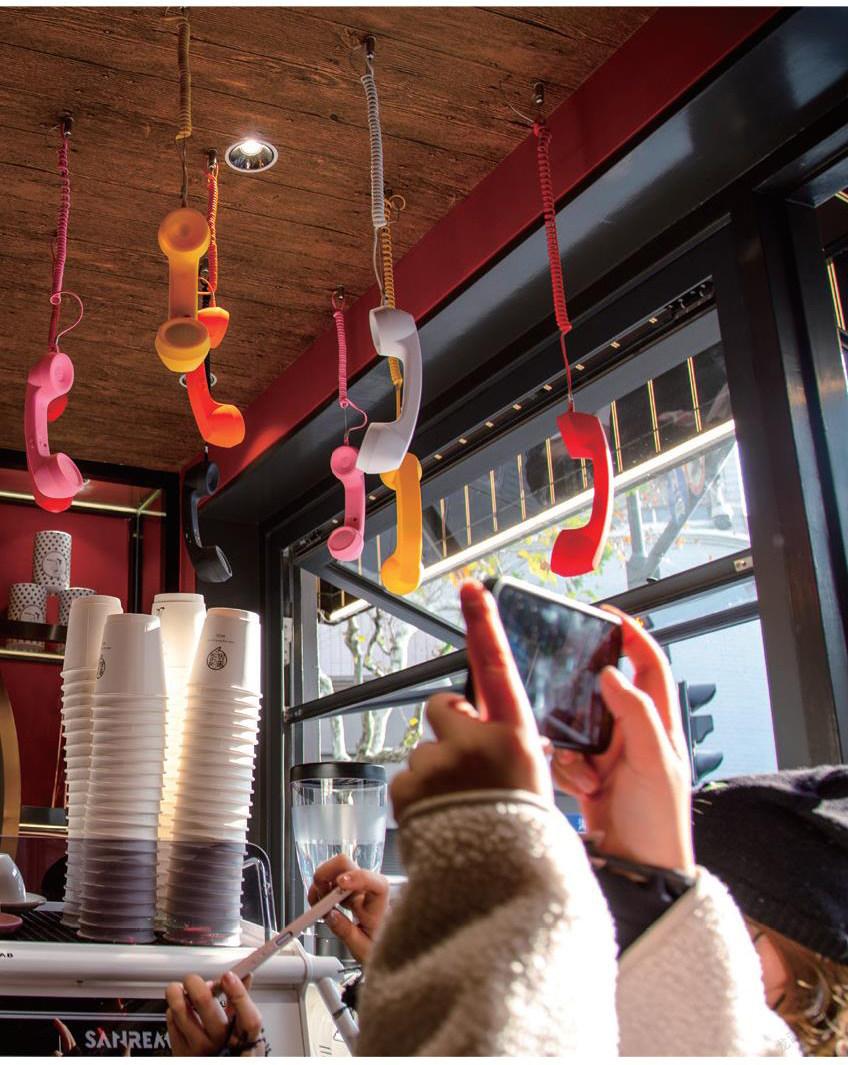
Dozens of trendy coffee shops have sprung up in the former French Concession to cater to young tourists
A?trendy?phone-themed?cafe?in?Xuhui district with telephone?booths,?and?receivers hanging?from?the?ceiling
Locals try to go about their daily lives in the French Concession as fashion vloggers and photographers flood in
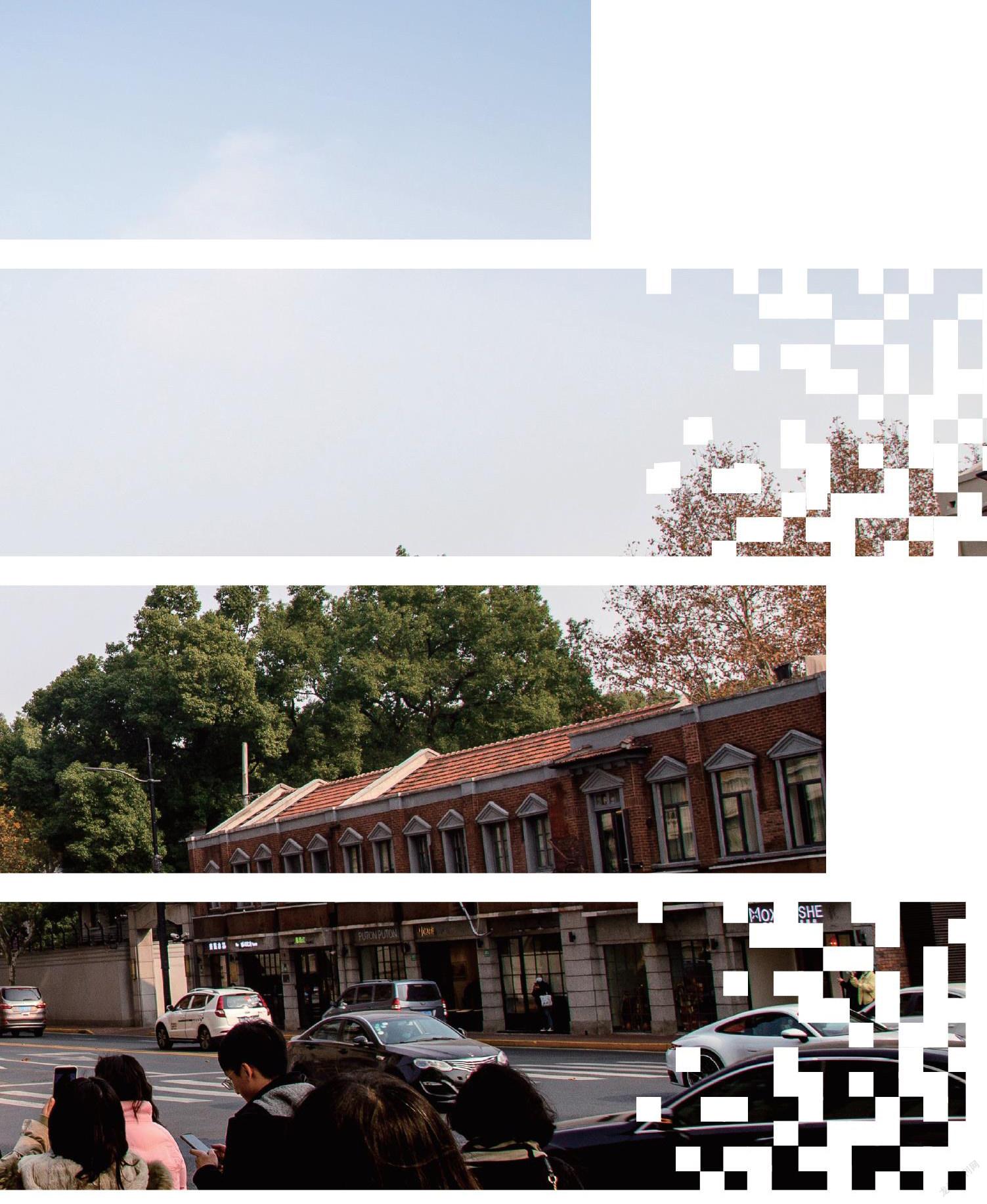
The?tree-lined streets and villas in the French Concession?make it a popular backdrop for?tourists of?all?ages
A?cafe?on?Yongkang?Road fills with?young?people?and?street?photographers every weekend
猜你喜歡
風流一代·經典文摘(2018年1期)2018-02-22 09:00:43
黨的生活(黑龍江)(2017年12期)2017-12-23 17:01:20
求學·文科版(2017年10期)2017-12-21 11:55:48
求學·理科版(2017年10期)2017-12-19 13:42:05
民生周刊(2017年19期)2017-10-25 07:16:27
少年博覽·小學高年級(2016年12期)2017-01-16 12:48:35
特別文摘(2016年19期)2016-10-24 18:38:15
爆笑show(2016年3期)2016-06-17 18:33:39
37°女人(2016年5期)2016-05-06 19:44:06
爆笑show(2016年1期)2016-03-04 18:30:28
 漢語世界(The World of Chinese)2022年1期
- 漢語世界(The World of Chinese)的其它文章
- On the Character: 動
- No Excuses
- Rough Cut
- When China Goes on the Road
- A New Way of Seeing
- 學中文