
The association between self-care management practices of patients with diabetes and their demographic factors in Makkah,Saudi Arabia
2022-02-15 04:54:20SaharMohammedAlyFatenMohammedIslamGhazaileJameelKhayat
Nursing Communications 2022年13期
Sahar Mohammed Aly,Faten Mohammed Islam,Ghazaile Jameel Khayat
1Faculty of Nursing, Port Said University, Port Said 42526, Egypt. 2Faculty of nursing Umm Al-Qura University, Makkah 24382, Saudi Arabia. 3Makkah Health Cluster,Makkah 7853,Saudi Arabia. 4Makkah King Faisal Hospital,Makkah/Eskan 11211,Saudi Arabia.
Abstract Background: Patient care management behavior in diabetes is an essential component of maintaining diabetes under control, and roughly 95% of illness management is typically undertaken by the patients themselves and/or their families. This study aimed to identify the association between self‐care management practices of patients with diabetes and their demographic factors within the last three months. Methods: The design of this study was cross‐sectional. 150 participants from four different hospitals in the Makkah region, Saudi Arabia participated in the study. Descriptive statistics, independent t‐tests, and one‐way analysis of variance were used to measure differences in self‐care management practices concerning patients’ demographic factors. Results: The results of the study showed that there were no significant differences in the mean score of five areas of self‐care management patients’ practices regarding diet, exercise, foot care, testing blood sugar, and medication concerning their gender (P >0.05), employment status (P >0.05), their marital status(P >0.05), their income (P >0.05), and comorbidities (P >0.05). There was also no significant difference in the mean score of patients’ HgbA1c and demographic factors.However, patients with diabetes who have a university education have significantly higher mean scores of testing blood sugar than patients with diabetes who have below secondary school (P = 0.019). Conclusion: Although the study reported no significant differences in the mean score of self‐care practices of patients with diabetes regarding their gender,income, age, education (except testing Blood Sugar), marital status, income, and employment status. This is still needed to counsel and educate every patient regarding reasonable glycaemic control as the study included participants with poor diabetic control(HbA1c >7). Furthermore, it is recommended to replicate the study with a large sample size to explore the significant differences.
Keywords:diabetes; self‐care management practices; glycemic control;Saudi Arabia
Introduction
Diabetes is a leading cause of morbidity and mortality around the world. If it is not correctly recognized and controlled, it can lead to various chronic complications that can end in irreparable impairment or death. Diabetes prevalence is expected to reach 9.3% worldwide in 2019, with estimates for 2030 and 2045 indicating that it will rise to 10.2% and 10.9%, respectively [1]. Furthermore, patient care management behavior in diabetes is an essential component of maintaining diabetes under control [2]. In the case of long‐term conditions,self‐care always refers to the individual’s ability to manage the symptoms, treatment, physical and psychosocial impacts, and lifestyle changes inherent to the illness. Patients with long‐term conditions like diabetes are expected to be responsible for self‐managing their disease and coping with the consequences of the illness,which has a significant impact on their lives[3].
To achieve better health outcomes, patients with diabetes must follow their meal plan daily, lose weight if they are overweight or obese, engage in appropriate physical activities, and monitor their blood glucose levels regularly. In addition, patients also need to make decisions about their diet adjustment, physical activity level, or medication dosage to avoid hypoglycemia or hyperglycemia episodes[4]. However, patients must be taught the correct technique to self‐monitor their blood glucose because many studies have revealed that up to 50% of patient‐generated Blood Glucose Monitoring results are inaccurate. A survey in Ethiopia aimed to assess self‐care practice and its associated factors among patients with diabetes revealed that the least performed self‐care management practices were blood glucose testing[5].
Patients with diabetes mellitus (DM) need to receive proper education on taking medication correctly to prevent further disease progression and avoid complications. The results of previous studies reported that medication taking was the most frequently performed self‐care management practice [6]. Patients with DM are more likely to have foot ulcers than people without the condition. This complication is the most expensive complication of DM in terms of treatment costs, and in severe cases, it leads to amputation of the lower extremities [7].
Many factors may contribute to the differences in adherence to diabetic self‐care management practices. Various demographic factors appear to influence different self‐care practices. For instance, the literature suggests that gender differences may influence self‐care,and males exhibit significantly higher self‐care than females. Educational level is also significantly associated with adherence, such that the higher the education level, the better the adherence to treatment regimes. Medical background, such as the illness's duration and complications, are also essential factors that influence diabetes self‐care [5].
Operational definition, self‐care has been defined as “the ability to care for oneself through awareness, self‐control, and self‐reliance to achieve, maintain, or promote optimal health and well‐being”. [3]
Mosleh, Jarrar, Solhi and Hazrati found a significant difference between marital status and the level of patients’ following a healthy diet, testing blood glucose, following recommended exercise, foot care,taking recommended medications,quit smoking[8,9].A paucity of literature shows the self‐care practices among patients with diabetes in Saudi Arabia. Therefore, this study aimed to identify the association between self‐care management practices of patients with diabetes and their demographic factors within the last three months.
Methods
This study’s design was cross‐sectional, 150 participants from four hospitals in the Makkah region, Saudi Arabia participated. The hospitals include Al Noor Hospital, King Faisal Hospital, King Abdul‐Aziz Hospital and Hira Diabetic center. The systematic random sampling technique was utilized for sampling purposes and data collection.
All the participants with diabetes, aged 18 years and over, were included in the study. However, pregnant women with gestational diabetes and participants aged <18 years were excluded.
The sample size was calculated using the Stephen Thompson formula [10]. Based on the number of patients diagnosed with diabetes in the year 2021 in the Makkah healthcare setting, N = 250,confidence interval 95%, Alpha = 0.05, and power = 0.8 were used.The calculated sample size obtained was 150 diabetic participants.
The self‐administered and validated questionnaire was used for data collection [11]. The first part of the questionnaire consists of demographic information, and the second part of the questionnaire consists of 5 parts: diet (5 items), exercise (2 items), blood sugar testing(5 items),foot care (5 items), and medication (3 items).
The Statistical Package for the Social Sciences version 26 was used for statistical analysis.Descriptive statistics,frequency and percentage were presented in the results. Independent t‐tests and one‐way ANOVA were used to measure differences in the level of self‐care management practices and patient demographic factors.
The ethical approval was taken from the Faculty of Nursing Ethical Committee at Um Al Qura University and all four Makkah hospitals(H‐02‐K076‐0222‐675). Informed consent was taken from each participant, and their information was kept confidential.
Results
Sample distribution according to the participants’ demographic factors
Table 1 shows the distribution of study participants according to their gender, age groups, education, and income. Moreover, 79.3% of participants are married, 15.3% are widowers/widows, and the rest(5.4%) are singles.The majority(86.0%) of participants in the current study are employed, while 14.0% are considered not employed.
Differences in the level of self-care management practices concerning patients’demographic factors
Table 2 shows no significant differences in the mean score of patients’practices regarding diet, exercise, foot care, testing blood sugar, and medication concerning their gender (P>0.05). This means that male and female diabetic patients have no significant differences in self‐care management practices in these five areas.
Table 3 shows no significant differences in the mean score of patients’ practices regarding diet, exercise, foot care, testing blood sugar, and medication concerning their age(P>0.05), which means that different age groups of diabetic patients have no significant differences in their practices in these five areas of self‐care management practices.Table 4 shows no significant differences in the mean score of patients’ practices regarding diet, exercise, foot care, and medication regarding their education(P> 0.05). This means that different educational levels of diabetic patients have no significant differences in their practices in these five areas of self‐care management practices.On the other hand, there is a significant difference in the mean score of patients’ practices regarding testing blood sugar regarding their education (P>0.05). The post hoc Tukey test showed the difference between the university and below secondary, which means that diabetic patients with a university education have significantly higher mean scores testing blood sugar than diabetic patients below secondary school.

Table 1 Demographic and professional characteristics of the participants’(Gender, Age, Education and Income (n= 150))
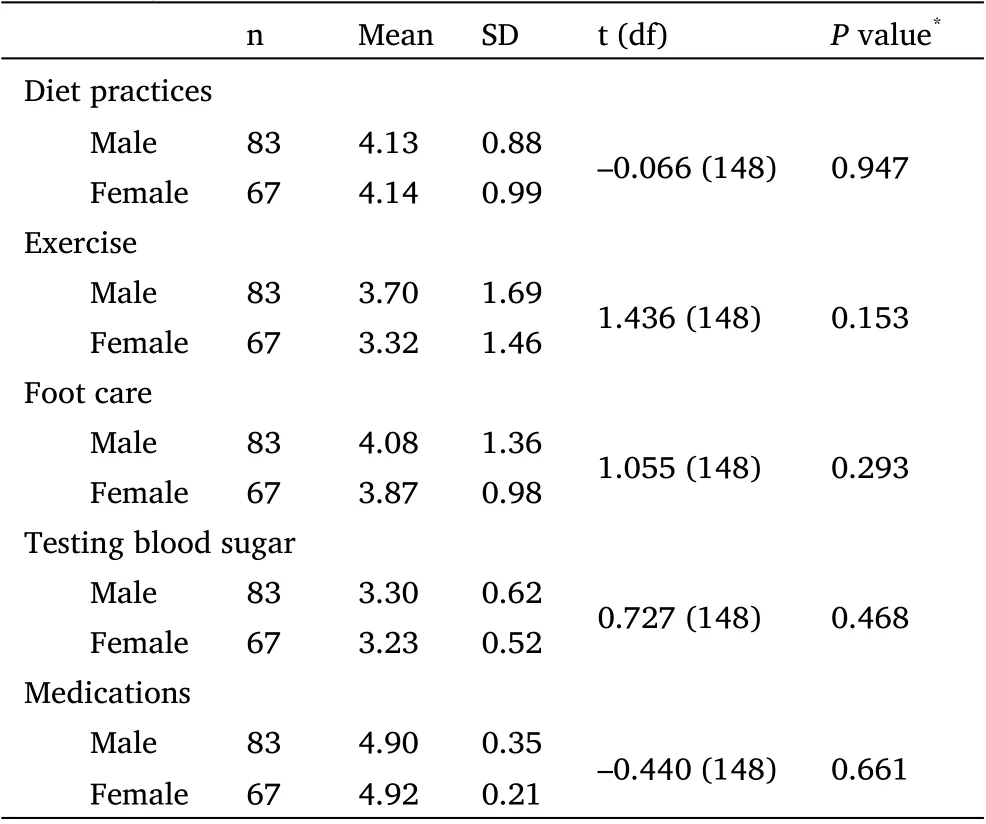
Table 2 Differences in the level of diet practices with regard to patients’ gender
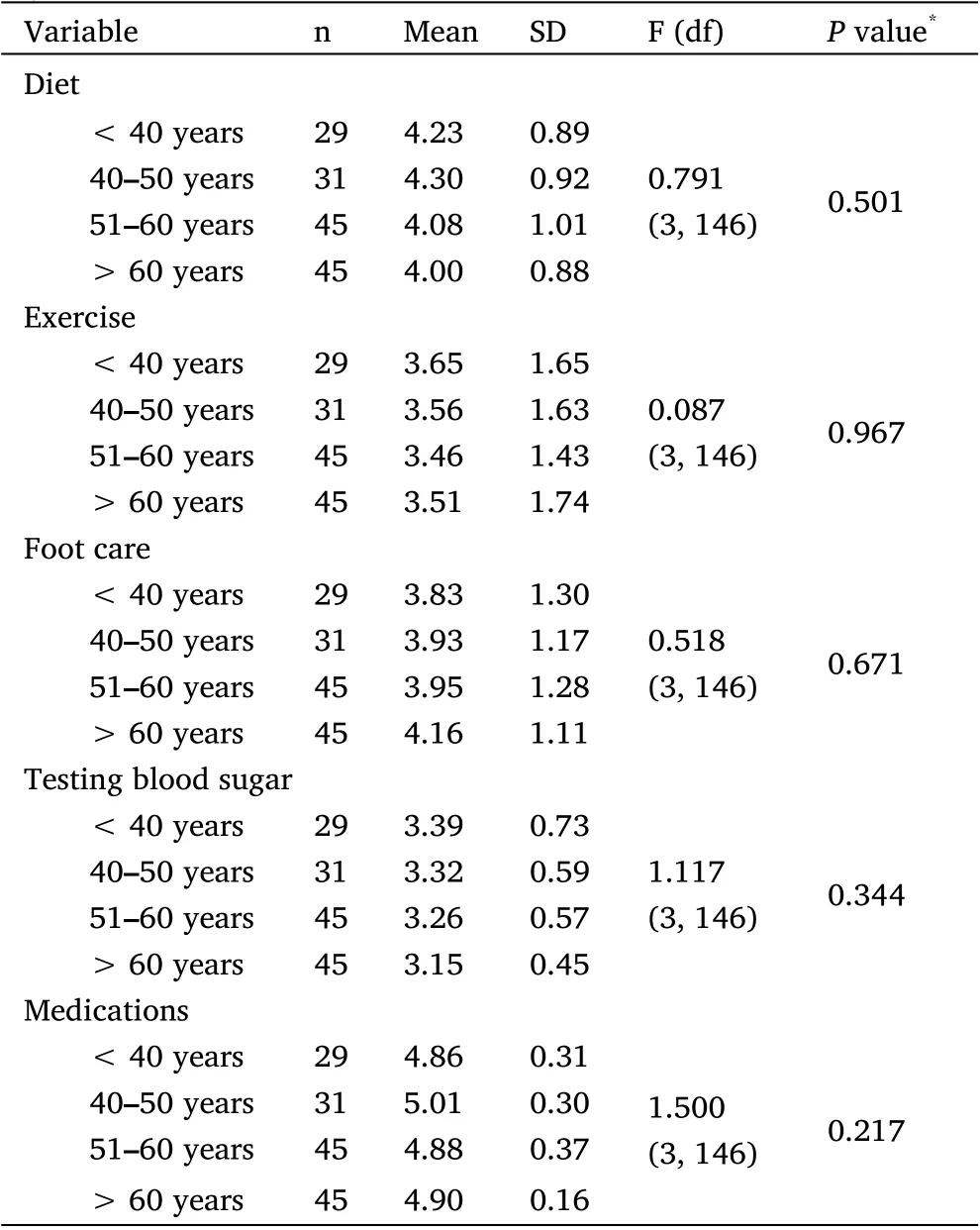
Table 3 Differences in patients’self-care practices regarding their age
Table 5 shows no significant differences in the mean score of patients’ practices regarding diet, exercise, foot care, testing blood sugar,and medication concerning their marital status(P>0.05).This means that diabetic patients’ marital statuses have no significant differences in their practices in these five areas of self‐care management practices.

Table 4 Differences in patients’ self-care practices about their education
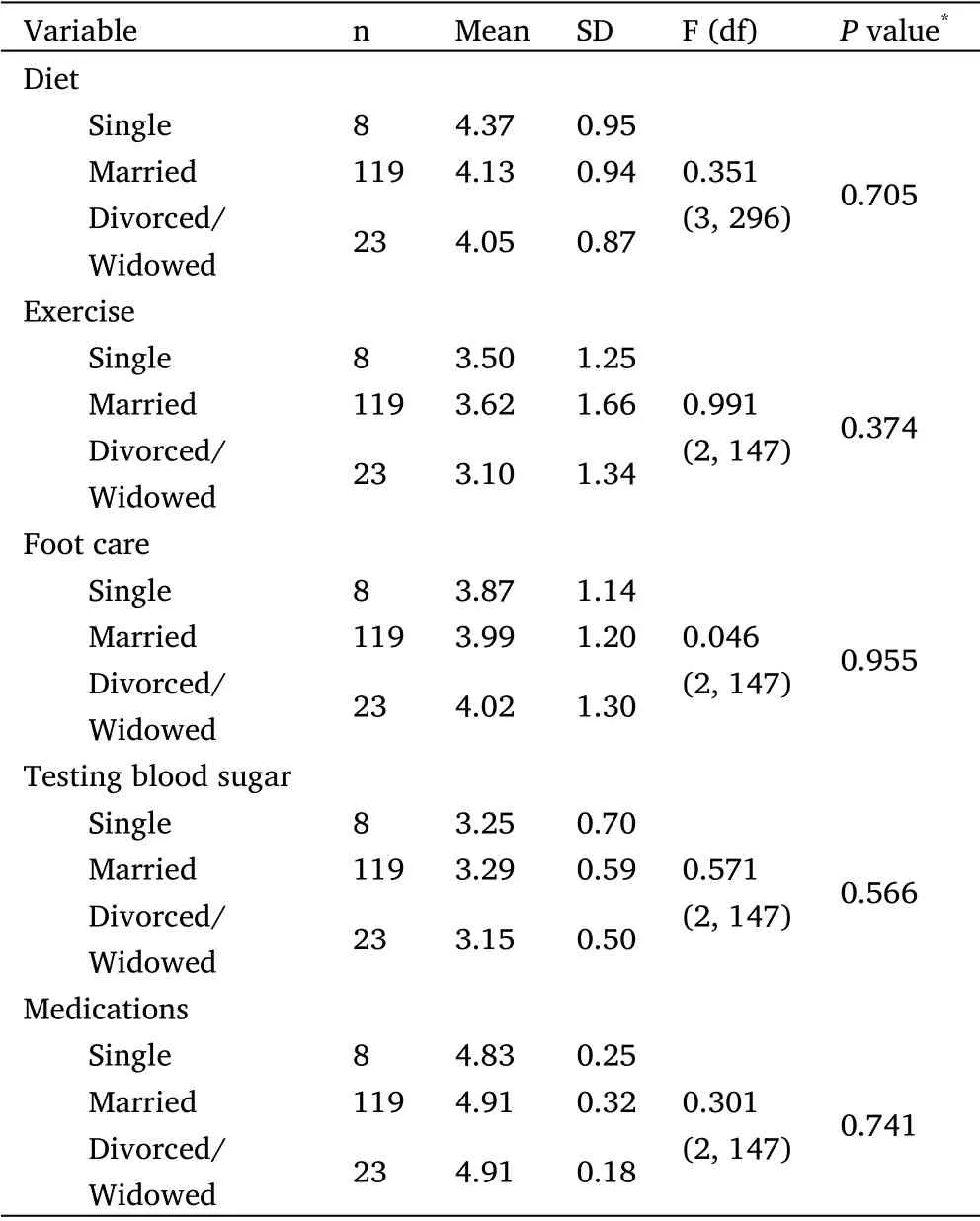
Table 5 Differences in patients’self-Care practices regarding their marital status
The table 6 shows that there are no significant differences in the mean score of patients’ practices regarding diet, exercise, foot care,testing blood sugar, and medication concerning their income (P>0.05), which means that different income levels of diabetic patients have no significant differences in their practices in these five areas of self‐care management practices.
The table 7 shows that Different comorbidities groups of diabetic patients have no significant differences in their practices in these five areas of self‐care management practices (P>0.05).
The table 8 shows no significant differences in the mean score of patients’ practices regarding diet, exercise, foot care, testing blood sugar,and medication concerning their employment status(P>0.05).Meaning that the employment status of diabetic patients has no significant differences in their practices in these five areas of self‐care management practices.

Table 6 Differences in patients’self-care practices regarding their income
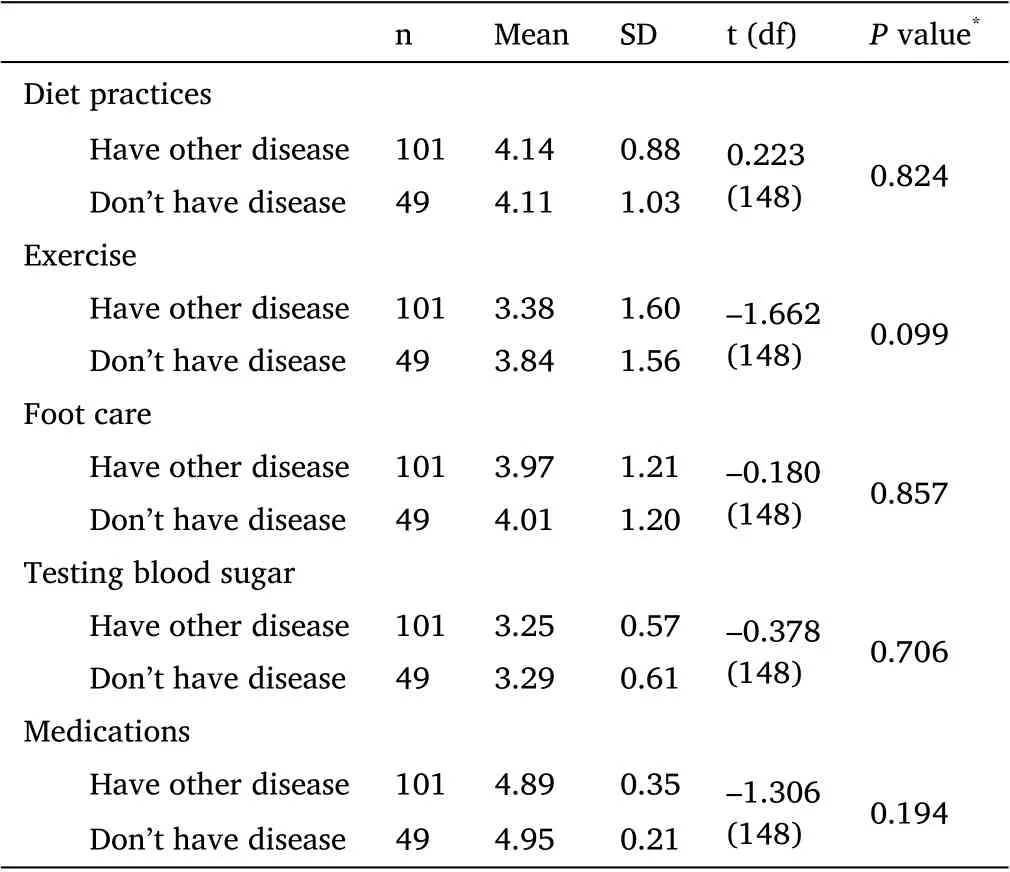
Table 7 Differences in the level of self-care management practices regarding patients’ comorbidity
The table 9 shows no significant difference in the mean score of patients’ HgbA1c concerning their gender (P>0.05). In addition,there is no significant difference in the mean score of patients’HgbA1c concerning their education (P>0.05). Furthermore, there is no significant difference in the mean score of patients’ HgbA1c regarding their age (P>0.05). Moreover, there is no significant difference in the mean score of patients’ HgbA1c regarding their income (P>0.05).
The table also shows no significant difference in the mean score of patients’ HgbA1c regarding their marital status (P> 0.05). In addition, there is no significant difference in the mean score of patients’ HgbA1c regarding their employment(P>0.05).

Table 8 Differences in self-care management practices regarding patients’ employment

Table 9 Differences in patients’ HgbA1c regarding their demographic factors
Furthermore, there is no significant difference in the mean score of patients’ HgbA1c regarding their comorbidities(P>0.05).
Discussion
The study aimed to evaluate the level of self‐care management practices of diabetic patients in Makkah within the last three months.The study results showed that male and female diabetic patients have no significant differences in their practices in these five areas of self‐care management practices. In contrast, a study found significant differences between males and females in terms of taking medication,in which more female patients reported taking their medication than males[12].This could be explained by the fact that males being out of the home more frequently,forget to take their medications more often,while most females are housewives, which makes it easier for them to take their medications throughout the day. Likewise, a study in Saudi Arabia found that female patients demonstrated higher adherence to medication than males [13]. Regarding gender and diet, the current study results are inconsistent with Alsomali (2019) results, which found significant differences in diet adherence, exercise regimes, and testing blood sugar levels between males and females.
The different age groups of diabetic patients have no significant differences in their practices in these five areas of self‐care management practices (diet, exercise, foot care, testing blood sugar,and medication). The current study results are consistent with the results of Alsomali,they found that age was not significantly related to any diabetes self‐care activities [12]. Similarly, Kurnia, Amatayakul,Al Johani,and Kendall showed no significant differences between age groups concerning all dimensions of self‐care management practices[11, 14]. Different results could be attributed to differences in sample and sampling design,and it could be attributed to the place of study.A recent study reported that 72% of patients with diabetes have poor knowledge, and 63% have poor practices related to diabetes foot care[15].
Diabetic patients with a university education have significantly higher mean scores for testing blood sugar than diabetic patients who are illiterate. The current study results are not like what has been revealed by Alsomali (2019), which revealed that exercise had been associated with the educational level of patients, while it was similar in other variables,such as testing of blood glucose[12].The results of the current study regarding testing of blood sugar levels could be attributed to the fact that with an increase in the educational level,the patients become more oriented toward disease and its complication;thus, with an increase in educational level, testing blood sugar increased. A recent study conducted in Nepal reported that illiterate patients with diabetes have significantly triple odds of poor self‐care practices as compared to literates (P<0.05) [16]. The results of the previous study revealed that most(92.5%)of the diabetic patients had good compliance for medication,72%of them had compliance for diet,and only 27.75% of them had compliance for walking, while 24.25%practiced foot care. Also, this study revealed that blood glucose monitoring was done by 24.75% of the patients. The study concluded that diabetic patients have more compliance with medication and diabetic diet and have less compliance for physical activity, foot care and self‐glucose testing [16].
There were no significant differences in the mean score of patients’practices regarding diet, exercise, foot care, testing blood sugar, and medication regarding their income (P>0.05). In consistent, another study showed that income does not affect the self‐care management practices of diabetic patients [12]. The results of the current study could be attributed to the increase in the person’s income; might lead the person to think of more than one choice. Thus he/she becomes more interested in preventive measures and he/she becomes more interested in commitment for the medication and treatment plans.
The current study did not find a significant difference in the mean score of patients’ HgbA1c regarding their demographic factors.However, a similar result was noted in another study, which showed that the mean score of HgbA1c is significantly not different concerning patients’ education [17].
There are some limitations of the study. First, the nature of the study(cross‐sectional), we cannot comment on the causal relationship between the variables. Second, the study was only conducted in one city; therefore, generalizability can be interpreted cautiously.
In conclusion,although the study reported no significant differences in the mean score of self‐care practices of diabetic patients regarding their gender, income, age, education (except testing blood sugar),marital status, income, employment status, and comorbidity. But this may be due to the small sample size. This is still necessary to counsel and educate each patient regarding reasonable glycaemic control as the study included participants with poor diabetic control (HbA1c >7).Furthermore,it is recommended to replicate the study with a large sample size to explore the significant differences.
 Nursing Communications2022年13期
- Nursing Communications的其它文章
- Nurses’ knowledge and skills concerning cardiopulmonary resuscitation: a descriptive study
- Surgical operation of a massive retroperitoneal tumor
- Progress in the application of Meleis transition theory in the nursing field
- Importance of teamwork communication in nursing practice
- From the perspective of traditional Chinese medicine nursing in the context of COVID-19
- Surgical first aid and nursing care of a parturient with massive hemorrhage in natural delivery