
Work-related musculoskeletal injuries among upper extremity surgeons: A web-based survey
2021-11-22 01:30:44MohammadAlzahraniSaadAlqahtaniDavidPichoraRyanBicknell
World Journal of Orthopedics
2021年11期
Mohammad M Alzahrani, Saad M Alqahtani, David Pichora, Ryan Bicknell
Mohammad M Alzahrani, Saad M Alqahtani, Department of Orthopaedics, Imam Adulrahman Bin Faisal University, Dammam, KSA 34212, Saudi Arabia
David Pichora, Ryan Bicknell, Department of Orthopaedics, Queens University, Kingston K7L 3N6, Canada
Abstract BACKGROUND Work-related injuries have gained recent attention, especially in the orthopaedic literature. As upper extremity orthopaedic surgical tasks require repetitive and constant maneuvers, these surgeons can be at increased risk of acquiring workrelated musculoskeletal (MSK) disorders during their years in practice.AIM To assess the prevalence, characteristics and impact of MSK disorders among upper extremity orthopaedic surgeons.METHODS A modified version of the physical discomfort survey was sent to surgeons who were members of the American Shoulder and Elbow Surgeons and the Canadian shoulder and elbow society via e-mail. The collected data were analyzed using descriptive statistics, one-way analysis of variance, and Fisher's exact test. P values of < 0.05 were considered statistically significant.RESULTS Of the 142 respondents, 90.8% were males and the majority were younger than 55 years old (65.5%). A work-related MSK injury was reported by 89.4% of respondents, of which the most common diagnoses were low back pain (26.1%) and lateral elbow epicondylitis (18.3%). Among those that reported an injury, 82.7% required treatment and 26% required time off work as a direct result of their injury. The need to undergo treatment due to the injury was associated with increased number of injuries (P < 0.01). Moreover, surgeons were more likely to require time off work when they had been in practice for > 21 years (P < 0.05).CONCLUSION A high proportion of surgeons in our survey reported MSK injuries, with more than one quarter of surgeons reported requiring time off work due to an MSK injury. The high incidence of these disorders may place a financial and psychological burden on surgeons and affect their ability to provide patient care. Awareness of operative ergonomics, irrespective of surgical specialty may help to decrease or possibly prevent the occurrence of these disorders.
Key Words: Upper; Extremity; Surgeon; Prevalence; Musculoskeletal; Disorders
INTRODUCTION
Healthcare professionals are exposed daily to occupational hazards in their work environment, which can be chemical, radiation, psychological or musculoskeletal (MSK)[1-3]. The latter has gained increased attention in the medical literature due to its high prevalence in physicians, especially surgeons, in addition to its significant impact both physically and psychologically on the physician and thus health care system in general[4-6].
While all surgeons have been found to have an increased risk of sustaining work related MSK disorders, recent studies have shown that the orthopaedic surgeon is at an even increased risk[2,6-8]. Repetitive and constantly forceful surgical tasks have been identified as the major contributing factor to their increased prevalence in orthopaedic surgeons. In addition, these MSK disorders can involve multiple regions, including the lower back and both upper and lower extremities.
Improving operative room setup and ergonomics, in addition to implementing safe workplace recommendations can lead to a decrease in the incidence of these injuries[9-11]. Multiple hurdles have been identified that prevent specific ergonomic setups or hinder executing work space recommendations, which may contribute to the lack of decline of these MSK disorders in the healthcare profession population[12-13].
We performed a study to investigate the prevalence and characteristics of MSK disorders among upper extremity orthopaedic surgeons. In addition, we assessed for any associated risk factors and explored the impact of these injuries on the upper extremity surgeon’s practice.
MATERIALS AND METHODS
A modified version of the physical discomfort survey was sent to surgeons who were members of the American Shoulder and Elbow Surgeons and the Canadian shoulder and elbow societye-mail. The initial email was sent in June 2016, followed by a reminder email in December 2016, and survey collection was ended in June 2017.
The survey contained questions related to the surgeons demographics (age, gender, hand-dominance, type of practice, number of years in practice and annual caseload), which were divided into groups guided by previously published similar studies. Also, the survey contained questions exploring work related MSK injuries, these were divided into anatomical regions, including neck, shoulder, elbow/forearm,wrist/hand, hip, knee, foot and ankle, low back. In addition, participants were asked about both treatments required and time off work required due to the reported injuries, if any.
The collected data were analyzed using descriptive statistics, one-way analysis of variance, and Fisher’s exact test.values of < 0.05 were considered statistically significant.
RESULTS
One hundred and forty-two surgeons responded to the survey, with a respondent rate of 12.5%. Of the 142 respondents, 90.8% were males and 9.2% were females (Table 1). Hand dominance was right in 122 and left in 20 respondents (Table 1). More than 60% of the respondents were younger than 55 years old (Figure 1). The majority of responding surgeons were within their first 20 years of practice (Figure 2). We found that above half of the respondents were in academic practice, 23.2% in community practice, 18.3% in private practice.
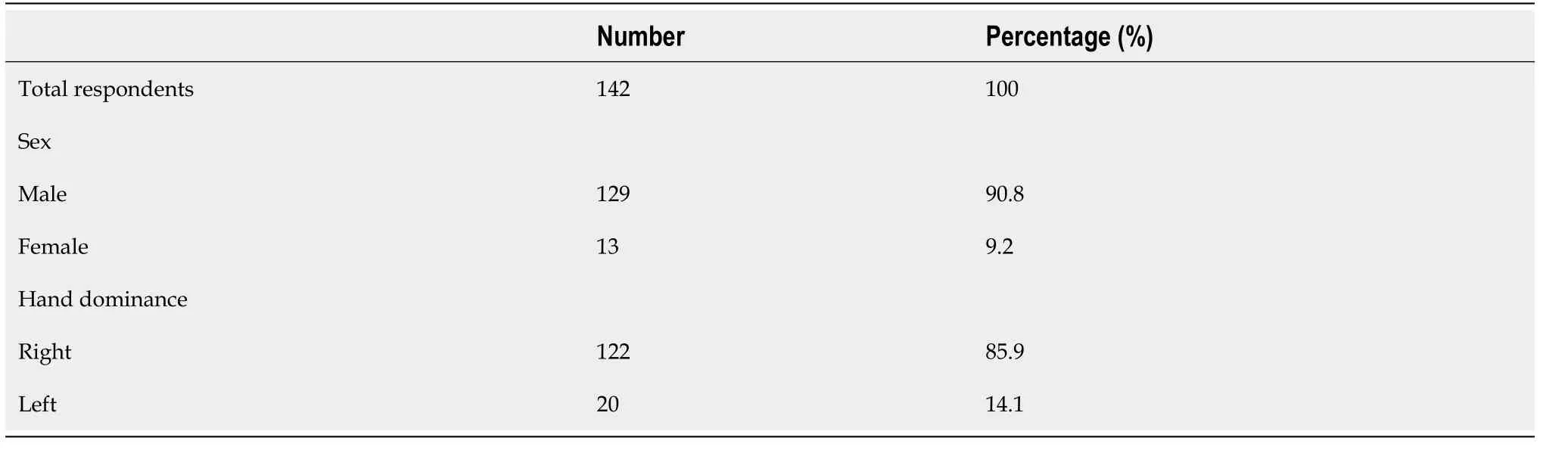
Table 1 Demographics of surveyed upper extremity surgeons
Work-related MSK injuries were reported by 89.4% of respondents (Table 2), of which the most common diagnoses were low back pain (26%), lateral elbow epicondylitis (18%), and neck pain (15.5%) (Figure 3). We found no association between the number of work-related injuries incurred and age, type of practice nor years in practice.
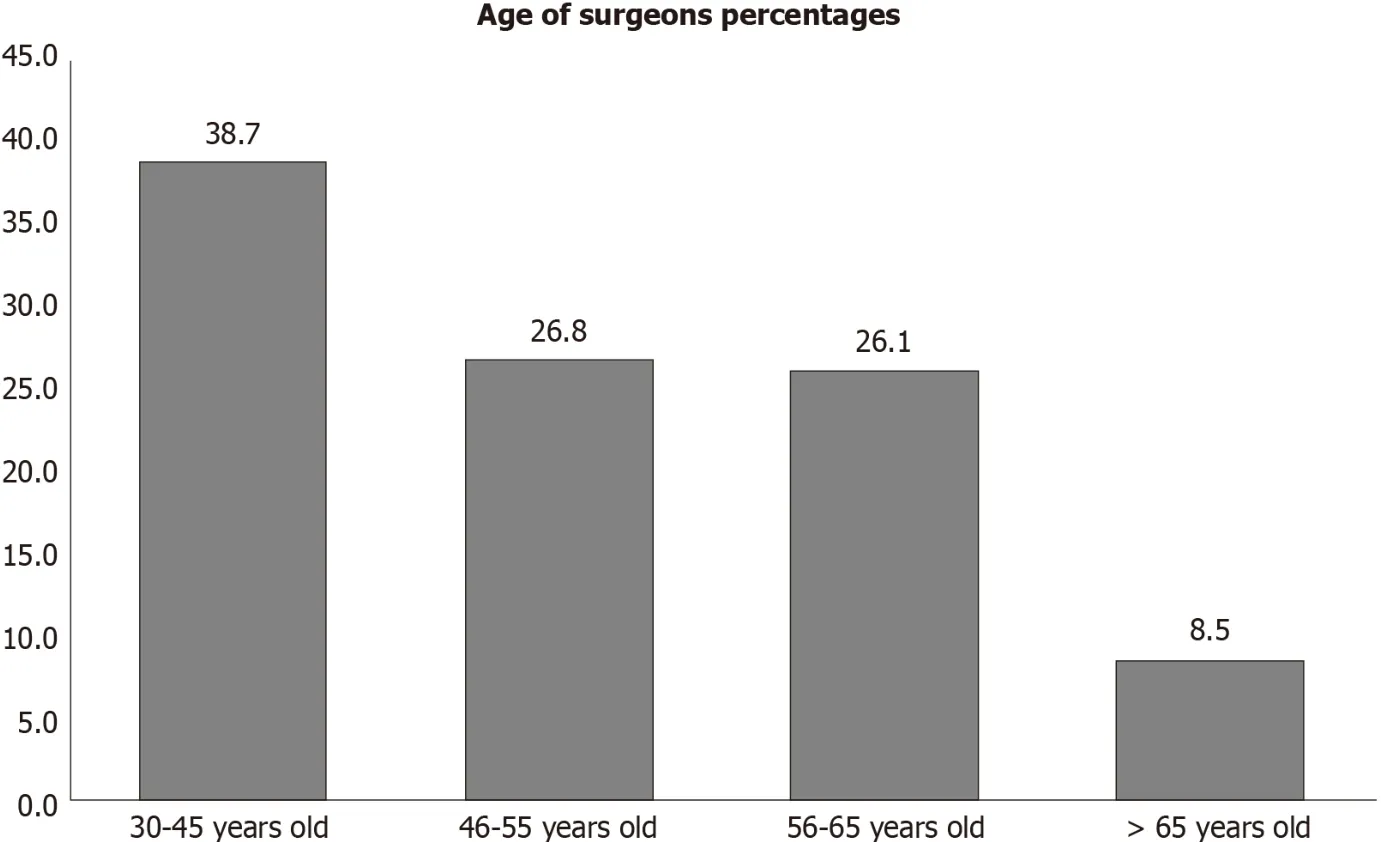
Figure 1 Surgeon age distribution.
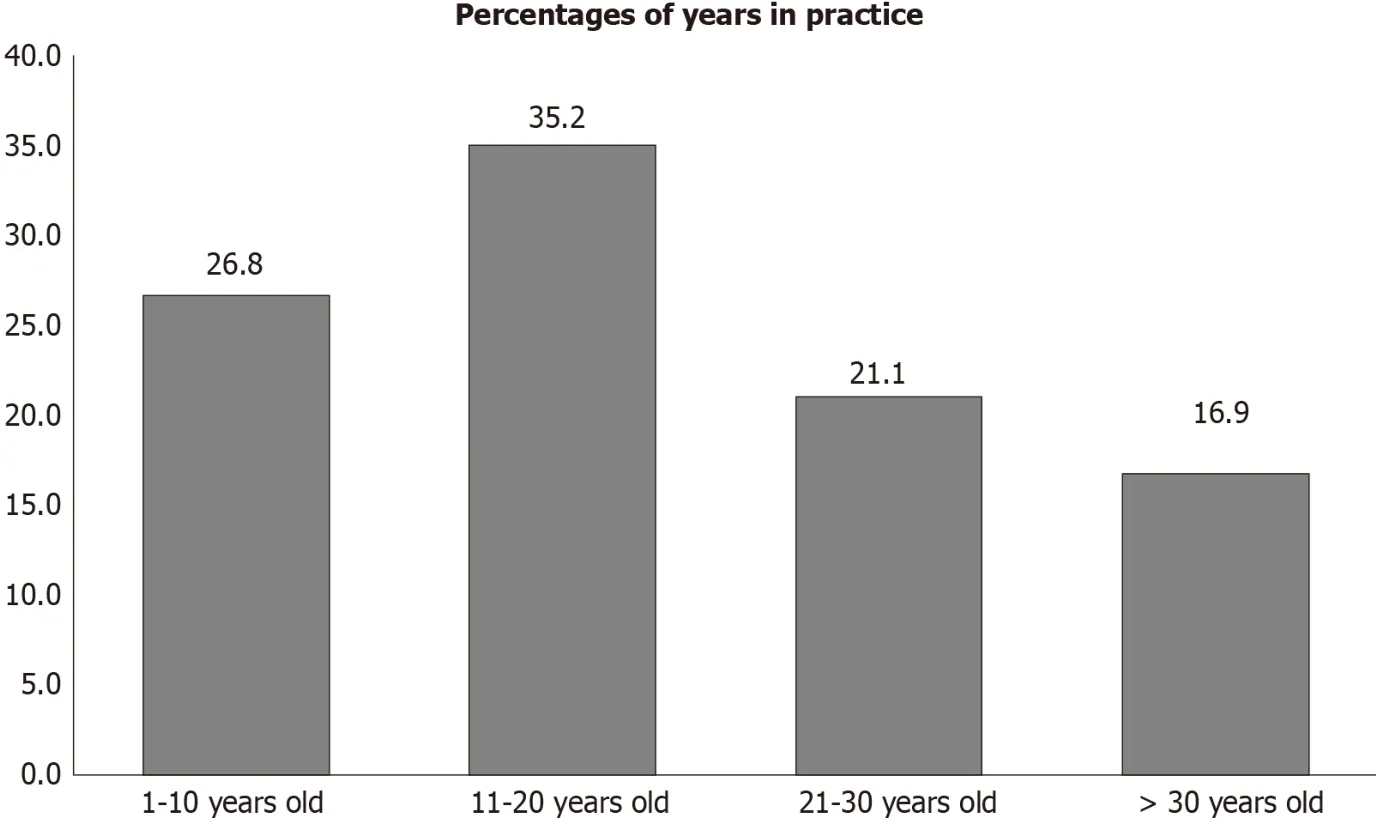
Figure 2 Surgeons years in practice among survey participants.

Figure 3 Musculoskeletal disorders and complaints among survey participants.
Of the surgeons that reported an injury, 82.7% required treatment, with 65.7% requiring medical treatment, 20% requiring surgical treatment and 14.3% requiring both (Table 3). The need to undergo treatment due to the injury was associated with increased number of injuries (< 0.01). Age and number of years in practice were not associated with the requirement of treatment for sustained injuries. More than a quarter of the surgeons required time off work as a direct result of their injury, which was associated with being in practice for > 21 years (< 0.05), but not with the surgeon’s age (Table 2).
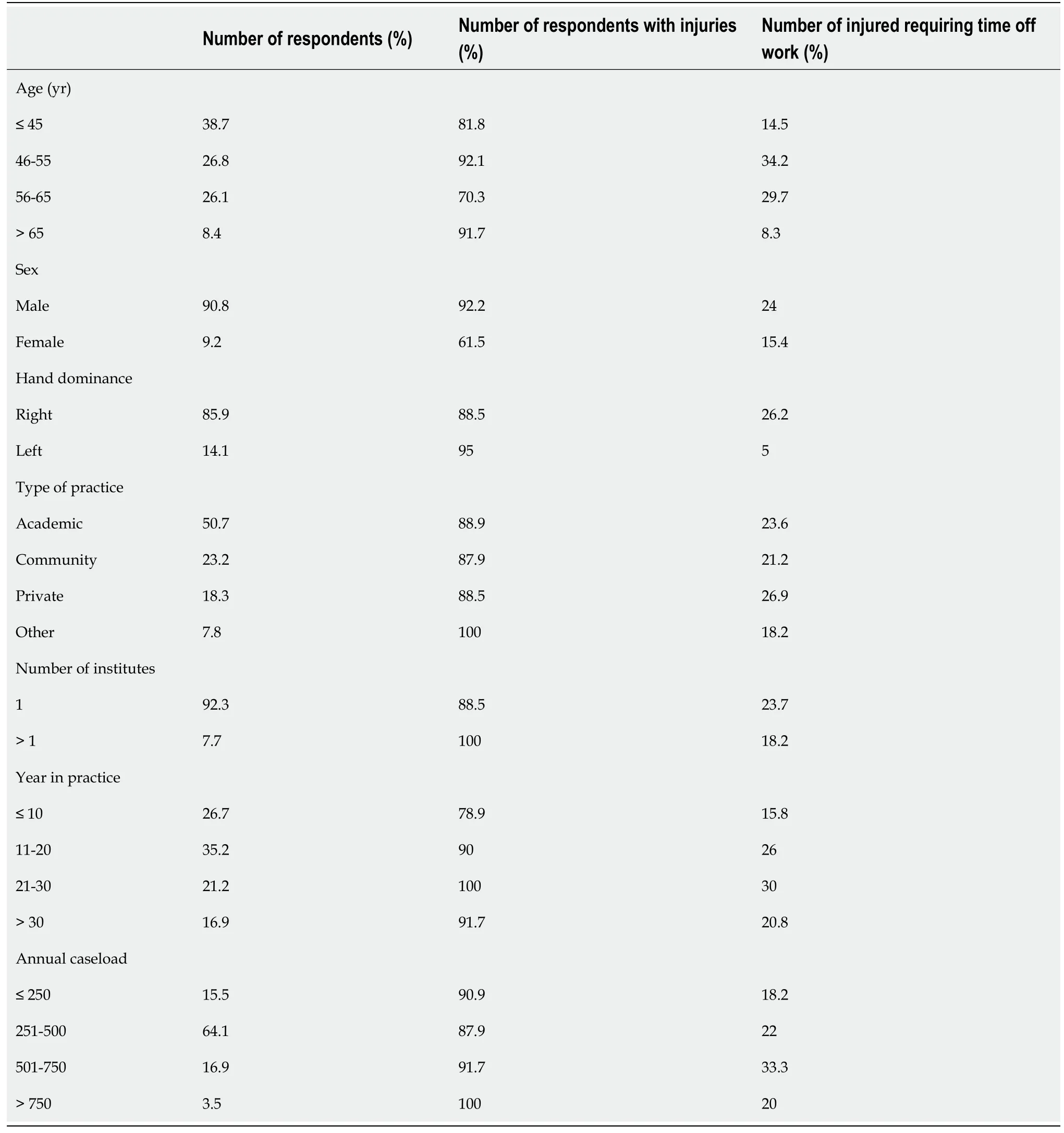
Table 2 Percentage of surveyed upper extremity surgeons with disorders and their requirement of time off work according to sex, age, hand dominance, type of practice, number of institutes, years in practice and annual caseload
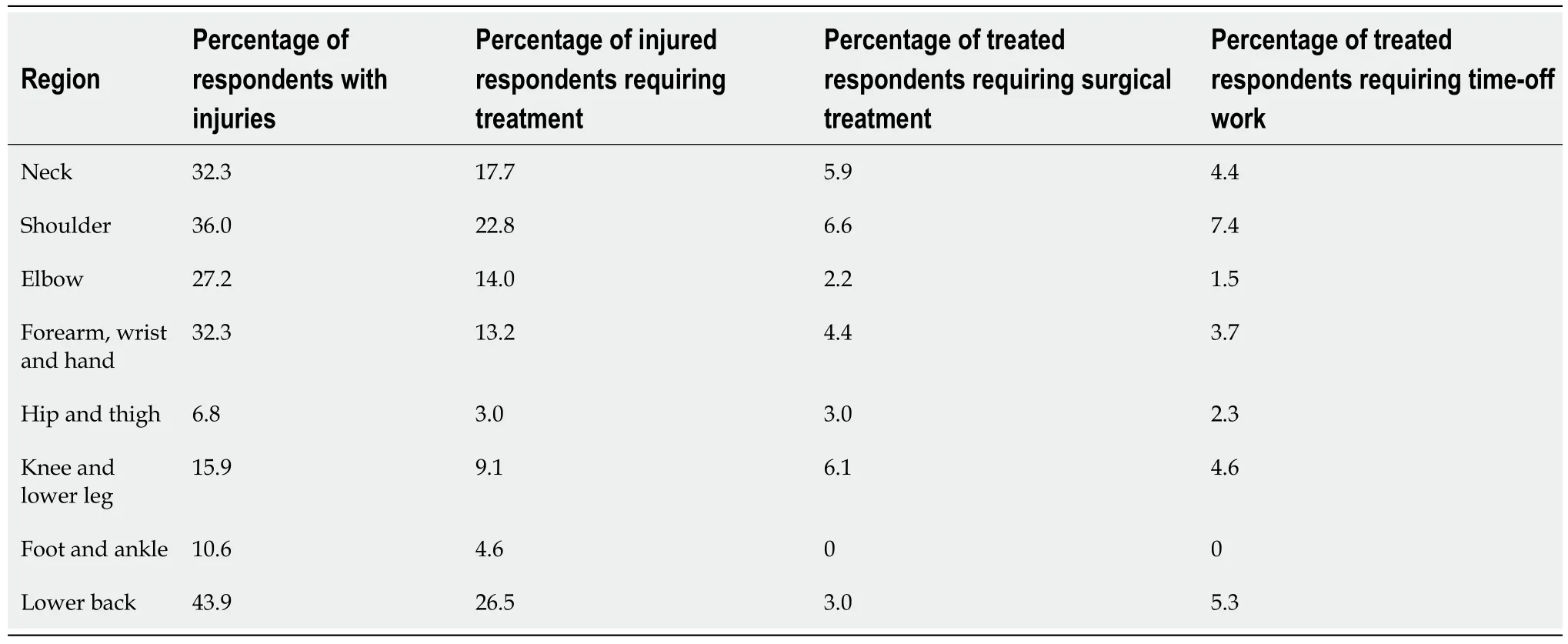
Table 3 Percentage of surveyed upper extremity surgeons with diagnosed disorders per region and number of respondents requiring treatment, requiring surgical treatment and requiring time-off work due to their musculoskeletal disorders
DISCUSSION
A number of studies in the current literature have assessed the prevalence of workrelated hazards, both on a general healthcare worker scale and specific medical and surgical specialties[1,2,14,15]. Our current study explored the prevalence of MSK injuries in the orthopaedic upper extremity surgeon population, who share with other orthopaedic surgeons’ exposure to forceful and repetitive operative task that put this cohort at an increased risk for sustaining these injuries during their career.
More than 89% of our studied cohort reported a work related MSK injury at some time in their career, with spine and elbow injuries being the most common. This prevalence was found to be higher than the findings in previously published studies in other orthopaedic specialties, as in a study of 183 arthroplasty surgeons, 66% reported a work-related MSK injury[14]. Similarly, in the orthopaedic trauma surgeon and pediatric orthopaedic surgeon cohorts the prevalence was 66% and 67%, respectively[6,7]. Concerning the most commonly reported regions, cervical and lumbar spine disease and rotator cuff pathology were identified as the most common work-related musculoskeletal disorders in a recent meta-analysis of 5828 physicians[4]. In theorthopaedic literature, low back and elbow injuries (especially lateral epicondylitis) were the most common regions involved in the majority of these studies, similar to our findings[6,7]. This may be attributed to the sometime long operative procedures associated with a standing posture, in addition to the frequent pronation/supination movements required during these procedures.
Interestingly, we found no association between the age nor number of years in practice and the risk for sustaining a work-related MSK injury. This is in agreement with the study by Alqahtani[14] on 183 arthroplasty surgeons, that also found no association. In contrast, a study on the orthopaedic trauma surgeon population identified an association between the number of MSK disorders and the surgeons age and number of years in practice. Alzahranil[6,7]. also found the same association in a study of 402 pediatric orthopaedic surgeons, where increasing age, working in more than one institute and being in practice more than 21 years was associated with increased number of work-related MSK injuries.
Our current study and previously published literature indicate that the risk of workrelated musculoskeletal disorders is high, especially in orthopaedic surgeons. Specific attention should be directed towards improving operative room ergonomics and surgeon education on the adequate and safe postures and movements while in the operating room[10,16]. In addition, utilizing instruments that decrease the requirement of repetitive forceful movements in the operating room (, power for inserting screws) may help protect these surgeons during their long career[13].
Our study has some limitations, including recall bias of these reported injuries. In addition, similar to previously used surveys which include self-reported measures, our current survey has not had its reliability and validity established. Also, due to the low response rate, selection bias may also be another limitation. But we believe that this sample size is truly representative of the population in study as the sample size is similar to a number of previously published similar studies.
CONCLUSION
MSK injuries were reported by a high proportion of our surveyed cohort of upper extremity surgeons, with more than a quarter of them requiring time off work. As these injuries may place a psychological burden on the surgeon and affect the healthcare system, specific attention should be directed towards improving ergonomics and safety in the operative room to help decrease the high prevalence of these injuries in the future.
ARTICLE HIGHLIGHTS
Research background
Upper extremity orthopaedic surgical tasks require repetitive and constant maneuvers,which can put them at increased risk of acquiring work-related musculoskeletal disorders during their years in practice.
Research motivation
As these injuries may place a psychological burden on the surgeon and affect the healthcare system, attention should be directed at studying their prevalence and associated factors.
Research objectives
To assess the prevalence, characteristics and impact of musculoskeletal disorders among upper extremity orthopaedic surgeons.
Research methods
A modified version of the physical discomfort survey was sent to surgeons who were members of the American Shoulder and Elbow Surgeons and the Canadian shoulder and elbow societye-mail. The collected data were analyzed using descriptive statistics, one-way analysis of variance, and Fisher's exact test.values of <0.05 were considered statistically significant.
Research results
A work-related musculoskeletal injury was reported by 89.4% of respondents, of which the most common diagnoses were low back pain and lateral elbow epicondylitis.
Research conclusions
Musculoskeletal injuries were reported by a high proportion of our surveyed cohort of upper extremity surgeons, with more than a quarter of them requiring time off work.
Research perspectives
Specific attention should be directed towards improving ergonomics and safety in the operative room to help decrease the high prevalence of these injuries in the future.
登錄APP查看全文
 World Journal of Orthopedics
2021年11期
World Journal of Orthopedics
2021年11期
- World Journal of Orthopedics的其它文章
- Management of acute length-unstable Monteggia fractures in children: A case report
- Spontaneous pneumothorax in a 17-year-old male patient with multiple exostoses: A case report and review of the literature
- Pathological humerus fracture due to anti-interferon-gamma autoantibodies: A case report
- Allergic dermatitis after knee arthroscopy with repeated exposure to Dermabond Prineo? in pediatric patients: Two case reports
- Role of coatings and materials of external fixation pins on the rates of pin tract infection: A systematic review and meta-analysis
- Femoral lengthening in young patients: An evidence-based comparison between motorized lengthening nails and external fixation