
中國美術學院:會通中西 瞻高履遠
2021-09-24 20:59:45趙翊添
文化交流 2021年8期
關鍵詞:藝術
趙翊添
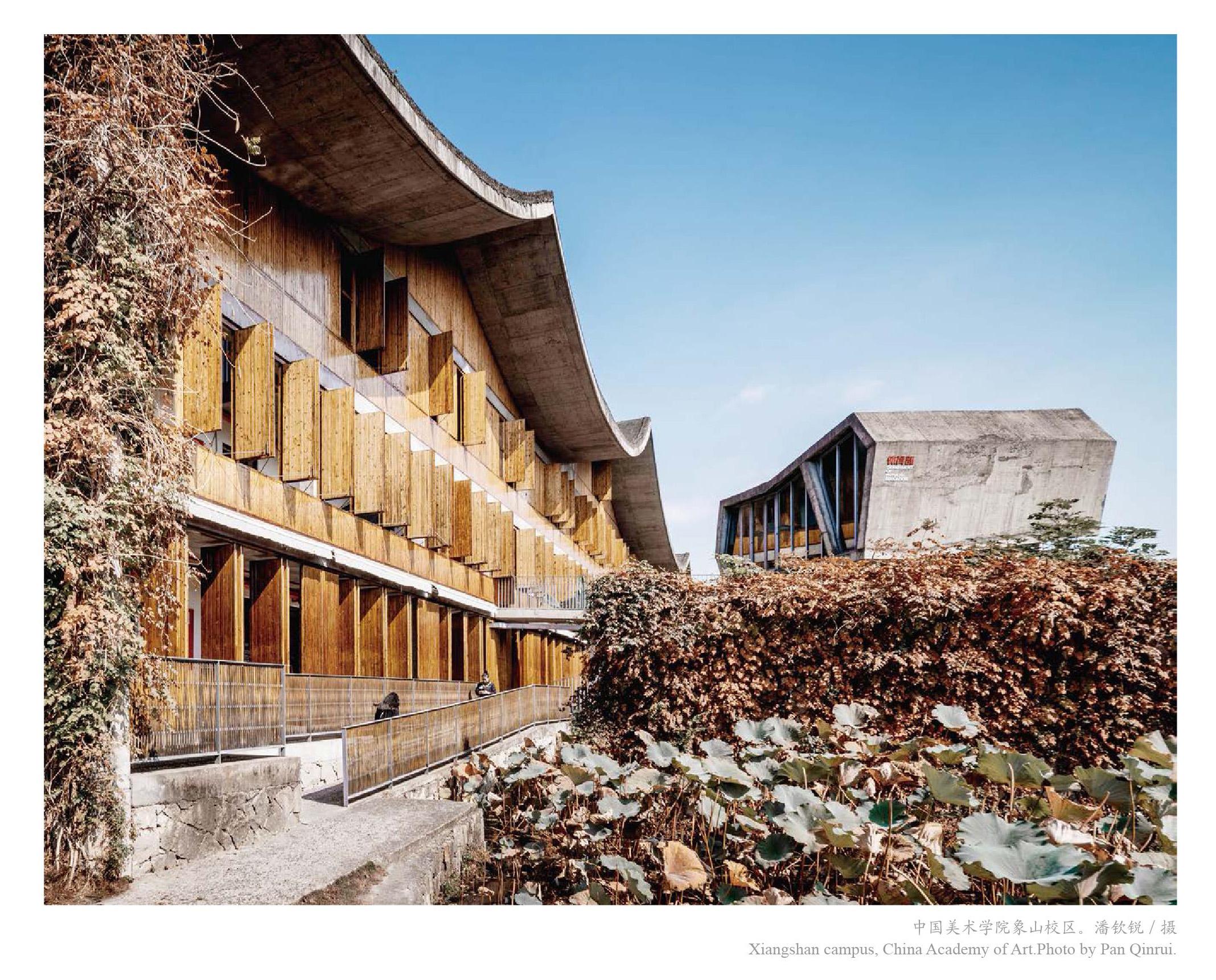
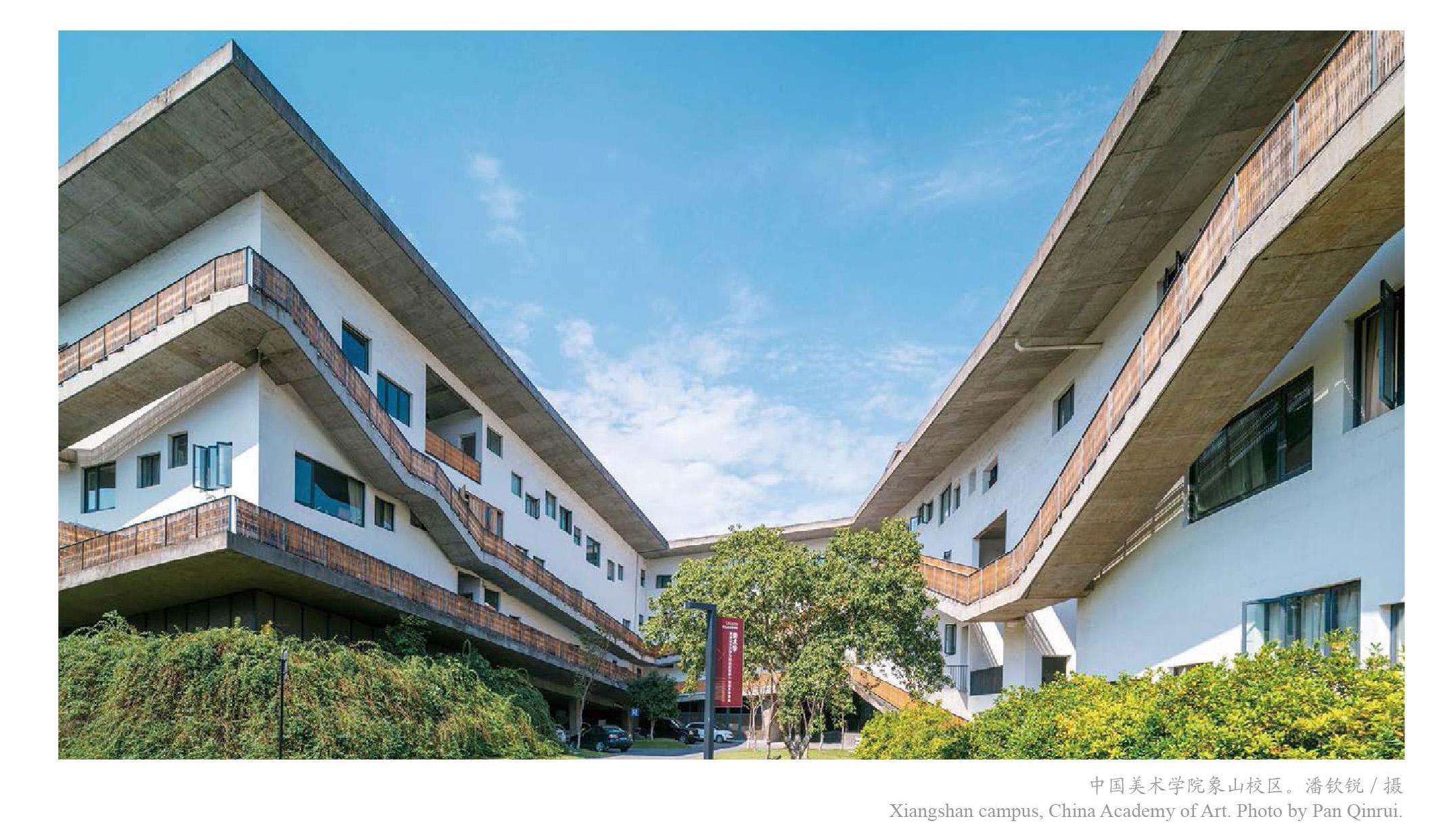
之江藝術長廊連接著浙江省最具特色的文化景觀,構筑成了一幅嶄新的時代畫卷,而中國美術學院三大校區無疑是其中的亮麗風景。
“整理中國藝術,介紹西洋藝術,調和中西藝術,創造時代藝術。”這是中國美術學院的辦學宗旨,自建校起就塑造著這所學校的精神面貌和學術氣質。它自孤山景致之中走出,從西子湖畔到象山山麓,再到良渚校區,作為擁有深厚底蘊的藝術院校,中國美術學院的學脈深深扎根于浙江的文化土壤之中,源源不斷地輸送著美學的養分,也是整個浙江省乃至全中國當代美術發展的引領者和開創者,塑造著人們的審美趣味、文化品位,為建設浙江人民的高質量生活作出卓越的貢獻。
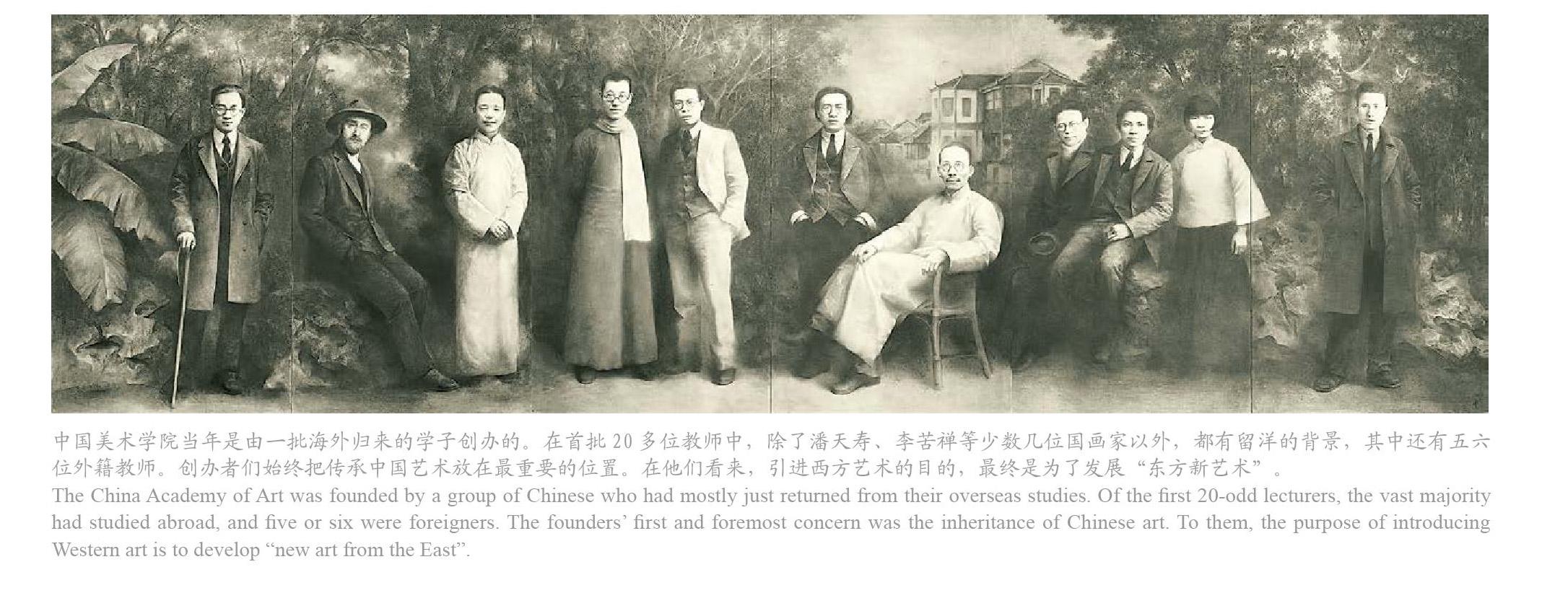
中國美術學院的發展道路始于西子湖畔,由蔡元培先生親自選址創立,其前身為國立藝術院。作為中國歷史上的第一所綜合性的國立高等藝術學府,中國美院在首任校長林風眠的帶領下,于1928年開啟了“美育代宗教”的實踐,倡導并引領了新藝術運動。中國的高等美術教育便從此開始進入了一個全新的階段。在90多年的辦學歷程中,中國美術學院歷經學科拓展、學院改組,在中國藝術界依舊有著廣泛的影響力。中國美院于2015年成功入選浙江省第一批重點建設高校,2016年獲批成為浙江省人民政府與教育部、文化部共建高校,2017年學院入選國家“雙一流”一流學科建設高校,美術學學科入選國家一流學科建設名單。
在中國美術學院90余年的發展歷史中,歷經風雨滄桑,但是,這一美育的實踐一直在繼續延伸著,其精神也被不斷地傳承和發展。中國美術學院的發展,始終交疊著兩條明晰的學術脈絡,一條是以首任校長林風眠先生為代表的“兼容并蓄”的思想,一條是以潘天壽為代表的“傳統出新”的思想,他們的學術思想在中國美術學院營造出了有利于藝術人才銳意出新、人文思想健康發展的環境,也成為中國美術學院最重要的傳統和特征,為一代又一代國美人所繼承和發揚。也正是在這種學術思想的鼓舞和激勵下,中國美術學院始終能走在藝術屆的最前列,一直引領著中國藝術的發展潮流。
秉持著“整理中國藝術,介紹西洋藝術,調和中西藝術,創造時代藝術”的辦學宗旨,中國美術學院辦學成就卓著、蜚聲宇內,聚集和造就了大批優秀的藝術人才。回望中國美術學院的教學歷史,任教者既有引領中國傳統繪畫發展的黃賓虹、潘天壽、沙孟海等藝術名家,學貫古今,融會貫通,在博采百家之長的同時又能自成一體的藝術大家;又有如林風眠、龐薰琹等中國現代藝術教育的開創者、先驅者,介紹西方藝術,改良中國藝術,為中國藝術注入了新的活力,開辟了中國美術學院美術教育的新道路。
此外,杰出的國美校友,如艾青、吳冠中、全山石、王卓予、李可染、趙無極、羅工柳等老一輩藝術家如同群星璀璨,熠熠生輝,為中國現代美術發展添上了亮麗的色彩,他們不僅在中國,也在世界發揮著自己的影響力,一代又一代杰出的藝術家們在這里辛勤耕耘、嘔心瀝血,創造了一個又一個藝術的高峰。
時至今日,中國美術學院依舊散發著它獨特的藝術魅力。在90多年的辦學歷程中,國美為社會培養了大量藝術人才,在歷屆全國美展中斬獲頗豐,在中國現當代藝術的舞臺中發光發熱。與此同時,許多優秀的人才也深入參與到了浙江省乃至全國的建設之中,例如2016年G20杭州峰會以及2022年杭州亞運會的logo由袁由敏教授團隊設計,既蘊含了豐富的江南人文意蘊,又表達了面向新時代勇立潮頭的浙江精神。
現任中國美術學院建筑藝術學院院長王澍教授設計的象山校區,創新性地設計了簡潔優美但又不失傳統特色的校園建筑群,既有對中華文化的深入見解,也蘊含著對現代建筑的獨到把握,使得這一校區建筑群成為飽含傳統記憶而又簡潔優美的經典代表作品,也孕生了藝術家園的望境塑造。2012年,王澍榮獲世界建筑學最高獎項普利茲克獎,這是國際學術界對其本人以及其作品中所融入的建筑思想和理念的充分認可。2021年8月,中國美術學院象山校區入選《紐約時報》“二戰以來最重要的25個建筑”,成為本次唯一入選的中國建筑。
作為頂尖的中國藝術類高等學府,中國美術學院不僅在國內藝術界有相當的影響力和號召力,在國際舞臺上也散發著耀眼的光芒。在國際藝術院校的排行榜上,中國美術學院長期居世界前列,其中,中國畫與書法藝術學院以深厚的歷史底蘊和學術根基、優秀的師資力量和學術水平,以及目前國內最為完善的民族書畫藝術的教學體系和專業構架,在國內外高等書畫教育領域有著極為廣泛的影響力。
2015年起,中國美術學院已經成功舉辦了六年的中國設計智造大獎賽,作為我國工業設計領域的首個國際化獎項,它搭建起了國際創新設計的交流平臺,60個國家和地區的機構、團體以及個人參賽,成功與全球百余家設計機構共同搭建了合作生態圈,該大獎躋身國際知名工業設計獎項之列。除此之外,2003年起于中國美術學院舉辦的中國國際海報雙年展,迄今為止已經吸引了來自全球40多個國家和地區的參賽者,是中國最高規格的海報設計競賽,也在國際平面設計領域備受關注。
作為杭州這座歷史文化名城的一張金名片,中國美術學院既是民族藝術教育的核心場,也是當代生活美學的創新者。作為擔負中國美學的傳播者以及擔負傳承使命與創造使命的藝術共同體,學院以引領中國當代美術發展方向為己任,不僅向全省,也向全國乃至全世界散發著耀眼的藝術之光,如同已經開花結果但依舊茁壯成長的參天大樹,扎根于杭州這片經由人文氣息長期滋養的肥沃土地中,它與浙江音樂學院、浙江電影學院相呼應,構成了之江藝術走廊最具活力、最具吸引力的的文化創意陣地,成為之江藝術走廊的寶冠上最耀眼的明珠之一。
China Academy of Art: Between East and West
By ?Zhao Yitian
In the most distinctive artistic and cultural landscape along Zhejiang provinces Zhijiang Art Corridor, lie some of the best-known cultural landmarks and sceneries, and the China Academy of Art is undoubtedly one of them.
“Organize Chinese Art, introduce Western art, blend Western and Chinese arts and create art of the times.” Thus states the academic slogan of the China Academy of Art. Proposed by Lin Fengmian (1900-1991), renowned Chinese artist and the founding president of the academy, this mission statement has guided its development since its establishment. From the first campus near the Solitary Hill to the campus on the Xiangshan Mountain and the campus in Liangzhu that is still under construction, the China Academy of Art has firmly planted its roots into the rich soil of Zhejiang culture, continuously producing artistic talents. A leader and pioneer in the development of contemporary art not only in Zhejiang province but all over China, the academy has been instrumental in shaping the publics aesthetic and cultural tastes, making outstanding contributions to Zhejiang peoples pursuit of a high-quality life.
In 1928, the National Academy of Art, predecessor of the China Academy of Art, was founded in China on the bank of the West Lake in Hangzhou by the famed educator Cai Yuanpei (1868-1940). In fact, the site was specially selected by Cai himself. Under the leadership of the first president, Lin Fengmian, the academy embarked on a journey of “substituting aesthetic education for religion”, and called for and led the modern art movement, marking the beginning of China higher education in art.
Indeed, in the course of its 90-odd-year history, the China Academy of Art has never wavered in its imparting aesthetic education to its students, and such spirit has also been inherited and developed from one generation to another. Throughout the years, the development of the academy has always followed two clearly articulated concepts. One, raised by Lin Fengmian is “inclusiveness”. The other, principally advocated by renowned painter Pan Tianshou, is “innovation based on tradition”. These ideas have helped create a heathy humanistic environment that is most conducive to the cultivation of talents and the generation of new ideas. They have also become the most important hallmarks and traditions of the China Academy of Art. Indeed, precisely under the inspiration and encouragement of these thoughts that the China Academy of Art has been able to be at the forefront of the area of arts and to lead the development of modern and contemporary Chinese art without fail.
Upholding its motto to “organize Chinese Art, introduce Western art, blend Western and Chinese arts and create art of the times”, the China Academy of Art has made remarkable achievements and become a recognized art institution both at home and abroad. As well as Lin Fengmian and Pan Tianshou, among the some of the most celebrated names who either taught or studied at the academy are Huang Binhong (1865-1955), Sha Menghai (1900-1992), Pang Xunqin (1906-1985), Wu Guanzhong (1919-2010), Li Keran (1907-1989), Zhao Wuji (1920-2013), and many others. These masters of arts, most of whom are also pioneers and explorers of arts and aesthetic education, have consistently invigorated the development of Chinese arts with their teachings, their knowledge, their ideas and their works.
It is no surprise that the academy has been witnessing the outstanding talents it has produced actively engaged in various artistic endeavors. For example, the official logos for both the 2016 G20 Hangzhou Summit and the 2022 Hangzhou Asian Games were designed by Professor Yuan Youmin and his team, which are full of humanistic subtleties of the Jiangnan (south of the Yangtze River) area, and show the Zhejiang spirit to boldly take the lead in the era. Meanwhile, professors, students and graduates from the academy have won multiple awards at Chinas quintennial National Exhibition of Fine Arts.
The Xiangshan campus of the China Academy of Art, designed by Professor Wang Shu, dean of the academys School of Architecture, creatively applied a style that has reconciled modernity and tradition for the 20 plus buildings spreading over the verdant mountains and hills. As the first Chinese citizen to have won the Pritzker Prize, the worlds top architecture prize, Wang, his works and his conception of architecture have been widely recognized domestically and internationally. In August 2021, the Xiangshan campus was listed as one of the “25 Most Significant Works of Postwar Architecture” by the New York Times, the only Chinese architecture on the list.
Over the past 90 years and more, the China Academy of Art has built and maintained widespread influence in Chinas literary and art circles. In 2015, it was selected as one of the key universities in Zhejiang province, and in 2017, the academy and its arts discipline were included in the nations “double first-class program”, i.e. world first-class universities and first-class academic disciplines. A prestigious art school in China, now, the China Academy of Art has also ranked among the worlds top art institutions. The School of Chinese Painting and Calligraphy, in particular, is one of the best and the most influential in the education of Chinese painting and calligraphy.
Since 2015, the China Academy of Art has successfully hosted several editions of the Design Intelligence Award. Chinas first international academic award in industrial design, the award has been turned into an international exchange platform for innovation design, and attracted 60 countries and regions, institutions, organizations and individuals to enter into the competition. In addition, the China International Poster Biennale, launched by the China Academy of Art in 2003 and regarded as Chinas top poster design competition, has seen participants from more than 40 countries and regions around the world taking part.
猜你喜歡
家教世界(2022年13期)2022-06-03 09:07:18
家教世界(2022年7期)2022-04-12 02:49:34
中外文摘(2021年23期)2021-12-29 03:54:02
兒童繪本(2018年22期)2018-12-13 23:14:52
藝術啟蒙(2018年7期)2018-08-23 09:14:06
讀者·校園版(2018年13期)2018-06-19 06:20:12
英語學習(2016年2期)2016-09-10 07:22:44
Coco薇(2016年2期)2016-03-22 16:58:59
讀者(2016年7期)2016-03-11 12:14:36
爆笑show(2014年10期)2014-12-18 22:27:48
