
Endoscopic fasciotomy for chronic exertional compartment syndrome of the forearm: Systematic review of outcomes and complications
2021-05-20 00:41:22YousefMarwanAbdullahAddarNizarAlgarniNabilAlgarniMarkBurmanPaulMartineau
World Journal of Orthopedics 2021年5期
Yousef Marwan, Abdullah Addar, Nizar Algarni, Nabil Algarni, Mark Burman, Paul A Martineau
Yousef Marwan, Abdullah Addar, Nizar Algarni, Mark Burman, Paul A Martineau, Division of Orthopaedic Surgery, McGill University Health Centre, Montreal H3G-1A4, Quebec, Canada Nabil Algarni, Department of Orthopaedic Surgery, King Fahad Medical City, Riyadh 00966, Saudi Arabia
Abstract BACKGROUND Endoscopic fasciotomy of the forearm for chronic exertional compartment syndrome (CECS) has gained popularity recently.AIM To systematically review the literature of endoscopic fasciotomy for CECS of the forearm, aiming to assess the outcomes and complications of the different endoscopic fasciotomy techniques described in the literature.METHODS On January 18, 2021, PubMed and EMBASE were searched by 3 reviewers independently, and all relevant studies published up to that date were considered based on predetermined inclusion/exclusion criteria.The subject headings “endoscopic fasciotomy” and “compartment syndrome” and their related key terms were used.The Preferred Reporting Item for Systematic Reviews and Meta-Analyses statement was used to screen the articles.RESULTS A total of seven studies including 183 patients (355 forearms) were included.The mean age of the patients was 31.2 years (range: 15-42 years).The postoperative follow-up duration ranged from 6 wk to 4.9 years.All patients were able to return to sport activities between postoperative weeks 1 to 8.Recurrence of the compartment syndrome occurred in three patients, giving a rate of 1.6% per patient and 0.8% per forearm.The overall complication rate was 8.7% per patient, and 4.5% per forearm.The most common reported complication was hematoma (7 forearms; 2.0%).CONCLUSION Endoscopic fasciotomy for CECS of the forearm has favorable short- and midterm outcomes with very low recurrence and complication rates.This, however, needs to be confirmed in larger, long-term follow-up, prospective, comparative studies between open, mini-open and endoscopic fasciotomy techniques.
Key Words: Exertional compartment syndrome; Compartment syndrome; Fasciotomy; Forearm; Endoscopy
INTRODUCTION
Chronic exertional compartment syndrome (CECS) is a condition where there is an exercise-induced increase in pressure within fascial compartments after muscle hyperemia and expansion, resulting in poor tissue perfusion followed by ischemic pain, functional loss, and possible neurologic compromise[1,2].The symptoms of this condition are exercise-induced, and typically resolve when the activity ceases leaving no permanent damage to the tissue[1,2].During exercise, the intramuscular pressure elevates to a point that the tissues within the affected compartment become swollen, tight, and painful, preventing further activities[1-3].While the leg is the most involved, CECS can affect the shoulder, arm, forearm, hand, gluteus, thigh, and foot[1].
In the forearm, CECS is seen in people who perform activities and sports that require prolonged, repetitive and forceful gripping, such as cyclists, arm wrestlers, rowers, rock climbers and weightlifters[2-5].Patients with CECS present with predictable and reproducible atraumatic exercise-induced pain, cramping and tightness that is typically localized to the affected compartment[1-3].They may also complain of transient numbness, tingling, or weakness (e.g.,loss of grip strength) in the distributions of nerves within the involved compartment, which usually resolve with rest[1-3].In severe cases of CECS, these symptoms can significantly affect the quality of life, and can be dangerous occasionally (e.g.,motocross riders may be unable to hold the handlebar grips while riding)[2,3].
Although the diagnosis of CECS can be made based on history and physical examination, few diagnostic tests can help confirm it[1-3,6-11].Dynamic intracompartmental pressure measurement (i.e.at rest and after exercise) is widely used as an objective diagnostic test of CECS of the forearm; however, no clear consensus on the cut-off diagnostic values exist[3,6-9].Intracompartmental pressure of ≥ 30 mmHg at 5 min after exercise and/or ≥ 30 mmHg difference between the intracompartmental pressure and the diastolic blood pressure is the most commonly used criteria to diagnose CECS of the forearm[3,8,9].In addition to compartment pressure measurements, few authors reported the use of ultrasonography and magnetic resonance imaging (MRI) to help establish a diagnosis of CECS, nevertheless, the findings of these radiologic tests are not specific[1-3,10-12].
The treatment of CECS can be nonsurgical or surgical[1-3].Nonsurgical treatment in the form of activity modification, physical therapy and pain control can be successful in up to 80% of the cases[3,13].Patients who have no improvement in symptoms after at least 3 mo despite nonoperative treatment are usually indicated for surgical management in the form of forearm fasciotomy[1-3].Regardless of the surgical technique used to perform the fasciotomy, the rate of resolution of symptoms and return to sports activities reaches 90%[1-3].
Recently, endoscopic fasciotomy of the forearm for CECS has gained popularity[10,11,14-16].Authors suggest that this surgical technique result in reduced time to return to competitive sports and decreased surgical scarring and complications[1-3].Endoscopic fasciotomy techniques have evolved because the expansile muscle bellies which result in the compartment syndrome when swollen lie in the proximal third of the forearm, thus, fasciotomies distal to this region might not be required[2].In this study, we aim to systematically review the literature of endoscopic fasciotomy for CECS of the forearm.We intend to assess the outcomes and complications of the different endoscopic fasciotomy techniques described in the literature.We hypothesize that overall outcomes are favorable in regards of return to sports and functional outcomes, as well as rate of recurrence and complications is low.
MATERIALS AND METHODS
Search strategy
PubMed and EMBASE databases were searched independently by three authors (Marwan Y, Addar A, Algarni N) for relevant articles on January 18, 2021.The search was limited to English language only.The subject headings “endoscopic fasciotomy” and “compartment syndrome” and their related key terms were used.The articles were screened based on the Preferred Reporting Item for Systematic Reviews and Meta-Analyses statement.
Inclusion and exclusion criteria
The following inclusion criteria were used in our systematic review: (1) Clinical studies; (2) All level of evidence; (3) Endoscopic fasciotomy done for CECS of the forearm; (4) All endoscopic fasciotomy techniques; and (5) No restriction to date of publication.Studies were excluded if they met any of the following criteria: (1) Non-English articles; (2) Open fasciotomy; (3) Endoscopic fasciotomy of other anatomic regions (e.g.,leg and foot); (4) Articles published in abstract form only; (5) Review articles; (6) Technique articles; and (7) Cadaveric studies.
Data collection/extraction
Independent screening of the titles and abstracts of the included studies were carried out by the same three authors (Marwan Y, Addar A, Algarni N).Articles were included in the full-text review stage if any of the three authors believed it should, and more were excluded during this stage.The data was then retrieved from the included studies and entered/organized in Microsoft Excel 2013 (Microsoft, Redmond, WA, United States) independently by the same three authors.The information was categorized into basic background/clinical data (e.g.,title, authors, year of publication, country of publication, sample size, gender, age, sports, risk factor and preoperative assessment), surgical technique (e.g.,equipment, incision and other surgical details) and postoperative outcomes and complications (e.g.,follow-up duration, recurrence, complications, return to sports, pain and functional scores).The primary outcome of this review was the recurrence rate, while return to sports, pain improvement, functional scores improvement and complications were the secondary outcomes.Meta-analysis was not done due to the heterogeneity of the included studies; however, a qualitative assessment of the data was done.
RESULTS
The initial search revealed a total of 59 article (Figure 1).A total of 39, 8 and 5 articles were excluded after title, abstract and full-text review, respectively.Therefore, seven articles were included for final analysis[10,11,14-18].These articles were published from Asia, Europe and the United States.Additional screening of the references of the seven articles did not reveal more relevant studies that meet our inclusion criteria.The three reviewers (Marwan Y, Addar A, Algarni N) had no disagreements throughout the stages of the systematic review.
Table 1 summarizes the background information and clinical features of the included studies and patients.A hundred and eighty-three patients (355 forearms) underwent endoscopic fasciotomy for CECS of the forearm, of whom 178 (97.3%) weremales.The mean age of the patients was 31.2 years (range: 15-42 years).Only four (2.2%) patients were not motorcycle/motocross riders/racers.To help in establishing the diagnosis of CECS, six out of the seven studies used compartment pressure measurements (29 patients; 15.8%), while MRI was used in two studies (155 patients; 84.7%).The visual analogue scale (VAS) score was used to assess the severity of pain in three out of the seven studies (159 patients; 86.9%); however, scale range differed among these studies (one used a scale of 1 to 10, while two used a scale of 0 to 10).On the other hand, the Disabilities of the Arm, Shoulder and Hand (DASH) score was used in a single study (3 patients; 1.6%), and the quick DASH score was used in another study (21 patients; 11.5%).
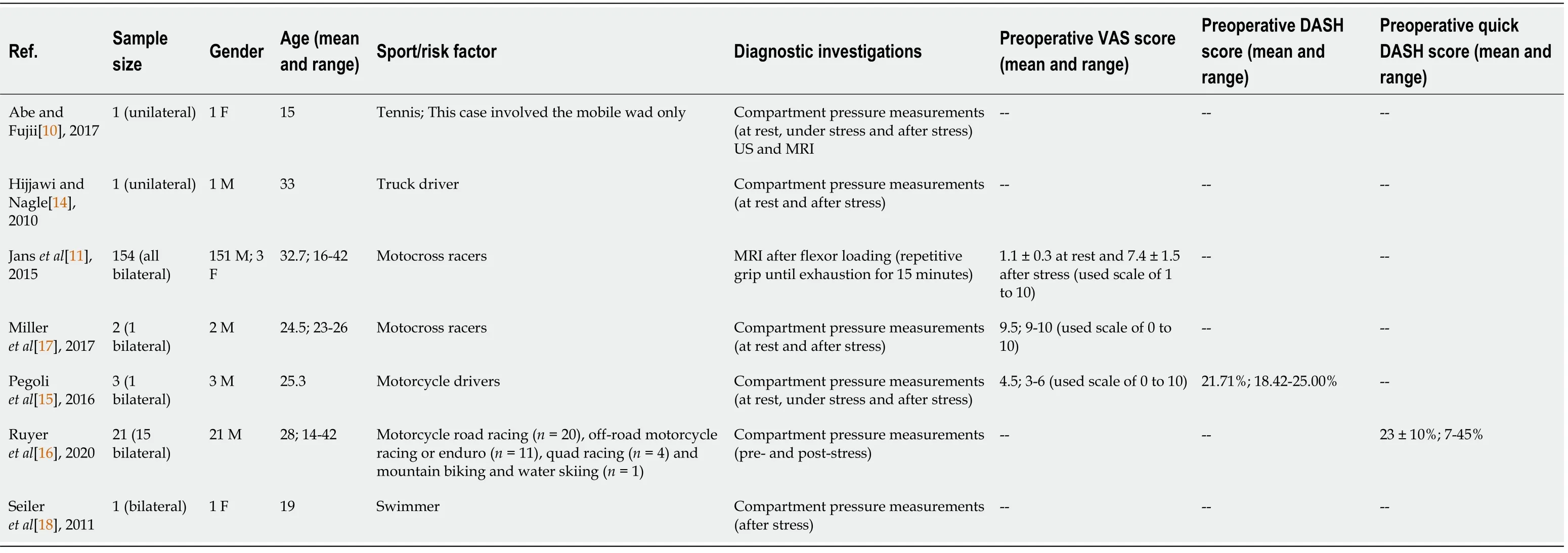
Table 1 Background and clinical information of patients with chronic exertional compartment syndrome of the forearm who underwent endoscopic fasciotomy
Table 2 demonstrates the surgical techniques used in the included studies.Each group of surgeons used different set of tools; however, the basic setup consisted of an endoscope and a cutting instrument like blade or electrocautery.Skin incision ranged from one to three, based on surgeon preference, surgical set used and the involved compartment.Interestingly, the largest series of patients underwent fasciotomy of thesuperficial flexor compartment only without consideration of releasing other compartments of the forearm[11].A single case had compartment syndrome of the mobile wad only, therefore, release of the brachioradialis fascia was done only[10].
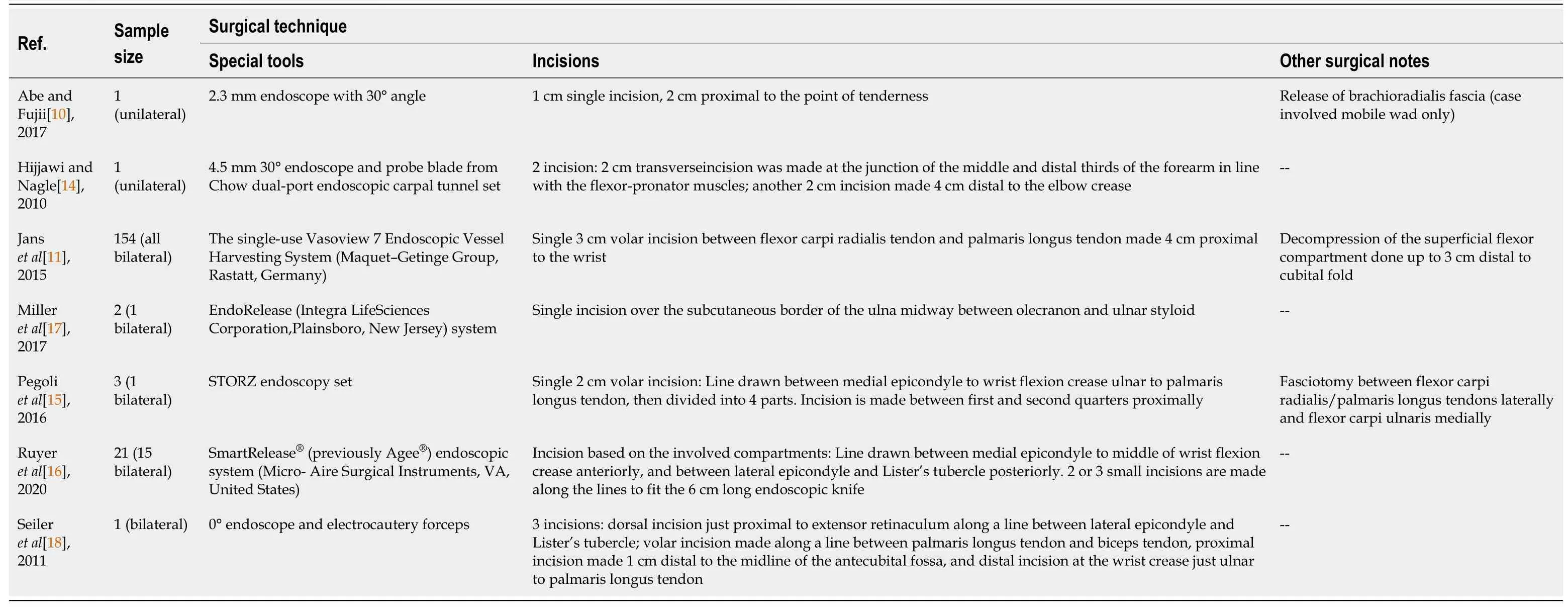
Table 2 Surgical technique used for endoscopic fasciotomy of the forearm for chronic exertional compartment syndrome
The outcomes and complications of endoscopic fasciotomy for CECS of the forearm are demonstrated in Table 3.The follow-up duration of the 183 patients ranged from 6 wk to 4.9 years.In two studies (5 patients; 2.7%), the mean VAS score at final followup ranged from 0.0 to 0.75 out of 10.Another study (154 patients; 84.1%) reported a final follow-up mean VAS score of 1.0 out of 10 at rest and 1.7 out of 10 following stress.In addition, the postoperative DASH score ranged from 2.15% to 5.39% in two studies (4 patients; 2.2%), and the mean quick DASH score was 1% in a single study (21 patients; 11.5%).All patients were able to return to sport activities, and this was between postoperative week 1 to 8.Recurrence of the compartment syndrome occurred in three patients, giving a rate of 1.6% per patient and 0.8% per forearm.The overall complication rate was 8.7% per patient, and 4.5% per forearm.The most common reported complication was hematoma (7 forearms; 2.0%).
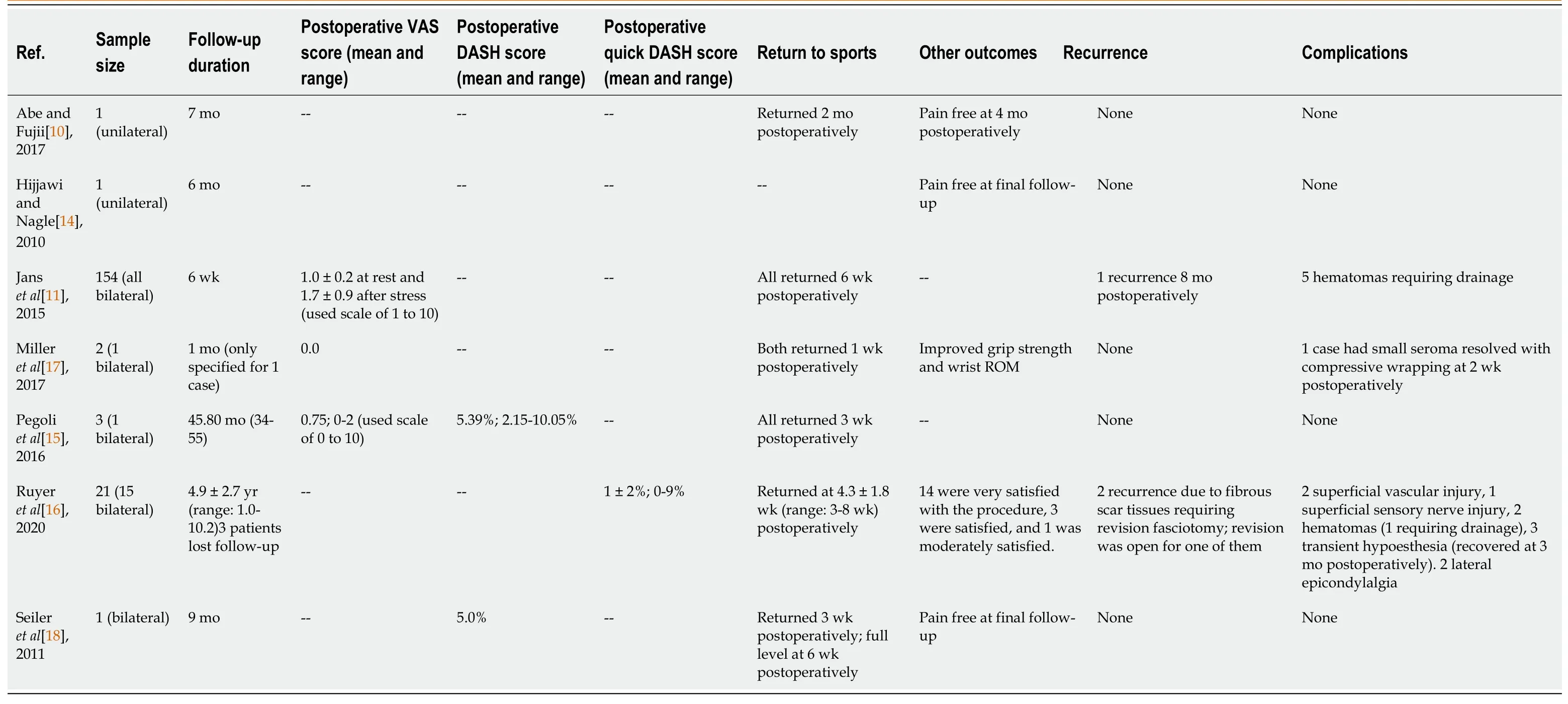
Table 3 Outcomes and complications of endoscopic fasciotomy of the forearm for chronic exertional compartment syndrome
DISCUSSION
The current systematic review has explored the outcomes and complications of endoscopic fasciotomy for CECS in 355 forearms of 183 patients.Regardless of the technique/equipment used to perform the endoscopic fasciotomy, the outcomes were excellent.The recurrence and complication rates were less than 1% and less than 5% per forearm, respectively.No serious complications were reported.Additionally, no patients were unable to return to their preoperative level of sports activities, and return to sports was between 1 wk to 8 wk postoperatively.Resolution of pain and improvement in functional scores were also excellent.
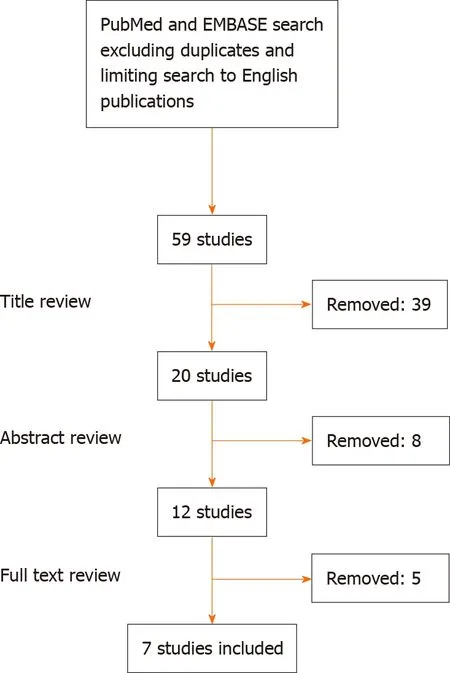
Figure 1 Flow diagram of the systematic search strategy.
Surgical treatment for CECS has high success rate, regardless of the surgical technique used[1-3].Compared to patients who undergo surgical intervention for CECS of the forearm, authors have shown that all patients who underwent nonoperative management continued to struggle and were no longer able to perform sports and activities at the same level of their pre-morbid condition[1,19].Surgical intervention is, therefore, recommended for those who wish to continue to practice high level of sports activities.
Wide open fasciotomy of the forearm is thought to be the best surgical intervention for CECS, allowing full release of the fascia, better visualization of neurovascular structures, and peripheral nerve decompression if needed; thus, may have lower rate of complications[1-3,20,21].Based on the available literature on open forearm fasciotomy for CECS and our current systematic review of endoscopic fasciotomy, this is not necessarily true.The rate of patients with full resolution of CECS symptoms following open or mini-open fasciotomy of the forearm ranged between around 85% to 98%[2,9,20-23], while the rate after endoscopic fasciotomy was around 99% [2,10,11, 14-18].Moreover, complication rate of open and mini-open fasciotomy ranged between around 14% to 21%[2,9,20-23], while the rate following endoscopic fasciotomy was less than 10%[2,10,11,14-18].Although these differences have not been proven with high-quality, comparative, prospective studies, endoscopic fasciotomy may provide superior outcomes compared to open fasciotomy.
Although this study provides valuable information, several limitations exist.The studies found in the literature and included in the current systematic review are either case series or case reports.Despite the lack of high-quality, high-level of evidence studies, valuable information has been extracted which should help guide future research about endoscopic forearm fasciotomy.Also, as most of the available studies were case reports, cases with unsatisfactory outcomes might have been underreported.Another limitation is that the short period of postoperative follow-up for some of the included studies.A long-term follow-up is needed specially to determine recurrence of the CECS after resuming sports for a longer period post endoscopic fasciotomy.In addition, poor documentation of relevant functional outcomes was noted in the available studies.
CONCLUSION
Endoscopic fasciotomy for CECS of the forearm has favorable short- and mid-term outcomes with very low recurrence and complication rates.This, however, needs to be confirmed in larger, long-term follow-up, prospective, comparative studies between open, mini-open and endoscopic fasciotomy techniques.
ARTICLE HIGHLIGHTS
Research background
Chronic exertional compartment syndrome (CECS) of the forearm can limit the quality of life and sport activities.Endoscopic forearm fasciotomy has been described to manage this condition.
Research motivation
The literature of endoscopic forearm fasciotomy for CECS has not been analyzed in detail.
Research objectives
To systematically review the literature if endoscopic fasciotomy for the management of CECS of the forearm.
Research methods
PubMed and EMBASE were searched, and all relevant studies were considered for analysis based on predetermined inclusion/exclusion criteria.The subject headings“endoscopic fasciotomy” and “compartment syndrome” and their related key terms were used.
Research results
A total of seven studies including 183 patients (355 forearms) were included.All patients were able to return to sport activities between postoperative week 1 to 8.Recurrence of the compartment syndrome occurred in three patients.The overall complication rate was 8.7% per patient, and 4.5% per forearm.
Research conclusions
Outcome of endoscopic fasciotomy for CECS of the forearm are favorable, with low recurrence and complication rates.
Research perspectives
Future larger, long-term follow-up, prospective, comparative studies between open,mini-open and endoscopic fasciotomy techniques are needed.
 World Journal of Orthopedics2021年5期
- World Journal of Orthopedics的其它文章
- Three-dimensional printing technology for patient-matched instrument in treatment of cubitus varus deformity: A case report
- Rare shear-type fracture of the talar head in a thirteen-year-old child— Is this a transitional fracture: A case report and review of the literature
- Potential contribution of pedicle screw design to loosening rate in patients with degenerative diseases of the lumbar spine: An observational study
- Usefulness of computed tomography based three-dimensional reconstructions to assess the critical shoulder angle
- Reducing unnecessary crossmatching for hip fracture patients by accounting for preoperative hemoglobin concentration
- Acute syndesmotic injuries in ankle fractures: From diagnosis to treatment and current concepts