
善用通信科技:疫情期間,制作人移師小屏幕
2021-03-18 03:29:29司馬勤
歌劇 2021年1期
司馬勤
相信不只有我覺得煩悶,大家都厭倦了坐在電腦屏幕前吧?這些日子里,歌劇愛好者沒有太多選擇。盡管有幾家歌劇院在過去一年里把歌劇制作搬上了現實生活中的舞臺,但它們現在都被迫關閉,靜心等待下一輪劇院解封的日子。其實我們一眼就能看出,那些具有抗疫特征的制作,與常規(guī)的歌劇相比,有著很大區(qū)別。
因此,我們還是無法割舍大都會歌劇院和另外數家歌劇院每晚送上的在線視頻。這些歌劇視頻和網絡直播雙管齊下,天天提醒著我們歌劇藝術的那些輝煌的往昔,我們期盼終有一天——因為希望在人間嘛——歌劇演出會再次興旺起來。正當我沉醉于第三遍全版《指環(huán)》以及第四次欣賞大都會播放約翰·亞當斯(John Adams)的《尼克松在中國》(Nixon in China)高清視頻之際,腦海里浮現出一個連續(xù)不斷的念頭:“人生不該僅限于此吧!”
幸運的是,似乎有人聽到了我的心聲。在過去的兩個月里,幾位有進取心的年輕制作人深知現下的歌劇世界不得不脫離了舞臺,走進筆記本電腦。他們便更向前一步,把焦點放在另一個通信工具——智能手機上。紐約的現場歌劇團(On Site Opera)在不久之前推出了兩個項目,利用了電話以及傳統(tǒng)郵遞服務,為“歌劇送餐”方式特別加碼。
誠然,《致遠方的愛人》(To My Distant Love)與《仍然存在的美麗》( The Beauty That Still Remains)都包含一定的宣傳噱頭。嚴格意義上說,它們都算不上是歌劇。前者為貝多芬歌曲套曲,時長只不過20分鐘,演員拿著電話現場歌唱,好像為朋友留言一樣。買了票的觀眾可以選擇聆聽女高音詹妮弗·澤特蘭(Jennifer Zetlan)或男中音馬里奧·迪亞茲-莫雷斯科(Mario Diaz-Moresco) 演繹這部作品。后者的副題為“歌唱的日記”(Diaries in Song),這個項目的規(guī)模雄心勃勃,涵蓋三首歌曲套曲——雅納切克(Janá?ek)的《消失人的日記》(Diary of One Who Disappeared)、多明尼克·阿爾堅托(Dominick Argento)的《自弗吉尼亞·伍爾芙的日記》(From the Diary of Virginia Woolf)與朱莉婭·霍爾(Julia Hall)《反轉的世界》(A World Turned Upside Down)——郵寄包裹里有裝著節(jié)目單的三個大信封,還有復制的日記以及歌詞中提到的物件(比如說家庭照片、干花等),和連接預錄演出視頻的二維碼與網址。
是的,這是宣傳噱頭,但聰明至極,把集體參與的浸淫式劇場的即時性體驗轉移至屬于個人的、可以觸摸的經驗。我敢打賭,在劇院重開大門之后,“電話歌劇”或“郵寄歌劇”都不會成為常規(guī)的演出模式。可是,這兩個項目啟發(fā)了我:我們今天可以同步擁有多種新穎的科技與媒體平臺,那么“舞臺上”的歌劇制作可以走得更遠嗎?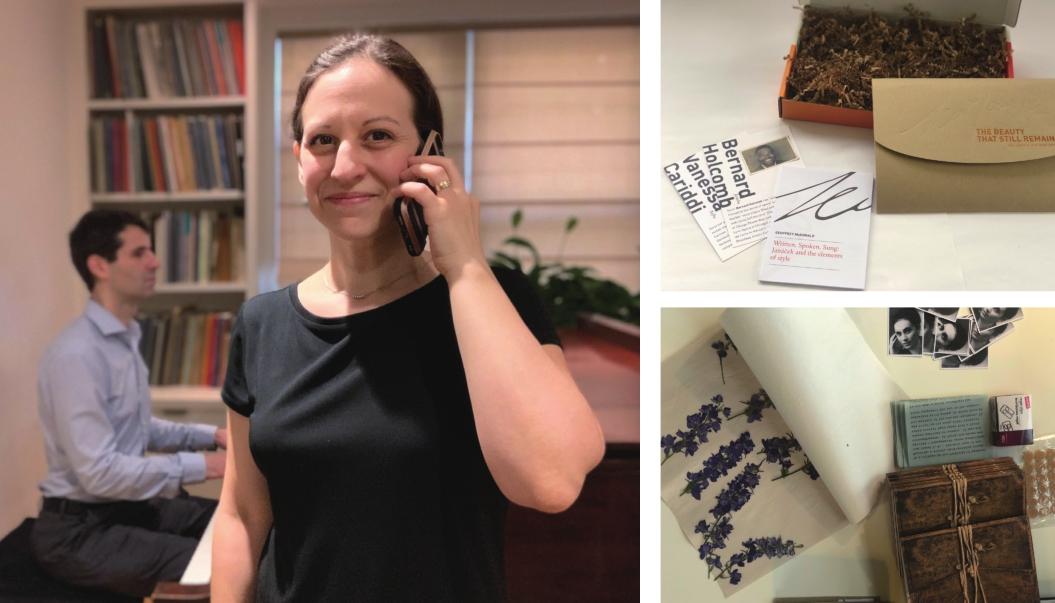
沒等多久,新的個案就冒了出來。我很少有機會于每年的1月留在紐約市,觀賞紐約公共劇院(實質上美國的國家劇院)的跨越藝術體裁的年度大戲——“雷達之下藝術節(jié)”(Under the Radar Festival)。令人啼笑皆非的是,即便我今年身在紐約也不用特意到現場觀看了,因為今年藝術節(jié)的全部節(jié)目都放到了互聯網上。其中有兩項演出跟現場歌劇團保持社交距離的制作手法同出一轍,甚至更勝一籌。
首先是《千方百計(一):打電話》[ A Thousand Ways (Part One): A Phone Call ],由“600狂徒”(600 Highwaymen)這個實驗劇團策劃。劇團的兩位編劇、創(chuàng)作者是阿比蓋爾·布勞德(Abigail Browde)與邁克爾·斯爾瓦斯頓(Michael Silverstone),他們探索的是長途距離。跟現場歌劇團《致遠方的愛人》的模式相近,演出通過電話傳送,而在另一端拿著話筒的人也是觀眾之一。《致遠方的愛人》中盡管利用電話演繹貝多芬的套曲,但人們聆聽的藝術體驗僅僅是單向式的。《打電話》就不一樣,它是一個百分百互動的作品,引導兩個素未謀面的陌生人通過自動語音提示交談起來。自動語音提示包括“用四個形容詞描述你的童年”,也會帶領兩位參與者進入一個預設的場景——“在沙漠的路上,你們開的車壞了……”。參與對話的兩個人既是觀眾也是演員(他們如何設定“演員”的角色因人而異,甚至可以編造謊言,因為彼此無法鑒定對方說的話是真是假)。在一個小時之內,《打電話》道破了因疫情隔離而影響到我們心理狀態(tài)的癥狀。雙方都沿著有條理的道路前進,引發(fā)了對話和敘事想象力,并促進了聯系和建立信任——簡而言之,受過去一年疫情封鎖隔離的影響,“交流”這一社交技能對于很多人來說都變得陌生了。
“雷達之下”的另一個制作則沿用了現場歌劇團《仍然存在的美麗》的基本概念,但把它用數碼技術這個“粒子加速器”狠狠地推了一把。《富孩子:德黑蘭購物中心的歷史》(Rich Kids: A History of Shopping Malls in Tehran)由兩位現居英國的劇場創(chuàng)作人——賈瓦德·阿里普爾(Javaad Alipoor)與柯斯蒂·霍斯利(Kirsty Housley)在Zoom上講述了一個真實的、關于兩個持有特權的伊朗年輕人因吸毒而引發(fā)的車禍。敘事充滿戲劇性,死者推崇的享樂主義及奢華的生活細節(jié),都在線上圖片共享應用程序Instagram上顯示出來——盡管這些圖片都是劇作家虛構出來的。
想要完全理解這個故事,你的眼球要不停地轉來轉去,一會兒看著電腦屏幕,一會兒瀏覽手機應用程序上推送的照片。很可惜,兩者在演出期間不總是完全同步的。但這些駭人的、接二連三推出的小道消息有效地編織出一個復雜社會的大圖景。在一個小時的演出時長里,一層層的參考資料堆疊在一起,它們互相碰撞,令觀眾感官爆炸,就像面臨車禍時的那種驚心動魄。
《打電話》是應新冠疫情而生的新作品,《富孩子》的原始版本早已在曼徹斯特國際藝術節(jié)的舞臺上亮相。觀眾的眼光經常要從舞臺上轉移至手機顯示的Instagram程序上,后者簡直就是視覺上的疲勞轟炸。很奇怪,我看(由倫敦巴特西藝術中心委約的)線上版本一點都感覺不到換轉媒體具有事后添加之嫌。互聯網更像是《富孩子》真正的歸宿。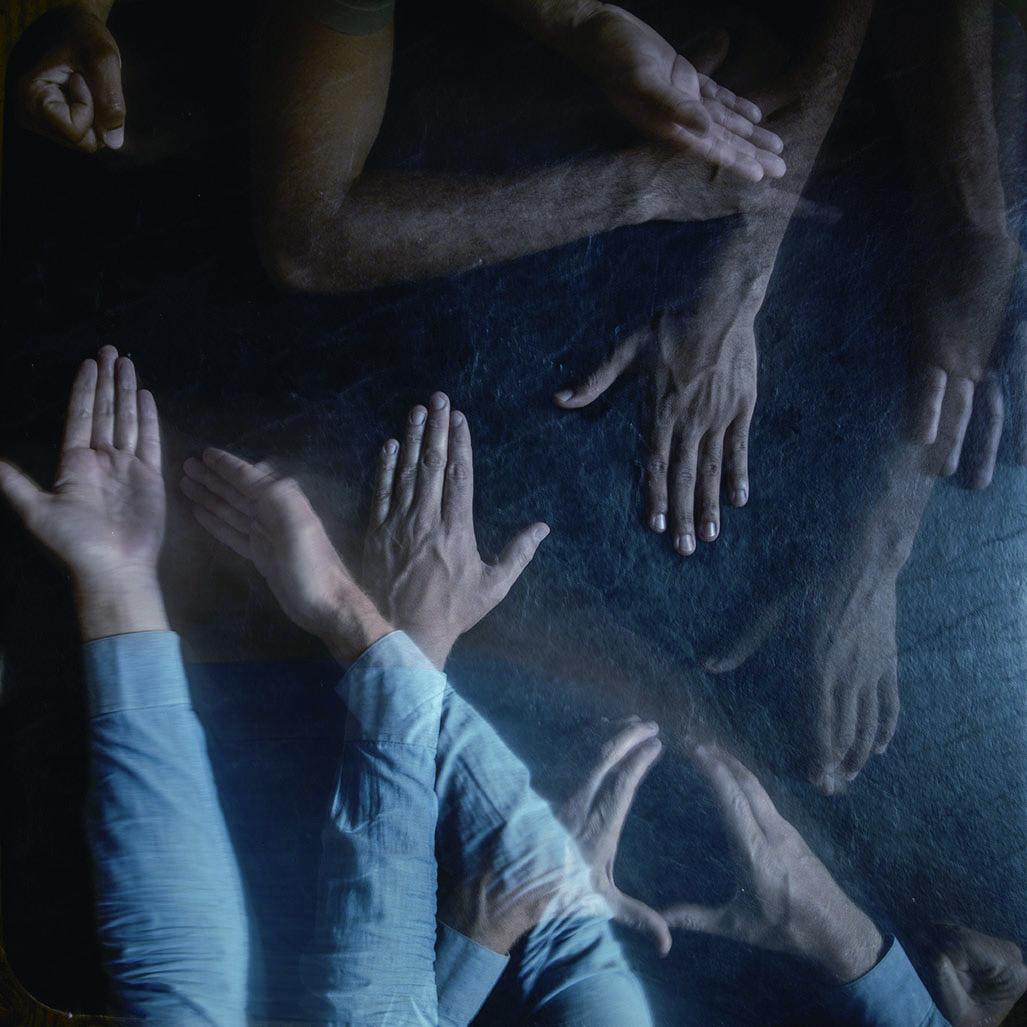
雖然我沒有看過舞臺版的《富孩子》,但我可以想象得到觀眾們的抱怨:“這么多年來一進劇場,工作人員就叮囑我們要把手機關上。現在要我們必須保持開機嗎?還要求我們在演出期間玩手機?”也許掏錢看藝術節(jié)的觀眾們比較前衛(wèi),但我的確在紐約現場歌劇團演出期間目睹過類似的情況。
新冠疫情發(fā)生的前一年,現場歌劇團在一個露宿者收容所里搬演了梅諾蒂的《阿馬爾與夜來客》(Amahl and the Night Visitors),利用電腦軟件直接將字幕發(fā)送到觀眾的手機里。約半數的觀眾拒絕利用這個新程序。不幸的是,這部分觀眾連節(jié)目介紹信息也無法看到,因為節(jié)目單都同樣被數字化了,只顯示在手機上。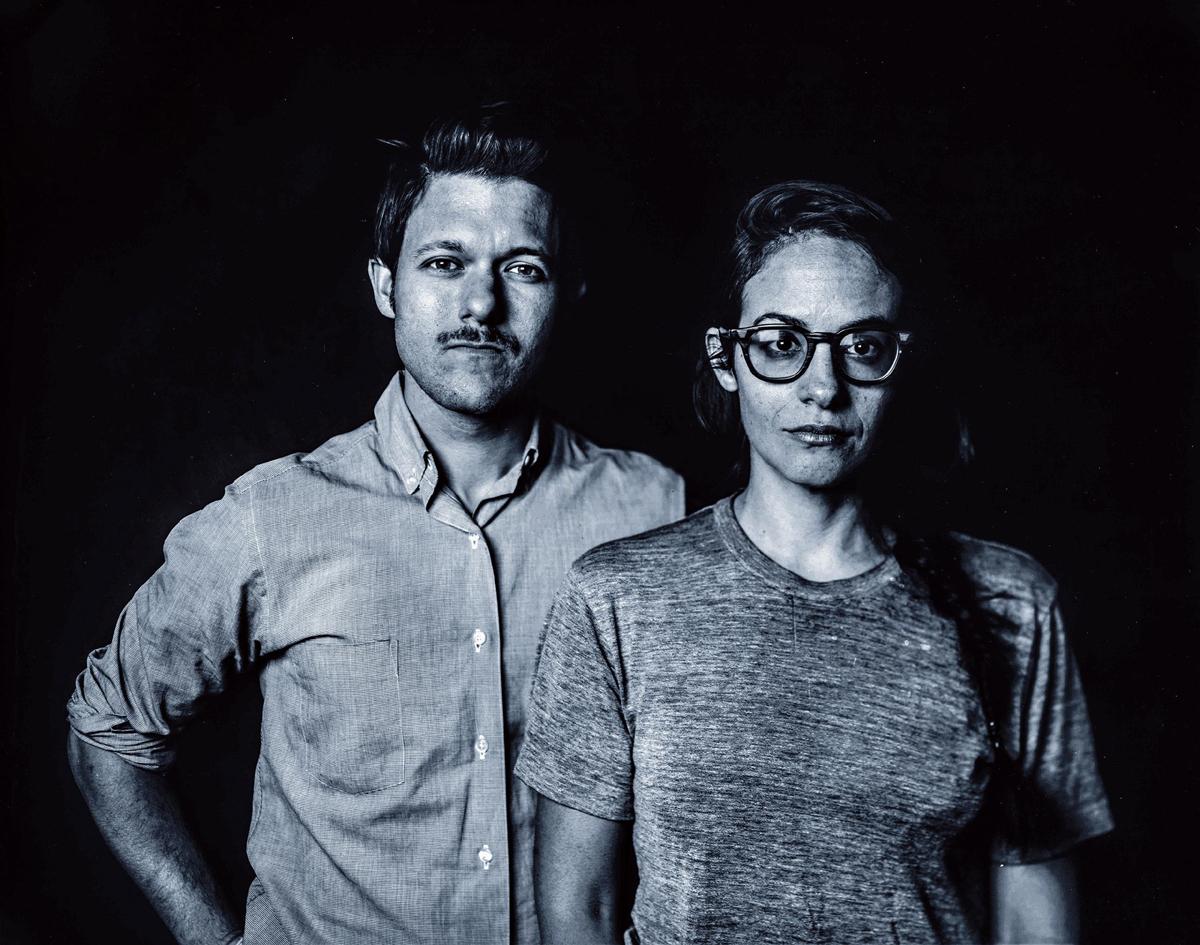
兩年的光景是一段很長的時間。我們現在探討的科技與程序,到了劇院重開、舞臺演出復蘇的時候,可能早已物是人非了。本年度很多舉辦了現場演出的團體不再提供紙質的節(jié)目單了,改為運用投影科技提供字幕與節(jié)目介紹。那些缺乏設備的劇場大可以模仿現場歌劇團,鼓勵觀眾利用手機;而那些在投影藝術方面能夠發(fā)揮創(chuàng)意、本身不依靠昂貴布景而蓬勃發(fā)展的小團體,如果當中有具有創(chuàng)意的團員懂得在小屏幕上締造出吸引觀眾的生動的平行世界,那么連租賃昂貴的投影機的費用都可以省掉了。
直至一切再次恢復的那一天,我們很難預測哪些新發(fā)展會持續(xù)下去,哪幾樣是只屬于暫時性的文化措施。但可以肯定地說,未來的表演藝術形式會怎樣演變,觀眾會有如何的感應,就要看有多少年輕藝術家用心發(fā)掘通信科技的潛能了。
Is it just me, or is everyone getting a little tired of sitting in front of a computer screen? Not that opera lovers have much choice these days. Even the few companies that did manage to get to a proper stage this year have wound up closing shop and marking time through the next lockdown. And unfortunately, few of those Covid-proof productions could ever be confused with what we used to call opera.
So were still stuck with livestreams from the Metropolitan Opera and a handful of other houses, a double-barreled reminder of how opera used to be and how long it will probably be—if ever—before those times return. Somewhere between my third Ring Cycle and my fourth time through the “Met in HD” stream of John Adamss Nixon in China I kept thinking, There has to be more than this.
Fortunately, it seems some people have heard me. In the past couple of months, a few enterprising young producers, realizing that the opera world has traded the stage for the laptop,have started reminding us that we also have smartphones. Two recent productions from New Yorks On Site Opera have provided additional methods of home delivery, namely the telephone and the old-fashioned mailbox.
Admittedly, To My Distant Love and The Beauty That Still Remains are a bit of gimmick. Truth be told, they arent even operas. The first was actually a 20-minute song cycle by Beethoven, performed live over the phone as a “private message” to one audience member at a time (ticket buyers had the choice of hearing soprano Jennifer Zetlan or baritone Mario Diaz-Moresco). The second, subtitled“Diaries in Song,” was a more ambitious trio of song cycles (Janá?eks Diary of One Who Disappeared, Dominick Argentos From the Diary of Virginia Woolf, and Julia Halls A World Turned Upside Down), packaged in a small mailing box with separate envelopes serving as concert programs, along with actual replicas of the diaries, various items (family photos, dried flowers) mentioned therein, and the QR code and URL for the prerecorded audio.
A gimmick, yes, but a clever one channeling the communal immediacy of immersive theatre into a private tactile experience. Id lay odds that neither “phone opera” nor “opera by mail” will become standard performance practice after theatres reopen, but it did make me wonder: With so many new technologies and media platforms now available, how much further can “stage”productions go?
I didnt have to wait very long. This was the first time in many years Id been in New York during January, when New Yorks Public Theater (the de facto national theatre of the US) presents its annual genre-busting Under the Radar Festival. Funny thing is, this year I didnt even have to be in New York, since this festivals offerings had migrated entirely to the internet. But two productions in particular carefully followed and augmented On Sites socially distanced tactics.
The first, A Thousand Ways (Part One): A Phone Call by the experimental theatre troupe 600 Highwaymen (a.k.a. writer/creators Abigail Browde and Michael Silverstone), was not just distanced but long-distanced. Like On Sites Distant Love, it involved an actual phone call, though in this case the person on the other end of the line was a fellow audience member. Unlike the Beethoven cycle—which, medium notwithstanding, was a traditionally unidirectional artistic experience—A Phone Call was a supremely interactive work where two anonymous strangers engaged in a conversation triggered by an automated voice prompt. Following questions like “What are four words that described you as a child?” and narrative scenarios like “Youre driving in the desert together and the car breaks down,” each conversation partner becomes both audience and performer—the latter offering much room for creative fabrication since neither party has the means to gauge the others veracity. In the course of an hour, A Phone Call laid bare the tolls of pandemic isolation, with both parties moving along a well-guided path that triggered conversation and narrative imagination, as well as fostering connection and establishing trust—in short, the very social skills that have often gone dormant in many people this year.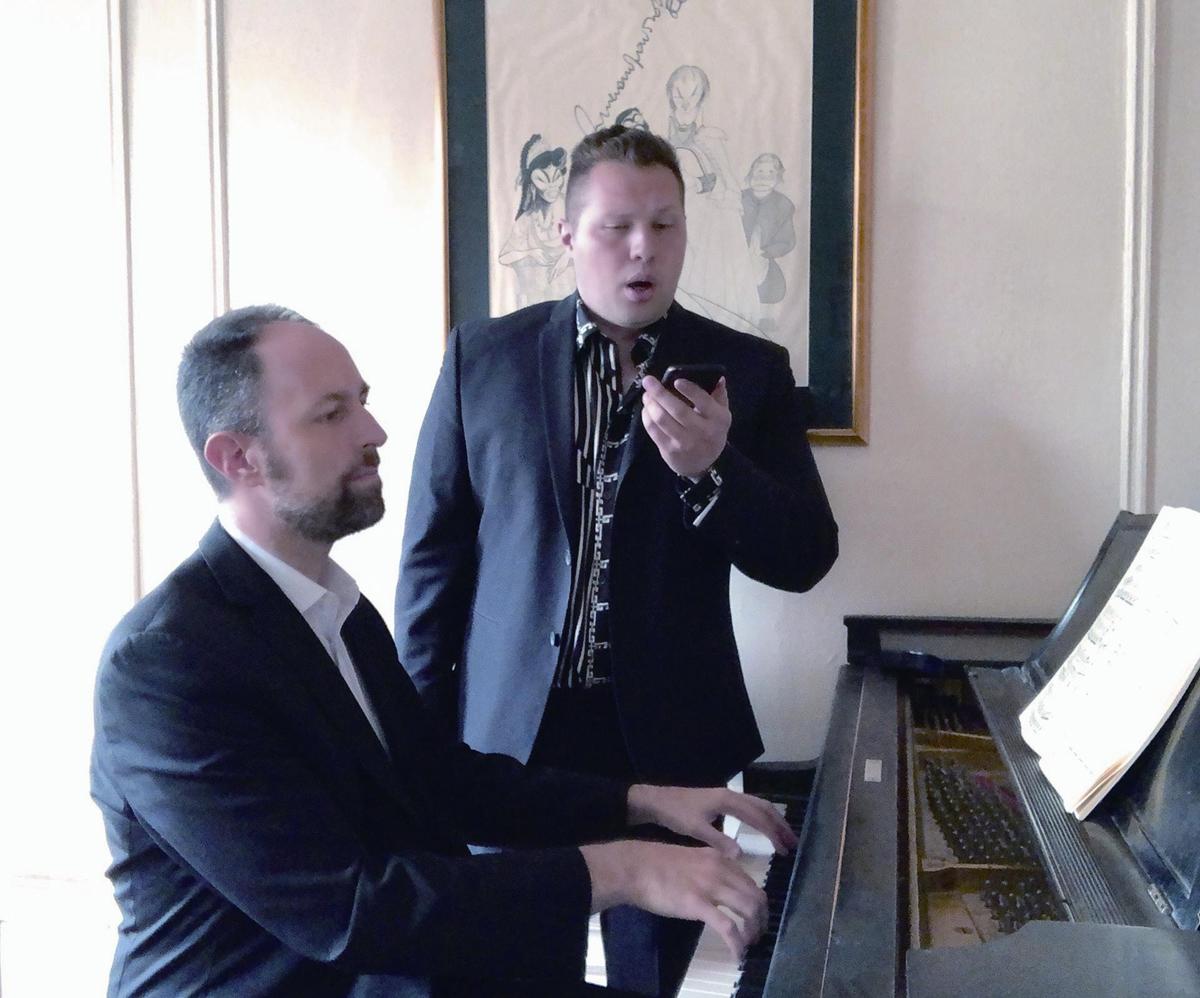
Likewise, another Under the Radar production took the basic concept of On Sites Beauty That Still Remains and essentially put it through a digital particle accelerator. Rich Kids: A History of Shopping Malls in Tehran, featured its UK-based creators Javaad Alipoor and Kirsty Housley on Zoom narrating the true story of two young, privileged Iranians and their cocaine-fueled car crash with all the dramatic, hedonistic details of conspicuous consumption colorfully documented in a fictional feed on the photo-sharing app Instagram.
Following the story in full required bouncing back and forth between a computer screen and a smartphone, which alas were not always in synch. Much more connected was how these lurid tabloid threads wove together into a much more elaborate sociological tapestry. Layers of references compounded and collided for nearly an hour, with the resulting sensory overload inspiring much the same feeling as the impending crash.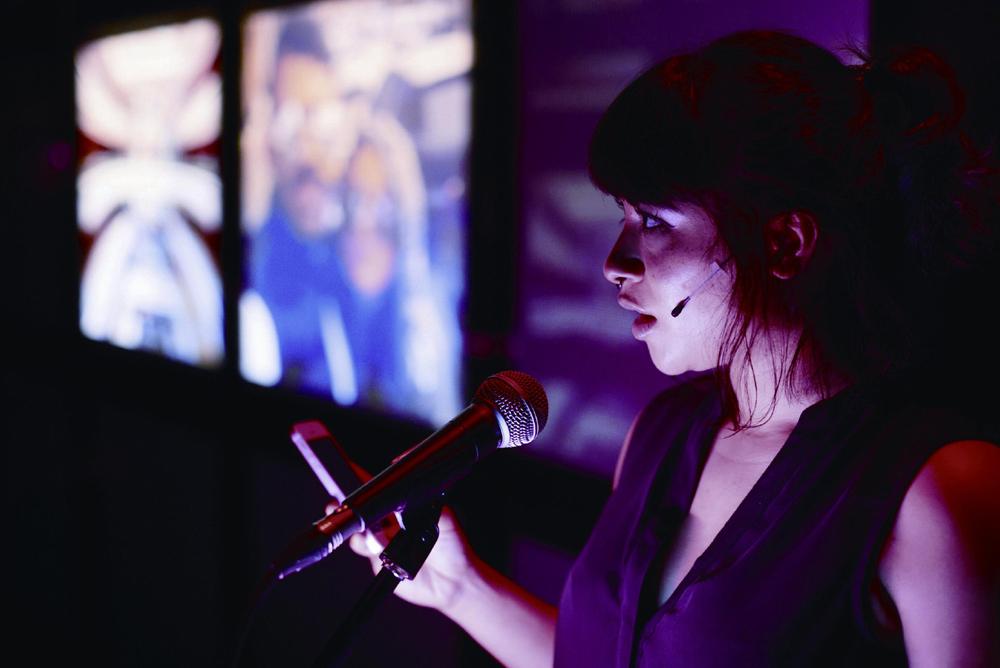
Unlike A Phone Call, which was developed during the pandemic and largely inspired as a reaction to it, Rich Kids was originally a live theatre piece for the Manchester International Arts Festival where audience members had to shift attention regularly from the live performers minimalist delivery to Instagrams visual overkill. And yet, the online version commissioned by Londons Battersea Arts Centre seemed to be less of an afterthought than the storys true home.
Though I didnt see Rich Kids live, I can already hear the audience complaining: After years of being told to turn off our mobile phones in the theatre, we now have to keep them on? And play with them during the show? Maybe I misjudge the festival crowd, but thats pretty much what I saw happen at, yes, an On Site Opera production in New York.
A year before the pandemic, On Site staged a production of Menottis Amahl and the Night Visitors in a homeless shelter using software that streamed surtitles directly to peoples phones. About half the audience refused. Unfortunately, they never got any other production information either, since concert programs were only delivered digitally as well.
But two years is a long time, and this may all change by the time live performances return. Many venues that did present events this year stopped handing out paper entirely, similarly using projections not just for surtitle translations but also to announce all program information. Less-equipped venues, though, could follow On Site and simply ask audiences to leave your phone on. Smaller companies—the very ones that thrive on projection designs instead of costly sets—wouldnt even need the expensive projectors if enough enterprising artists create vivid parallel worlds on the small screen.
Its still hard to tell which new developments will stick around and which are simply place holders till we get our act together. But safe to say, much of how performances of the future will look and feel depends on how many young artists keep phoning it in.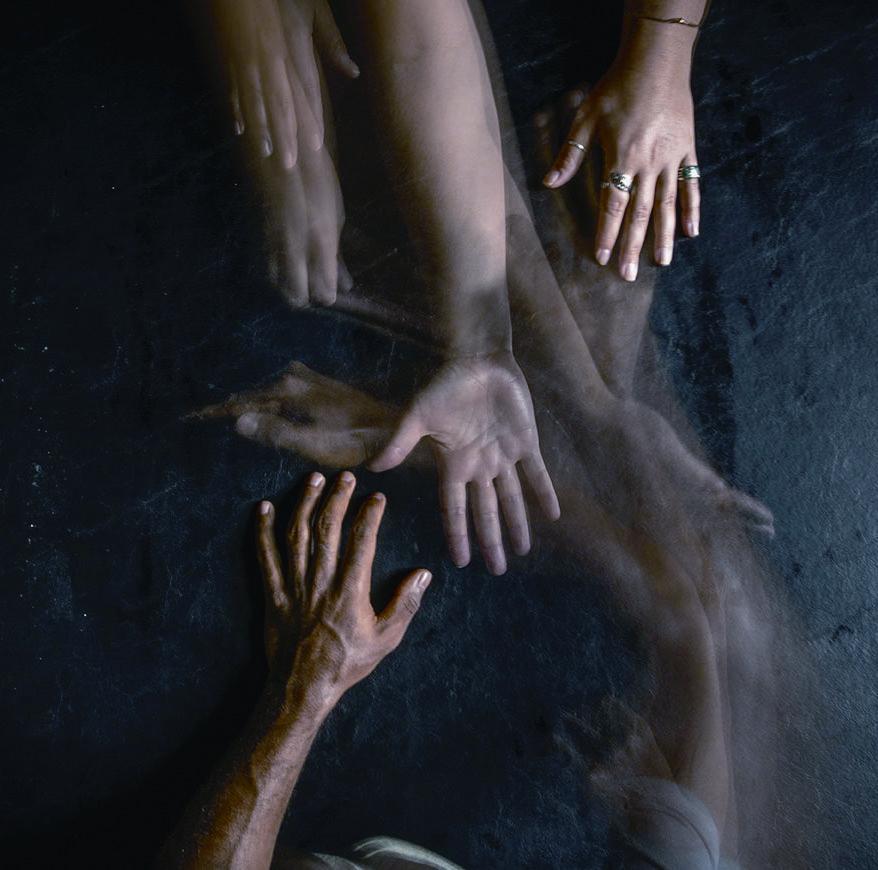
猜你喜歡
鳳凰動漫(軍事大王)(2022年3期)2022-06-17 01:47:32
鳳凰動漫(軍事大王)(2022年1期)2022-04-19 11:35:30
音樂天地(音樂創(chuàng)作版)(2021年3期)2021-05-25 12:05:06
小哥白尼(趣味科學)(2019年2期)2019-04-17 02:18:30
歌劇(2017年11期)2018-01-23 03:41:29
歌劇(2017年11期)2018-01-23 03:41:20
歌劇(2017年7期)2017-09-08 13:09:37
歌劇(2017年4期)2017-05-17 04:07:32
好孩子畫報(2014年6期)2014-07-25 03:20:04
聲屏世界(2014年1期)2014-02-28 15:17:26
