Powerful Identity: Nuo Masks
2021-01-04 13:55:20XieZongming
中國-東盟博覽(旅游版) 2021年12期
Xie Zongming
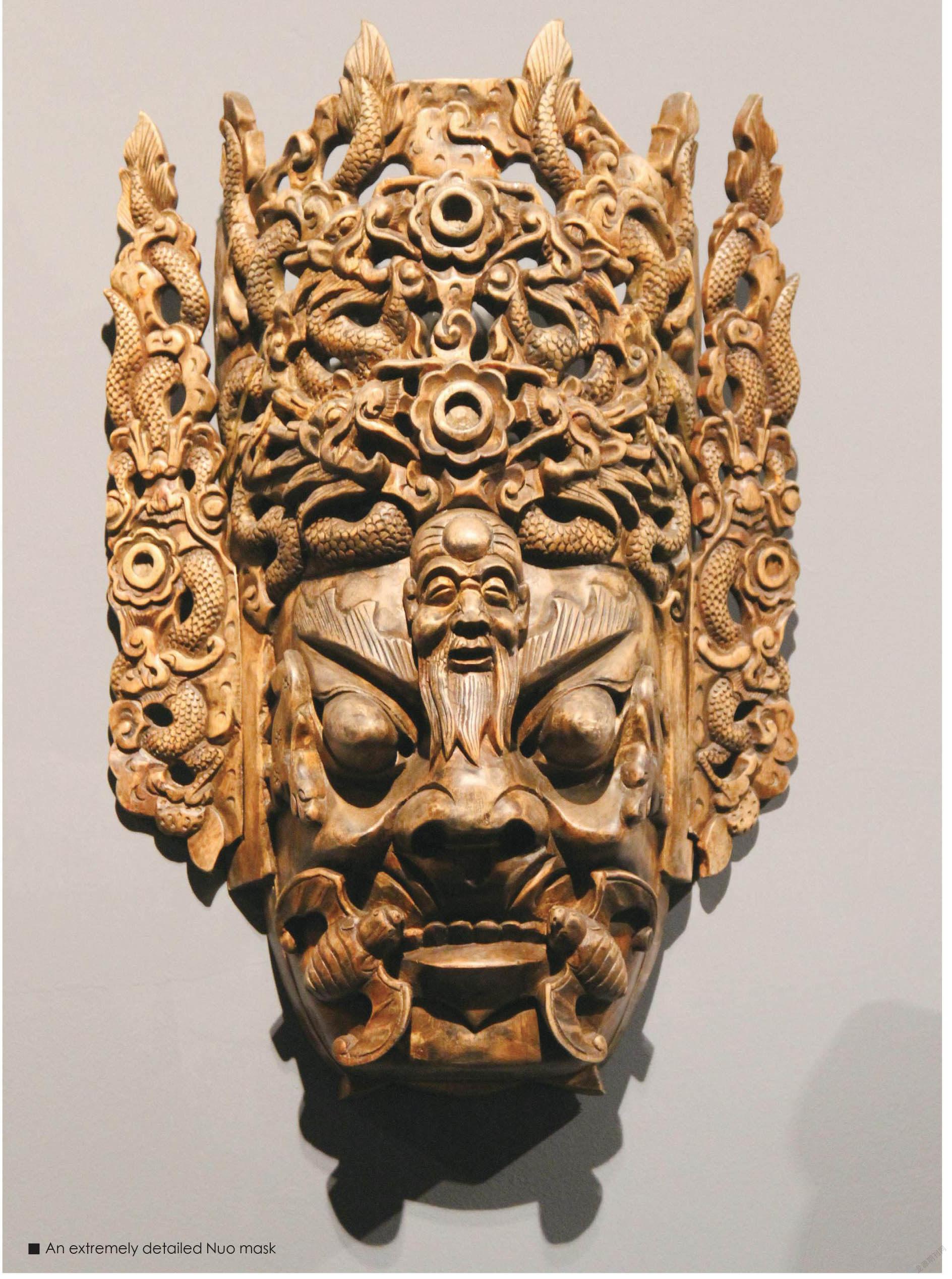
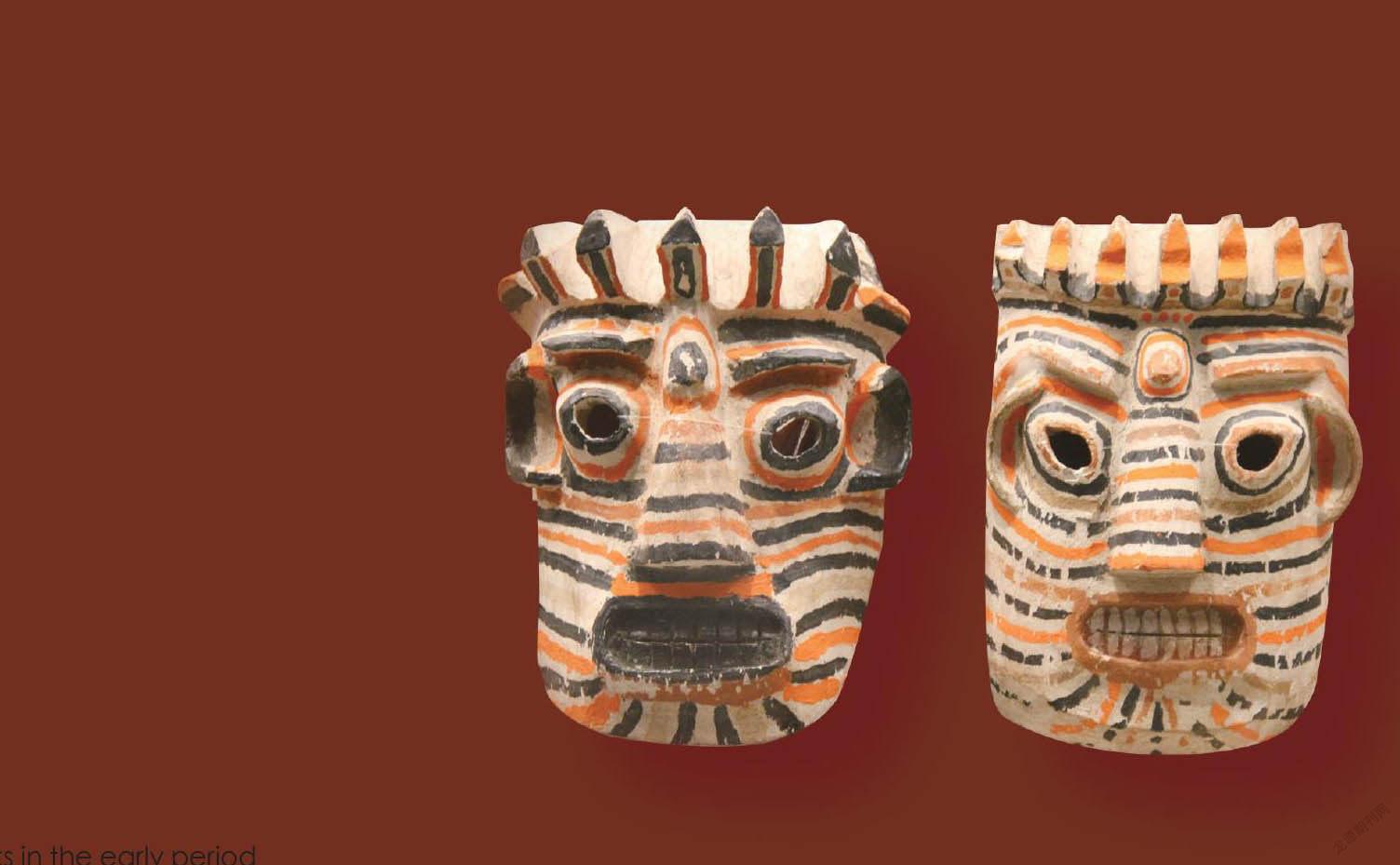
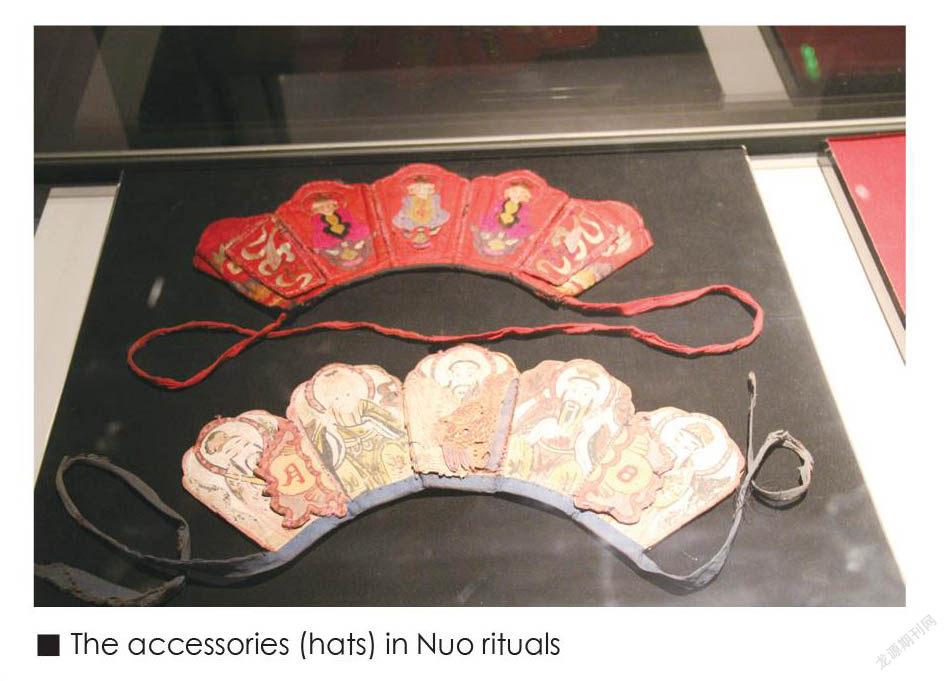
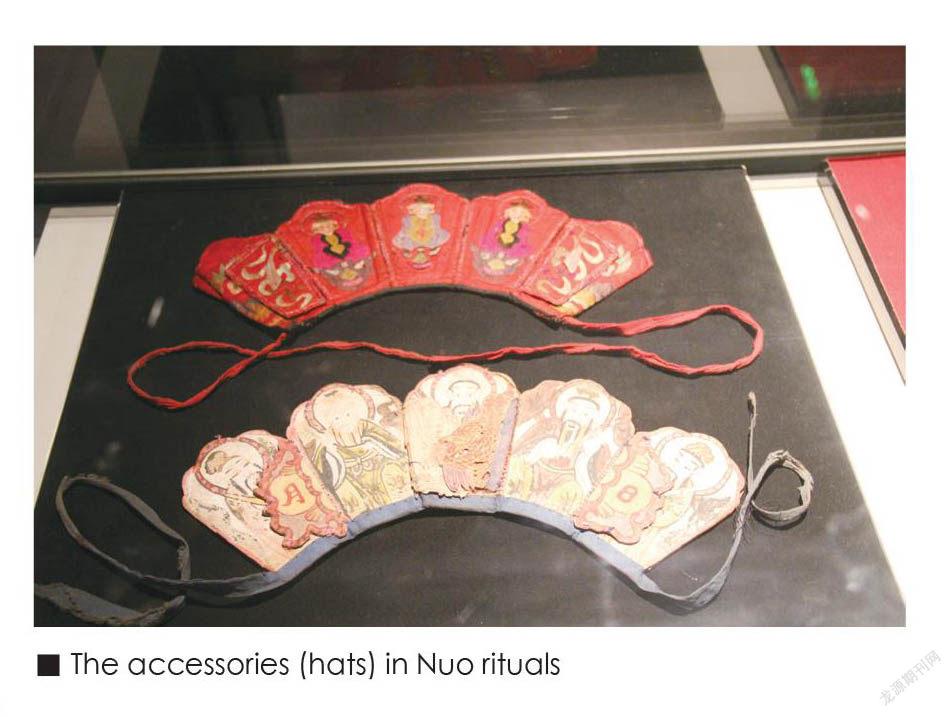
Nuo, an old Chinese word with several interpretations, is seldomly known by Chinese people today. In the ancient Chinese dictionary, the word is explained as “the sound to horrify evil creatures”. Nowadays, Nuo refers to a series of traditional cultural practices widely spread among the ethnic minorities in Southern China. The most significant feature of Nuo-related practices, such as songs, dances, operas, and rituals, is the Nuo masks. In Nuo culture, people wearing the masks of powerful beings will also gain power, with which people can scare away disasters and evil creatures.
A wide-spread primitive belief
Nuo culture is the oldest belief in China. Originally, Nuo was a ritual to dispel and prevent plague in the primal time. Rock paintings with animal-head figures in the late Paleolithic were discovered and are believed to be the early image of Nuo rituals. As early as Shang Dynasty (1600-1046 BC), there were formal Nuo rituals, which became the standard of Nuo rituals later on. Furthermore, entering the imperial age of China, the rituals had been introduced to the court and held by appointed officials. The figures of the 12 mystical creatures first showed up in this kind of state-held ritual in the Eastern Han Dynasty (25-220 AD), which became the origin of the Nuo Opera. In Song Dynasty (960–1279), the rituals integrated symbols and practices of Taoism and Buddhism in accordance with religious changes in China. With more changes in religion and custom, this official formality gradually lost popularity and eventually stopped in the later dynasties.
However, the Nuo culture remains after being absorbed by the local ethnic culture in Southern China, the birthplace. The Nuo Opera is often categorized into literary and martial operas. The former focuses on storytelling, whereas the latter features martial arts and the performers often carry prop weapons. Though they are no longer formal rituals, Nuo troupes still follow some of the formalities. For instance, they need to go through a divination ritual before the actual performance and there are fixed operas for different occasions. Jiangxi is one of the birthplaces, whose bronze masks unearthed date back to the Shang Dynasty. These dances have dramatic motion, which is reasonable considering they were rituals to scare off bad lucks and evil creatures, and they are known as the living examples of Chinese dance culture development.
During the performance, dancers wear the Nuo masks of various roles in the play, for which the masks have become a cultural symbol.
Masks that give people power
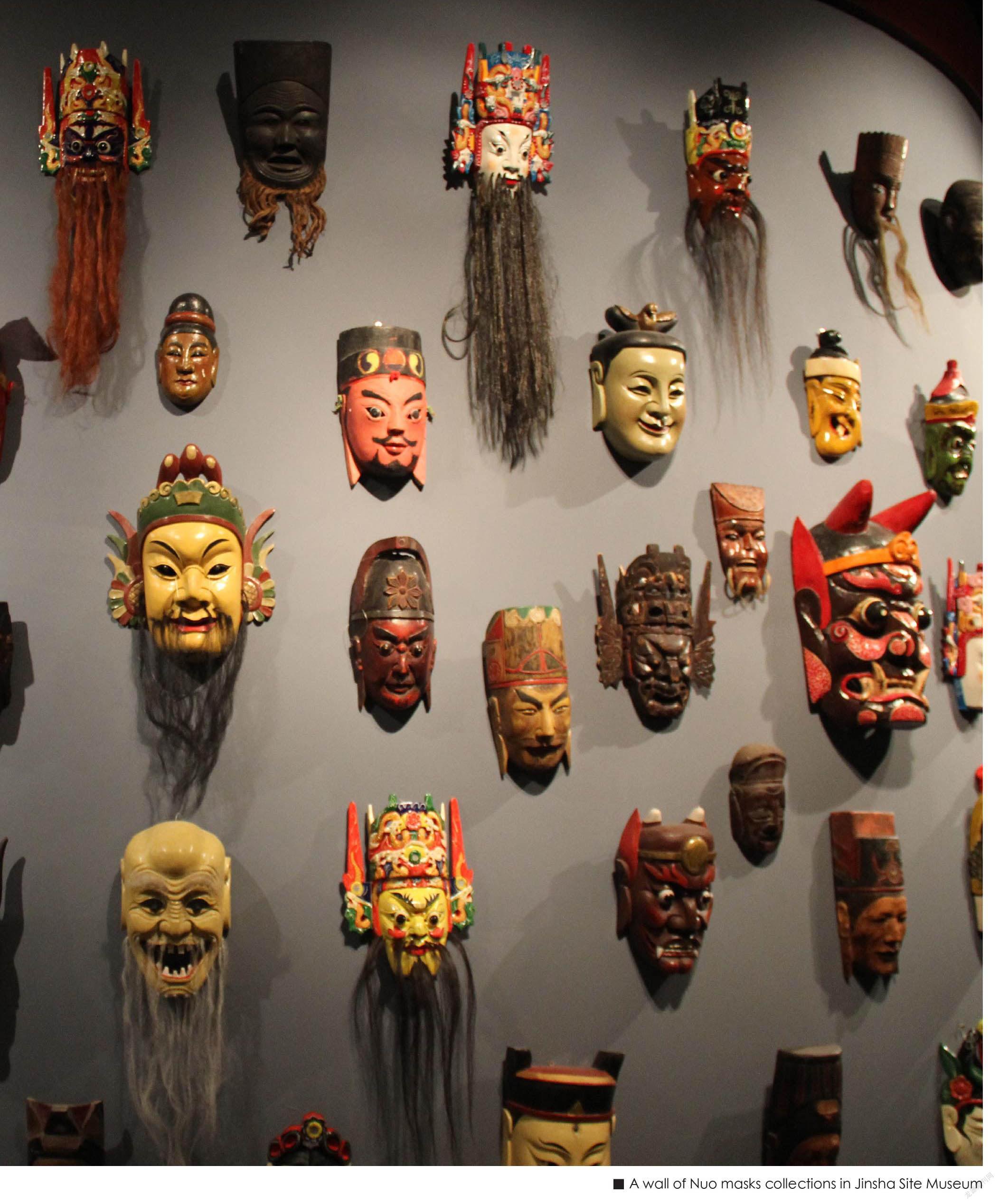
Since the Nuo rituals were created to banish evil such as drought, plague, and beasts, performers need to seek divinity for heavenly power, for which they wear masks when dancing. Different Nuo masks represent different characters such as kind gods, fierce gods, and clowns. And the masks are categorized according to these 3 types. The masks of kind gods are carved like the human face, often with friendly facial expressions. These masks are used for celebrating joyous occasions like weddings, birthdays, and graduation, praying for good luck. Fierce gods, on the other hand, have scary appearances, often with bulgy eyes and tusks to demonstrate their anger and violent nature. The masks of these are used in rituals against plague or beasts. Unlike the former two kinds of masks mentioned, masks of clowns that have funny faces appear in entertaining Nuo operas, such as historic-based and storytelling operas.
In Nuo culture, wearing the masks of gods would transmit gods’ power. For this reason, the Nuo performer is not allowed to speak a word of his own once the mask is put on. A fun fact that shows Nuo culture’s influence on Chinese art is that this custom is also seen in Beijing Opera, where the actor of Guan Yu, an ancient Chinese general who was later considered the Martial God, can’t talk or be talked to once he puts the facial makeup on. There is a kind of Nuo masks in temples that are much bigger than regular ones and are used as idols for people to worship. All of the facts have shown people’s respect for Nuo masks.
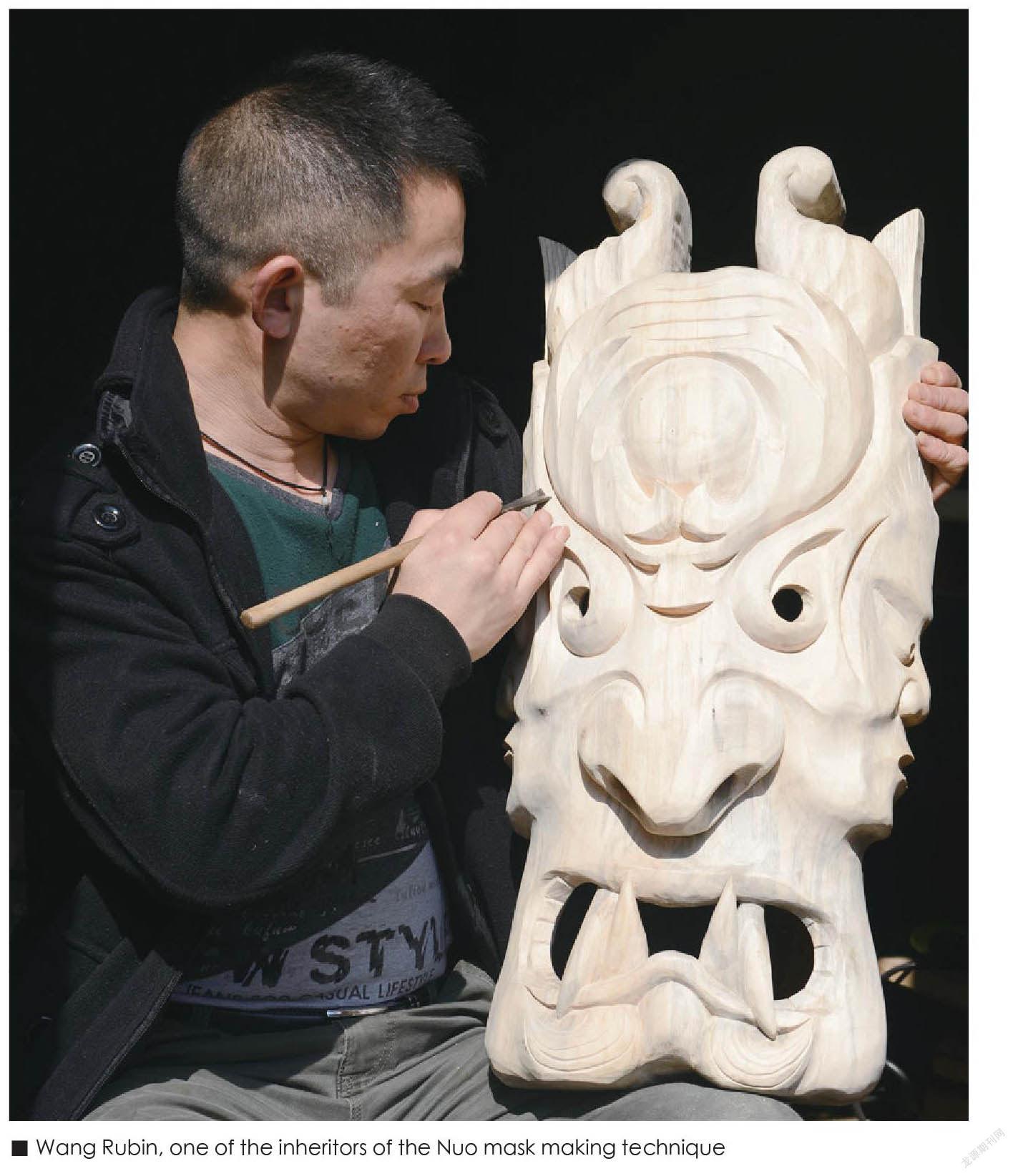
The Nuo masks in Pingxiang city, Jiangxi are the most typical in China. There is a collection of 700 ancient Nuo masks, a large number considering the perishability of its material, including the unique stone Nuo masks and the masks of the 12 mystical creatures mentioned earlier were also discovered here. Aside from collection, the city also has its Nuo mask-making technique listed as China’s intangible cultural heritage. The carving technique dates back to as early as the Song Dynasty, which focuses on demonstrating the details of facial expressions. The masks are made of camphorwood and painted with dashing colors following the ancient pattern. A mask is not considered finished without the ritual of drawing eyes. According to the culture, this ritual can enchant the mask with the divine power it represents, marking the end of the process.
Nuo culture showcases the early faith, custom, and art of Chinese civilization, making it the best example for comprehensive cultural researches. Though the superstition of the rituals is less influential as science gradually reveals the truth of the world, the spirit of this culture that people would rather fight against evil than flee is still encouraging in modern days.
Tips
Nuo culture is mainly in Southern China, such as Guizhou, Guangxi, Jiangxi, and Fujian. The Feitao of the Maonan ethnic group mentioned in the earlier issue is also a kind of Nuo ritual, which is quite obvious considering the similarity in using Nuomian (Nuo mask).
A wide-spread primitive belief
Nuo culture is the oldest belief in China. Originally, Nuo was a ritual to dispel and prevent plague in the primal time. Rock paintings with animal-head figures in the late Paleolithic were discovered and are believed to be the early image of Nuo rituals. As early as Shang Dynasty (1600-1046 BC), there were formal Nuo rituals, which became the standard of Nuo rituals later on. Furthermore, entering the imperial age of China, the rituals had been introduced to the court and held by appointed officials. The figures of the 12 mystical creatures first showed up in this kind of state-held ritual in the Eastern Han Dynasty (25-220 AD), which became the origin of the Nuo Opera. In Song Dynasty (960–1279), the rituals integrated symbols and practices of Taoism and Buddhism in accordance with religious changes in China. With more changes in religion and custom, this official formality gradually lost popularity and eventually stopped in the later dynasties.
However, the Nuo culture remains after being absorbed by the local ethnic culture in Southern China, the birthplace. The Nuo Opera is often categorized into literary and martial operas. The former focuses on storytelling, whereas the latter features martial arts and the performers often carry prop weapons. Though they are no longer formal rituals, Nuo troupes still follow some of the formalities. For instance, they need to go through a divination ritual before the actual performance and there are fixed operas for different occasions. Jiangxi is one of the birthplaces, whose bronze masks unearthed date back to the Shang Dynasty. These dances have dramatic motion, which is reasonable considering they were rituals to scare off bad lucks and evil creatures, and they are known as the living examples of Chinese dance culture development.
During the performance, dancers wear the Nuo masks of various roles in the play, for which the masks have become a cultural symbol.
Masks that give people power
Since the Nuo rituals were created to banish evil such as drought, plague, and beasts, performers need to seek divinity for heavenly power, for which they wear masks when dancing. Different Nuo masks represent different characters such as kind gods, fierce gods, and clowns. And the masks are categorized according to these 3 types. The masks of kind gods are carved like the human face, often with friendly facial expressions. These masks are used for celebrating joyous occasions like weddings, birthdays, and graduation, praying for good luck. Fierce gods, on the other hand, have scary appearances, often with bulgy eyes and tusks to demonstrate their anger and violent nature. The masks of these are used in rituals against plague or beasts. Unlike the former two kinds of masks mentioned, masks of clowns that have funny faces appear in entertaining Nuo operas, such as historic-based and storytelling operas.
In Nuo culture, wearing the masks of gods would transmit gods’ power. For this reason, the Nuo performer is not allowed to speak a word of his own once the mask is put on. A fun fact that shows Nuo culture’s influence on Chinese art is that this custom is also seen in Beijing Opera, where the actor of Guan Yu, an ancient Chinese general who was later considered the Martial God, can’t talk or be talked to once he puts the facial makeup on. There is a kind of Nuo masks in temples that are much bigger than regular ones and are used as idols for people to worship. All of the facts have shown people’s respect for Nuo masks.
The Nuo masks in Pingxiang city, Jiangxi are the most typical in China. There is a collection of 700 ancient Nuo masks, a large number considering the perishability of its material, including the unique stone Nuo masks and the masks of the 12 mystical creatures mentioned earlier were also discovered here. Aside from collection, the city also has its Nuo mask-making technique listed as China’s intangible cultural heritage. The carving technique dates back to as early as the Song Dynasty, which focuses on demonstrating the details of facial expressions. The masks are made of camphorwood and painted with dashing colors following the ancient pattern. A mask is not considered finished without the ritual of drawing eyes. According to the culture, this ritual can enchant the mask with the divine power it represents, marking the end of the process.
Nuo culture showcases the early faith, custom, and art of Chinese civilization, making it the best example for comprehensive cultural researches. Though the superstition of the rituals is less influential as science gradually reveals the truth of the world, the spirit of this culture that people would rather fight against evil than flee is still encouraging in modern days.