
Chinese Wine 中國葡萄酒史
2020-12-23 04:51:02薛洪君
英語世界 2020年11期
薛洪君
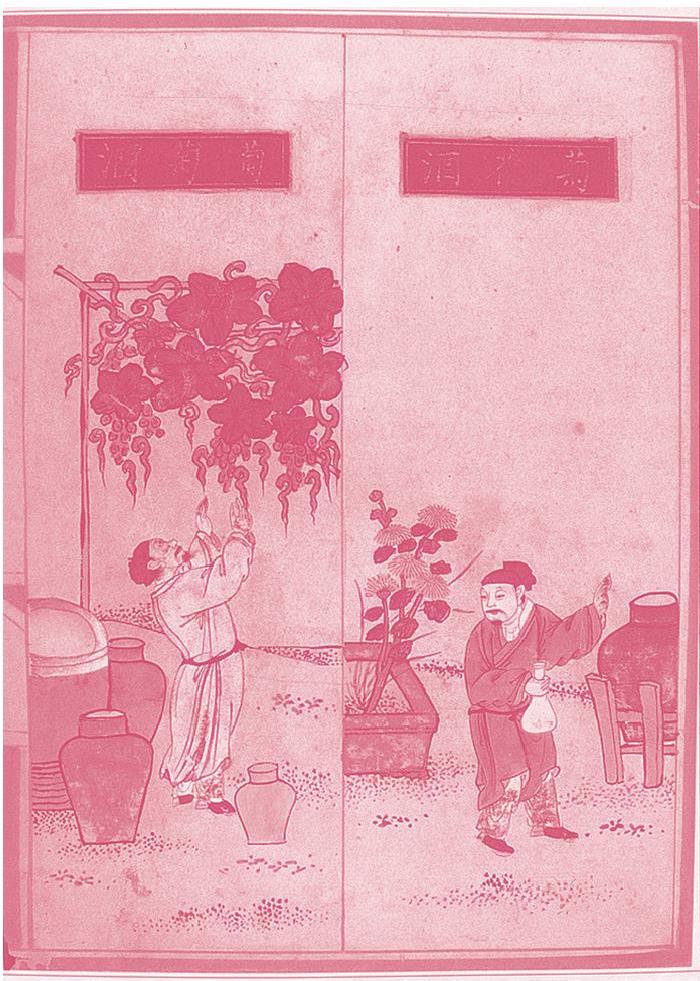
The Chinese do not see wine as one of the necessities of life, but the culture of wine has made, and continues to make, an impact on the way the Chinese live.
Chinese alcoholic drinks are made chiefly from grain. Throughout Chinas long history, with its large population and long-term reliance on agriculture, fluctuations in the wine trade have been closely related to political, economic and social conditions.
Indeed, successive ruling dynasties either issued or relaxed restrictions on wine production according to the quality of grain harvests in order to make sure that people had enough to eat.
In some areas the flourishing of the wine business was not just the outcome of general prosperity in good years, but also encouraged and invigorated the social life of the region.
Traditionally, wine had three important uses: to perform rituals, to dispel ones worries and to heal. Chinese wine making can be traced back as far as c.1 4000 BC, to the early period of the Neolithic2 Yangshao Culture.
Chinese wine is traditionally based on grains, with only a few wines being made from fruit. In China, the practice of using grapes to produce wine probably dates back to the Han Dynasty (202 BC—220 AD) or the Three Kingdoms period in the Central Plains (220—280 AD).
According to The Record of the Grand Historian, a monumental ancient Chinese history book, in 138 BC, the Han Dynasty envoy Zhang Qian arrived in the western region, seeing “l(fā)ocals make wine in ceramic pots and wealthy people store tens of thousands of kilograms of wine, which could last for scores of years”.
The Chinese had originally acquired grape plantation and wine brewing technology from the Persians.
Grape wine is easier to produce than rice wine. However, as grapes are seasonal and cannot retain their freshness for long compared to grain, grape wine-making technology was not adopted extensively in ancient China.
The Tang Dynasty (618—907) saw increased interaction between Chinese and foreign cultures. During this particular period of time, wine was a valuable commodity in the Central Plains and there were stores in the capital city of Changan offering wine from the western region.
Tang poetry also contributed to the rising popularity of wine. The Tang poet Wang Han composed the following Liangzhou Lines in the eighth century: “They are about to drink / The finest wine from Evening Radiance cups, / When the sudden sounding of the pipa urges them forth. / Dont scorn them, / They whom drunken fall upon the battlefield: / In ancient days or now, how many return who go to war?”
This often-cited poem recounts a feast of border defence troops in celebration of their victory in a battle. Halfway through the feast, news of renewed enemy invasion broke, and the soldiers immediately set out again.
The pipa (Chinese lute) tunes made the poem sentimental: throughout history, how many soldiers manage to come back alive from the frontier?
During the Yuan Dynasty, Mongolian rulers were especially fond of wine. They decreed that wine be used in sacrificial rites at the Royal Ancestral Temple, and ordered the opening of wine yards in Taiyuan of Shanxi and Nanjing of Jiangsu. They even built a wine cellar in the imperial palace.
The Compendium of Materia Medica describes two methods for making wine. One simple method was to “use grape juice for fermenting in the same way as the fermentation of glutinous rice, or use dried crushed grapes if no juice is available”, while the other method was similar to the making of ardent spirits by “using scores of kilograms of grapes and fermenting them with raw starters in a caldron by steaming and then collecting the lively red dews dripping off with a container”.
Wine produced using these methods is certainly not wine in the modern sense of the word.
A historical record dating to between the third and eighth centuries AD describes a method of “crushing grapes by trampling” in ancient Gaochang. This method is similar to the technique used by some small wine makers in Europe today.
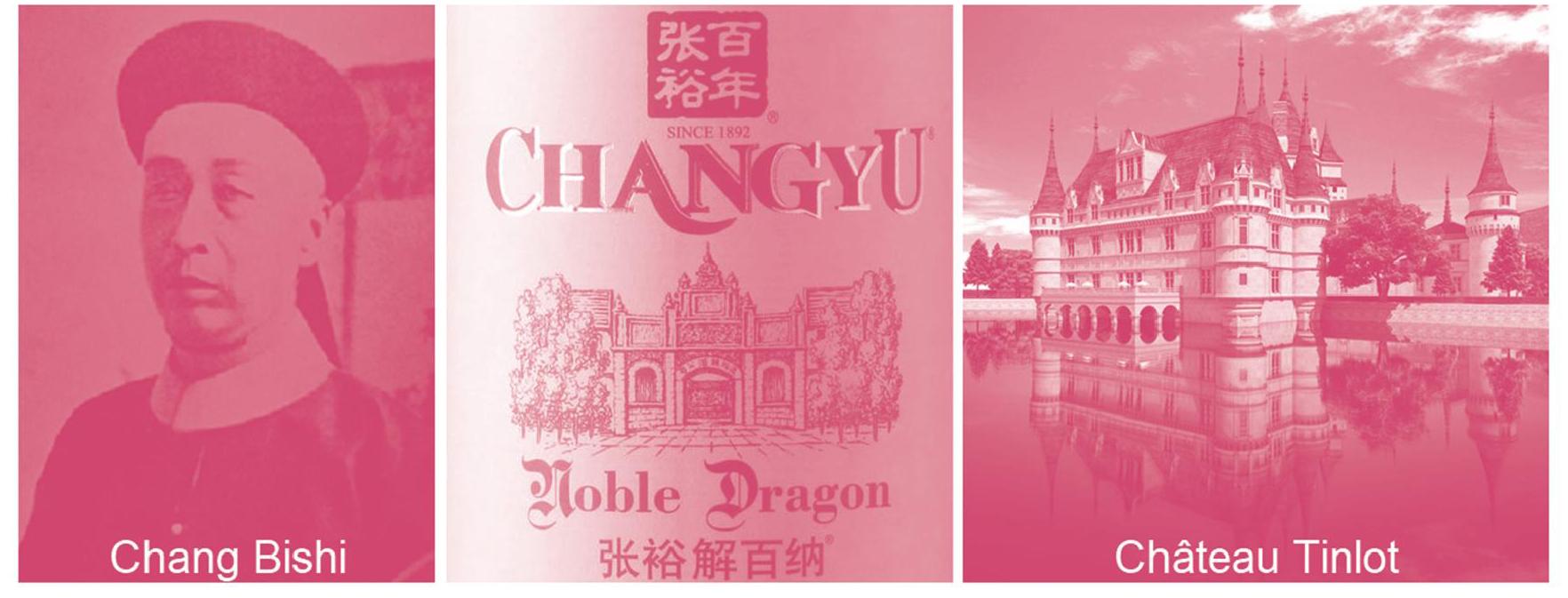
Chinas wine production industry did not grow much during the Ming (1368—1644) and Qing (1616—1912) dynasties. The nations industrialized wine production didnt start until 1892, when a Chinese tycoon3 Chang Bishi (1841—1916) founded the Changyu Wine production company in Yantai, Shandong.
China then introduced more than a hundred varieties of wine and a vast range of wine making equipment from Europe, and recruited foreign wine specialists. Drawing upon the grape-cultivation and wine-making practices of European chateaux4, China produced fifteen varieties of brandy, red wine and white wine.
In the late 1950s and early 1960s, following the founding of the Peoples Republic in 1949, several varieties of grapes for making wine were introduced from Bulgaria, Hungary and the Soviet Union, and cultured intensively in China.
Today, grape wine yards and grape production bases can be found throughout the country, and wineries5 are growing in leaps and bounds6.
The North China Vine Cultivation Technology Collaboration Conference in 1975 led to a decision to produce wine in Shacheng, Hebei. In light of7 the international market and the availability of local resources, the top priority was given to the development of dry white wine.
In 1978, China produced its first bottle of dry white wine and began exporting. In 1979, China sent its first wine delegation to the International Organization of Vine and Wine8 (OIV), the first outreach effort of Chinas wine industry.
In 1998, China published a Chinese version of the OIV oenological9 standards—the International Code of Oenological Practices. Although China had yet to join the OIV, nearly two thirds of Chinas wine makers marked “Conforming to the OIVs Code of Oenological Practice” on their product packaging and publicity.
In 2001, Chinas wine production, sales revenues, profit and taxes exceeded those of spirits for the first time.
With the rapid expansion of Chinas wine market, wine yards and wine-making facilities have sprung up across the country from the coast of the Bohai Sea and the Yellow Sea in the east and Xinjiang to the west.
High-end products including Grand Cru10 and Eiswein11 have also been brought to China. Among the vast array of China wine brands, the most popular are Changyu Cabernet and Great Wall Wine.? ? ? ? ? ? ? ? ? ? ? ? ? ? ? ? ? ? ? ? ? ? ? ? ? ? ? ? ? ? ? ?■
酒在中國人眼中并非生活必需品,但酒文化已經(jīng)影響且將繼續(xù)影響中國人的生活方式。
中國釀酒以糧食為主要原料。中國歷史悠久,人口眾多,長期以農(nóng)業(yè)立國,酒業(yè)的興衰也始終與政治、經(jīng)濟(jì)和社會(huì)狀況密切相關(guān)。
事實(shí)上,歷朝歷代的統(tǒng)治者總是根據(jù)糧食收成決定發(fā)布或解除酒禁以確保民食充足。
在一些地區(qū),好年成百業(yè)俱興使酒業(yè)繁盛,而酒業(yè)繁盛也促進(jìn)和活躍了該地區(qū)的社會(huì)生活。
傳統(tǒng)上酒有三種重要作用:成禮、解憂和療病。中國的釀酒歷史可以追溯到公元前4000年左右新石器時(shí)代仰韶文化的早期。
中國酒向來以糧食為原料,僅有少數(shù)是用水果釀造。在中國,用葡萄釀酒大致可追溯到漢朝(公元前202—公元220)或三國時(shí)期(220—280),那時(shí)的中原地區(qū)已出現(xiàn)這種釀酒法。
據(jù)中國古代史巨著《史記》記載,公元前138年,西漢特使張騫到達(dá)西域,看到“宛左右以蒲陶為酒,富人藏酒至萬余石,久者數(shù)十年不敗”。
中國人最初是從波斯人那里學(xué)到了葡萄種植和葡萄釀酒技術(shù)。
葡萄酒比米酒更容易釀制。不過,由于葡萄是季節(jié)性作物且不及糧食能長時(shí)保鮮,葡萄釀酒技術(shù)在古代中國未獲普及。
唐代(618—907)時(shí)中外文化交流日漸興盛。在這段突出的歷史時(shí)期,葡萄酒在中國的中原地區(qū)是珍貴商品,在都城長安則有店家供應(yīng)西域產(chǎn)的葡萄酒。
唐詩對葡萄酒知名度的提升也功不可沒。唐朝詩人王翰作于8世紀(jì)的《涼州詞》這樣寫道:“葡萄美酒夜光杯,欲飲琵琶馬上催。醉臥沙場君莫笑,古來征戰(zhàn)幾人回?”
這首廣為傳誦的詩作描寫戍邊將士為慶祝作戰(zhàn)得勝而歡宴暢飲。酒至半酣,傳報(bào)敵軍再度進(jìn)犯,士兵們又立馬披掛出征。
琵琶(中國魯特琴)曲讓詩句頓顯感傷:從古到今,邊塞征戰(zhàn)的兵士中,又有多少能活著回來呢?
元代時(shí),蒙古統(tǒng)治者對葡萄酒鐘愛有加。他們頒旨在宗廟祭祀之禮中使用葡萄酒,下令在山西太原和江蘇南京開辟葡萄園,甚至在宮殿中建葡萄酒室。
《本草綱目》記述了兩種葡萄酒釀制工藝。一種簡單方法是“取汁同曲,如常釀糯米飯法。無汁,用葡萄干末亦可”。另一種方法則類同釀制燒酒:“取葡萄數(shù)十斤,同大曲釀酢,取入甑蒸之,以器承其滴露,紅色可愛。”
使用這些方法釀成的酒顯然不同于現(xiàn)代意義上的葡萄酒。
公元3—8世紀(jì)的歷史文獻(xiàn)中記有古高昌國一種“腳踩榨葡萄”的方法。這一方法與今天歐洲某些小型釀酒商采用的技藝相似。
中國的葡萄酒產(chǎn)業(yè)在明朝(1368—1644)和清朝(1616—1912)期間沒有太大發(fā)展。直到1892年,中華實(shí)業(yè)巨子張弼士(1841—1916)在山東煙臺(tái)創(chuàng)辦張?jiān)a劸乒荆袊咸丫频墓I(yè)化生產(chǎn)才揭開序幕。
當(dāng)時(shí)中國從歐洲引進(jìn)了逾百種葡萄酒和各式釀造設(shè)備,并聘來外國葡萄酒專家。在吸取歐洲大酒莊葡萄種植和釀酒經(jīng)驗(yàn)的基礎(chǔ)上,中國生產(chǎn)出了15種白蘭地、紅葡萄酒和白葡萄酒。
繼1949年中華人民共和國成立后,20世紀(jì)50年代末至60年代初,中國從保加利亞、匈牙利和蘇聯(lián)引進(jìn)了好幾種釀酒葡萄品種并進(jìn)行集中培育。
如今,葡萄種植園和葡萄生產(chǎn)基地遍布全國各地,釀酒廠也突飛猛進(jìn)地發(fā)展起來。
1975年召開的“華北地區(qū)葡萄釀酒葡萄栽培技術(shù)協(xié)作會(huì)”決定在河北沙城生產(chǎn)葡萄酒。根據(jù)國際市場和當(dāng)?shù)卦系那闆r,首選研制干白葡萄酒。
1978年,中國生產(chǎn)出第一瓶干白葡萄酒并于當(dāng)年開始出口。1979年,中國派出首個(gè)葡萄酒代表團(tuán)訪問了國際葡萄與葡萄酒組織(OIV),這也是中國葡萄酒行業(yè)首次對外推介活動(dòng)。
1998年,中國出版了中文版OIV國際釀酒標(biāo)準(zhǔn)《國際葡萄釀酒法規(guī)》。盡管那時(shí)中國尚未加入國際葡萄與葡萄酒組織,但國內(nèi)近三分之二的葡萄酒生產(chǎn)商在其產(chǎn)品包裝和宣傳中注明了“執(zhí)行國際葡萄與葡萄酒組織的葡萄釀酒技術(shù)規(guī)范”的字樣。
2001年,中國葡萄酒在產(chǎn)量、銷售收入、利潤和納稅額等方面首超白酒。
隨著中國葡萄酒市場的迅速擴(kuò)大,從東部的渤海、黃海之濱到西部的新疆,葡萄園和各類葡萄酒廠在全國各地如雨后春筍般發(fā)展起來。
包括Grand Cru和冰酒在內(nèi)的一些高端產(chǎn)品也已進(jìn)入中國市場。在名目繁多的中國葡萄酒品牌中,最為知名的是“張?jiān)=獍偌{”和“長城葡萄酒”。? ? ? ? ? ? ? ? ? ? ? ? ? ? ? ? ? ? ?□
(譯者為“《英語世界》杯”翻譯大賽獲獎(jiǎng)?wù)撸?/p>
1 c.大約(拉丁語circa的縮寫,用在日期、數(shù)字等前面)。
2 Neolithic新石器時(shí)代的。
3 tycoon(企業(yè)界、政界的)巨頭。? 4 chateau〈法語〉大型葡萄種植園。復(fù)數(shù)寫作chateaux。
5 winery〈主美〉釀酒廠。? 6 in leaps and bounds飛躍地,極迅速地。? 7 in light of鑒于,由于。? 8國際葡萄與葡萄酒組織(簡稱OIV為法文縮略語)。? 9 oenological葡萄酒工藝學(xué)的,釀酒學(xué)的。
10法國葡萄酒酒標(biāo)上常見標(biāo)識(shí)。cro?tre(“生長”)的過去分詞cr?演化為葡萄酒術(shù)語cru,可指葡萄園、酒莊或產(chǎn)區(qū)。標(biāo)示Grand Cru不一定是好酒,要結(jié)合具體產(chǎn)區(qū)來看。如果是波爾多葡萄酒,僅標(biāo)示Grand Cru而非Grand Cru Classé,代表該酒款品質(zhì)良好但不足以列級。如果是勃艮第酒,標(biāo)示Grand Cru代表產(chǎn)自特級園。? 11〈德語〉冰葡萄酒(英語Icewine)。指用葡萄樹上自然冰凍的葡萄釀造的葡萄酒,也稱“冰酒”或“冰果酒”。
