未來建筑將以選擇為導向
2020-11-07 10:55:50
世界建筑導報 2020年5期
就如藝術逐漸脫離白立方概念,建筑的特定功能也正在悄悄消散。不論是何種類型的建成環境,都似乎正在向“綜合用途”的方向發展,而背后的原因同出一轍,就是務求賦予空間使用者更大的主導權,讓他們根據個人生活方式、到訪目的和社交需要,選擇如何游走、如何使用,以帶來綜合、多元化的空間體驗。這些具啟發性、能誘使人們投入其中的建筑空間,正如LWK + PARTNERS 一直相信的,好的設計能為人們創造可能性,同時對他們的生活給予正面的影響。
綜合用途:賦予人們主導權
“體驗”是一種當代特有的商品。雖然電子商貿似乎大行其道,但生活中尚有千百種需求需要人們親身參與和感受。當消費成為一個過程而非最終目的,商場運營商也開始尋求提供更多元化的空間,例如舉辦工作坊、藝術展覽或與商戶合辦特別活動等;同時越來越多零售商將其品牌打造成“生活風格品牌”,透過提供滿足生活各方面的配套產品,涵蓋衣服、飾品、文具以至家具、電子產品及食品等等,從生活各個層面幫助顧客體現他們心目中的理想自我。
購物中心傾向透過 “浸入式”設計,精心策劃顧客體驗。以 LWK + PARTNERS 設計的中國華山西環宇城為例,項目靈活運用室內外空間,通過“花見”、“云見”、“泉見”、“林見”四景,串連商業空間及室外景觀,為訪客提供一個置身山水之中的游歷式休閑體驗。零售設計師采用實體和數字工具,從視覺、聽覺、觸覺、氣味、情感等等多方面的感官刺激,規劃以探索、社交和知識為重心的商業空間,連系人、地方和社區。
中國華山西環宇城旨在塑造一個都市中的現代桃花源及社區熱點,設計提煉華山、鵲山的巍峨輪廓,轉化成層疊交錯的建筑體量,延續附近一帶的自然環境,豐富視覺享受,同時創造社交互動和空間轉換的體驗。該項目展示了一個地方如何吸引人們到訪發掘生活新點子,甚至與親友分享到訪體驗。
人們將社區生活帶入零售環境已經好一段日子,零售環境早已成為“第三空間”。但隨著第一空間(家庭)和第二空間(工作)基本重疊,他們正在超越“第三空間”的時代。工作人脈與個人領域特別在近年開始相互交織,與人見面和相處的重要性日益增加。
因此,零售環境的本質已演變成不僅僅是交易場所,而是一個與其他人見面和分享的地方。包括藝術文化、娛樂、學習和社交聚會在內的各種社交需求,都在一個連續空間中緊密相連。商業空間的定義不斷轉變,對租戶類型也產生了巨大影響:商場租務人員不斷調整商戶組合,以滿足顧客各方面的期望,但空間始終有限,為了適應轉變,逐漸演變出一種多元共存的城市空間。
為了提供足夠的靈活性,讓使用者自主安排自己的空間體驗,LWK + PARTNERS不斷鉆研動線設計。提高空間的透明度成為了增加選擇權的一種手段。近期開張和即將開張的零售綜合體展示出一種擴大訪客視野的趨勢。不論是在同一樓層或跨樓層來說,提高可視性能夠給予訪客一個更佳的空間概念,讓他們更清楚眼前選擇的多樣性,以決定用何種節奏游走及探索。
另一個 LWK + PARTNERS 項目中國成都西宸天街提供開放通透且高可達性的空間,貫通人、社區和自然環境。多首層式設計讓訪客從不同樓層進入購物中心,帶動人流到較高樓層,同時將購物中心自然融入周邊社區,模糊兩者的邊界。購物中心的主入口擁有最佳視點,可以仰望大部份的零售樓層,而緊湊相通的人流動線則為顧客提供充裕的彈性,讓他們創造獨一無二的購物體驗。
創新型樞紐:未來辦公趨勢
都市人每天約有三分之一的時間花在工作上,而工作本身卻與生活的其他部分越見融合。LWK + PARTNRES 發現隨著斜杠一族和自由工作者在年輕一代中漸成趨勢,社會需求也會隨之變化,反映價值觀、人們重視的事情和生活方式一直在變。
員工的生產力及健康質量息息相關。尤其在今天的亞洲,企業高管意識到矽谷模式的優勢,并在此基礎上投資,按照場地需要和在地文化打造創新型樞紐辦公建筑。這現象已陸續擴展到高科技領域以外的行業。這些新型綜合體涵蓋了生活中不同元素,鼓勵工作生活平衡,營造出一種有助創新、互動和建立歸屬感的辦公環境。
中國杭州鎵谷科學園提出一種新型的“園林辦公”發展模式,公共空間滲透多個樓層,包括位于三層的環型空中平臺,連接餐廳、空中花園及其他康樂設施。LWK +PARTNERS設計團隊特意把較高層建筑外殼做了大筆切割,創造公共陽臺空間,并大量引入自然風和陽光。
在理念上,創新型樞紐的辦公設計須提供相應硬件以及增值設施,以創建出符合綜合用途的 “行動平臺”,鼓勵人們自主開拓各種空間可能性。隨著移動文化興起,幾乎任何地方都可以成為辦公場所,而同時必須滿足生活中的其他需求。別說咖啡店早已發展成兼容各種數字設備的共享辦公空間,辦公空間也正蛻變成富趣味性、啟發性和多元性的混合空間,滿足員工的健康、心靈和社交所需,提供各種餐飲、康樂設施、公共空間、露天空間,甚至多功能文化藝術表演場地。
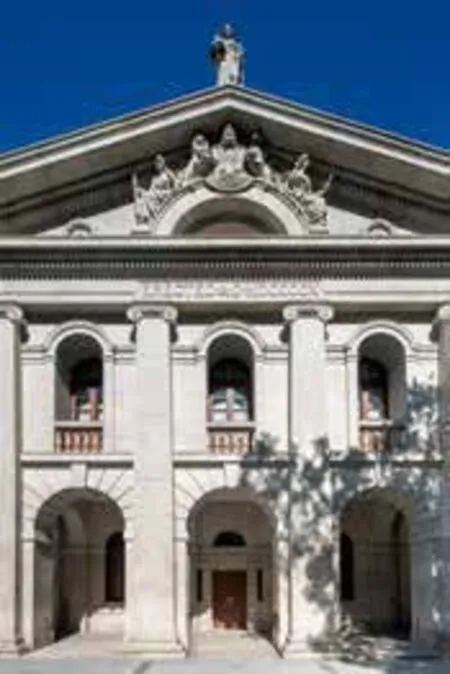
香港終審法院大樓 (中環前立法會大樓)
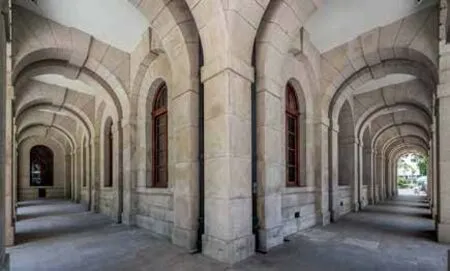
The Court of Final Appeal (Former Legislative Council Building), Hong Kong, China
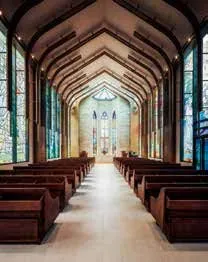
重慶長嘉匯彈子石老街一德堂Yide Catholic Church at Landmark Riverside Danzishi Old Street, Chongqing, China
與人接觸是人們與生俱來的基本需要,而LWK + PARTNERS作為建筑師及城市設計師正對之重新審視,并通過開放布局、連續空間和多方向動線設計,使偶遇和親身對話變得更加容易。
世界無邊 體驗無間
“邊界”將會從未來城市逐漸消失,各種功能場所相互融合,形成一個連續的共享空間。建筑和城市設計的“地標性”不再依托標志性的外型,而是源于建筑空間所能激發的是社區活力和創造潛能。
在不久的將來,高度包容性和彈性將會是成功建筑的必備元素。空間通透度成為促進共存的途徑。開放式辦公室也成為一種管理手段,用以提高員工的工作效率和溝通互動,同時激勵團隊動力和培養歸屬感。這種模糊邊界的趨勢也早已蔓延到零售業,寬廣的店面傾向與外部空間銜接,甚或直接把墻面去掉。
隨著綜合空間風行,開放空間和園林綠植成為了不同功能區域的自然黏合劑,但不止是純粹的過度空間,同時賦予這些公共區域具有真正意義和趣味。引入不同品種的花草樹木、各類水體、有趣的公共家具和藝術品等等,都能促進社交互動或提供一點生活喘息空間。若進一步提升至城市規劃的層面,隨著步行文化成為其中一項宜居城市指標,公共空間亦有助推廣步行文化,鼓勵行人自由探索,以清新的生活體驗吸引居住人口、勞動力以及企業投資。
室外與室內之間的界線持續模糊,而空間融合也體現在不同層面、不同樓層的建成環境。屋頂花園對辦公場所和商業空間來說曾是奢侈品,但隨著社會對社交和休閑空間的需求增加,加上越來越多人關注碳足跡,親自然的建筑設計以各種形式不斷滲入功能空間。高層建筑的設計出現切割缺口以引入室外景觀,露天庭院從地面向上穿透建筑物多個樓層,而傳統上預留給高管人員用作角落辦公室的樓面空間也逐漸被公共陽臺取替。
以中國杭州奧體萬科中心為例,LWK + PARTNERS 通過引入不同形態的公共空間,開拓人與人之間的交流機會。其商業裙樓由層遞式開放平臺包裹著,設計上透過逐層旋轉,令每層的開放程度各異。加上空中花園以及“侵蝕”各層樓面的特色綠化空間,讓上班族及訪客更容易透過交談開拓人脈。
在世界各大城市,場地與周遭社區之間的邊界也正被抹除。建筑物的出入口被建在不同樓層、不同形式:位于地面的敞開式入口、地下鐵連接口、下沉式廣場、平臺入口等等,統統都可能成為訪客進出建筑的地方。
這些轉變最終將會達致連綿無邊界的城市景觀、流動的城市肌理,提高生活中的自由選擇彈性。綜合型設計的創新型樞紐和生活綜合體將讓多樣化的價值觀共同發展,大幅改變今天的社區面貌。同時,以用家選擇為導向的設計理念也將從個別項目擴展到城市規劃。
制度變遷
公共及功能建筑不再以單一標準化的開發模式為主調。學校、醫院、政府大樓、市政廳及歷史遺跡之類設施的性質,過去總被視為以便利運營為主,而不是以服務居民的真實需求為面向。但隨著社會價值觀傾向尊重自由選擇的文化,公共機構和服務運營商越來越重視用家體驗。
教育對個人成長和發展影響深遠,學校作為其中重要場所,正面臨一股新的教學風氣。現今教育模式鼓勵學生制定自己的學習計劃,學校傾向提供一個鼓勵探索、擁抱多元、靈活的教學環境。LWK + PARTNERS 在其教育設計結合這種新的框架,以鼓勵主動學習、創意和互動。
有見學校運營商及辦學機構希望促進學生、教師及其他使用者之間的交流,LWK +PARTNERS正在做出更大膽的嘗試,包括更重視裝飾細節、房間之間和建筑物之間的聯系更鮮明、共享空間更寬敞、康樂設施更豐富。設計以幫助誘發年輕人全方位潛能為目標,同時促進教學及非教學人員的工作。
除了校園改革,當今父母亦希望孩子能夠通過日常生活中累積不同面向的學習經驗,不以校園生活為限。教育元素和兒童友善設施已成為住宅項目、公共場所、街道景觀以及商業設施的一部分。
與此同時,隨著世界各地人口結構變化,特別是在老齡化經濟體,醫療和保健早已受到廣泛關注,但今天真正核心的議題卻是如何通過設計表達關懷、同理心和聯系。從患者、家人,以至醫護及其他人員都希望從醫養空間中得到充分尊重。
醫療設計涉及復雜思維,而近年這類建筑的氛圍變得較為寬容,且對嵌入新技術更為敏感,也傾向加入更多公共空間。這不僅是因為籌資機制發生了變化,還因為人們希望盡量減少孤立感或封閉感,并更愿意接受保健和醫院設施為日常社區景觀的一部分。未來的醫療保健綜合體將通過開放式布局、更通透的結構和自然元素的采用,與周圍環境進一步融合。
在設計中國石家莊正定新區兆華醫院項目時,為營造良好的復康環境,LWK +PARTNERS 采取了“以患者為中心”的方針。項目與傳統方盒子式的醫院外觀不同,以山地丘陵為原型,形成獨特的建筑肌理,強調與自然環境結合為一。大量綠化空間及花園亦為患者提供舒適的休息環境。
全新價值
“價值”的概念正經歷本質上的變化,并尤見于城市發展和房地產市場的層面上。從資金豐厚的投資者到普羅使用者,只談經濟和貨幣價值已不能滿足這些持分者的需求,他們正轉投一些激發多元可能性和支持可持續發展的項目。整體社會對環境、社會及管治(Environment, Social and Governance;ESG)的關注日益提升,意味著投資者和公眾都渴求一個更共融、宜居的未來。
未來幾年,建筑和城市空間的價值將取決于它能否讓人們過上自己喜歡的生活,并兼顧可持續發展。人們的健康質量及社區意識將成為地方營造的重點,私人及公共機構將合作通過以人為本的設計方案,實現社會及環境目標。
特別是在中國,公共交通導向型社區在香港、深圳和成都等城市蓬勃發展,形成以步行距離為尺度的城市體系。LWK + PARTNERS積極參與了這些城市的公共交通導向型社區,對當地及這類型的規劃和發展有著深刻理解和經驗。隨著依賴汽車的預設生活模式轉向零碳模式,這些步行主導的社區正好提供先導功能,優先考慮如何善用互聯互通的街道網絡,讓居民自由便捷地步行游走,以理想節奏過日常生活。
優質空間的建設與價值觀和生活方式密不可分,后兩者均會隨著時間不斷變化。當代城市態度強調和諧共存、相互尊重和跨領域協作,綜合體建筑應運而生。建筑師和設計師作為空間策劃人,正陸續將空間自由度歸還給使用者。LWK +PARTNERS也正透過一系列靈活元素構建物理環境,并以 “推助”替代 “主宰”為設計主導。 由于“難忘體驗” 的定義因人而異,LWK + PARTNERS相信,人們必須參與共同創造體驗的過程,才能建立深刻的地方觸覺和主導意識,享有更大的生活彈性。
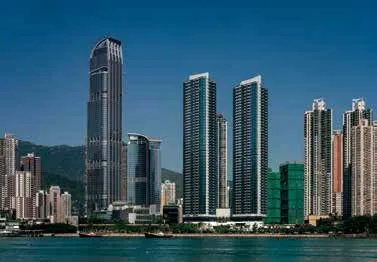
香港柏傲灣 THE PAVILIA BAY, Hong Kong, China
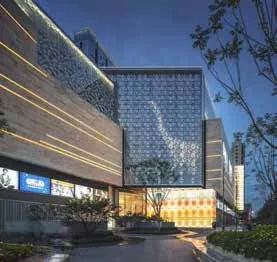
成都西宸天街 Xichen Paradise Walk, Chengdu, China

成都西宸天街Xichen Paradise Walk, Chengdu, China
Architecture is moving away from designated functions just as art is moving out of the white cube.Different types of built environments are converging towards mixeduse programmes and with a common motive: to empower users with greater choice- in terms of how to navigate and utilise the space - for an integrated, diversified experience that is loyal to personal lifestyle, visiting intentions and social needs.These inspiring and engaging architecture creates possibilities to people and gives positive impact to their lives, as LWK + PARTNERS always believes what great design can do.
Mixed-use programmes: letting people take ownership
‘Experience’ is a contemporary merchandise.Despite the rise of e-commerce,there remainsa whole range of demands in life which require physical presence.As consumption becomes a process and not the ultimate goal for customers, mall operators seek to respond to changing consumer behaviours by offering a more diverse programme with special events like workshops, art shows and tenant collaborations,while retailers are turning into ‘lifestyle brands’ that defines people’s way of living as a whole, marketing their products in packages that help customers become the type of people they aspire.From clothes, accessories and stationery to furniture, electronicsand the food you eat, retail has become a medium of self-expression.
Shopping malls are going ‘immersive’ to surround visitors with a curated experience.In LWK + PARTNERS’ project West HuashanUnipark in Jinan, China, an intermingling of outdoor and indoor spaces is strategically deployed to offer an exploratory customer journey that encourages freestyle, multidirectional circulation, together with a series of major attractions themed ‘blossom’, ‘cloud’, ‘spring’ and ‘forest’.By employing a host of physical and digital tools to stimulate the visual, audio, touch, scent, emotional senses and beyond, retail designers focus on elements of exploration, socialising and learning to connect people, places and their communities.
Designed to be a poetic urban retreat and a social hub for the community, West HuashanUniparkfeatures interlocking massing and bronze concave rooflines,extending the beauty of nearby landforms to offer a fully immersive retail environment and catalysing social interactions and movement between spaces.The project demonstrates how a place where people come to discover new, lifeenrichening ideas that they want to share with family and friends after the visit.
People have long made retail environments their ‘third space’ by taking their social life to the retail environment.Theyare now moving beyond the ‘third space’conception as the first space (home) and second space (work) substantially overlapped.Especially in recent years, the need to meet and mingle with people has escalated as work relationships have crisscrossed with personal realms.
The nature of retail environments has therefore evolved into being more than a marketplace, but a place to meet and share experiences with other people.Various components of social needs including arts and culture, entertainment, education and social activities have come together to be well connected in a continual space.People’s changing conception of retail has a huge impact on tenant mix, with leasing managers constantly re-configuring the retail programme to address the variety of customer expectations.In the face of space limitations, the result is often hybrid urban spaces adaptable to change and coexistence.
To grant users ample flexibility to curate their own visiting experience,LWK+PARTNERS looks into new ways of approaching circulation flow.Transparency has become a premium tool to achieving choice.Floor plans of newly opened and upcoming retail-led complexes are showing a trend to expand visual horizons of their visitors.Visibility, in terms of seeing what else are on the same floor and seeing across different levels, gives visitors a good idea of the diversity of choices they have,and allow them to navigate and explore the offerings in their own rhythm.
Chengdu’s Xichen Paradise Walk in China, designed by LWK + PARTNERS, is a great example that provides high transparency and accessibility to bring together people, their neighbourhoods and nature.Multiple ground floors give different points for attracting visitors and a higher accessibility especially to the higher levels, as well as blur the boundaries between the mall and the surrounding neighbourhood to encourage social interaction and community life.The inter-connected circulation enables users with ample flexibility to personalise their visiting experience.
lnnovation hubs: future of work
For us living in the cities, about one third of our daily hours are spent on our jobs,while work itself is increasingly comingled with other quarters of life.While slash careers and freelancing being increasingly popular among the younger generation,LWK + PARTNERS sees the changing needs of society that reflect a shift in values,priorities and the way of life over time.
Productivity is closely tied with employee wellbeing.Corporate leaders, especially in Asia, see the advantages of the Silicon Valley model and are investing to develop tailored, localised models of innovation hubs, a phenomenon that is beginning to extend beyond the technology sectors.These new complexes engulf different dimensions in life to ensure a work-life balance, building an environment that motivates innovation, interaction and a sense of belonging.
In Gallium Valley Science Park in Hangzhou, LWK + PARTNERS proposes a new officepark typology by emphasising shared spaces on multiple levels, with a communal ‘skyloop’ platform connecting office spaces with amenities like eateries, roof gardens and other recreational facilities.Major recesses have also been introduced to the building envelopes to create communal terraces flooded with fresh air and sunlight.
The idea is to provide the necessary hardware plus value-added amenities to craft mixed-use ‘platforms of action’ that encourages users to take over for diverse programmes.With the rise of on-the-go culture, virtually any place can be a workplace while other needs in life must be fulfilled too.While cafes have adaptively evolved into gadget-friendly co-working spots, workspaces are also evolving into exciting, inspiring and hybrid communities that reach out to employees’ health, wellness and social needs, providing a range of food and beverages, recreational facilities, public areas,terraces and multifunctional venues for arts and cultural expression.As architect and urban designer, LWK + PARTNERS has revisited the basic human need to be in touch with other people to make casual encounters and face-to-face conversations easier with open layouts, continual spaces and multidirectional circulations.
Borderless world, continual experience
Cities of the future are a borderless world where functional venues merge into one another to form a continual shared space.Architecture and urban designs will increasingly be recognised not because they are iconic landmarks, but because they are catalysts of social energy and creative potential.The most successful architecture in the coming years will likely be characterised by inclusiveness and versatility.Transparency is now a means to promoting coexistence rather than an objective per se.Open offices have become the tool for boosting work productivity and social interaction as well as motivating staff and nurturing a sense of ownership.This trend has moreover spilled over to retail, with shop fronts inclined to merge with outside space with wide-span shop fronts or doing away with walls altogether.
With mixed-use programmes on the rise, open spaces and greenery may appear to be a ‘stitching tool’ for different functional components, but these common areas can be truly meaningful and engaging rather than pure transitional areas.An interesting curation of botanic species, waterscapes, public furniture and artworks can provide ample opportunities for social interactions or inspire moments of reflections.Taking this to an urban level, public spaces are key to promoting walkability, whichhas become a parameter of liveable cities due to its conduciveness to free navigation,attracting residents, work talent as well as businesses.
Meanwhile, the outdoor-indoor distinction continues to blur, and spatial integration operates on different levels - literally.
Roof-top gardens are once a luxury for workplaces and commercial developments,but as the demand for social and relaxation spaces increase and to cut back carbon footprints, biophilic structures are encroaching functional territories for good, and in a variety of forms.High rises have elevations carved out to give ways for insideout pockets, open-air courtyards penetrate building masses from the ground up connecting different levels, and the parts of the floorplate traditionally reserved for corner offices are now exposed to sunlight.
At Olympic Vanke Centre in Hangzhou, for instance,LWK + PARTNERS seeks to enable people’s interactions through public spaces in various forms.The retail podium will be wrapped by cascading open terraces, with a landscaped void at the centre.Every floor of the podium is slightly rotated to offer a different level of publicness.Together with a roof terrace and distinctive green spaces that ‘erode’ the floor plates, the project looks to create a whole new layer of networking opportunities for office users and visitors.In cities around the world, boundaries between project sites and their surrounding neighbourhoods are further being wiped out.Buildings are increasingly welcoming their visitors through multiple points at different levels from wide-open cut-outs and patios on ground level, underground metro connection, sunken plaza to podium entrances.Ultimately, this will result in an interconnected, borderless cityscape where the urban fabric is fluid and oriented towards the choice of users.Fully integrated innovation hubs and lifestyle complexes are going to transform their neighbourhoods by enabling diverse values to thrive and coexist.It is also a time where the ideal of user-oriented design expands from projects to city-wide programmes.
lnstitutional change
Public and functional developments have ceased to be monotonous.Facilities like schools, hospitals, government offices, city halls and heritage sites used to be perceived as serving operational purposes rather than the authentic needs of individual citizens.But as social values shift towards a choice-oriented culture, authorities as well as service operators are placing far more emphasis on the quality of user experience.
As an influential agency of a person’s formative growth and development, schools are adopting a new teaching and learning approach that encourages students to structure their own learning plans, leading to an inclination towards providing an exploratory environment that embraces diversity and flexibility.LWK + PARTNERS is emerging this new framework of schooling into its educational design with the objective to encourage active learning, creativity and interaction.
School operators and institutions are keen to provide a more interactive space for students, teachers and other users.In response, designers at LWK + PARTNERS are making bolder attempts with special attention to finishing details, more legible connections between rooms and buildings, generous shared spaces and more recreational facilities.All in all, the goal is to help unleash all-round potentials from young people and facilitate the work of teaching and non-teaching staff.While reforms are being carried out on campus, today’s learning experience is not confined to school environments, and more parents are keen to immerse their children in a wealth of learning opportunities in daily life.Elements of education and children-friendly facilities have therefore entered residential estates, public spaces,streetscapes as well as commercial facilities.
As demographic patterns evolve differently across the world, medical and healthcare have surely received their portion of attention, especially in ageing economies.But how their designs express care, empathy and connection has never been as cherished today, where respect is expected to be rendered to all users from patients, carers and staff.
Designing for this sector has come to involve some of the most sophisticated thinking processes, and recent designs have seen a more welcoming vibe, an enhanced readiness for ever-newer technologies and more public spaces.Not only because financing mechanisms have changed, but because people want to minimise the sense of isolation or enclosure and are more willing to include health centres and hospitals as part of the everyday community landscape.The future medical and healthcare complexes will further blend in with their surroundings through open layouts, transparent structures and greater use of natural elements.
To make Shijiazhuang Zhao Hua Hospital Development a convivial place for rehabilitation, LWK + PARTNERS takes a patient-oriented approach to upend the depressive atmosphere traditionally felt at hospitals.It diverges from the usual rectangular form and takes inspiration from mountain landscape, resulting in a distinctive design that creates harmony with nature.There are also ample green areas and gardens to create a comfortable environment for patients.
New values
‘Value’ as a concept is changing, and this is especially true for urban development and in the real estate market.Economic and monetary values are not enough to satisfy stakeholders from wealthy investors to everyday users, who are turning to projects that encourage possibilities and sustainability.The rise of environmental,social and governance (ESG) concerns means that both investors and the public are demanding a more inclusive and liveable future.
In the coming years, the value of architecture and urban spaces will be defined by how well it enables users to live the life they prefer, and sustainably too.People’s wellbeing and their sense of community will be the focus of placemaking efforts,with private and public entities collaborating to achieve social and environmental objectives through human-centric design solutions.
In China especially, transit-oriented communities have flourished in cities like Hong Kong, Shenzhen and Chengdu where LWK + PARTNERS have been involved in creating many of them,forming urban systems within a walkable distance to make daily lives efficient and easier to plan.As contemporary society calls for a long-term change from an auto-dependent culture to a carbon-free one, these walkable communities have acted as pioneers where priorities are given to an interconnected street network where users would freely navigate their daily lives within a convenient distance.
Quality space is inseparable from values and lifestyles, which are constantly changing over time.Today’s urban attitude is underlined by an emphasis on coexistence, mutual respect and interdisciplinary collaboration - a set of principles likely to be materialised through mixed-use programmes.As curators of space,architects and designers are giving choice back to the users.LWK + PARTNERS is now facilitating,instead of dictating, to structure a built environment with a flexible array of elements.Given the fluidity of what makes a memorable experience, letting users co-create their own experience would encourage a stronger sense of place and ownership, all serving a common goal to let people live the lives they aspire.

中國石家莊正定新區兆華醫院項目 Shijiazhuang Zhao Hua Hospital Development, Shijiazhuang, China
猜你喜歡
現代裝飾(2020年7期)2020-07-27 01:27:42
流行色(2020年1期)2020-04-28 11:16:38
藝術啟蒙(2018年7期)2018-08-23 09:14:18
海峽姐妹(2017年7期)2017-07-31 19:08:17
Coco薇(2017年5期)2017-06-05 08:53:16
少年博覽·小學高年級(2016年12期)2017-01-16 12:48:35
特別文摘(2016年19期)2016-10-24 18:38:15
37°女人(2016年5期)2016-05-06 19:44:06
爆笑show(2016年1期)2016-03-04 18:30:28
爆笑show(2015年6期)2015-08-13 01:45:40