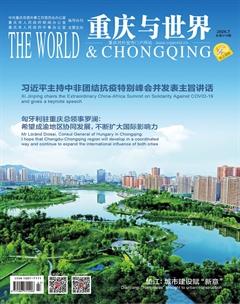
王毅主持“一帶一路”國際合作高級別視頻會議
2020-08-04 10:12:12
重慶與世界 2020年7期

6月18日晚,國務委員兼外交部長王毅在北京主持“一帶一路”國際合作高級別視頻會議。25個國家的外長或部長級官員及世界衛生組織總干事譚德塞、聯合國副秘書長兼聯合國開發計劃署署長施泰納與會。
王毅首先宣讀了習近平主席的書面致辭。
王毅表示,在各方熱情參與和全力支持下,“一帶一路”倡議已成為全球最大的國際合作平臺。一年多來,盡管受到新冠肺炎疫情以及全球經濟低迷等不利因素影響,但“一帶一路”合作逆勢前行,合作大家庭持續擴大,經貿合作水平持續提高,互聯互通持續加強,合作伙伴守望相助,凸顯了強大韌性和旺盛活力。
王毅指出,戰勝疫情,克服危機,必須同舟共濟、團結合作,“一帶一路”合作伙伴有責任也有義務作出表率。首先,要加強公共衛生合作,推進抗疫物資援助與供應及藥物、疫苗研發生產,加快共建“健康絲綢之路”,探討建立區域公共衛生應急聯絡機制,為全球抗疫作出更大貢獻。第二,要推進互聯互通,爭取“一帶一路”各項基礎設施重點項目早日復工復產,維護產業鏈和供應鏈安全,為各國經濟復蘇提供堅實保障。第三,要開展創新合作,加強5G、大數據、人工智能、云計算等領域合作,加快共建“數字絲綢之路”,共同創建“綠色絲綢之路”,為全球可持續增長注入新的動力。第四,要堅決反對單邊主義、保護主義,堅持建設開放型世界經濟,維護多邊貿易體制,促進貿易投資自由化便利化,推動經濟全球化朝著更加開放、包容、普惠、平衡、共贏的方向發展,實現“一帶一路”倡議與其他雙多邊合作議程的協調和共贏。
王毅強調,當前,戰勝疫情、復蘇經濟是各國的共同和緊迫任務。中方愿優先加強與“一帶一路”合作伙伴的溝通協調。包括支持各方抗擊疫情、恢復經濟社會發展;在疫苗研發使用過程中,積極考慮“一帶一路”合作伙伴需求;協商建立“一帶一路”人員及貨物跨境流動的便捷通道;舉辦“一帶一路”合作伙伴交通部長會議,維護產業鏈、供應鏈暢通;攜手發展“絲路電商”,推進智慧城市建設及綠色發展合作。
王毅說,中方愿與國際伙伴并肩努力,把“一帶一路”打造成合作之路、健康之路、復蘇之路、增長之路,開辟“一帶一路”國際合作更加光明的未來。
施泰納代表聯合國秘書長古特雷斯致辭,表示疫情再次證明,我們別無選擇,唯有堅持多邊主義,加強團結合作,才能實現可持續發展。中國在支持全球可持續發展議程方面發揮著越來越重要作用,“一帶一路”合作將有助于各方更好應對疫情對經濟、社會、環境的影響。聯合國高度重視“一帶一路”倡議,愿同各方繼續緊密合作。
譚德塞表示,世衛組織高度贊賞中國積極推動全球抗疫合作,為有需要的國家提供各種援助和支持。當前形勢下,習近平主席倡議打造“人類衛生健康共同體”具有重要意義,共建“一帶一路”可以為此作出積極貢獻。世衛組織支持建設“健康絲綢之路”和“綠色絲綢之路”。
與會代表積極評價中方倡議舉辦此次會議,認為十分及時、十分必要。感謝中方為推動共建“一帶一路”和國際抗疫合作所做努力和貢獻,認為疫情證實了構建人類命運共同體的重要性,各方應該加強團結合作,反對疫情污名化、政治化,支持多邊主義,支持聯合國及世衛組織發揮重要作用。“一帶一路”倡議是團結抗擊疫情、促進恢復經濟的重要平臺。各方支持開展疫情聯防聯控,加強公共衛生合作,共同建設“健康絲綢之路”;加強互聯互通,有序恢復跨境人員、貨物流動,推動復工復產,維護全球產業鏈、供應鏈安全穩定,促進可持續發展,建設“綠色絲綢之路”。各方都表示,將繼續落實第二屆“一帶一路”高峰論壇共識,推進相關領域務實合作,推動“一帶一路”合作取得更多成果。
會議發表了匯聚各方共識的《“一帶一路”國際合作高級別視頻會議聯合聲明》。
來源/外交部網站
On the evening of 18 June, State Councilor and Foreign Minister Wang Yi chaired the High-level Video Conference on Belt and Road International Cooperation in Beijing. Foreign ministers/ministerial-level officials from 25 countries, Director-General of the World Health Organization Dr. Tedros Adhanom Ghebreyesus, and Under-Secretary-General of the United Nations and Administrator of the United Nations Development Programme Achim Steiner attended the meeting.
Wang opened the meeting with a written message from President Xi Jinping.
Wang said that thanks to the active participation and strong support of all parties, the Belt and Road Initiative (BRI) has evolved into the largest platform for international cooperation. Over the past year and more, despite headwinds like COVID-19 and a sluggish global economy, Belt and Road cooperation has pressed ahead against all odds and made further progress, with an ever expanding family of partners, growing trade and economic exchanges, enhanced connectivity, and strong solidarity and mutual assistance among BRI partners. All this has highlighted the strong resilience and vitality of Belt and Road cooperation.
Wang stressed that to defeat the virus and tide over this crisis, the world must come together in solidarity, partnership and cooperation. BRI partners have the responsibility and indeed the obligation to set an example, and endeavor to:
·step up public health cooperation, facilitate the assistance and provision of containment supplies and the research and production of therapeutics and vaccines, push forward the development of a "Silk Road of health", and explore the establishment of regional response liaison mechanisms for public health emergencies. This will further contribute to the global fight against COVID-19.
·strengthen connectivity. It is important to get key Belt and Road infrastructure projects restarted as early as possible, keep industrial and supply chains secure to provide a solid underpinning for the economic recovery of all countries.
·carry out cooperation in innovation. Efforts should be made to strengthen cooperation in 5G, big data, artificial intelligence, and cloud computing, push forward the building of the digital Silk Road, and build a "green Silk Road" to inject fresh impetus into sustainable global growth.
·firmly reject unilateralism and protectionism, and stay committed to an open world economy. The multilateral trading system must be defended, and trade and investment liberalization and facilitation enhanced, in an effort to foster a more open, inclusive and balanced economic globalization that benefits all. It is also necessary to synergize the Belt and Road Initiative and other bilateral and multilateral cooperation programs for win-win results.
Wang emphasized that to beat the virus and energize economic recovery is a pressing task facing all countries. China will strengthen communication and coordination with Belt and Road partners on a priority basis. Specifically, China will focus on the following areas:
·support countries in fighting COVID-19 and resuming economic and social development;
·give positive consideration to the needs of Belt and Road partners in the development and application of vaccines;
·discuss the establishment of fast-track lanes for cross-border flows of people and goods with Belt and Road partners;
·hold a transportation ministers' conference with Belt and Road partners, as part of the efforts to maintain the smooth functioning of international industrial and supply chains;
·join hands to promote Silk Road e-commerce, and advance cooperation in smart cities and green development.
Wang reaffirmed China's readiness to work with international partners to make the Belt and Road a model of cooperation, health, recovery and growth, and open up a brighter future for Belt and Road cooperation.
Mr. Achim Steiner, speaking on behalf of UN Secretary-General António Guterres, pointed out that COVID-19 is another reminder that we have no choice but to uphold multilateralism and strengthen solidarity and cooperation in order to achieve sustainable development. He recognized China's ever more important role in supporting the 2030 Agenda for Sustainable Development, and expressed confidence that Belt and Road cooperation could help enable better responses to the economic, social and environmental impact of COVID-19. He stressed that the UN values the BRI and will continue to work closely with all parties.
On behalf of WHO, Dr. Tedros highly commended the role China has played in supporting the global response to COVID-19 and its assistance and support to countries in need. Under the current circumstances, President Xi Jinping's call for a global community of health for all is of great significance, to which Belt and Road cooperation has a lot to contribute. He also underlined WHO's support for the development of a "Silk Road of health" and a "green Silk Road".
Participants spoke highly of China's proposal to convene this timely and necessary conference, and thanked China for its efforts and contribution to Belt and Road cooperation and the global response to COVID-19. COVID-19 has driven home the importance of building a community with a shared future for mankind. It is incumbent on all countries to enhance solidarity and cooperation, oppose politicization and stigmatization, uphold multilateralism and support the UN and WHO in playing an important role.
Participants hailed the BRI as an important platform for concerted efforts against COVID-19 and for economic recovery. They expressed support for joint response to the virus, closer public health cooperation and the building of a "Silk Road of health". They also agreed to work for greater connectivity, orderly resumption of cross-border movement of people and goods, reopening of economy, security and stability of the global industrial and supply chains, sustainable development, and a "green Silk Road".
Participants expressed their readiness to further implement the consensus of the second Belt and Road Forum for International Cooperation, advance practical cooperation in various fields, and make Belt and Road cooperation even more fruitful.
The Joint Statement of the High-level Video Conference on Belt and Road International Cooperation: Combating COVID-19 with Solidarity was adopted by consensus at the conference.
Source/Website of the Ministry of Foreign Affairs
猜你喜歡
音樂天地(音樂創作版)(2022年1期)2022-04-26 13:51:10
人大建設(2020年5期)2020-09-25 08:56:22
快樂作文(1.2年級)(2020年8期)2020-09-10 07:22:44
北極光(2020年1期)2020-07-24 09:04:04
文苑(2020年4期)2020-05-30 12:35:48
37°女人(2020年5期)2020-05-11 05:58:52
環球時報(2014-12-10)2014-12-10 08:51:32