
油彩中的變革
2019-11-04 18:04:50老李
世界知識畫報·藝術視界
2019年9期
老李
The opening up and reform thoughts spread across China from the end of 1970s and through the whole 1980s, and blew a fresh wind into the art world. Art shook off political topics and returned to the art performance of itself. After a transient popularity of “scar art” after the Cultural Revolution, China entered into a dazzling era of transformation. More people were busy taking in or catching up with the trends pouring in from outside of the country, and were eager to present the diversified new era. It was the start of modernist art in China. Artists turned to emphasize the form of art by taking diverse, innovative, even radical perspectives in creation. On the other hand, realism turned to depict the peaceful and rural countryside. The unprecedented popularity of Luo lizhongs Father proofed that the focus on human itself and humanity was always the core of modern realistic paintings and resonated with the audience.
20世紀70年代末至整個80年代,改革開放的思潮帶動全中國的思想界、藝術界活躍起來。藝術不再依賴于政治,而是逐漸回歸藝術本身;藝術家不用再去表現宏大的命題,而是可以尊崇個人內心的情感,表達自己想要表達的思想。這一時期的油畫創作,反應迅速,表達踴躍,很快便完成了從反思自己向擁抱世界的發展與轉變。
“文革”結束后,中國社會進入一個全面反思的時期,“傷痕”這個關鍵詞開始出現在文學藝術領域。從傷痕文學到傷痕美術,帶著個人化的憂傷表達對社會的反思,人性的、個性的創作讓這些作品具有了真實和感人的力量。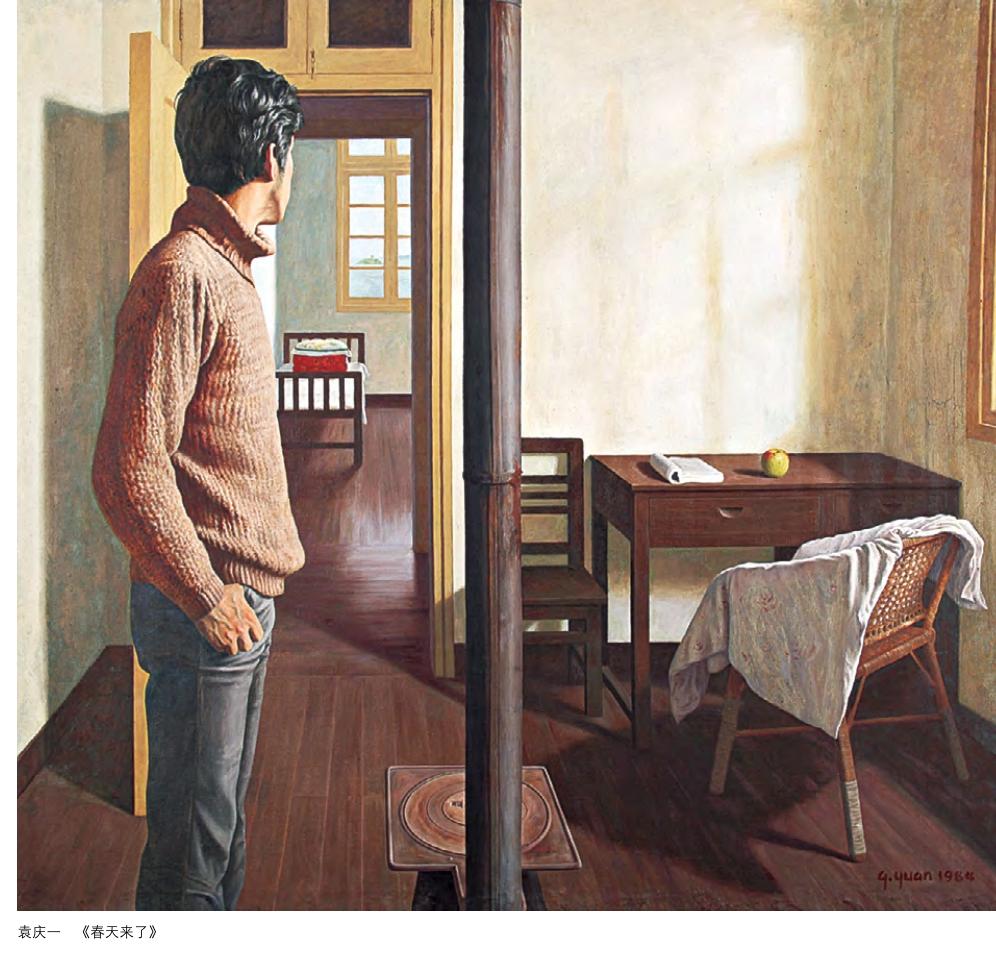
在中國當代油畫發展史上,“傷痕美術”是重要的,卻也是短暫的。因為很快,中國社會便迎來了翻天覆地的變化,進入一個極速發展的時代,外來的新的美術思潮令人應接不暇,一幅多元的畫面重新展現在中國畫家的面前。更多的人根本顧不得憂傷和反思,看向未來、走向世界才是更重要的潮流。當代中國真正的現代主義藝術,從此時正式起步。
1979年,“星星美展”在北京成功舉辦,打破了長期以來藝術界的思想禁錮;85新潮美術運動的掀起,在全國范圍內的年輕藝術家中引發了震動式的反響;1989年在北京舉辦的“中國現代藝術展”,幾乎匯聚了整個80年代的中國現代藝術,并為90年代乃至千禧年之后的中國現代藝術發展奠定了基礎。
西方現代主義早在上世紀初便已傳入中國,只是由于特定的歷史環境而暫時偃旗息鼓。……
登錄APP查看全文
猜你喜歡
創作(2020年3期)2020-06-28 05:52:44
讀友·少年文學(清雅版)(2020年2期)2020-06-15 11:16:34
兒童繪本(2018年22期)2018-12-13 23:14:52
讀友·少年文學(清雅版)(2018年3期)2018-09-10 06:04:54
讀者·校園版(2018年13期)2018-06-19 06:20:12
Coco薇(2016年2期)2016-03-22 16:58:59
讀者(2016年7期)2016-03-11 12:14:36
文藝論壇(2016年23期)2016-02-28 09:24:07
爆笑show(2014年10期)2014-12-18 22:27:48
小說月刊(2014年1期)2014-04-23 09:00:04

- 世界知識畫報·藝術視界的其它文章
- 道金平作品欣賞
- “天民樓”攪動一池春水
- 肖耀彩作品欣賞
- 柏龍華作品欣賞
- 北京匡時春拍穩健收槌
- 誰不逐炎涼