
油彩中的歷史
2019-11-04 18:04:50付磊
世界知識畫報·藝術視界
2019年9期
付磊
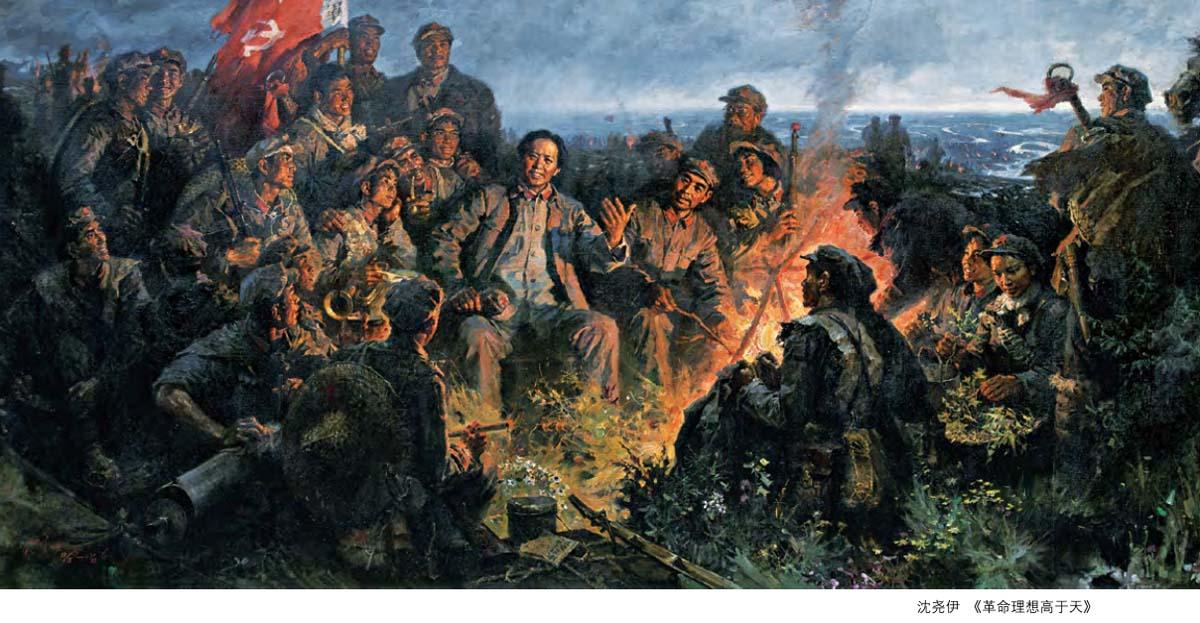
Chinese people knew little about oil painting comparing with their familiarity on the traditional ink and wash painting back in 1949. However, the art form of oil painting has its advantages in depicting the new China in a realistic way because the new country desperately needed to record and present its revolutionary history and socialist society. Oil painting embraced a booming development around 1950s and 1960s. Oil painting artworks generated then were usually referred to as “Red Oil Painting”, which shared similar revolutionary themes, depicted heroic events as well as the vigorous nation-wide socialist construction. Some of the best oil paintings bear impeccable skills and witnessed that unique history of China fairly. Artists then urged to create a realistic oil painting style with Chinese features instead of the innate European or Russian style, in terms of not only theme but also aesthetics and skills. That effort was successful, but on the other hand drifted Chinese oil painting away from the mainstream development of oil painting in the world and suffocated the fledging modernist development in China which started since 1930s.
在1949年,國人對于油畫的認知,當然不及我們自己傳統的水墨畫。但繼承自西方古典主義的寫實傳統,卻令油畫有了很多優于中國畫的專長。油畫可以極盡寫實,油畫可以更好地表達現實主義的內容和內涵,油畫可以將一個嶄新的中國用生動、形象、真實的語言再現于畫布。因此,在這個全新的世界里,油畫很快就占有了重要的地位。
中華人民共和國成立之后,無論是革命的歷史還是社會主義的現實,都需要用藝術形式加以表現,而這一重擔當然毫無懸念地落在了油畫的身上。20世紀五六十年代,革命歷史題材的油畫創作迎來了一個高峰。得益于上層的支持和穩定的創作環境,一大批杰出的寫實油畫家貢獻出了大量優秀的現實主義作品。
這些在今天常常被稱作“紅色油畫”的作品,大多有著相似的主題和思想——從革命歷史、偉人事跡、英雄人物等身上挖掘可供表現的內容,或者直接歌頌當時如火如荼的社會主義新中國建設。其中相當一部分優秀作品,從技巧上而言幾乎無可挑剔,十分成熟;從思想性上來說,則代表了當時那段歷史時期的社會和藝術思潮,是歷史的成果與見證。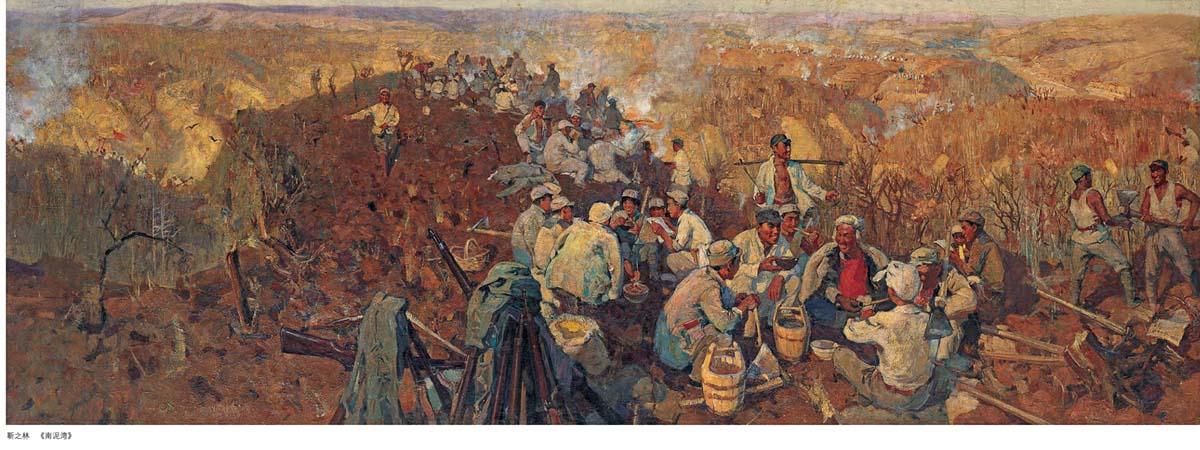
很多人認為,油畫雖然引自西方世界,但既然來到中國、為建設社會主義服務,便應該具有中國的、民族的特色。此前,中國油畫領域的扛鼎人物大多有著留法經歷,繼承了歐洲的古典主義油畫傳統;新中國成立后,來自前蘇聯的專家教授在中國開班授課,又使當時的油畫創作逐漸轉向俄羅斯傳統。……
登錄APP查看全文
猜你喜歡
社會科學戰線(2022年2期)2022-03-16 06:39:02
今日農業(2021年17期)2021-11-26 23:38:44
今日農業(2021年1期)2021-11-26 07:00:56
甘肅教育(2020年12期)2020-04-13 06:24:46
英語學習(上半月)(2019年9期)2019-10-10 02:17:36
法律方法(2019年3期)2019-09-11 06:26:32
作文周刊·小學一年級版(2018年17期)2018-09-10 02:39:46
小天使·一年級語數英綜合(2017年4期)2017-04-18 17:47:11
雕塑(2000年1期)2000-06-21 15:13:24
雕塑(1999年3期)1999-06-23 07:32:12

- 世界知識畫報·藝術視界的其它文章
- 道金平作品欣賞
- “天民樓”攪動一池春水
- 肖耀彩作品欣賞
- 柏龍華作品欣賞
- 北京匡時春拍穩健收槌
- 誰不逐炎涼