從門外漢到歌劇通
2019-09-18 00:33:32主持JoannaLee編譯辛時雨
歌劇 2019年8期
關鍵詞:歌劇
主持:Joanna C. Lee 編譯:辛時雨
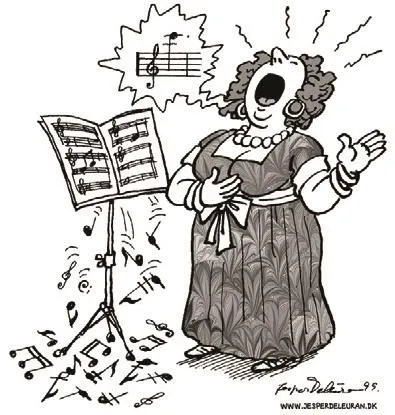
東京新國立劇場的美妙公共空間
NNTT making space for the public
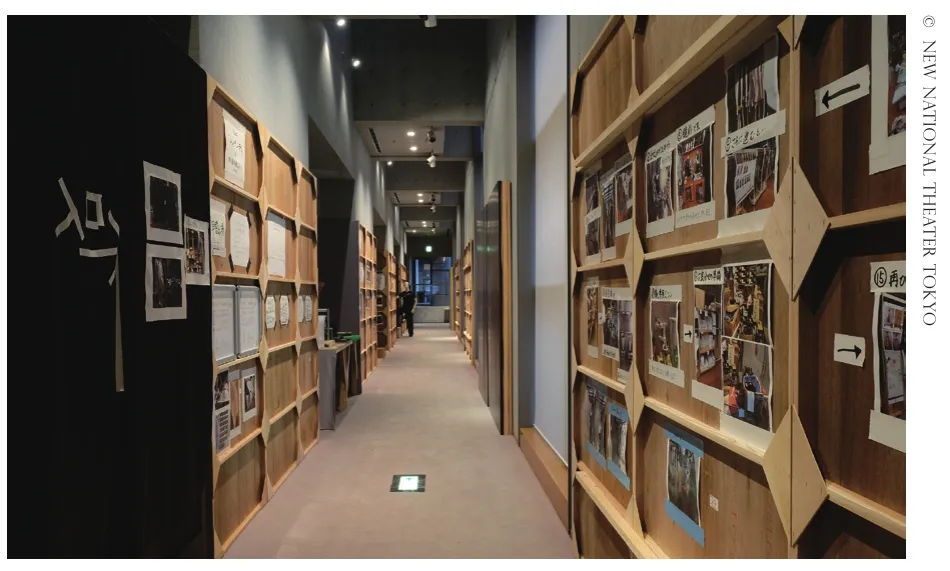

“初臺藝術空間”利用多個展區向公眾展示舞臺藝術的戲服與后臺
小瓊:上個月,我去日本觀賞了東京新國立劇場(NNTT)的《圖蘭朵》新制作。不得不提的是,我在劇場里發現了令人驚嘆的公共空間。
小薇:表演藝術中心是歌劇、音樂、舞蹈及話劇觀眾重要的出行目的地,但它們同樣也是重要的“地產項目”,尤其是在繁華擁擠的都市中。在東京巨大的人口密度之下,劇場是如何服務于更廣泛的受眾,來吸引人們踏足藝術領域的呢?除了光顧餐館和咖啡館之外,公眾還能通過什么方式“使用”這個空間呢?
小瓊:很顯然,在晚場及日場演出期間,劇場主要服務于購票看演出的觀眾。然而,清晨呢?午餐時間呢?或者晌午后呢?要是有人想探索這里,或只是來放松呢?踏進了NNTT,我驚訝地發現大堂里有非常多的座位,隱藏在各個區域的角落。這些座位看起來舒適且寧靜,在這里可以不受干擾地看完一本書。但真正吸引我的是“天橋咖啡廳”,從字面上就可以看出這是一個橫跨整個一樓兩端的區域。我到得比午餐時間稍早些,不過公司白領、退休的老人或者是年輕家庭已經開始自由地用起了
Joan:Last month I visited Japan for a new production ofTurandotat the New National Theatre Tokyo (NNTT). But what I must mention today are the awe-inspiring public spaces I found in the venue.
Valery:Performing arts centers are important destinations for the opera, music, dance and theater audiences, yet they are also important “real estate,”especially in bustling, crowded cities. Considering the population density of Tokyo, how does the venue serve the wider public, inviting people into the cultural realm? Apart from patronizing restaurants and cafes,what other ways can the public “use” the space?
Joan:Obviously, during evening or matinee performances, the venue mostly services ticket buyers. But what of the mornings or lunchtime, or mid-afternoons? What if someone wants to explore,or just relax? When I entered the NNTT, I was surprised by the abundance of seating in the lobby area, tucked into various corners. These seats are very inviting, and very peaceful - you can read a book without being disturbed. But what really caught my eye was the“Bridge Café,” literally an area that extends across the first floor. I arrived a little bit earlier than lunchtime,but office-workers, retirees and young families were那些小桌子,吃著他們帶來的便當。
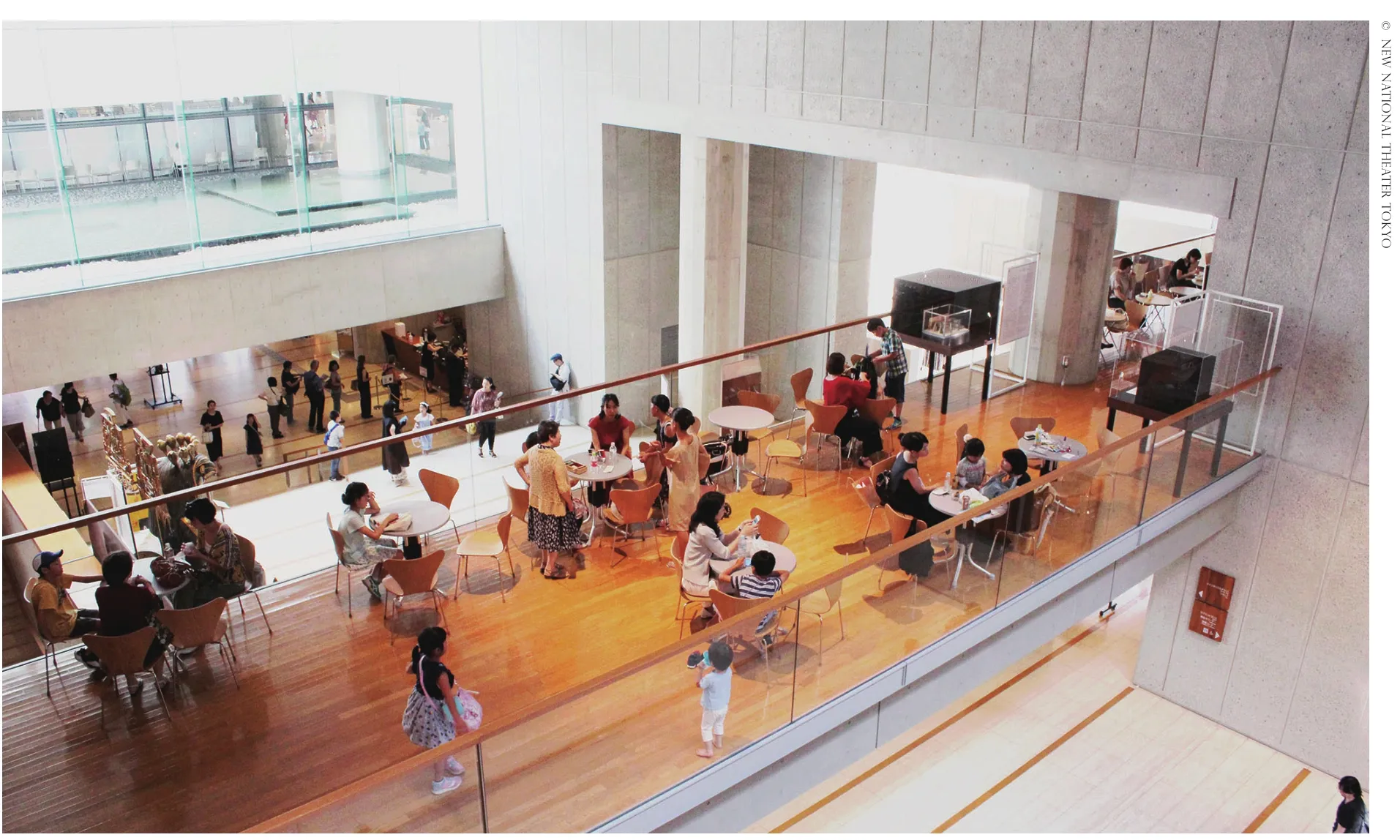
東京新國立劇場的“天橋咖啡廳”
小薇:這是一項非常優秀的公共服務,為公眾打造了一個空間,鼓勵他們與表演藝術直接溝通接觸。NNTT坐落于一片寫字樓當中(其中包括東京歌劇城大廈),為想要休息的人們提供充裕的空間。
小瓊:在這里,我發現了一場出色的新展覽,題為“初臺藝術空間”,展區占據好幾層樓。很明顯這是為了讓公眾初步熟悉整個劇場。藝術空間不僅展示了戲服和舞臺裝置,也讓觀眾可以在上層的走廊上一瞥“后臺”的感覺!展區設有舞臺兩側的展示,甚至還有穿著黑T恤的模特(現實中,他們是舞臺經理)!
小薇:我看網上說NNTT還有一個信息中心,也對公眾開放。
小瓊:是的,我去過信息中心,看到了很多電腦屏幕,上面可以觀看NNTT自1997年建立以來所有的制作!這些視頻存檔資料對公眾與研究者來說是非常好的資源。already using the small tables freely, eating from the bentos that they brought in.
Valery:What a great public service, offering a space to the public, encouraging direct contact with the performing arts. The NNTT is built in area filled with office buildings (including Tokyo Opera City), providing ample space for people who want to take a break!
Joan:While visiting the site, I found a beautiful, new exhibition entitled “Hatsudai Art Loft” occupying multiple floors. Clearly, this is a way to familiarize the public with the entire venue beyond the ground level.This Art Loft not only shows costumes and sets, but offers the public walking on the upper-floor corridors a glimpse of what “backstage” feels like! There are displays of stage wings, even with mannequins wearing black t-shirts (in real life, they’d be stage managers)!
Valery:I read online that the NNTT also has an Information Center that’s also open to the public.
Joan:I went up and saw many computer screens where you can watch all NNTT productions since its founding in 1997! It’s a lot of video archival materials,and what a great resource for the public and researchers.
猜你喜歡
小哥白尼(趣味科學)(2019年2期)2019-04-17 02:18:30
歌劇(2017年11期)2018-01-23 03:41:29
歌劇(2017年11期)2018-01-23 03:41:20
歌劇(2017年12期)2018-01-23 03:13:40
歌劇(2017年7期)2017-09-08 13:09:37
歌劇(2017年6期)2017-07-06 12:50:21
歌劇(2017年4期)2017-05-17 04:07:33
歌劇(2017年4期)2017-05-17 04:07:32
歌劇(2017年4期)2017-05-17 04:07:29
歌劇(2017年3期)2017-05-17 04:06:51