
文房四寶 文人之寶
2019-09-09 16:03:00李師
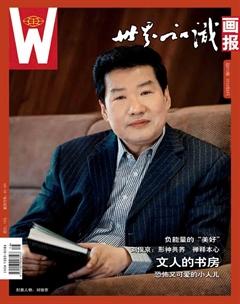
世界知識(shí)畫(huà)報(bào)·藝術(shù)視界
2019年8期
關(guān)鍵詞:效果
李師
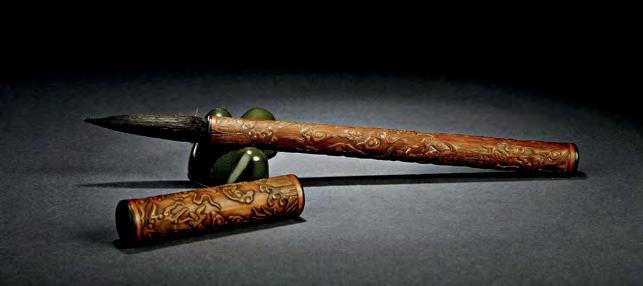
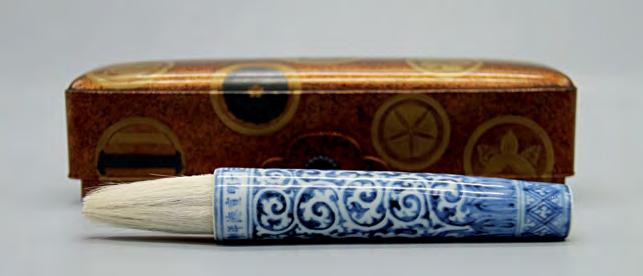
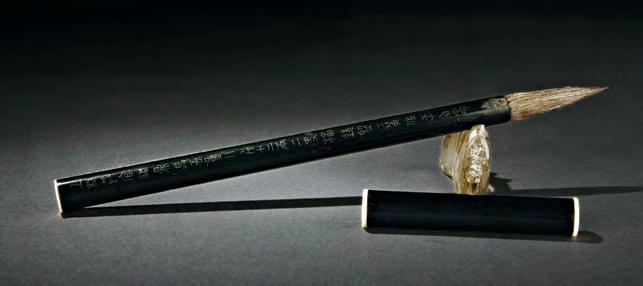
For any literati, the four treasures in the study, writing brush, ink stick, ink slab, and paper, were their breathing air. A set of four treasures set the spiritual footstone of them. As the top treasure, the writing brush was irreplaceable for more than two millenniums. Nowadays the tube of writing brush can be created from varied materials and the hair may come from hundreds of different sources. A good ink stick will bring a pleasant scent of fragrance in grind, and make writing an enjoyment. It now has more value in collection and appreciation then in practical use. Thanks to the ancient Chinese art of paper making, we could see and appreciate amazing works made by artists thousands of years ago. Chinese rice paper even helped to generate the unique art of ink and wash painting. The ink slab, possibly overlooked in terms of function, was the most preferred tool by the literati. It could be carved, played, enjoyed, and yet lasting for tens of thousands of years. A nice set of four treasures may not be necessary for writing now, but it is still a beloved company for all literati.
對(duì)于一個(gè)文人來(lái)說(shuō),缺了什么也不能缺少筆、墨、紙、硯。作為文人書(shū)房中的必需品,它們被稱作“文房四寶”。雖說(shuō)是四樣物件,其實(shí)更應(yīng)稱作一套物件——離了哪個(gè),文人的生活都不再完整。以硯研墨,以筆書(shū)紙,它們不僅是文人的必備工具,還被賦予更多精神上的意義。是它們構(gòu)建起文人的文化世界。
毛筆貴為“文房四寶”之首,地位自然無(wú)可置疑。其他三件寶物或許尚有替代品,但在中國(guó)悠久的書(shū)寫史上,從未有其他工具能夠代替毛筆的功用和地位。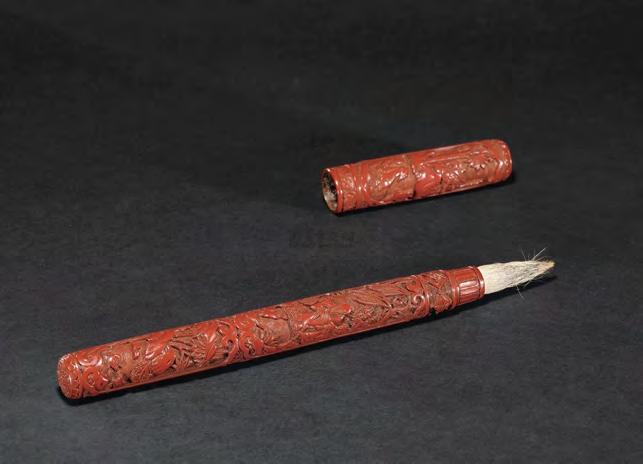
傳說(shuō),毛筆是戰(zhàn)國(guó)時(shí)期秦國(guó)大將蒙恬發(fā)明的。他造出的第一支筆是竹管和兔毛的組合,迄今這一組合仍是毛筆界的黃金搭檔。2000多年來(lái),毛筆已發(fā)展成為材質(zhì)、品類極為多樣的書(shū)寫工具,除了最常用的竹料筆管,各種木材及雕漆、螺細(xì)、象牙、犀角、牛角、麟角、玳瑁、玉、水晶、琉璃、金、銀、瓷等材料也常被采用。筆管的材質(zhì)和工藝在鑒賞、收藏中起著決定性的作用。
筆毫的材質(zhì)則是決定一支毛筆書(shū)寫特性的首要指標(biāo)。常見(jiàn)的如兔毫較軟,狼毫較硬,因?yàn)槊糠N毫毛本身質(zhì)地不同,使用起來(lái)的手感和效果可能千差萬(wàn)別。在中國(guó)人制筆的歷史上,用來(lái)做筆毫的有羊毛、羊須、馬毛、鹿毛、麝毛、獾毛、貍毛、貂鼠毛、鼠須、鼠尾、虎毛、狼尾、狐毛、獺毛、猩猩毛、鵝毛、鴨毛、雞毛、雉毛、豬毛、胎發(fā)、人須、茅草等數(shù)十種之多。
筆的好壞直接決定了書(shū)寫效果,而墨的好壞同樣影響著書(shū)寫的成敗。古人使用的墨錠需加水研磨后方能使用,而墨錠的制作更是極為講究。……
登錄APP查看全文
猜你喜歡
中老年保健(2021年12期)2021-11-30 02:58:01
好日子(2021年8期)2021-11-04 09:02:46
小學(xué)生學(xué)習(xí)指導(dǎo)(爆笑校園)(2020年6期)2020-07-03 10:01:10
攝影之友(影像視覺(jué))(2019年2期)2019-03-05 08:27:14
攝影之友(影像視覺(jué))(2018年12期)2019-01-28 09:01:02
攝影之友(影像視覺(jué))(2018年12期)2019-01-28 09:01:02
中華詩(shī)詞(2018年11期)2018-03-26 06:41:34
小學(xué)生學(xué)習(xí)指導(dǎo)(低年級(jí))(2017年11期)2017-10-23 01:32:36
Coco薇(2016年8期)2016-10-09 02:11:50
中國(guó)醫(yī)藥科學(xué)(2015年19期)2015-02-27 12:33:11
 世界知識(shí)畫(huà)報(bào)·藝術(shù)視界
2019年8期
世界知識(shí)畫(huà)報(bào)·藝術(shù)視界
2019年8期
- 世界知識(shí)畫(huà)報(bào)·藝術(shù)視界的其它文章
- 劉長(zhǎng)鑫作品欣賞
- 郭德福作品欣賞
- 黃瑋作品欣賞
- 郭英華作品欣賞
- Supreme,從街頭到殿堂
- 變革的時(shí)代,變革的中國(guó)畫(huà)