
把家具擺成喜歡的樣子
2019-09-09 16:03:00尹哥
世界知識畫報·藝術視界
2019年8期
尹哥
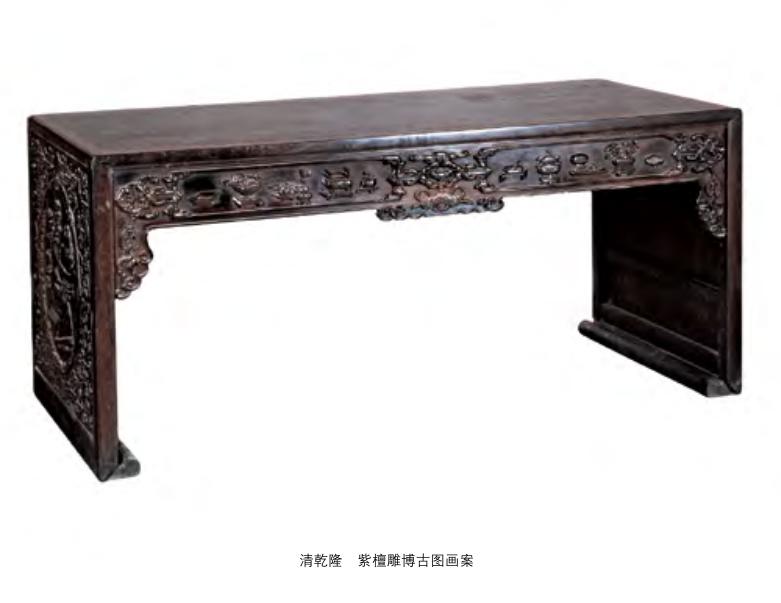
The ancient Chinese literati were particular about their furniture, especially the ones in their studies. Furniture there had to be elegant and functional, because they structured part of the literatis spiritual world, and embodied their aesthetic tastes. Chinese literati spent most of the day in their studies. A nice table, a delicate tea table, a strong bookshelf, or a comfortable wooden armchair, would no doubt bring about more pleasure and a sense of fulfillment. The best of the armchairs can be ergonomic, comforting the sitter even after hours of swot. There were always floor screens behind the table and armchair, serving as decorations and revealing the owners tastes. The most important furniture in a study is of course the bookshelf. The ancient Chinese books were usually laid flat due to its texture and binding method; therefore the bookracks then were usually with separate door-less compartments, so the owner could spot book titles with ease.
中國古人對家具頗為講究。同樣是一把椅子,因造型不同,只能適用于特定的場合。在文人的書房中,少不了的是既實用又符合文雅氣質的家具。這些家具不僅是文人生活的一部分,更是其精神世界的一部分。他們是文人審美與品位最直觀的外化。
桌、椅是任何一個房間都必不可少的家具。在書房中更是如此。文人在這里讀書寫字、休憩思考,一副合適的桌椅會為他們的世界增添很多舒適感和愉悅感。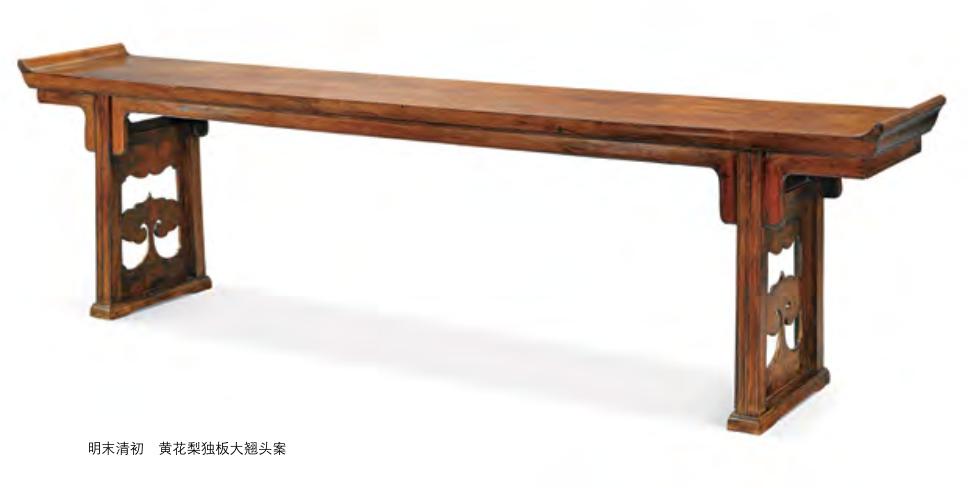
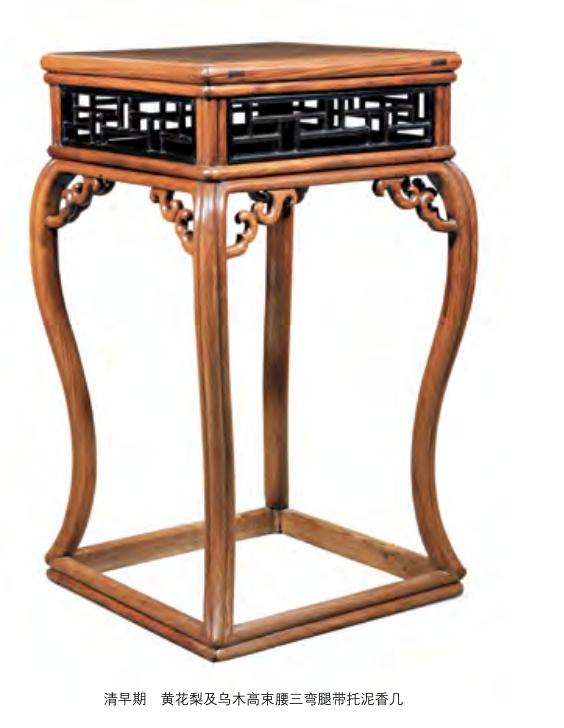
古時書房中使用的桌子一般被稱作“案”,如書案、畫案等,相當于今天的書桌。而如平頭案、翹頭案這類簡約的陳設家具往往不可少,畢竟文人的書房需要各種文玩古董來裝飾。同樣,并沒有太多實用價值但較條案更加靈活、雅致的香幾,也常被置于書房的拐角處。上面無論放一件瓷器、一株植物抑或一個香爐等小玩意兒,都可以為嚴肅的房間增添些許活潑的情趣。
書房里最常見的椅子當屬官帽椅,因造型頗似古代官員的帽子而得名。其線條流暢、結構簡約、端莊大氣,擁有一種與生俱來的優(yōu)美、沉靜之感,非常符合文人書房的氣質。更難得的是,這一中式坐具中的經(jīng)典之作非常符合人體工程學原理,雖是木制的,卻能使端坐其上的人久坐不累。這對于每天需要花費大量時間讀書、作文、寫字、畫畫的文人來說,尤為重要。
如果是顯貴之家,還常使用圈椅來體現(xiàn)房間整體的雍容度。圈椅靠背半圓的造型流暢而優(yōu)雅,更顯主人的身份與地位。……
登錄APP查看全文
- 世界知識畫報·藝術視界的其它文章
- 劉長鑫作品欣賞
- 郭德福作品欣賞
- 黃瑋作品欣賞
- 郭英華作品欣賞
- Supreme,從街頭到殿堂
- 變革的時代,變革的中國畫