
Efficacy of 1.2 L polyethylene glycol plus ascorbic acid for bowel preparations
2019-04-16 08:23:28HiroyukiTamakiTeruyoNodaMasahiroMoritaAkinaOmuraAtsushiKuboChikaraOgawaToshihiroMatsunakaMitsushigeShibatoge
World Journal of Clinical Cases 2019年4期
關鍵詞:工藝
Hiroyuki Tamaki,Teruyo Noda,Masahiro Morita,Akina Omura,Atsushi Kubo,Chikara Ogawa,Toshihiro Matsunaka,Mitsushige Shibatoge
Abstract
Key words: Ascorbic acid;Bowel preparation;Colonoscopy;Efficacy;Polyethylene glycol;Tolerability
INTRODUCTION
Colorectal cancer(CRC)remains one of the most challenging diseases to treat worldwide and it is one of the leading causes of cancer death[1].Because it is widely accepted that the adenoma-carcinoma and serrated polyp pathways play critical roles in the development of CRC,the main targets for screening colonoscopy for the prevention of CRC occurrence and deaths are adenomas and sessile serrated polyps[2-4].Moreover,superficial curable cancers including flat or non-polypoid precursors should be treated as well.Colonoscopic polypectomy is the best diagnostic and therapeutic method,and removal of such precursor lesions during screening colonoscopy prevents death from CRC[5,6].However,the miss rate for neoplastic polyps is estimated to be 16.8%-28%[7-9].Several factors such as poor bowel cleansing,areas of poor visualization,and inadequate colonoscope withdrawal time were suggested as reasons for the increasing miss rate[10-15].
Inadequate bowel preparation is a serious matter on screening colonoscopy because it may result in a higher adenoma miss rate,prolonged procedure time,lower colonoscopy completion rate,and increased cost because of the need for an earlier repeat examination[16-18].An ideal bowel preparation agent should achieve highquality bowel preparation and should be inexpensive and well-tolerated by a high proportion of patients[19].Furthermore,the cleansing protocol should be simple and suitable for inpatients and outpatients.However,no available agent has completely met these criteria.
Currently,polyethylene glycol-based electrolyte solution(PEG-ELS)is used most commonly for bowel preparation owing to its cleansing efficacy and safety[20].Based on meta-analysis,split-dose regimens of 4.0 L of PEG-ELS increase the quality of colon cleansing and have higher acceptability compared to day-before preparations[21-23].However,oral intake of a high-volume cleansing solution results in reduced tolerability and low adherence and consequently low-quality bowel preparations.
Nowadays,a low-volume PEG solution that combines ascorbic acid with PEG-ELS(PEG-ASC)is gaining mainstream acceptance due to reduced volume and improved taste.In Western countries,approximately 2.0 L of PEG-ASC achieved non-inferior efficacy for bowel cleansing with better acceptability and fewer side effects than the standard-volume PEG-ELS[24-28].In addition,recent reports from Japan and Korea suggested appropriate volumes of PEG-ASC to be lower than 2.0 and laxative agents combined with low-residue diet prior to bowel cleansing showed similar cleansing effect to traditional regimen[29-32].Taking these results into consideration,bowel preparation with PEG-ASC volume lower than 2.0 L with laxative agents in the optimized protocol can be alternative to traditional preparation regimen.
However,cleansing protocols with reduced volume using PEG-ASC have not been fully investigated.Therefore,we conducted the current study to evaluate the cleansing efficacy,acceptability,and safety of the 1.2 L PEG-ASC plus sennoside regimen comparing with the 2.0 L PEG-ELS regimen as an outpatient bowel preparation for afternoon colonoscopy in a Japanese population.
MATERIALS AND METHODS
Study design
A randomized,single-blinded,open-label,single-center,non-inferiority study was conducted.This trial is registered at UMIN(UMIN000020904),and its protocol was approved by the Investigational Review Board of Takamatsu Red Cross Hospital.All patients provided written informed consent for their participation.
Patients
A total of 312 Japanese adult patients [> 18 years;177 men,135 women;mean age 63.0(range 18-89)years] who underwent colonoscopy at Takamatsu Red Cross Hospital between December 2014 and March 2016 were enrolled in the study.Patients were excluded if they had known or suspected bowel obstruction,ileus,and perforation.Patients with history of bowel resection,significant gastroparesis or gastric outlet obstruction,toxic colitis or megacolon,severe chronic renal failure [estimated glomerular filtration rate(eGFR)< 30 mL/min·1.73 m2),severe congestive heart failure(New York Heart Association class III or IV),sustained tachyarrhythmia,and uncontrolled hypertension(systolic blood pressure ≥ 170 mmHg,diastolic blood pressure ≥ 100 mmHg)were excluded.Patients requiring hospitalization and pregnant or lactating women were also excluded.
Randomization
Before the start of the study,a randomization list was computer generated using a method of randomly permuted blocks of four patients.Eligible patients were randomly assigned to bowel lavage with either 1.2 L of PEG-ASC or 2.0 L of PEG-ELS solution in numerical order of acceptance into the study.The randomization number was strictly given according to the order of patient enrollment,with each patient assigned the first available number on the randomization list.The randomization number,or the reason for not enrolling the patient,was reported for each patient in the appropriate forms.In this single-blind randomized controlled trial,patients were aware of the bowel lavage assigned,and the investigator and assessors were blinded to group allocation.
The primary population was the intent-to-treat(ITT)population,which was defined as all randomly assigned patients who received the bowel lavage.The secondary population was the per-protocol(PP)population,which was defined as randomly assigned patients who completed the recommended total fluid intake.
Study procedures
This study had three protocols for bowel preparation:(1)low-residue diet was started on the day before colonoscopy;(2)48 mg of sennoside was administered on the day before colonoscopy;and(3)1.2 L PEG-ASC or 2 L PEG-ELS solution was administered the day of colonoscopy on the designated group.Specially,on the day before colonoscopy,all patients were instructed to ingest a low-residue food until 8:00 pm.Only clear fluids were allowed after 8:00 pm,and 48 mg of sennoside was administered at bedtime(8:00 pm to 12:00 pm).
On the day of the colonoscopy,patients received either PEG-ASC(Moviprep?:EA Pharma Co.,Ltd.,Tokyo,Japan,each liter contained 100.0 g of macrogol 4000,7.5 g of sodium sulfate,2.7 g of sodium chloride,1.0 g of potassium chloride,4.7 g of ascorbic acid,5.9 g of sodium ascorbate,and lemon flavoring)or PEG-ELS(Niflec?:EA Pharma Co.,Ltd.,Tokyo,Japan,each liter contained 59.0 g of macrogol 4000,5.7 g of sodium sulfate,1.5 g of sodium chloride,0.7 g of potassium chloride,1.7 g of sodium bicarbonate,and lemon flavoring).Patients in the first arm received 1.2 L of PEG-ASC at a rate of 0.2 L every 10 min to 15 min followed by at least 0.6 L of an additional clear fluid [1.2 L of PEG-ASC(1.2 L PEG-ASC)group].Patients could take clear fluid while taking the cleansing solution,and they were instructed to take additional clear fluid until bowel cleansing was completed.There was no limitation to the amount of additional clear fluid.Patients in the second arm received 2.0 L of PEG-ELS at a rate of 0.25 L every 15 min(PEG-ELS group).
Before the start of the colonoscopy,patients filled in the three-item questionnaire:(1)please evaluate the taste of the cleansing lavage [assessed by visual analog scale(VAS):terrible -good];(2)please evaluate the volume of the cleansing lavage(assessed by VAS:difficult to ingest -easy to ingest);and(3)please make a comprehensive evaluation of the cleansing lavage(assessed by VAS:terrible -good).The volume of fluid intake,required time for bowel preparation,and the time interval between the completion of bowel preparation and the start of colonoscopy were recorded.All adverse events were documented,classified,and graded according to the World Health Organization recommendations for the evaluation of active and subjective toxicity.
The colonoscopies,performed by skillful endoscopists who have experienced at least 1000 colonoscopies,were scheduled between 1:00 pm and 4:30 pm according to the normal standard of care.Bowel cleansing was evaluated using the Boston Bowel Preparation Scale(BBPS),which is a validated scoring system with scores between 0 and 9,where 9 is the best score[33].The score is composed of three sub-scores between 0 and 3,evaluating the cleansing effect in each colon segment:The right colon(including the cecum and ascending colon),the transverse colon(including the hepatic and splenic flexures),and the left colon(including the descending colon,sigmoid colon,and rectum).BBPS sub-score ≥ 2 in each segment was defined as successful cleansing according to previous report[34].
Endpoints
The primary endpoint was the successful cleansing rate defined as BBPS sub-score ≥ 2 in each segment.Secondary endpoints were cleansing quality evaluated by BBPS,frequency of cleansing operation to remove foam or bubbles,the time interval between the completion of bowel preparation and the start of colonoscopy,polyp and adenoma detection rate defined as proportion of the total number of polyps and adenomas divided by the number of colonoscopies(PDR and ADR,respectively),and advanced adenoma detection rate(AADR)calculated as the percentage of patients in each group who had at least one advanced adenoma defined as any adenoma or sessile serrated polyp ≥ 10 mm in diameter,with villous components or high-grade dysplasia regardless of size,and sessile serrated polyps with dysplasia[35].Furthermore,volume of fluid intake,required time for bowel preparation,patient tolerance,and acceptability evaluated using patient questionnaire which consists of evaluation for palatability,volume,and overall acceptability were evaluated.
Sample size
The patient sample size was determined by considering the results of phase I and II studies on bowel preparation with PEG-ASC or PEG-ELS conducted by Ajinomoto Pharmaceuticals Co.,Ltd.The sample size was determined as 143 subjects per treatment group to have > 80% power to detect the non-inferiority of the PEG-ASC to PEG-ELS with a two-sided significance value of 5%(95%CI for evaluation)and a noninferiority margin of 10%.Considering possible dropouts,150 subjects were targeted for recruitment for each treatment group.
Statistical analysis
Baseline patient characteristics were compared using Student'st-test for independent samples or Pearson'sχ2test,as appropriate.Successful cleansing rate,frequency of cleansing operation to remove foam or bubbles,PDR,ADR,and AADR were compared using Pearson'sχ2test,and BBPS score,total volume of fluid intake,required time for bowel preparation,and patient acceptability assessed by VAS were compared using Mann-WhitneyU-test between the two groups.Continuous variables are expressed as mean ± SE,and categorical data are expressed as percentages.Pvalues < 0.05 were considered significant.All analyses were performed using SPSS version 20.0(SPSS Inc.,Chicago,Illinois,United States).
由表2可見,正交試驗反映,以冷凍干燥的方式進行脫水處理,制備復方精油膠囊,最佳工藝條件組合為A3B3C2D3,即芯壁比1∶8,水合速度為20 500 r/min,水合時間為15 min,水合溫度為70 ℃; 工藝因素對復方精油微膠囊包埋率指標的影響程度按由大到小排列為芯壁比、水合溫度、水合時間、水合速度。根據正交試驗結果優選出的配方,制備復方精油微膠囊3個樣品,平均包埋率為68.31%±1.94%。
RESULTS
Participant flow
A total of 312 Japanese patients(156 in the 1.2 L PEG-ASC group and 156 in the PEGELS group)were enrolled between December 2014 and March 2016.One patient in the 1.2 L PEG-ASC group and one patient in the PEG-ELS group withdrew from the study before examination.Three patients in the 1.2 L PEG-ASC group and eight in the PEG-ELS group cancelled the examination,and the remaining four patients in the 1.2 L PEG-ASC group and four patients in the PEG-ELS group were lost to follow-up.Finally,291 patients(1.2 L PEG-ASC group,148;PEG-ELS group,143)completed the study(94.9% and 91.7%,respectively;ITT population).A total of 147 patients in the 1.2 L PEG-ASC group and 137 patients in the PEG-ELS group completed the recommended total fluid intake(99.3% and 95.8%,respectively;PP population,Figure 1).
Clinical characteristics
The clinical characteristics of the enrolled patients in the two groups are shown in Table1.No significant differences were identified in terms of demographic characteristics(mean age,sex,constipation,experience of abdominal operation,hypertension,diabetes,and experience of colonoscopy)or indications for colonoscopy.
Primary endpoint
There was no significant difference in successful cleansing,defined as a BBPS subscore ≥ 2 in each segment,between the two groups(1.2 L PEG-ASC group,91.9%;PEG-ELS group,90.2%;95%CI:-0.03-0.09 in the ITT population,1.2 L PEG-ASC group,91.8%;PEG-ELS group,90.5%;95%CI:-0.02-0.08 in the PP population;Figure 2).Table2 shows the successful cleansing rate evaluated by BBPS according to the colonic segment.Using a segmental score of 2-3 as an indication of adequate cleansing,there was also no significant difference between preparations in each segment.Thus,the PEG-ASC demonstrated non-inferiority to the PEG-ELS with a two-sided significance value of 5% and a non-inferiority margin of 10%.
Secondary endpoints
The total volume of fluid intake was significantly lower(2.23 L ± 0.55 Lvs2.47 L ±0.56 L,P< 0.01;Figure 3A),and the required time for bowel preparation was significantly shorter in the 1.2 L PEG-ASC group than in the PEG-ELS group(164.3 min ± 68.6 minvs203.7 min ± 68.0 min,P< 0.01;Figure 3B).The time interval was significantly longer in the 1.2 L PEG-ASC group than in the PEG-ELS group(147.3 min ± 66.2 minvs115.9 min ± 54.7 min,P< 0.01).The cleansing quality evaluated by BBPS,defined as the sum of each segmental score,was superior in the 1.2 L PEG-ASC group than in the PEG-ELS group(7.80 ± 1.37vs7.30 ± 1.40,P< 0.01 in the ITT population,7.76 ± 1.35vs7.29 ± 1.37,P< 0.01 in the PP population;Figure 4A).Additionally,there was no significant difference in the successful cleansing rates according to various factors(age 70 years and older;female sex;constipation;diabetes;and history of abdominal operation)between the two groups(Table3).However,foam or bubbles were observed more frequently in the 1.2 L PEG-ASC group than in the PEG-ELS group(35.7%vs19.7%,P< 0.01;Figure 4B).The PDR,ADR,and AADR in the 1.2 L PEG-ASC group were comparable to those in the PEGELS group(PDR,42.6%vs47.6%,P= 0.39;ADR,34.5%vs39.1%,P= 0.41;AADR,10.8%vs13.2%,P= 0.52;Table4).
Although adherence with the recommended total fluid intake tended to be better in the 1.2 L PEG-ASC group than in the PEG-ELS group,this was not statistically different(99.3%vs95.6%,P= 0.11).Regarding patient acceptability evaluated by the patient questionnaire assessed by VAS,patients randomized to the 1.2 L PEG-ASC group reported a significantly superior palatability and acceptability in the volume of the solution than those randomized to the PEG-ELS group(5.7 cm ± 2.2 cmvs5.0 cm ±2.6 cm,P= 0.02;6.3 cm ± 2.1 cmvs5.3 cm ± 2.5 cm,P= 0.03,respectively;Figure 5A and B).Furthermore,overall acceptability was significantly better in the 1.2L PEGASC group than in the PEG-ELS group(7.70 cm ± 2.57 cmvs5.80 cm ± 3.24 cm,P<0.001;Figure 5C).
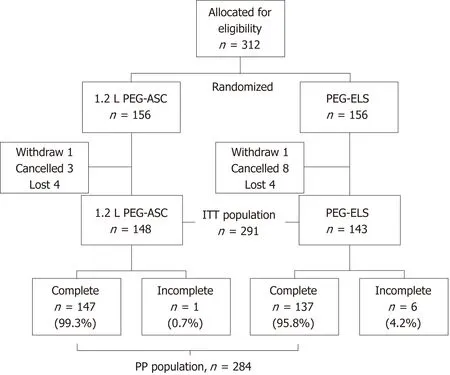
Figure1 Patient flow.
There were no significant differences in the incidence and type of adverse events between the 1.2L PEG-ASC and the PEG-ELS groups.The most common reported adverse events were nausea and abdominal discomfort;however,no major adverse event was reported in either group(Table5).
DISCUSSION
In this study,the 1.2 L PEG-ASC solution showed non-inferiority to the 2.0 L PEG-ELS solution in terms of the cleansing efficacy.Moreover,the 1.2 L PEG-ASC solution was superior to the 2.0 L PEG-ELS solution in terms of patient acceptability,and it was associated with a shorter time for bowel preparation,lower volume of fluid intake,and superior palatability.Furthermore,no major adverse events were reported in either group.Overall,this study demonstrated that the 1.2 L PEG-ASC solution plus sennoside is comparable to the 2.0 L PEG-ELS solution plus sennoside in bowel cleansing efficacy.
Traditional 4 L PEG regimen is widely accepted as a first recommended regimen for its safety and efficacy.However,ingestion of the large volume of solution and its unpleasant taste may result in poor acceptability and adherence.To improve these limitations,low-volume regimens that combine PEG and osmotic agents(e.g.,ascorbic acid,sodium phosphate)or stimulant agents(e.g.,bisacodyl,sennoside)are developed.Several studies compared 2 L PEG-ASC and traditional 4 L PEG regimen and concluded that 2 L PEG-ASC had comparable cleansing efficacy with better acceptability[27,36].In contrast,2 L PEG regimen combined with bisacodyl was reported to have comparable cleansing effect to traditional 4 L PEG regimen[37,38].Furthermore,several groups in East Asia recently reported that the combination of PEG-ASC and bisacodyl or sennoside achieved to reduce the volume of cleansing solution to 1 L or 1.5 L with comparative cleansing effect and improved patient acceptability to 2 L PEG regimen combined with laxative or split-dose 2-L PEG-ASC.Tajikaet al[29]reported that the 1.5 L PEG-ASC solution plus sennoside was superior to the 2 L PEG-ELS solution plus sennoside with respect to patient acceptability of bowel preparation for colonoscopy,and it was comparable to the 2.0 L PEG-ELS in bowel cleansing efficacy,tolerability,and safety.Moreover,the efficacy of bowel preparation with the 1.0 L PEG-ASC solution was reported in a prospective study from Japan[31]and two randomized studies from South Korea[32,39].Although their protocol had differences in terms of the kind of the laxative(sennoside or bisacodyl),these studies concluded that the 1.0 L PEG-ASC solution had similar efficacy with the 2.0 L PEG-ELS solution in bowel preparation.These results support that the efficacy of the reduced dose of PEGASC solution to less than 2.0 L plus laxative is comparable to the traditional PEGregimen as bowel preparation.However,because there had not been specific criteria for adequate dosing,we performed a preliminary study by comparing the cleansing efficacy of 1.0 L,1.2 L,and 1.5 L PEG-ASC solutions plus sennoside to determine the volume of PEG-ASC for our study(n =25 in each group,data not shown).According to the results of the preliminary study,we determined the regimen to be evaluated:an instruction for patients to take low-residue diet and an administration of 48 mg of sennoside on the day before colonoscopy,followed by bowel preparation with 1.2 L of PEG-ASC and at least 0.6 L of additional clear fluid during procedure on the day of colonoscopy.As we expected,the current study demonstrates the non-inferiority of 1.2 L PEG-ASC solution to 2.0 L PEG-ELS solution for successful cleansing,defined as BBPS sub-score ≥ 2 in each segment in the ITT and PP population.Moreover,the sum of each BBPS segmental score was significantly higher in the 1.2 L PEG-ASC group than in the 2.0 L PEG-ELS group.
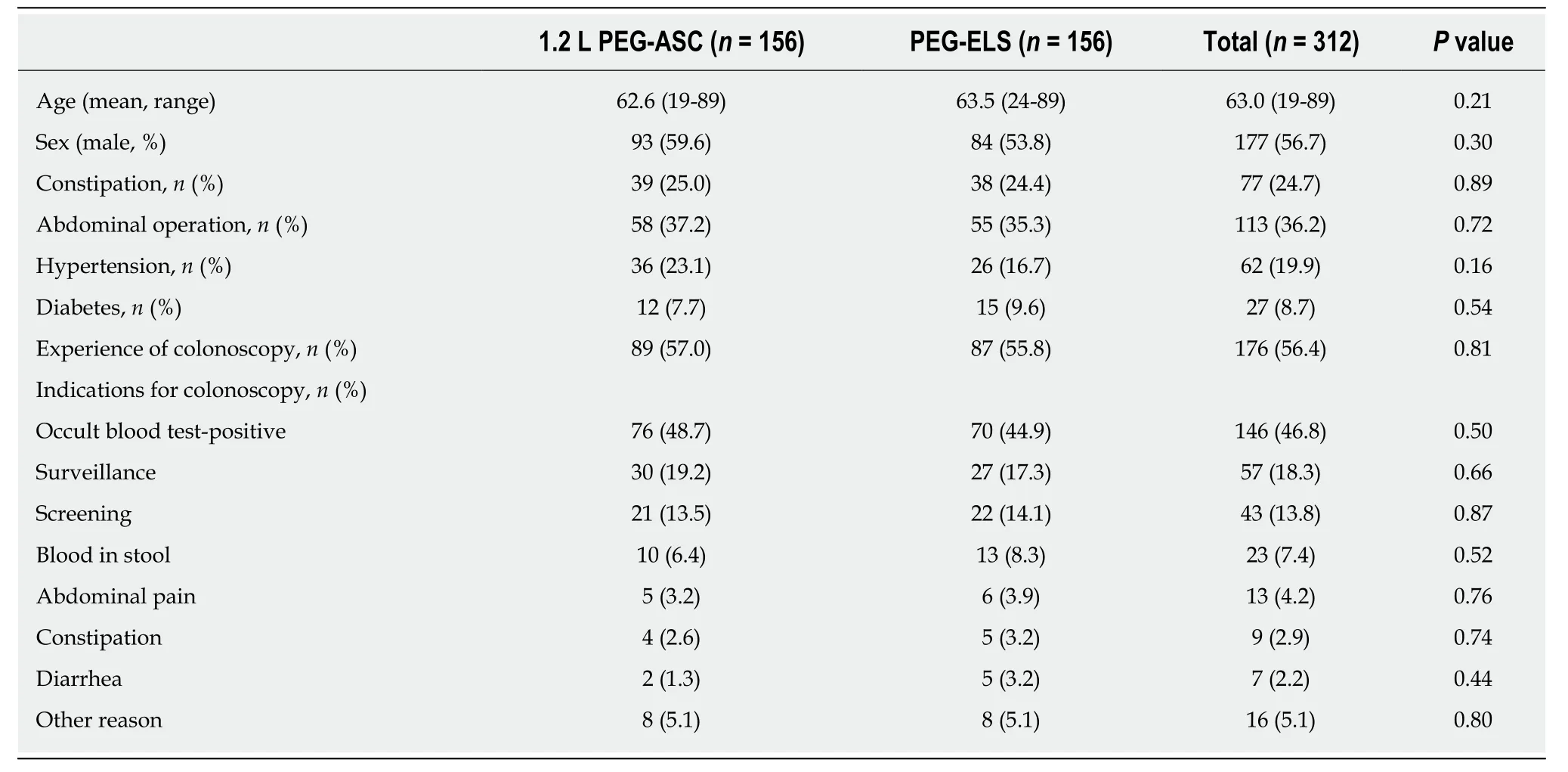
Table1 Clinical characteristics
Furthermore,our results demonstrate that the PDR,ADR,and AADR were comparable between the two groups,suggesting that similar visualization quality was achieved.ADR is recognized as a useful surrogate marker for CRC detection[40],and for every 1% increase in the ADR,there is a 3% decrease in CRC incidence and a 5%decrease in CRC-related mortality[41].Although it is still controversial whether bowel cleansing influences ADR,several studies,including meta-analyses,have demonstrated that adequate bowel cleansing is associated with a higher ADR[16,42].The ACG/American Society for Gastrointestinal Endoscopy task force on quality colonoscopy recommended a minimum average risk screening ADR target of 25% in a combined male and female population(30% ADR in men and 20% ADR in women)[43].The ADR in the current study,34.5% in the 1.2L PEG-ASC group and 39.1% in the PEG-ELS group,is greater than the recommended value and suggests that both protocols have sufficient efficacy in bowel cleansing for screening colonoscopy.
The time interval between the bowel preparation and the start of colonoscopy was reported as one of the predicting factors affecting bowel cleansing effect as well as age,sex,diabetes,constipation,history of abdominal surgery,compliance with preparation instructions,and bowel preparation type.In the current study,the time interval was significantly longer in the 1.2 L PEG-ASC group than in the PEG-ELS group(147.3 min ± 66.2 minvs115.9 min ± 54.7 min,P< 0.01).This difference is considered to be due to the difference in the required time for bowel preparation between the two groups and fixed starting time of colonoscopy in both groups.Kimet al[44]reported the relationship in the time interval between the last PEG intake and the start of colonoscopy.Although they concluded that the optimal time interval was 5 h -6 h for the full-dose PEG method,there was no significant difference in the cleansing effect between the time intervals under 3 h and 5 h -6 h in the patients who received the PEG solution and colonoscopy on the same day.Therefore,we considered that the difference of 30 min in the time interval between the two groups in the current studydid not have a potent influence on the evaluation of the cleansing effect.
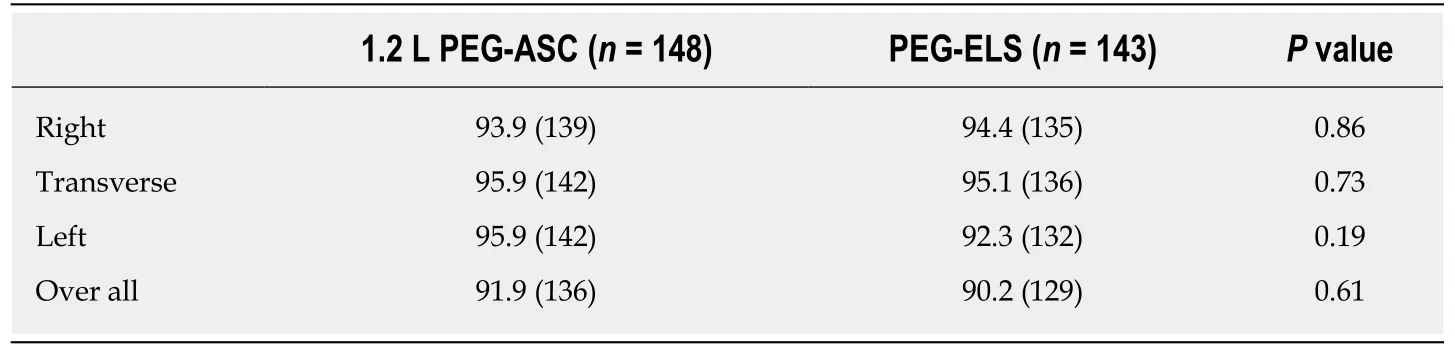
Table2 Successful cleansing rates according to colonic segment %(n)
The variant cleansing effect of PEG-ASC is considered to derive from the excessive ascorbic acid residues in the bowel lumen because its absorption mechanism saturates at a high dose[45].Ascorbic acid residues can act as an osmotic laxative cooperating with PEG-ELS.In this respect,a risk of inducing intravascular volume depletion is alarming.Failure to maintain adequate hydration before,during,and after bowel preparation may increase the risk of severe and potentially fatal intravascular volume depletion-related complications such as fatal dysnatremia associated with PEG-ELS preparations or renal failure associated with sodium phosphate preparations[46-48].Therefore,we excluded patients with renal dysfunction whose eGFR is < 30 mL/min·1.73 m2or those with severe congestive heart failure,and patients were encouraged to take additional clear fluid other than the required 0.6 L throughout the bowel-preparation process to maintain hydration.In this study,the minimum volume of clear fluid to be ingested during procedure was 0.6 L,which was in accordance with the instruction provided by the drug package insert:half of the volume of the ingested PEG-ASC solution.However,sufficient fluid replacement more than 0.6 L is considered to contribute to avoiding intravascular volume depletion-related complications.Essentially,the total volume of fluid intake amounted to 2.23 L ± 0.55 L suggesting that 1.03 L ± 0.55 L of additional clear fluid was ingested by patients in the 1.2 L PEG-ASC group.Consequently,no fatal dehydration-related complications were observed in the current study.In addition,there were no significant changes in eGFR before and after the procedure in the 1.2 L PEG-ASC group(82.9 mL/min·1.73 m2±1.9 mL/min·1.73 m2vs81.5 mL/min·1.73 m2± 1.6 mL/min·1.73 m2,P= 0.17;data not shown).These results suggested that the volume of fluid intake was sufficient to maintain hydration in the 1.2 L PEG-ASC group.Thus,our results demonstrated the safety of the bowel cleansing protocol with 1.2 L PEG-ASC solution with respect to intravascular volume depletion and renal dysfunction.
There are several limitations to this study.First,this study was conducted at a single center,limiting the generalizability of the results.Second,this study was performed in a single-blinded manner,and it may have possible influence on patient's rating on the acceptability evaluated by the patient questionnaire.Third,dietary regimen on the day before colonoscopy was not even because it depended on individual response after a dietary instruction.Finally,we have to take the difference between the races and the region into consideration when we discuss the efficacy of bowel cleansing regimens.They can vary in effectiveness depending on the racial or regional groups because body dimensions,diet habits,and bowel transit time.etc.,vary among population and are considered to affect the reactivity for cleansing agents.Although the efficacy of the combination of PEG-ASC lower than 2 L plus bisacodyl or sennoside was currently evaluated only in East Asia,they are thought to be effective in the population who are successfully treated with 2 L PEG-ELS plus laxative(e.g.,South Asia[37]or Canada[38]).In this point of view,further studies in various races and regions are required to confirm the efficacy of PEG-ASC lower than 2.0 L plus laxative.
In summary,this study demonstrated that 1.2 L of PEG-ASC and 2.0 L of PEG-ELS are clinically equivalent with respect to cleansing efficacy,including ADR.The 1.2 L PEG-ASC regimen was superior to the 2.0 L PEG-ELS regimen in terms of the required time for bowel preparation,palatability,and acceptability.These results support that the 1.2 L PEG-ASC solution plus sennoside with prior low-residue diet is a suitable alternative to the standard bowel preparation with PEG-ELS in outpatients for afternoon colonoscopy.
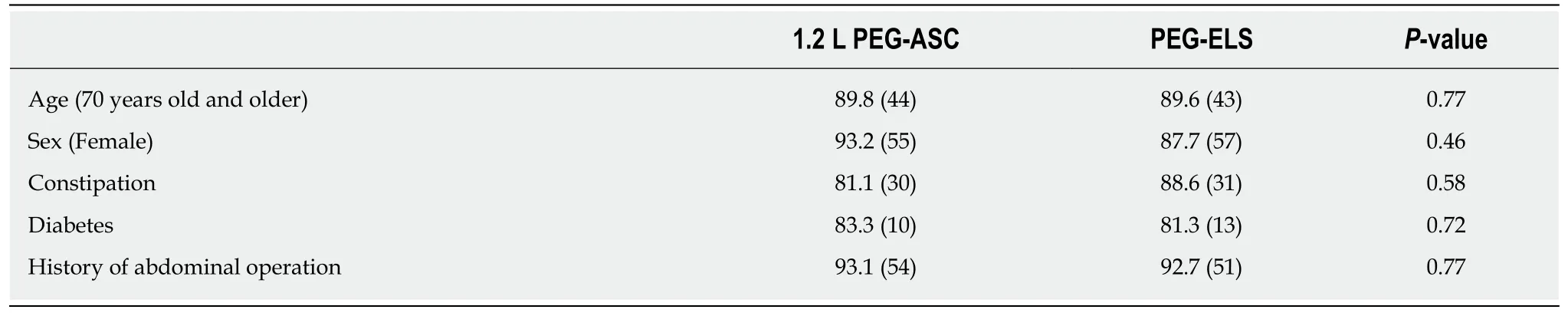
Table3 Successful cleansing rates according to various factors %(n)

Table4 The Polyp detection rate,the adenoma detection rate,and the advanced adenoma detection rate %(n)
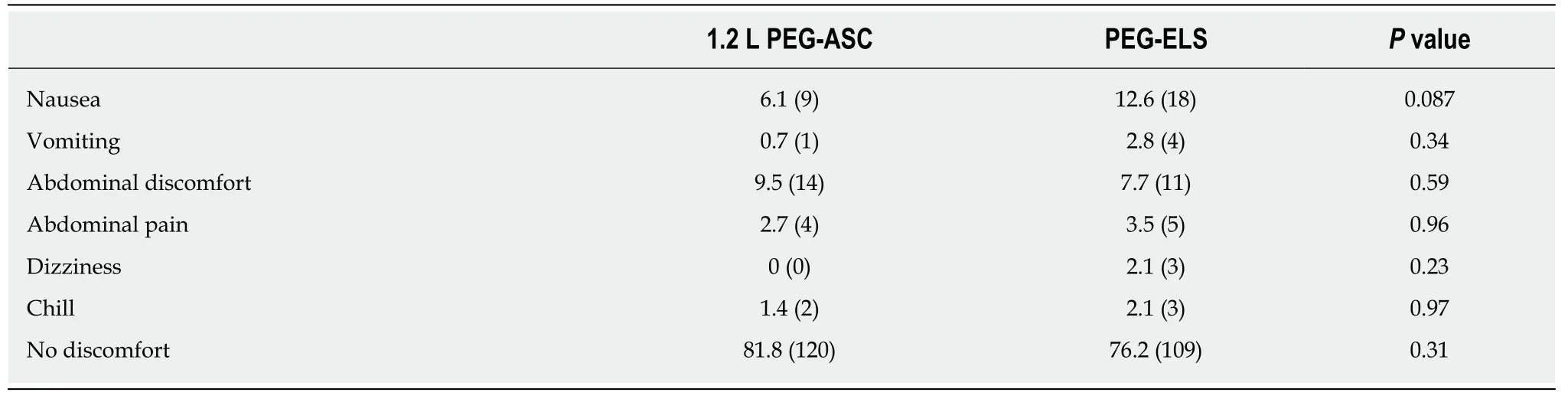
Table5 Adverse events %(n)
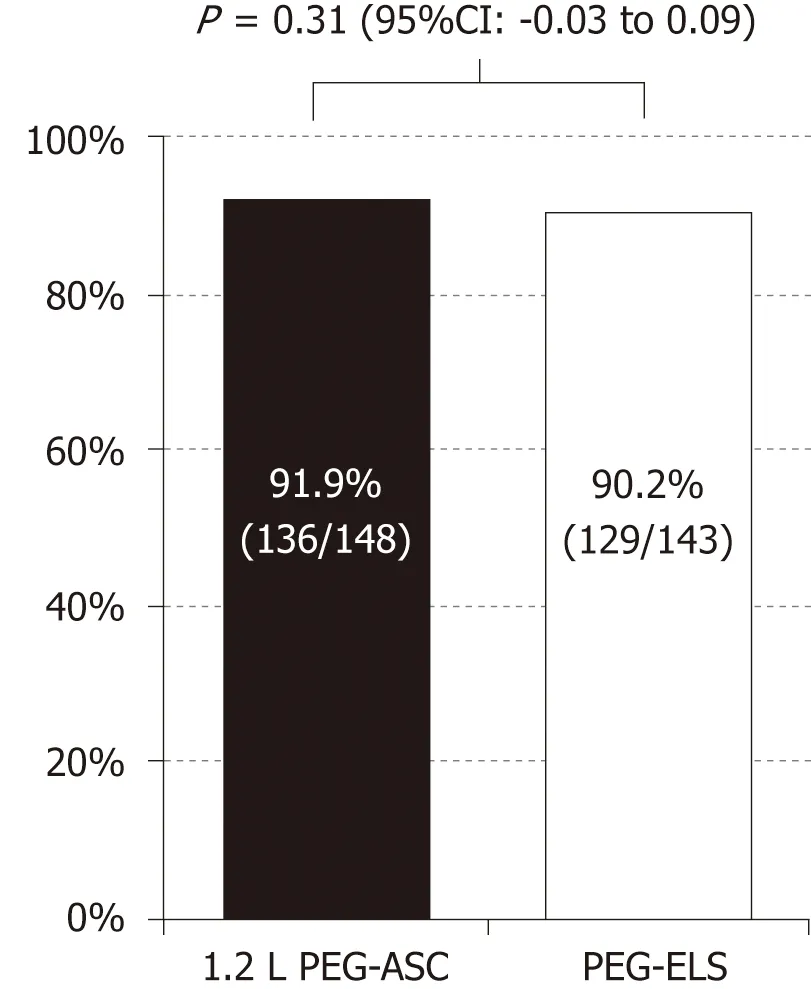
Figure2 Successful cleansing rate(BBPS score ≥ 5).
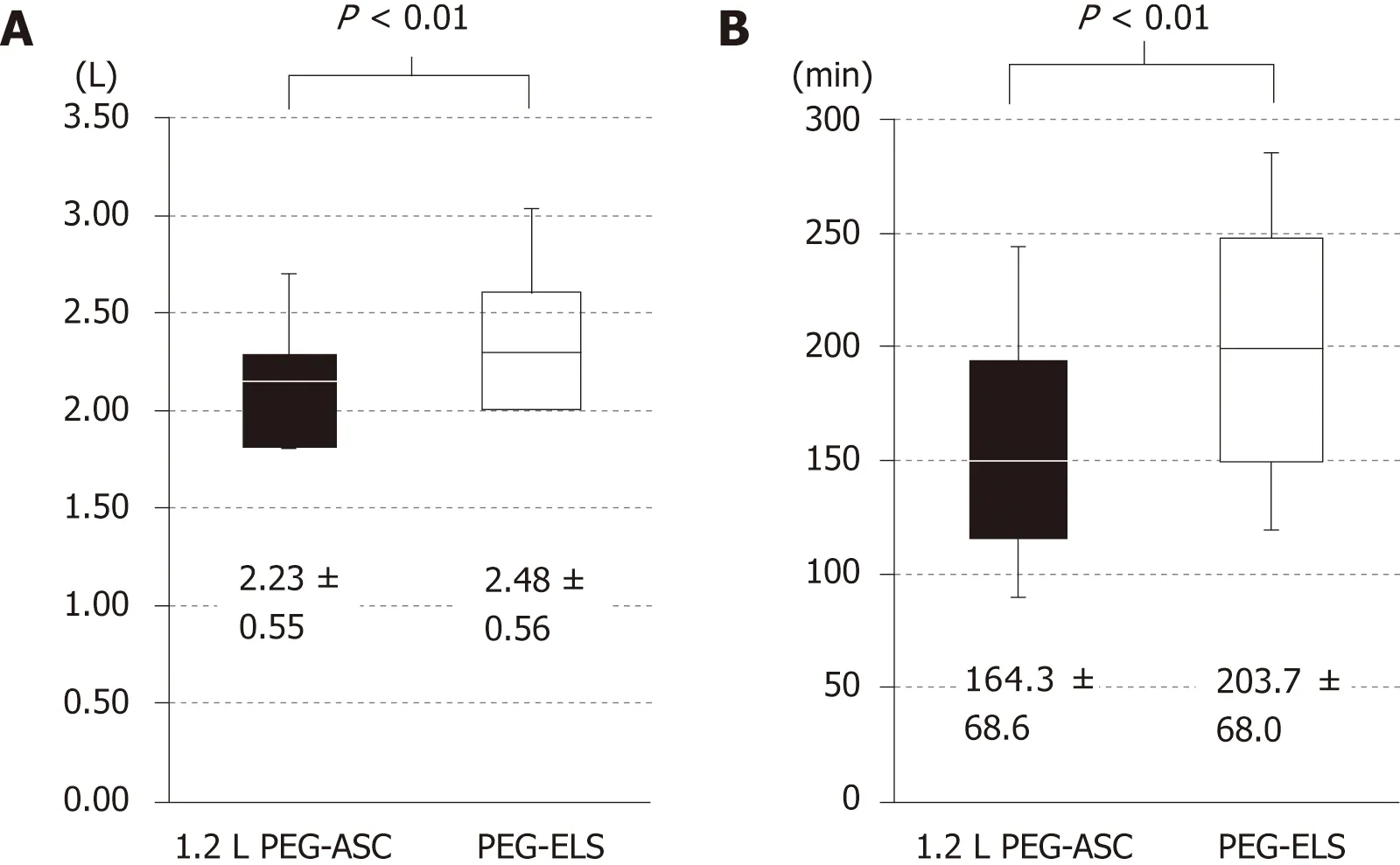
Figure3 Difference in the total volume of fluid intake and the required time for bowel preparation between the 1.2 L polyethylene glycol plus ascorbic acid group and the polyethylene glycol-based electrolyte solution group.
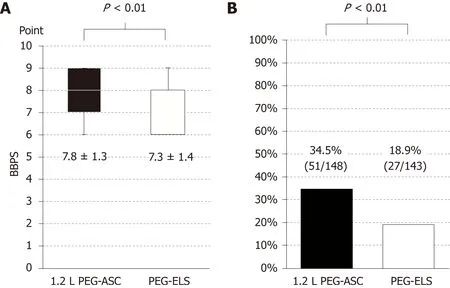
Figure4 Difference in the cleansing quality and the frequency of cleansing operations to remove foam or bubbles between the 1.2 L polyethylene glycol plus ascorbic acid group and the polyethylene glycol-based electrolyte solution group.
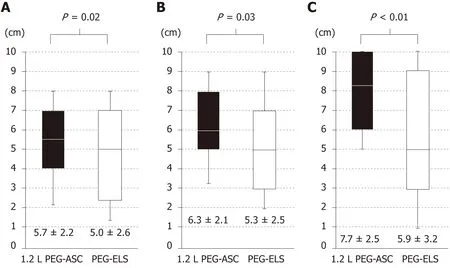
Figure5 Patient acceptability of cleansing solution assessed by visual analog scale.
ARTICLE HIGHLIGHTS
Research background
Inadequate bowel preparation is a serious matter on screening colonoscopy because it may result in a higher adenoma miss rate,prolonged procedure time,lower colonoscopy completion rate,and increased cost because of the need for an earlier repeat examination.
Research motivation
Low-volume regimens that combine polyethylene glycol(PEG)and osmotic or stimulant agents are developed to improve acceptability.Although several reports showed that the combination of PEG plus ascorbic acid(PEG-ASC)solution lower than 2.0 L and laxative agents could be alternative to traditional preparation regimen,the cleansing protocols have not been fully investigated.
Research objectives
We aimed to evaluate the cleansing efficacy of 1.2 L PEG-ASC comparing with 2.0 L PEG electrolyte(PEG-ELS)combined with sennoside as bowel preparations for afternoon colonoscopy.
Research methods
A randomized,single-blinded,open-label,single-center,non-inferiority study was conducted.In total,312 Japanese adult patients(aged > 18 years)who underwent colonoscopy were enrolled.Patients were randomly allocated to bowel lavage with either 1.2 L of PEG-ASC solution with at least 0.6 L of an additional clear fluid(1.2L PEG-ASC group)or 2.0 L of PEG-ELS(PEG-ELS group).Then,48 mg of sennoside was administered at bedtime on the day before colonoscopy,and the designated drug solution was administered at the hospital on the day of colonoscopy.Bowel cleansing was evaluated using the Boston Bowel Preparation Scale(BBPS).The volume of fluid intake and required time for bowel preparation were evaluated.Furthermore,compliance,patient tolerance,and overall acceptability were evaluated using a patient questionnaire,which was assessed using a visual analog scale.
Research results
In total,291 patients(1.2 L PEG-ASC group,148;PEG-ELS group,143)completed the study.There was no significant difference in successful cleansing,defined as a BBPS score ≥ 2 in each segment,between the two groups(1.2 L PEG-ASC group,91.9%;PEG-ELS group,90.2%;95%CI:-0.03-0.09).The required time for bowel preparation was significantly shorter(164.95 min ± 68.95 minvs202.16 min ± 68.69 min,P< 0.001)and the total fluid intake volume was significantly lower(2.23 L ± 0.55 Lvs2.47 L ± 0.56 L,P< 0.001)in the 1.2 L PEG-ASC group than in the PEGELS group.Palatability,acceptability of the volume of solution,and overall acceptability evaluated using a patient questionnaire,which was assessed by the visual analog scale,were significantly better in the 1.2 L PEG-ASC group than in the PEG-ELS group(7.70 cm ± 2.57 cmvs5.80 cm ± 3.24 cm,P< 0.001).No severe adverse event was observed in each group.
Research conclusions
This study demonstrated that 1.2 L of PEG-ASC and 2.0 L of PEG-ELS are clinically equivalent with respect to cleansing efficacy,including ADR.Furthermore,the 1.2 L PEG-ASC regimen was superior to the 2.0 L PEG-ELS regimen in terms of the required time for bowel preparation,palatability,and acceptability.These results support that combination of 1.2 L PEG-ASC solution and sennoside with prior low-residue diet is a suitable alternative to the standard bowel preparation with PEG-ELS in outpatients for afternoon colonoscopy.
Research perspectives
We have to take the difference between the races and the region into consideration when we discuss the efficacy of bowel cleansing regimens.They can vary in effectiveness depending on the racial or regional groups because body dimensions,diet habits,and bowel transit time,etc.,vary among population and are considered to affect the reactivity for cleansing agents.Although the efficacy of the combination of PEG-ASC lower than 2 L plus bisacodyl or sennoside was currently evaluated only in East Asia,they are thought to be effective in the population who are successfully treated with 2 L PEG-ELS plus laxative.In this point of view,further studies in various races and regions are required to confirm the efficacy of PEG-ASC lower than 2.0 L plus laxative.
ACKNOWLEDGEMENTS
We wish to acknowledge the help of Mr.Hideki Hayashi as a statistical consultant.
猜你喜歡
中國特種設備安全(2022年5期)2022-08-26 09:19:32
礦產綜合利用(2020年1期)2020-07-24 08:50:40
山東冶金(2019年6期)2020-01-06 07:45:54
收藏界(2019年2期)2019-10-12 08:26:06
世界農藥(2019年2期)2019-07-13 05:55:12
世界農藥(2019年2期)2019-07-13 05:55:10
模具制造(2019年3期)2019-06-06 02:11:00
山東工業技術(2016年15期)2016-12-01 05:30:59
銅業工程(2015年4期)2015-12-29 02:48:39
新疆鋼鐵(2015年3期)2015-11-08 01:59:52
 World Journal of Clinical Cases2019年4期
- World Journal of Clinical Cases的其它文章
- Rhombencephalitis caused by Listeria monocytogenes with hydrocephalus and intracranial hemorrhage:A case report and review of the literature
- Anterior cervical corpectomy decompression and fusion for cervical kyphosis in a girl with Ehlers-Danlos syndrome:A case report
- Primary hepatic leiomyosarcoma successfully treated by transcatheter arterial chemoembolization:A case report
- Long-term follow-up of a patient with venlafaxine-induced diurnal bruxism treated with an occlusal splint:A case report
- Hydrochloric acid enhanced radiofrequency ablation for treatment of large hepatocellular carcinoma in the caudate lobe:Report of three cases
- Therapeutic plasma exchange and continuous renal replacement therapy for severe hyperthyroidism and multi-organ failure:A case report