最正宗的西湖藕粉原來(lái)在這里
2019-01-09 07:06:30柏建斌
文化交流 2019年12期
柏建斌
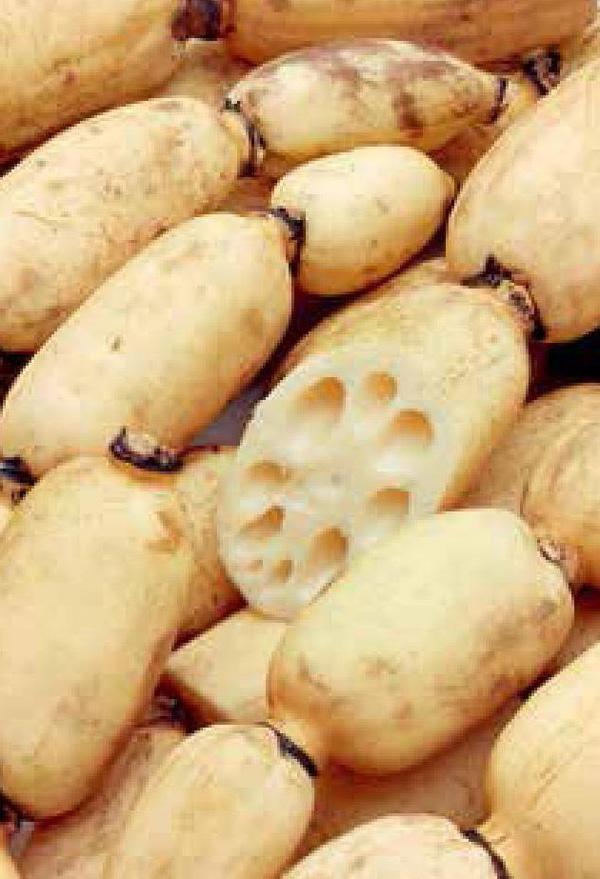
三家村藕粉還真有其特點(diǎn),它色澤呈微紅,貯藏時(shí)間很久不會(huì)變質(zhì),而且口感獨(dú)特。資料顯示,三家村藕粉一直是“風(fēng)靡兩京”的食品,借助京杭大運(yùn)河,遠(yuǎn)銷蘇州、上海、南京等地。這在《隨園食單》及《杭州府志》等古籍中都有記載。
冠名杭州西湖的美食不多,印象中除了大名鼎鼎的西湖醋魚,還有西湖莼菜,再有就是西湖藕粉了。
說(shuō)來(lái)也是奇怪,這些冠名西湖的名菜名點(diǎn),卻并不生長(zhǎng)于西湖之中。比如做西湖醋魚的魚,原本都是蔣村一帶抓來(lái)的,莼菜則生長(zhǎng)于雙浦水田。至于用來(lái)制作藕粉的老蓮藕,卻以杭州余杭崇賢街道三家村的為最佳。
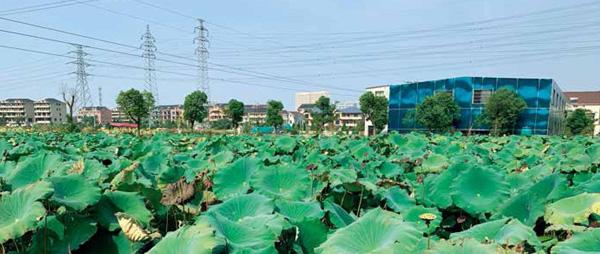
走秋石高架,過(guò)半山隧道,經(jīng)過(guò)連綿的高樓大廈和新建小區(qū),車子轉(zhuǎn)入一條村道,忽然大片荷塘出現(xiàn),一下就豁然開(kāi)朗了。
杭州最正宗的藕粉,就藏在這里。
為啥這里的藕粉最正宗
荷塘一會(huì)在左,一會(huì)在右,雖然數(shù)量不多,規(guī)模卻不小。可以想象,藕粉出名于此,是有些淵源的。
“這是一早挖的,都是老藕,這會(huì)兒一斤要將近5元了。”要去的范家角56號(hào)不好找,站在57號(hào)邊,還是得打電話讓人帶。
走到56號(hào),幾個(gè)大竹匾已放滿了剛削出來(lái)的藕片,一位阿姨仍在忙著削藕片。村民老范指著一堆正用水沖洗的蓮藕說(shuō),上午就做這些。
阿姨忙完手中最后那點(diǎn)藕粉團(tuán),開(kāi)始打理那些沖洗干凈的生藕。反復(fù)搓去蓮藕表面的泥銹,還要切去藕節(jié)以及周邊的根系,這些深色的雜物都會(huì)影響最后藕粉的質(zhì)量。
再次清洗,包括去掉一些孔里的泥土。
洗凈之后,便開(kāi)始“舂藕”。老范的工具簡(jiǎn)單實(shí)用,就是一個(gè)自制的金屬多孔刨子,不斷將蓮藕在刨子上來(lái)回搓,碾碎藕節(jié)后成為粉渣狀的蓮藕泥。
范家角是現(xiàn)在的地名,這個(gè)自然村曾是當(dāng)年三家村的一部分。這幾個(gè)村地勢(shì)低,原先河港交叉,內(nèi)塘特多。“最主要的原因是這兒的塘泥深而肥沃,一般都會(huì)超過(guò)一米深,老底子的時(shí)候大家都種藕。”老范說(shuō),現(xiàn)在村民住戶多了,藕塘少了許多,反而是外埠藕粉制作量大了。
百多斤的老藕很快刨完,這個(gè)時(shí)候整個(gè)桶里都是藕泥了。“這個(gè)過(guò)程其實(shí)和做番薯粉條一樣,主要是過(guò)濾出淀粉。”老范說(shuō),藕漿磨得越細(xì)越好,因?yàn)槟サ迷郊?xì),出粉率越高。
為了多出粉,他還得在桶里加水,不斷搓揉,這個(gè)過(guò)程叫洗粉。
再就是過(guò)濾了,土辦法是在桶上面放幾層紗布,然后將搓揉后類似漿一樣的料倒入紗布。這樣,渣滓和一些其他雜質(zhì)就被過(guò)濾出來(lái),流到紗布下的便是比較純凈的漿水了。
老范說(shuō),過(guò)濾需要多次,這個(gè)過(guò)程繁復(fù)卻不能省,目的是為了確保藕粉的純凈和細(xì)膩。
三家村藕粉聲名遠(yuǎn)播,除了因?yàn)楫?dāng)?shù)嘏旱馁|(zhì)地上佳,也許更是因?yàn)檫@種傳統(tǒng)的工序。清光緒《唐棲志》關(guān)于藕粉的記載寫道:“藕粉者,屑藕汁為之,他處多偽,摻真膺各半,唯唐棲三家村業(yè)此者以藕賤不必假他物為之也。”
說(shuō)起這里的藕粉,老范非常自豪地提起了美國(guó)前總統(tǒng)尼克松當(dāng)年品嘗的故事。“我沒(méi)有見(jiàn)到,但當(dāng)時(shí)都在說(shuō)這個(gè)事,講周恩來(lái)總理讓尼克松吃了三家村精制藕粉,尼克松贊賞不絕,還作為禮物帶回國(guó)。”
神秘手藝傳媳不傳子
反復(fù)過(guò)濾后的藕漿水自然越來(lái)越多,因此它的沉淀過(guò)程也就更長(zhǎng)了,按照一般經(jīng)驗(yàn),大約要3個(gè)小時(shí)左右。
3個(gè)小時(shí)后再看木桶,上面的水基本是清澈的,倒去上層清水,底下可見(jiàn)實(shí)實(shí)的,便是尚沒(méi)有完全干透的“藕粉”團(tuán)。
讓這沉淀出來(lái)的“藕粉”團(tuán)進(jìn)一步瀝干水分有很多辦法,比如放在草木灰之中等等,但最好的辦法還是讓它自然失去水分。
接下去的那一道工序,可以說(shuō)是三家村女子的亮點(diǎn)。“一直以來(lái),這個(gè)削藕粉的技術(shù),在我們這兒是只傳給媳婦的。”正忙的時(shí)候,隔壁一位老太太走了過(guò)來(lái),將近80歲的老人顯得十分白凈,她說(shuō)自己也姓范,從小長(zhǎng)在這個(gè)村。“做姑娘的時(shí)候我們會(huì)在邊上看,學(xué)學(xué)也蠻快的。”老太太的意思是:沒(méi)做人家媳婦的時(shí)候先學(xué)著,嫁人了,再學(xué)起來(lái)就方便了。
“老底子村里還會(huì)進(jìn)行削藕粉比賽,一大個(gè)竹匾兩個(gè)人搭檔,一人一邊,自愿組合,最后兩人一組決出勝負(fù)。”老人說(shuō),那個(gè)時(shí)候,往往是快的和快的搭在一起,勝負(fù)早就看出來(lái)了。
“藕粉是削出來(lái)的,曬干的成品呈片狀,其實(shí)不是粉。”拿著瀝干水分的藕粉團(tuán),一位阿姨彎腰在大竹匾上左右來(lái)回?fù)u晃,藕片像雪花一樣,落在竹匾上。“關(guān)鍵要做到厚薄均勻,不然的話曬起來(lái)把不準(zhǔn)時(shí)間,有的干了,有的還有水分。最后泡的時(shí)候,也會(huì)因?yàn)楹癖〔粍蚱鹦「泶瘛!?/p>
三家村藕粉“風(fēng)靡兩京”
老范說(shuō),三家村藕粉還真有其特點(diǎn),它色澤呈微紅,貯藏時(shí)間很久不會(huì)變質(zhì),而且口感獨(dú)特。資料顯示,三家村藕粉一直是“風(fēng)靡兩京”的食品,借助京杭大運(yùn)河,遠(yuǎn)銷蘇州、上海、南京等地。這在《隨園食單》及《杭州府志》等古籍中都有記載。
“現(xiàn)在是吃藕的好時(shí)節(jié),大節(jié)的鮮藕每斤要賣四五元。但每100斤鮮藕只能制成六斤左右藕粉,而時(shí)價(jià)藕粉每斤也才賣50元左右。”老范說(shuō),這個(gè)時(shí)候他只能挑選那些小的、大約1元1斤的頭尾小節(jié)來(lái)加工,不然會(huì)虧本。
盡管如此,老范還是堅(jiān)持傳統(tǒng)制作,從這個(gè)時(shí)候開(kāi)始到明年4月之前,用成熟蓮藕為原料,制作出一袋袋的“古法純藕粉”。
其實(shí),是否古法藕粉,從沖泡方法上也可以看出。“我們這種傳統(tǒng)藕粉的沖泡,先要用少許涼水將其調(diào)勻,大概調(diào)到牛奶狀,然后加入開(kāi)水,碗中立刻涌現(xiàn)出微紅晶瑩的凍體。”老范說(shuō),三家村的藕粉,哪怕不放糖也好吃,它清香撲鼻、沁人心脾,自帶淡淡的甜味。
“誰(shuí)碾玉玲瓏,繞磨滴芳液。擢泥本不染,漬粉詎太白。鋪奩暴秋陽(yáng),片片銀刀畫。一撮點(diǎn)湯調(diào),犀匙溜滑澤。”這是清代錢塘詩(shī)人姚思勤的《藕粉》詩(shī),藕粉的制作和最后的品嘗,都蘊(yùn)含在這詩(shī)作中了。
(本文圖片攝影:視范影像 朱莉莉)
“West Lake lotus root powder” is a famed delicacy of Hangzhou. The best-known West Lake lotus root powder is made at Sanjiacun (literally, a village of three families), a village in Yuhang, which is now a district in the north of Hangzhou. The production history can be traced to the Southern Song Dynasty (1127-1279), which was housed in present-day Hangzhou. In ancient times, it was shipped to the north through the Grand Canal of China that connects Hangzhou to Beijing.
The other day, I visit Sanjiacun to take a look the ancient procedure these lotus root powder makers still follow faithfully.
The journey I take to get there includes a long way on an elevated expressway and a long tunnel. After high buildings and new residential communities disappear, I turn into a village road. There are lotus ponds, now a pond on the right and now a pond on the left. All of a sudden, the sky is low, broad and open.
I have no idea where Old Fans home is though I have his address. I phone him and he comes to fetch me. We reach his home. A middle-aged woman is cutting the wet powder dough in her hand into flakes onto a broad flat bamboo tray to dry. “Thats what we have done today,” explains Old Fan.
The woman soon completes cutting what is left in her hand and begins to clean some lotus roots. I learn that cleaning is the first step of lotus root powder making. First of all, all the lotus roots must be cleansed repeatedly. The tubers are cut open so that the mud inside holes inside can be removed. Unnecessary parts such as links between tubers and the tough ends of tubers are all chopped off.
After the cleaning, all root tubers are grated on a kitchen grater. The result is a thick paste. The crude paste is then ground again and again until it becomes fine. Now and then, Old Fan puts his hands into the bucket to make sure the grinding is fine and he adds some more water into the paste so that all the starch has an opportunity to get out of the grated roots. The fine paste is then placed on a layer of gauze to separate starch from the paste. The paste will be filtered repeatedly to get the greatest amount of starch and remove dregs. Old Fan says that repeated filtering is an important step to ensure quality.
Old Fan says the superior quality of the lotus root powder made in Sanjiacun can be attributable to the quality lotus roots and partly to the traditional procedure. He says proudly that a local history of the Qing Dynasty (1644-1911) remarks that lotus root powder made in Sanjiacun was pure, never adulterated with starches of other plants.
And then Old Fan mentions that American President Nixon sampled the lotus root powder during his visit to Hangzhou in 1972. Fan wasnt there to see the US president sample the lotus root powder, but “everyone was telling the same story,” says Old Fan. “The president appreciated the delicacy and spoke highly of it. The Sanjiacun lotus root powder was among the Chinese gifts he brought back to America.” Old Fans face beams.
After the filtering, the fine starch will be let alone, starch begins to deposit to the bottom. After three hours, starch becomes a thick paste. The water on top is removed. The wet starch will dry naturally. Then, women will slice a relatively dry pasty mess into flakes. In the past, only daughters and daughters-in-law were taught how to make flakes. Flakes are then spread evenly on a wide flat bamboo tray to further dry. An elderly woman explains: the secret is to make even flakes, neither too thick nor too thin so that all the flakes will dry relatively at the same time and there will be no bubbles when powder is made into jelly with boil water. In good old days, Lao Fan says, the village held competitions for women cutters. Usually two good cutters would group together. In some cases spectators could see who the best cutter was shortly after a competition started.
The best lotus roots are big thick ones: they produce better and more starch. But “It is now lotus root season and big ones sell for 8 to 10 a kilo. 50-kilo lotus roots make about 3 to 4-kilo powder, which sells 100 yuan a kilo. In order to keep costs as low as possible, only small lotus roots, about 2 yuan a kilo, will be used simply because they are cheap and are good enough to make good quality powder and make a profit,” Old Fan explains.
The ancient production method the villagers of Sanjiacun faithfully follow is more than something like a recipe. It is also about raw material selection, processing steps, cost control, quality assurance. The production season lasts from October to Qingming Festival in early April next year.
The production procedure of the Sanjiacun lotus root powder has been inscribed onto the directory of intangible cultural heritage of Zhejiang.
The Sanjiacun lotus root powder jelly looks slightly reddish and crystal. The powder comes in flakes roughly the size of sugar in the raw. To prepare, you first mash a spoonful of the powder in cold water to make a milky paste, and then quickly stir while pouring in a cupful of boiling water. As you stir, the opaque powder becomes a transparent jelly. The desired result is a bowl of light brown translucent jelly. The natural flavor is a little bit sweet. “You can enjoy it without adding any sugar,” Old Fan says.