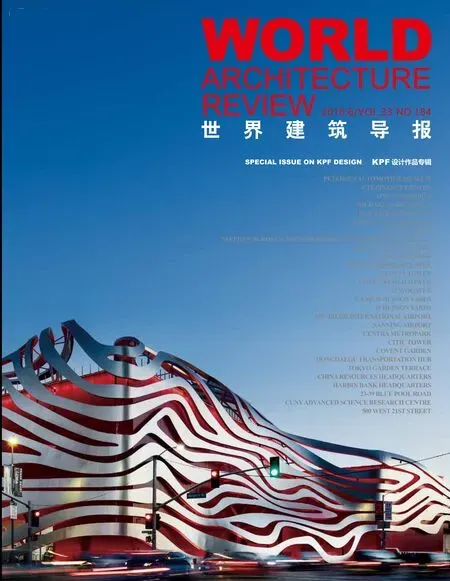
KPF訪談
2019-01-05 07:50:56
世界建筑導報 2018年6期
1、KPF的許多設計作品都成為了全球各大城市的天際線,請問KPF是如何看待超高層建筑對城市的影響?
一個城市的天際線代表了一個城市的身份,在我們所有的設計中都要仔細考慮。在給城市增添特色和構建項目之外,還要慎重且懷有敬意地對待建筑物由外到內和由內到外的視覺。我們在各個層面關注與公眾的積極互動,因此我們設計的塔樓毫無例外地在頂部留有一個公共空間,此外,我們還強調建筑滿足街道水平面和影響行人體驗的方式。
2、面對與歐美國家地區完全不同的歷史脈絡、文化背景和城市環境,KPF是如何完成在中國的實踐呢?
自1994年我們在中國開工以來,從多功能開發項目到新社區總體規劃,KPF已在中國取得了巨大成功。在中國的實踐中,我們注重質量和長期可持續性。我們謹慎地選擇為那些在建設杰出項目方面與我們志趣相投的客戶提供服務,為城市肌理做出重大而突出的貢獻。我們在上海和香港擁有自己的辦事處,并與項目當地設計單位密切合作,以實現這些抱負。
3、深圳平安金融中心成為2017年世界建成的最高建筑,在整個項目的推進過程中有什么值得與我們分享的故事嗎?
除了能源與環境設計先鋒獎金牌預認證外,深圳平安金融中心對臺風和閃電的應對在本質上是基于塔的形式和外觀。為減輕風力影響,塔身的形式應對氣流的影響:錐形輪廓和切角對作用在塔身風荷的減少高達40%。為了防止雷擊,立面采用了V形不銹鋼柱,這些柱連接在一起形成了一個保護網,驅散雷擊,將其無害導入大地。
4、能談談生態設計和可持續設計在KPF作品中的利用嗎?
KPF既要對城市居民負責,也要對城市本身負責。在我們的環境設計過程中,我們考慮了許多變量,包括項目中自然采光和自然通風效果,以及它們對周圍現有建筑的影響。
我們用切實的依據來支撐我們的決策,并且依靠與性能相關的數據來給客戶傳遞我們的想法。我們重視可衡量的、以人為中心的指標,而不是可持續性評級和認證。我們擁有一個內部團隊,專注于設計和構建適合我們設計團隊工作流程的專有模擬工具。我們還將機器學習、AR/VR和社交媒體等新領域融入到我們的設計實踐中。總之,這些舉措是我們對內部、客戶和公眾數據表達方式的創新。
5、除了超高層建筑的矚目,KPF在城市綜合體設計方面也備受關注,KPF 認為城市綜合體在整個城市和地區扮演怎樣的角色呢?

多功能城市綜合體提供不僅創造美麗、高效的建筑,而且創造完整公共領域的機會。在曼哈頓西區,哈德遜園區28英畝的開發項目有一半被用于公園和公共集會空間。在新加坡,濱海灣金融中心既是建筑本身,也是建筑物之間的空間。這兩個項目均為穿過綜合體的各種項目的人們創造會面和互動的場所,從而帶來趣味性。
6、在結構和技術方面,KPF最近進行了哪些創新性實踐呢?
KPFui(KPF城市界面)是公司內部的一個研究和設計部門,參與解決影響建筑和城市未來的當代問題。他們致力于純粹的應用研究,其專有軟件使得關鍵建筑指標的實時可視化和優化成為可能。通過允許設計團隊定量和高效地比較分區、視圖、太陽路徑、行人流量或公共空間等參數,我們的流程可以使我們的決策更快、更明智。
7、能談談KPF作品中細部構造對建筑整體性的作用和意義嗎?
在以推理比較為主的設計流程精神的鼓舞下,我們的建筑師在“大概念”上持續不斷地彼此挑戰,雄心勃勃,同時在每個重大決定上仍然考慮周到。這種對細節的關注貫穿在公司的精神中:其早期實踐的一個宗旨是,大的建筑尺度上表現出的精巧性也常在小尺度上體現。每一個設計都融入從微觀到宏觀,從單個瓷磚到項目整體結構轉化的形式和物質姿態。然而,在實踐中,這一承諾只有以細部特征的持久性為前提下才重要。因此,KPF確保設計的作品擁有持久的物理壽命,并有助于周圍的建筑環境。
8、在這個多元化的建筑市場里,KPF獨有的優勢是什么?
KPF在全球各地設有辦事處,為我們的客戶提供24小時的全球員工服務;以及在當今市場中提供一個標準的預期,使我們的項目能夠更快推進。此外,自從開始在國外從事國際項目工作以來,我們已經執行了與當地團隊合作的機制。在一個團隊組織架構中一起工作,而在其他時候劃分工作范圍,我們各自的能力和專業知識得以最大化。從這個意義上說,我們的流程非常注重協作和協調,以此穩步推進各個項目。
9、未來KPF將面對的挑戰是什么?
隨著技術的進步,人們的期望值往往會提高,耐心也會降低。在建筑領域,這產生了一種商品化的效果。在走過充滿華而不實的形式和“明星建筑師”的時代時,KPF始終如一,忠于我們的使命:建筑是一門工藝,盡管技術和商業在任何現代企業中都扮演著關鍵的角色,但細節和設計的基本藝術仍然是我們實踐的核心。

1. Many of KPF's design works have become the skyline of major cities in the world. How does KPF see the impact of super high-rise buildings on the city?
A city’s skyline represents the identity of a city and is carefully considered in all of our designs. Views to and from the building are dealt with deliberately and with respect, while adding character to the city and establishing presence for the project.We focus on a positive interaction with the public at all levels: our towers have,without exception, a public space at the top, and we put equal emphasis on the way our buildings meet the street level and effect the pedestrian experience.
2. In the face of the historical context, cultural background and urban environment that are compIeteIy different from those in Europe and the United States, how did KPF complete (initiate/further?) its practice in China?
From mixed-use developments to master planning for new communities, KPF has seen great success in China since we began working there in 1994. In establishing our Chinese practice, we focused on quality and long-term sustainability. We have carefully chosen to work for clients who share our aspirations in building outstanding projects that make significant and sensitive contributions to the urban fabric, and we fulfil these ambitions with our own office in Shanghai & Hong Kong and close collaboration with LDI’s.
3. Shenzhen Ping An Finance Center became the tallest building built in 2017 in the world. Is there anything worth sharing with us during the entire project's progress?
In addition to its LEED Gold Pre-Certification, PACF’s response to typhoon and lightning are intrinsic to the form and facade of the tower. To mitigate wind effects,the tower adopts an aerodynamic form: the tapering silhouette and profiled corners reduce the wind loads acting on the tower as much as forty percent. To protect from lightning, the facade features V-shaped, stainless steel piers, which are wired together to form a protective net, dissipating lightning strikes harmlessly to the ground.
4. Can you talk about the use of ecological design and sustainable design in KPF works?
KPF upholds its responsibility to both the city dweller and the cities themselves. In our environmental design process we consider many variables including the effects of natural light access and natural ventilation in our projects, as well as their impact on existing surrounding buildings.
We support our decisions with evidence-based design, and rely on performance data when communicating ideas to our clients. We value measurable, humancentered metrics more than sustainability ratings and certifications. We have an inhouse team focused on designing and building proprietary simulation tools fitted to our design teams’ work flows. We also incorporate the new fields of machine learning, AR/VR, and social media into our design practice. Together these initiatives are an innovation in the way that we represent our data internally, to our clients, and to the public.
5. In addition to the attention of super high-rise buildings, KPF has also received much attention in the design of urban complexes. What role does KPF think of urban complexes in cities and regions?

Mixed-use urban complexes offer the opportunity to create not just beautiful, efficient buildings, but a fully integrated public realm. On Manhattan’s west side, half of the 28 acre Hudson Yards development is given to park and public gathering space. In Singapore, the Marina Bay Financial Center is as much about the spaces between the buildings as the buildings themselves. Both of these projects generate excitement by creating places for people to meet and interact spontaneously as they move through the varied programs of the complex.
6. What innovative practices have KPF done recently in terms of structure and technology?
KPFui (KPF Urban Interface) is a research and design wing within the firm that engages with the contemporary issues that impact the future of our buildings and cities.Dedicated to both pure and applied research, their proprietary software enables the real time visualization and optimization of key building metrics. By allowing the design team to quantitatively and efficiently compare parameters such as zoning, views, sun paths,pedestrian circulation, or public space, our process allows for faster and more informed decision making.
7. What is the role and meaning of details to the overall KPF building projects?
Encouraged by the spirit of the comparative design process, our architects continuously challenge each other to be ambitious in their “big ideas” while still considerate of every material decision. This attention to detail pervades the firm’s ethos: a tenet of its early practice was that large buildings express the intricacies often reserved for smaller structures. Every design incorporates formal and material gestures that translate from micro to macro scales, from the individual tile to overall form of the project. Yet in practice, this pledge only matters if every feature lasts. Therefore, KPF ensures that our work achieves physical longevity and contributes to the surrounding built environment.
8. What are the unique advantages of KPF in this diversi fied construction market?
With offices around the world, KPF offers a global and 24-hour workforce to our clients; a standard expectation in today’s market that allows our projects to progress much more quickly. In addition, since the very beginning of working abroad on international projects, we have implemented the system of cooperating with local offices. Working together in a team structure, while at other times dividing the scope of work, we are able to maximize our respective capabilities and expertise. In this sense,our process is very much about collaboration and coordination in order to keep the projects in near constant motion.
9. What are the challenges that the KPF will face in the future?
With technological advancement often comes raised expectations and reduced patience. In architecture, this has had a sort of commoditizing effect. As we continue to go through eras of exuberant forms and “starchitects,” KPF has stayed consistent and true to our mission: architecture is a craft, and while technology and commerce play a pivotal role in any modern firm, the fundamental art of detail and design remains central to our practice.
(Photo Credits: Erica Moff fit p6, 7; John Chu p6)

猜你喜歡
北方建筑(2021年6期)2021-12-31 03:03:54
文苑(2020年10期)2020-11-07 03:15:36
現代裝飾(2020年7期)2020-07-27 01:27:42
現代裝飾(2020年6期)2020-06-22 08:43:12
現代裝飾(2020年4期)2020-05-20 08:55:08
流行色(2020年1期)2020-04-28 11:16:38
藝術啟蒙(2018年7期)2018-08-23 09:14:18
海峽姐妹(2017年7期)2017-07-31 19:08:17
Coco薇(2017年5期)2017-06-05 08:53:16
福建農業科技(2016年10期)2016-03-07 09:46:49