天下漢碑半濟寧
2018-10-24 00:52:58李取勉
走向世界 2018年9期
關鍵詞:藝術
文/李取勉
濟寧是中華儒家文化的發祥地,歷史文化悠久,文物古跡眾多,尤其是書法繪畫藝術,令人嘆為觀止。
“天下漢碑半濟寧”之說,指的是濟寧地區擁有的漢碑數量為全國之最。據統計,濟寧境內現存漢代碑刻有38種之多,占到全國漢碑存量的半數以上。“濟寧漢畫甲天下”,指濟寧地區是中國漢畫像石重點出產地,境內畫像石達2000余石,數量之多,種類之全,不虛此名。碑刻承載著最真實、最堅固的文化藝術,集歷史、文學、書法、鐫刻于一體,是中華先人留給濟寧人民乃至整個華夏民族的一筆巨大財富。
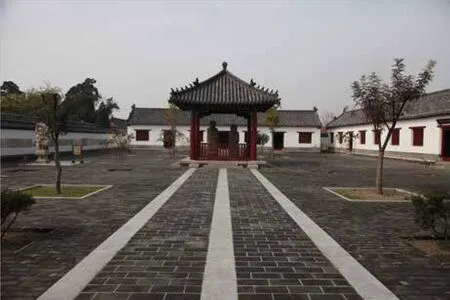
○濟寧博物館館藏的漢碑。Stele of the Han Dynasty in Jining Museum.
俗話說“漢碑三字為寶”,年代愈久遠愈有價值。立碑紀事源于漢代,漢字的成熟離不開漢隸的形成這一重要階段。漢代“隸變”“八分”,使得漢字由初時篆體的圓轉筆勢發展為折筆方塊字的隸書,由圓入方、由繁入簡,為楷書的出現和流行奠定了基礎。曲阜孔廟所藏的西漢《北陛刻石》《五鳳刻石》,體現出漢字由篆入隸的發端;收藏于濟寧市博物館的西漢《禳盜刻石》,所刻字體是一種雜以篆意的古隸;曲阜孔廟所藏《乙瑛碑》《禮器碑》《史晨碑》可謂孔廟三大名碑,字體風格各異,為隸書成熟時期之代表。《乙瑛碑》之字體俊秀大氣,“骨肉勻適,情文流暢”,是漢隸鼎盛時期的代表作品之一。《禮器碑》字體清勁秀雅,給人以肅穆超然之感,其筆畫瘦硬剛健,收筆多方折,刀法粗壯,精美絕倫,為漢碑經典之作。《史晨碑》碑字結體方整,筆姿古厚樸實,端莊遒美,為漢碑之逸品。濟寧市區北郊蕭王莊東漢任城王墓的地宮壁石,單體刻石800多塊、文字4000余字,銘刻內容大多為當時石工和送石者的地名和人名,按其隸字書風,集中向世人展現了漢代民間書法的獨特風貌,有著很高的學術價值和藝術水平。
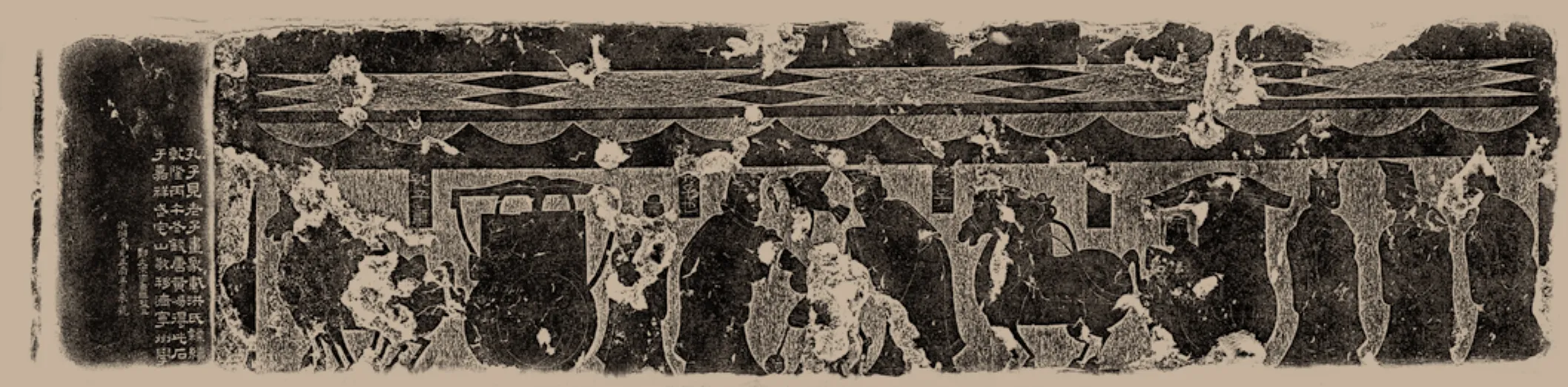
○東漢畫像石拓片——孔子見老子(原石藏于濟寧市博物館漢碑室)。 圖/胡冰Rubbing of the Stone Relief of the Eastern Han Dynasty – Confucius Meeting Laozi (the stone relief is collected in the Stone Tablet Room of Han, Jining Museum).
自北宋以來,學者著錄、闡釋濟寧漢碑的文獻不下數十種。歷代書法家通過研習,提高了書藝。貫穿中國隸書產生、發展、演化全過程的濟寧漢碑已被列為全國重點文物,它們就像一顆顆明珠在濟寧這塊具有豐厚人文積淀的沃土上熠熠閃光。
漢畫像石是中華民族藝術寶庫中的重要文化遺產,它充分體現出漢代時期的雕刻、繪畫、建筑、裝飾藝術和工藝設計等發展水平。漢畫像石題材豐富多樣,生動地描繪了漢代社會的典章制度、衣食住行、神話故事、風土人情,是當時社會生活的真實再現。漢畫像石是漢代文化最具代表性的藝術作品。在藝術形式上,它上承戰國繪畫古樸之風,下開魏晉風度藝術之先河,奠定了中國畫的基本法規和規范。漢畫像石同商周的青銅器、南北朝的石窟藝術、唐詩、宋詞一樣,各領風騷數百年,成為中國文化藝術中的杰出代表和文化藝術瑰寶,是中華民族藝術寶庫中璀璨的明珠。
漢畫像石在全國以山東濟寧發現最多。濟寧漢畫像石的藝術風格以質樸厚重見長,古風盎然。如濟寧市博物館畫像石古拙樸素,極具抽象浪漫之美;鄒城畫像石夸張大膽,雕刻大刀闊斧、粗狂豪邁;微山畫像石雄渾蒼健,獨具陽剛之美;嘉祥畫像石精致細膩,線條流暢飛揚。前人有云:“唯漢代藝術,博大沉雄”,“唯漢人石刻,氣魄深沉雄大”。
濟寧漢畫像石題材內容十分廣泛,大致可以分為神話傳說、歷史故事和社會生活三類。神話傳說類刻畫了仙境人物(西王母、東王公、雷神、風伯、雨師、海神、伏羲、女媧等諸多神靈)、神禽異獸(龍、金蟾、玉兔、三足烏、九頭人面獸等)的藝術形象,瑰麗而精彩;歷史故事類內容豐富,最具代表性的有孔子見老子、周公輔成王、泗河撈鼎、季札掛劍、秋胡戲妻等;社會生活類描繪了漢代生活的諸多場景,涉及車馬出行、人物謁見、汲水釀酒、庖廚宴飲、農耕紡織、圍捕狩獵、樂舞百戲、武術格斗、軍事戰爭、樓闕橋梁等,堪稱反映漢代社會生活的“百科全書”。
編輯/劉巖
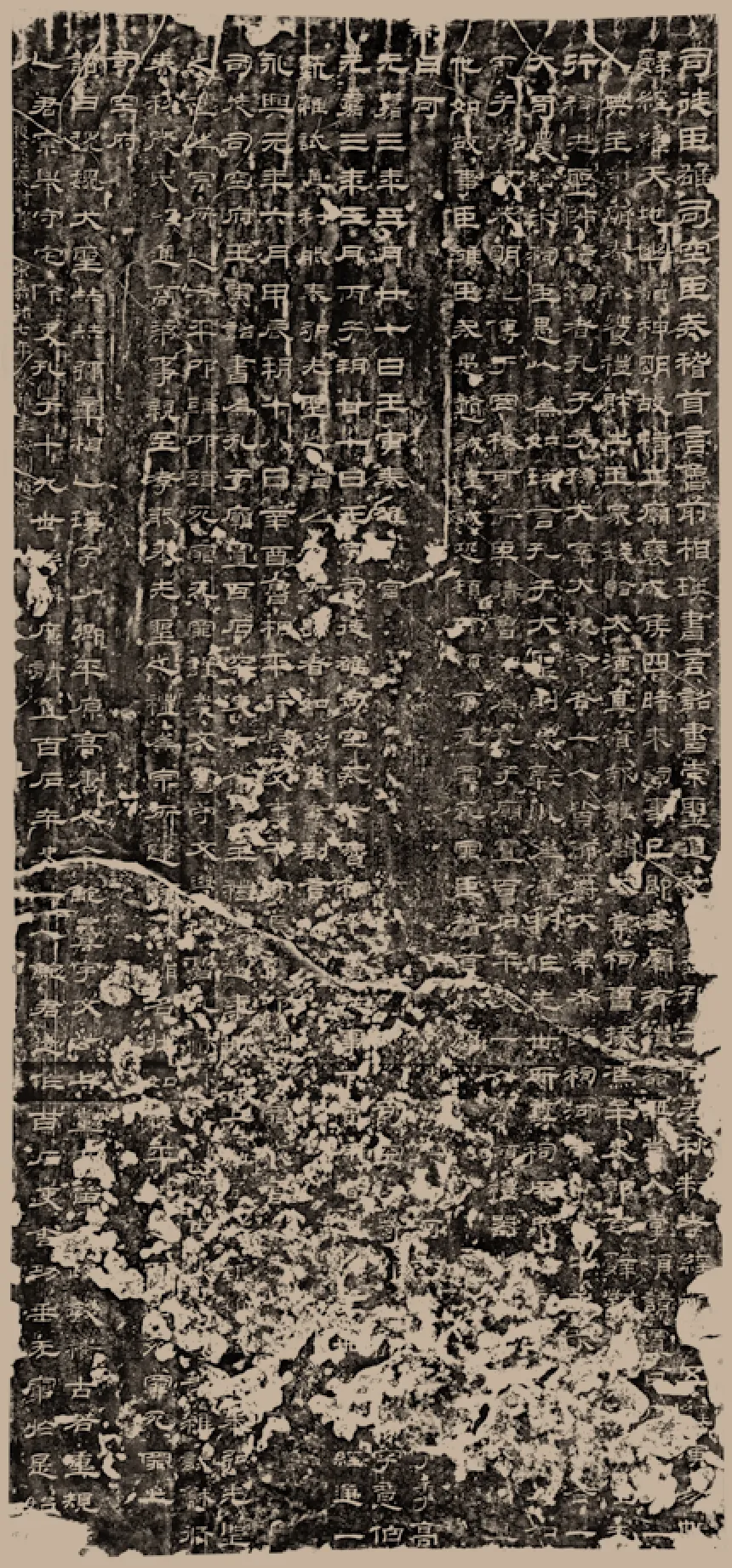
○東漢漢碑拓片——乙瑛碑(原石藏于曲阜漢魏碑刻館)。 圖/胡冰Stele Rubbing of the Eastern Han Dynasty – Stele of Yi Ying (the stone stele is collected in the Qufu Han and Wei Stele Exhibition Gallery).
Jining, as the birthplace of the Chinese Confucian culture, has a long history and culture, as well as numerous cultural relics and historic sites, ranking 1st in Shandong in this aspect. The reputations of the Hometown of Confucius and Mencius, the Land of Ceremonies and the Canal City are all shown on the stele inscriptions and stone reliefs of the Han Dynasty. The calligraphy and painting arts in Jining are especially amazing.
According to statistics, there are 38 types of extant stele inscriptions of the Han Dynasty in Jining, accounting for over a half of the stele inscriptions of the Han Dynasty nationwide. Jining is a major producing area of the stone reliefs of the Han Dynasty, and has more than 2,000 stone reliefs. The stele inscriptions carry the truest and strongest culture and art, which integrate history, literature, calligraphy and engraving, and have become the great treasure of the Jining people and the entire Chinese nation left by our Chinese ancestors.
Since the Northern Song Dynasty,scholars have composed dozens of historical documents to expound on the stele inscriptions of the Han Dynasty in Jining. Through study, the calligraphers of all ages have enriched and elevated the calligraphy art. The steles of the Han Dynasty in Jining running through the whole process of generation, development, and evolution of the Chinese official script have been protected as national key cultural heritage. Like bright pearls, they shine on the land with profound cultural deposits.
猜你喜歡
家教世界(2022年13期)2022-06-03 09:07:18
家教世界(2022年7期)2022-04-12 02:49:34
中外文摘(2021年23期)2021-12-29 03:54:02
兒童繪本(2018年22期)2018-12-13 23:14:52
藝術啟蒙(2018年7期)2018-08-23 09:14:06
讀者·校園版(2018年13期)2018-06-19 06:20:12
英語學習(2016年2期)2016-09-10 07:22:44
Coco薇(2016年2期)2016-03-22 16:58:59
讀者(2016年7期)2016-03-11 12:14:36
爆笑show(2014年10期)2014-12-18 22:27:48