Outliers: The Story of Success
2018-09-12 01:58:42翻譯苗飛校譯思葦
瘋狂英語·新悅讀 2018年5期
⊙ 翻譯:苗飛 校譯:思葦
1) outlier [?a?t?la??] n. 異常值,局外人

“成功學”這三個字,天生就有著一種吸引眼球的魅力。
點開任何一個暢銷書榜,你總能在上面看到幾本成功學的身影;隨手打開社交網絡,你總能看到各種成功人士在傳授經驗……看起來紅紅火火,一派熱鬧,仿佛誰讀完幾本書、看過幾個視頻就能學以致用,點石成金,一舉成名——其實大部分作者只會煮一碗讓人過目即忘的“毒雞湯”,能經受住時間考驗的寥寥無幾,更別說像馬爾科姆·格拉德威爾(Malcolm Gladwell)這樣被美國高中和大學列為必讀作者了。
這位頂著標志性爆炸頭的暢銷書鬼才1963年生于英格蘭,身上流著牙買加的血統,在加拿大長大,現在住在紐約。和一般的成功學作家不同的是,馬爾科姆在寫作上很有創意,角度刁鉆獨到,擅長以小見大,通過豐富的案例和曲折的情節逐步闡明自己的觀點。他的作品締造了一個又一個的業界銷售神話,而書中提出的各種理論,時至今天依然具有不小的參考意義——比如接下來要談到的“一萬小時法則”。你聽說過“一萬小時法則”嗎?在《異類》出版十周年之際,讓我們一起來聽聽馬爾科姆本人給我們講解這個法則的奇妙之處。
The idea that excellence at a complex task requires a2)critical [?kr?t?k(?)l] adj. 關鍵的,決定性的critical minimum level of practice3)surface [?sз?f?s] v. 浮現,顯露surfaces again and again in studies of expertise. In fact, researchers have settled on what they believe is the magic number of true expertise: 10,000 hours.
Is the 10,000-hour rule a general rule of success?
Let’s test the idea with the Beatles, one of the most famous rock bands ever.
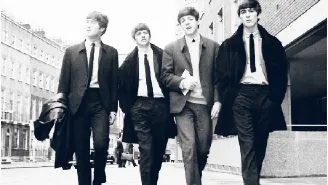
The Beatles—John Lennon, Paul McCartney, George Harrison, and Ringo Starr—came to the United States in February of 1964, starting the so-called “British4)invasion [?n?ve??(?)n] n. 入侵,侵略Invasion”of the American music scene and putting out a string of hit records that transformed the face of popular music.
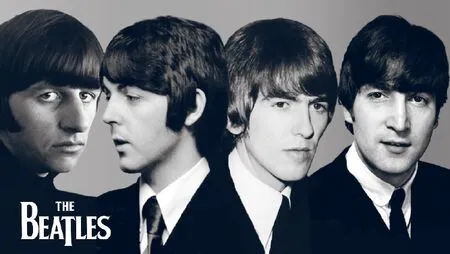
The first interesting thing about the Beatles, for our purposes, is how long they had already been together by the time they reached the United States. Lennon and McCartney first started playing together in 1957, seven years prior to landing in America. And if you look even more closely at those long years of preparation, you’ll find an experience that,5)in the context of 在……情況下,在……范圍內in the context of6)hockey [?h?k?] n. 冰球,曲棍球hockey players and Bill Joy注1注1:威廉·納爾遜·喬伊(William Nelson Joy)的通稱,美國著名計算機科學家,是太陽微系統公司(Sun Microsystems)的創始人之一。and world-class violinists, sounds7)awfully [???f?l?] adv. <口>非常,很,十分awfully familiar. In 1960, while they were still a struggling, high-school rock band, the Beatles were invited to play in Hamburg, Germany.
And what was so special about Hamburg? It wasn’t that it paid well. It didn’t. Or that the8)acoustics [??ku?st?ks] n. 傳聲效果,音響效果acoustics were fantastic. They weren’t. Or that the audiences were9)savvy [?s?v?] adj. 聰明的,懂行的savvy and appreciative.They were anything but. It was the10)sheer [???] adj. 純的,完全的sheer amount of time the band was forced to play.
Here is John Lennon, in an interview after the Beatles11)disband [d?s?b?nd] v. 解散(團體或組織)disbanded, talk about the band’s performances at a Hamburg club called the Indra:
“We got better and got more confidence. We couldn’t help it,with all the experience playing all night long. It was handy then,being foreign. We had to try even harder, put our heart and soul into it, to get ourselves over. In Liverpool, we’d only ever done one-hour12)session [?se?(?)n] n. 聚會,集會sessions, and we just used to do our best13)number [?n?mb?] n. 調子,樂譜(用復數)numbers,the same ones, at every one. In Hamburg, we had to play for eight hours, so we really had to find a new way of playing.”
Eight hours?
Here is Pete Best, the Beatles’ drummer at the time: “Once the news got out about that we were making a show, the club started packing them in. We played seven nights a week. At first we played almost nonstop until 12:30 in the morning when it closed, but as we got better, the crowds stayed till 2:00 most mornings.”
Seven days a week?
The Beatles ended up traveling to Hamburg five times between 1960 and the end of 1962. On the first trip, they played 106 nights, five or more hours a night. On their second trip, they played 92 times. On their third trip, they played 48 times, for a total of 172 hours on stage. The last two Hamburg14)gig [g?g] n. <俚>現場演出,特約演奏gigs, in November and December of 1962,involved another 90 hours of performing.15)all told 總共,合計All told, they performed for 270 nights in just over a year and a half. By the time they had their first burst of success in 1964, in fact,they had performed live an16)estimated [?est?mte?d] adj. 估計的,估算的estimated 1,200 times. Do you know how extraordinary that is? Most bands today don’t perform 1,200 times in their entire careers. The Hamburg17)crucible [?ku?s?b(?)l] n. 磨煉,嚴酷的考驗crucible is one of the things that18)set sth. apart 使……顯得突出,使……與眾不同set the Beatles apart.
“They were no good onstage when they went there, and they were very good when they came back,” Norman注2注2:指菲利普·諾曼(Philip Norman),英國小說家、傳記作家、記者及劇作家,因調查并報道甲殼蟲樂隊解散始末而一舉成名。went on. “They learned not only19)stamina [?st?m?n?] n. 體力,耐力,持久力stamina. They had to learn an enormous amount of numbers—cover versions of everything that you can think of,not just rock and roll, a bit of jazz too. They weren’t20)disciplined [?d?s?pl?nd] adj. 受過訓練的disciplined onstage before that. But when they came back, they sounded like no one else. It was the making of them.”