欣曼科研大廈美國亞特蘭大
2018-04-27 09:08:46NaderTehrani,JeffDee,ArthurChang等
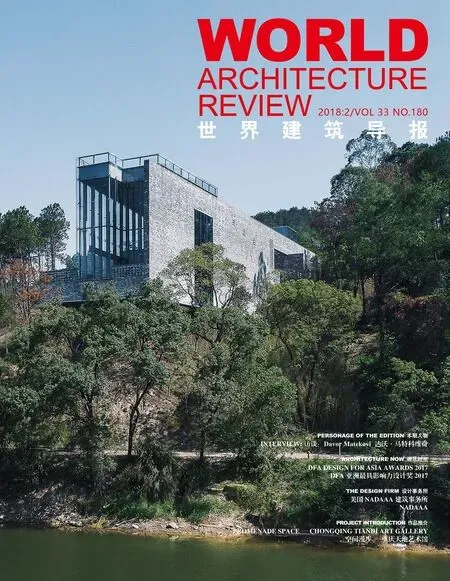
世界建筑導報 2018年2期
設計負責人:Nader Tehrani, Office dA/NADAAA
項目經理:Daniel Gallagher
項目協調:Tom Beresford
設計團隊:Jeff Dee, Arthur Chang, Remon Alberts,Brandon Clifford, Jonathan Palazzolo, John Houser,Sarah Dunbar, Samuel Ray Jacobson, Pepe Giner Ivars,
Harry Lowd, Marzouq A. Al-Mutairi, Yousif J. Alsaleem
合作建筑師:Lord, Aeck & Sargent
Collaborating Architect: Office dA/NADAAA
Principal in Charge: Nader Tehrani
Project Manager: Daniel Gallagher, AIA
Project Coordinator: Tom Beresford, LEED AP
Project Team: Jeff Dee, Arthur Chang, Remon Alberts, Brandon Clifford,
Jonathan Palazzolo, John Houser, Sarah Dunbar, Samuel Ray Jacobson,Pepe Giner Ivars, Harry Lowd, Marzouq A. Al-Mutairi, Yousif J. Alsaleem
Lord, Aeck & Sargent and Office dA/NADAAA in collaboration
該項目為佐治亞理工學院的一項重要建筑遺產注入了新的活力,將其改建為建筑學院的靈活附屬建筑,包括工作室、實驗室、教室和研究室。原建筑由一個50英尺高的大跨度工業頂棚,在垂直軸上重新規劃,水平軸上保持開放和靈活性。不間斷的地板主要作為工作室空間,但也可以重新配置用于大型組件。大跨度空間融入四方院和公共空間城市網絡,最大程度的與學院建立聯系。對于學校來說,重要的是新干預措施是與希恩曼早期現代主義的復合鋼/磚石結構的教學闡述互相補充,而不是與其一爭高下。翻修充分利用了該建筑的潛力,鋼和膠合板巧妙結合,滿足結構、規范、規劃和可持續性的要求,獲得LEED黃金級認證。
在該建筑內的各空間中,大跨度提供了最靈活的空間,可以在此空間內舉辦各類活動。如果是工作室設置,該空間可轉換成演講、藝術舞會、畢業典禮和大型裝置安裝的場地。為了滿足提供更多工作室空間和一間學生休息室的要求,將在擬建的夾層中設置這些空間,而夾層的設計,確保因地制宜地將夾層懸掛在由無數薄鋼構件組成的現有橋式起重機梁上。南翼采用新型螺旋樓梯——樓梯也是由上面的桁架懸吊——將新行政辦公室和學生團體連接起來。一扇60英尺的垂直電梯門打開了通往南翼的高開間空間,為評圖和展覽提供了更大的高位置空間。由絞車控制的一組新的懸掛燈,為繪圖大廳提供一般照明,同時也為其他活動提供便利。從這些元素中可以尋找到建筑的一般審美——一條懸垂的纜繩和線性結構為大跨度的高聳空間提供了一個靈活的中間平臺。
The project re-energizes an important piece of Georgia Tech’s built heritage by transforming it into a flexible annex for the College of Architecture, including studio, lab, classroom and research spaces.The original building was anchored by a 50 ft. tall industrial high-bay shed, which was re-programmed in the vertical axis and left open and flexible in the horizontal axis. The uninterrupted floor functions primarily as studio space, but can be re-configured for large assemblies. The high-bay also participates in an urban network of quads and public spaces that articulate the College at large. It was important to the school that new interventions compliment, not compete with the pedagogical clarity of Hinman’s early modernist composite steel/masonry construction. The renovation tapped into the building’s latent potential with subtle grafts of steel and plywood to satisfy structural, code, program and sustainability requirements to achieve LEED Gold Certification.
Of the various spaces within the building the high-bay offers the most flexible space, within which many types of events can occur. A studio setting, the space can be transformed into a site for lectures, the Beaux-arts ball, graduation, and for large scale installations. Requirements for more studio space and a student lounge are accommodated in a proposed mezzanine, the“Crib”, designed to hang opportunistically from an existing bridge crane girder by myriad thin steel members. The south wing is activated with a new spiral staircase—also slung from the truss above—linking new administrative offices with the student body. A 60-foot vertical lift door opens up the high-bay space to the south wing, and offers expanded pinup space for reviews and exhibitions.A new array of suspended lights, controlled by winches, offer general lighting for the drafting hall while also facilitating for other events. A general ?sthetic emerges from these elements—a filigree of suspended cables and lineaments produce a middle ground for the lofty expanse of the high bay room. The ground is horizontal and flexible, while the sky vertically programmed and saturated.


猜你喜歡
北方建筑(2021年6期)2021-12-31 03:03:54
哲學評論(2021年2期)2021-08-22 01:53:34
文苑(2020年10期)2020-11-07 03:15:36
現代裝飾(2020年6期)2020-06-22 08:43:12
中華詩詞(2019年7期)2019-11-25 01:43:04
藝術啟蒙(2018年7期)2018-08-23 09:14:18
海峽姐妹(2017年7期)2017-07-31 19:08:17
Coco薇(2017年5期)2017-06-05 08:53:16
影視與戲劇評論(2016年0期)2016-11-23 05:26:01
少兒科學周刊·兒童版(2015年6期)2015-11-24 03:49:38