
A study on clinical nursing research trends and hotspots based on bibliometric analysis☆
2018-01-04 01:24:26ShiFanHanRuiFangZhuTingTingQin
Frontiers of Nursing 2017年4期
Shi-Fan Han,Rui-Fang Zhu,Ting-Ting Qin
aFirst Hospital of Shanxi Medical University,Taiyuan,Shanxi 030001,China bCollege of Nursing,Shanxi Medical University,Taiyuan,Shanxi 030001,China cShanxi Medical University,Taiyuan,Shanxi 030001,China
A study on clinical nursing research trends and hotspots based on bibliometric analysis☆
Shi-Fan Hana,*,Rui-Fang Zhua,b,Ting-Ting Qinc
aFirst Hospital of Shanxi Medical University,Taiyuan,Shanxi 030001,ChinabCollege of Nursing,Shanxi Medical University,Taiyuan,Shanxi 030001,ChinacShanxi Medical University,Taiyuan,Shanxi 030001,China
A R T I C L E I N F O
Article history:
5 March 2017
Available online 8 June 2017
Clinical nursing
Keywords
Research hotspots
Bibliometrics
Cluster analysis
Co-occurrence analysis
Objective:This study was conducted to understand the trends and research hotspots of clinical nursing in China and abroad,thereby to provide guidance for nursing practice and studies.
Methods:We retrieved clinical nursing literature(excluding literature related to psychological nursing and traditional Chinese medicine nursing)cited in Wanfang Data(www.wanfangdata.com.cn)and PubMed between 2007 and 2015 and subsequently performed bibliometric analyses on article volume,journal,clustering of high-frequency keywords,and co-occurrence of keywords.
Results:A total of 10374 publications,excluding those related to psychological nursing,were retrieved via a PubMed search.The literature displayed a rising trend in terms of annual publication volume.The journal distribution of clinical nursing publications overall was consistent with Bradford's Law.The main contents of clinical nursing literature between 2007 and 2009 included:(1)studies on effects of the midwife and midwifery methods for natural childbirth;(2)studies on emergency nursing care;(3)studies on dementia care;(4)studies on bandage dressing in trauma nursing;and(5)studies on quality of life in cancer patients nursing.The main contents of clinical nursing literature between 2010 and 2012 included:(1)studies on obstetric nurse-patient relationships;(2)studies on patients'medical team in stroke nursing;(3)studies on cancer nursing methods;(4)studies on nursing patients with trauma related to urinary incontinence;and(5)studies on the quality of life of caregivers of dementia patients.The main contents of clinical nursing literature between 2013 and 2015 included(1)studies on skin care and bandaging in trauma nursing;(2)studies on evidence-basednursing in AIDS care;(3)studies on nurses'role in obstetric nurse-patient relationships;studies on cancer nursing methods;(4)studies on nursing for Alzheimer's disease and dementia;and(5)studies on caregivers andnursing of stroke patients.A Wanfang Data search retrieved a total of 85570 publications,whose volume also exhibited an annual rising trend,in particular with regard to those in core journals.However,percentage of total publication volume,mean cited frequency per article,and total ranking of clinical nursing publications overall displayed a decreasing trend.The main contents of clinical nursing literature between 2007 and 2009 included:(1)diabetes nursing;(2)nursing for cancer;(3)nursing for senility-related diseases;(4)nursing in the event of complications;(5)nursing for hypertension;(6)studies on quality of life after nursing interventions;(7)chemotherapy nursing;(8)studies on compliance after nursing interventions;(9)constipation nursing;and(10)nursing for stroke patients.The main contents of clinical nursing literature between 2010 and 2012 included:(1)diabetes nursing;(2)nursing for cancer;(3)nursing for senility-related diseases;(4)studies on quality of life after nursing interventions;(5)nursing in the event of complications;(6)nursing for hypertension;(7)prevention nursing;(8)perioperative nursing;(9)pain nursing;and(10)studies on compliance after nursing interventions.The main contents of clinical nursing literature between 2013 and 2015 included:(1)diabetes nursing;(2)nursing in the event of complications;(3)cancer nursing;(4)studies on quality of life after nursing interventions;(5)nursing for stroke patients;(6)nursing for the elderly;(7)studies on compliance after nursing interventions;(8)nursing for hypertension;(9)constipation nursing;and(10)prevention nursing.
1.Introduction
As society is undergoing a substantial transition in medical models from biological to psychological and social,the concept of holistic nursing is increasingly valued.Psychological nursing and traditional Chinese medicine(TCM)nursing are thus attracting increased attention from clinical nursing workers.In addition,clinicalnursing is witnessing continuous horizontaland longitudinal development,whereby the discipline is gradually becoming a knowledge system network that is multi-level and comprehensive.1-3Nursing literature summarizes nursing research,application success,and clinical practices and to a certain degree ref l ects the discipline's developmental status and research levelin terms of its quantity and quality.4In this study,we not only examined the clinical nursing literature,excluding psychological nursing and TCM nursing,but also attempted to understand the discipline's developmental trends and research hotspots.Our study may provide reference points for clinical nursing practices and research.
2.Objects and methods
2.1.Study objectives
2.1.1.Study objectives in the international literature
We used the search terms(nursing[MeSH Subheading])NOT(psychology[MeSH Subheading])NOT(“organization and administration”[MeSH Terms])NOT(education[MeSH Terms])NOT(economics[MeSH Terms])NOT(history[MeSH Terms])NOT(ethics[MeSH Terms])NOT(nursing theory[MeSH Terms])NOT(Legislation[MeSH Terms])NOT(nursing process[MeSH Terms])NOT(Chinese[Language])and the f i lters Publication date from January 1st 2007 to December 31th 2015 and Humans to search the publications in PubMed between 2007 and 2015 and obtained 10374 publications.
2.1.2.Study objects in the Chinese literature
We searched Wanfang Data using the following entries:“subject:nursing intervention;title or keywords:psychology,traditionalChinese medicine,Chinese and Western medicine,traditional Chinese medicine nursing,massage nursing,nursing management,nursing ethics,nursing education,and*Date:2007-2015.”We obtained 85570 publications in clinical nursing.
2.2.Methods
2.2.1.Methods for international literature
The data derived from the PubMed search were analyzed via frequency analyses for publication volume,journals,and keywords and sub-keywords using the BICOMB software.In addition,graphic clustering software gCluto was used to perform visualized cluster analysis for high-frequency keywords.
2.2.2.Methods for Chinese literature
The Wanfang Data-derived reports were analyzed via frequency analyses for publication volume,journals,and keywords using statistical software in Wanfang Data.In addition,Netdraw was employed to perform social network analysis for high-frequency co-occurrence keywords,thereby generating a visualizednetwork.
3.Results
3.1.Analysis of publication volume
3.1.1.Analysis of publication volume abroad
For the period of 2007-2015,we retrieved a total of 10374 clinical nursing(excluding psychological nursing)articles from the PubMed database.There were 14982 clinical nursing articles if psychological nursing was included,and the total number of nursing publications was 34839(Table 1).In addition,the number of clinical nursing publications between 1964 and 2014 in PubMed was used to plot the annual accumulated publications(Fig.1).3.1.2.Analysis of publication volume in China
For the period of 2007-2015,we retrieved a total of 85570 publications in clinical nursing,excluding those related to psychological nursing,from Wanfang Data.The total number of clinical nursing publications was 98313 including those related to psychological nursing,and the total number of nursing publications was 625298(Table 2).The data between 1998 and 2014 were collected from Wanfang Data to plot annual accumulated publications(Fig.2).
3.2.Journal distribution of the publications
3.2.1.Analysis of international journal distribution
Ourresults revealthat the journaldistribution of clinical nursing literature in PubMed between 2007 and 2015 overall was consistent with Bradford'sLaw.Therewere10374 publications during this period,published in 954 journals.Among these publications,3440 nursing articles,accounting for 33.15%of all the clinical nursingliterature,were found in the top 16 ranking international and Chinese journals,accounting for 1.68%of the 954 journals.All top 16 ranking journals were nursing journals,all of which were retrieved using “nursing*”as the keyword.Three journals were SCI journals,and the highest impact factor was 1.233.3.2.2.Analysis of Chinese journal distribution
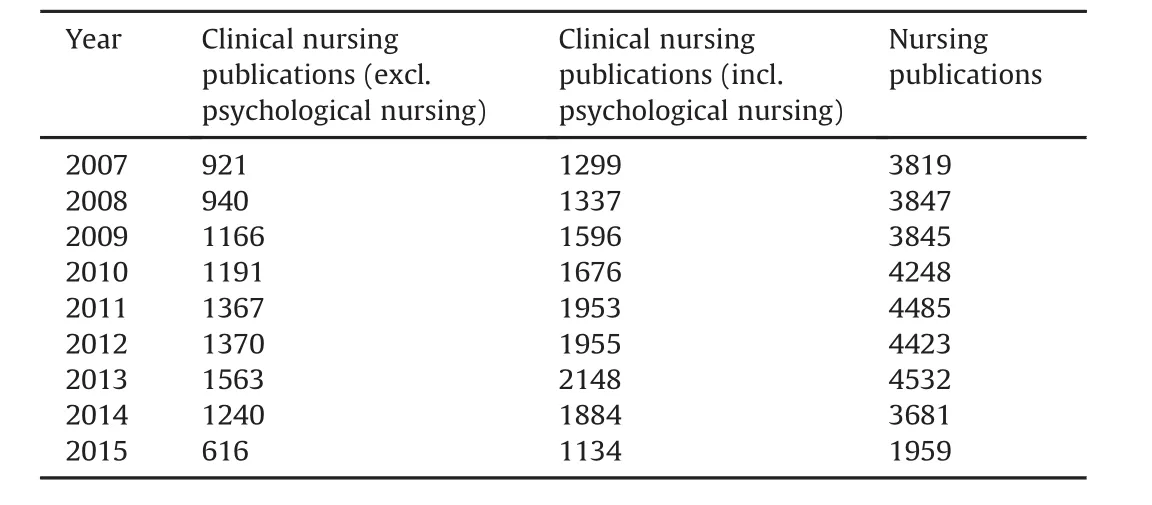
Table 1Statistics of clinical nursing literature retrieved from PubMed between 2007 and 2015.
We statistically analyzed the 2007-2015 data and plotted the journal distribution as well as core journal distribution of the literature.Our results revealed that the volume of literature in the 12 core Chinese journals displayed gradual growth over the years.However,the percentage of publication volume,mean citation frequency,and total ranking of the core journals all exhibited a downward trend.
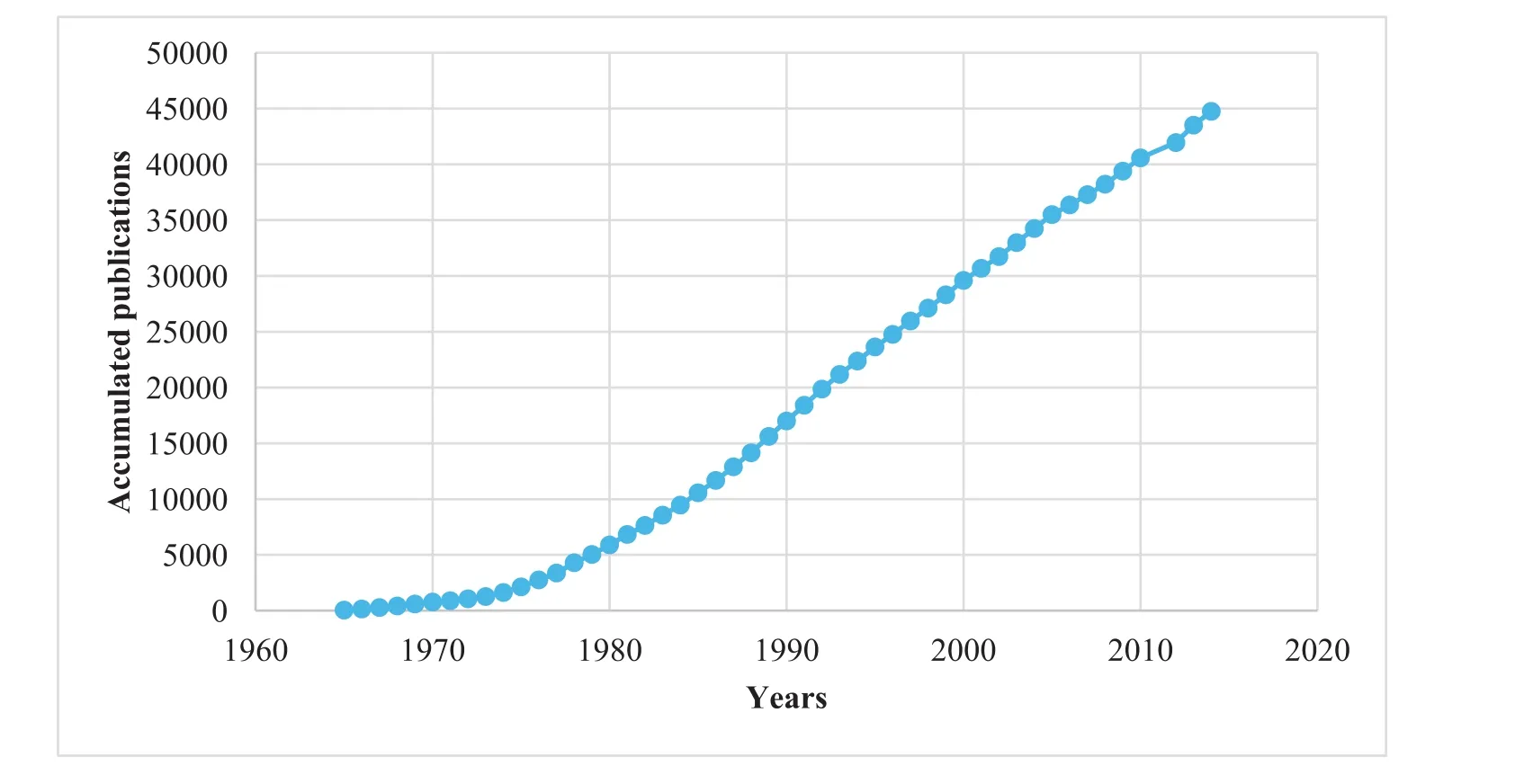
Fig.1.Accumulated clinical nursing publications(excluding psychological nursing)retrieved from PubMed.
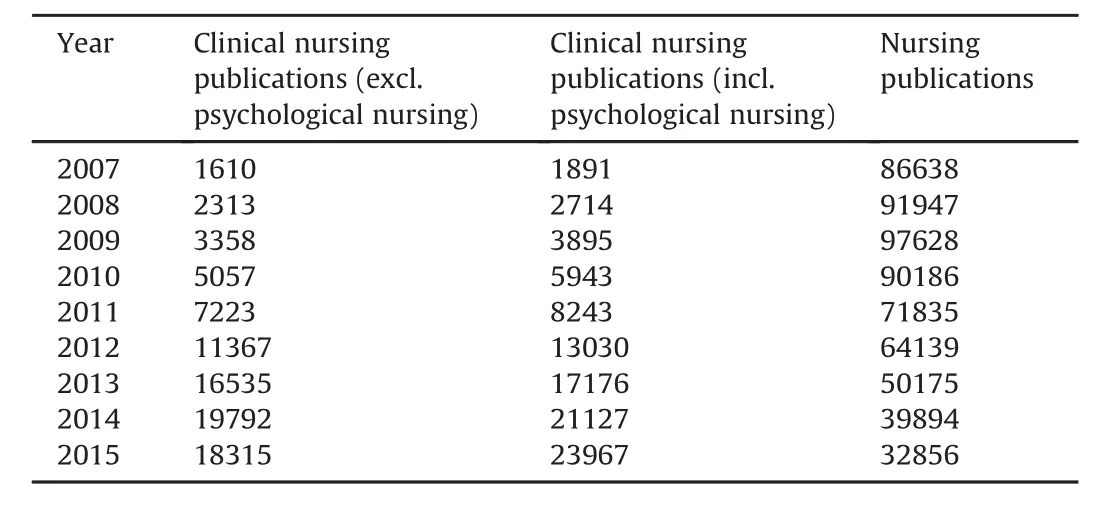
Table 2Statistics of clinical nursing literature retrieved from Wanfang Data between 2007 and 2015.
3.3.Analysis of literature content
3.3.1.Cluster analysis of high-frequency keywords in the
international literature
3.3.1.1.Cluster analysis of high-frequency keywords in the literature published between 2007 and 2009(Figs.3 and 4).The cluster analysis results of the visualization matrix were consistent with those of the visualization hill plot.The high-frequency keywords in the 2007-2009 PubMed clinical nursing literature were analyzed using a matrix cluster and generated f i ve categories via both approaches.The double-cluster visualization analysis results in
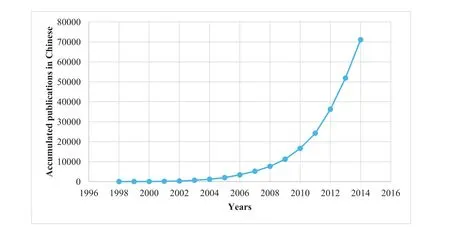
Fig.2.Accumulated clinical nursing publication(excluding psychological nursing)retrieved from Wanfang Data.
3.3.1.2.Cluster analysis of high-frequency keywords in the literature between 2010 and 2012(Figs.5 and 6).The cluster analysis results of the visualization matrix matched that of the visualization hillplot.The high-frequency keywords in the 2010-2012 PubMed-cited clinical nursing literature were analyzed using a matrix cluster and generated f i ve categories via both approaches.The double-cluster visualization analysis results along with a literature review were used to elucidate the research hotspots and focal points of international clinical nursing.The f i ve categories of clinical nursing literature were(1)studies on obstetric nurse-patient relationships;(2)studies on patients'medical team in stroke nursing;(3)studies on cancer nursing methods;(4)studies on nursing patients with trauma related to urinary incontinence;and(5)studies on the quality of life of caregivers of dementia patients.conjunction with a literature review were used to elucidate the research hotspots and focal points of the international clinical nursing literature.The f i ve categories of clinical nursing literature were(1)studies on the effect of the midwife and midwifery methods on natural childbirth;(2)studies on emergency nursing care;(3)studies on dementia care;(4)studies on bandage dressing in trauma nursing;and(5)studies on quality of life in cancer nursing.

Fig.3.Double-cluster visualization hill plot for high-frequency keywords in the international clinical nursing literature between 2007 and 2009 retrieved from PubMed.
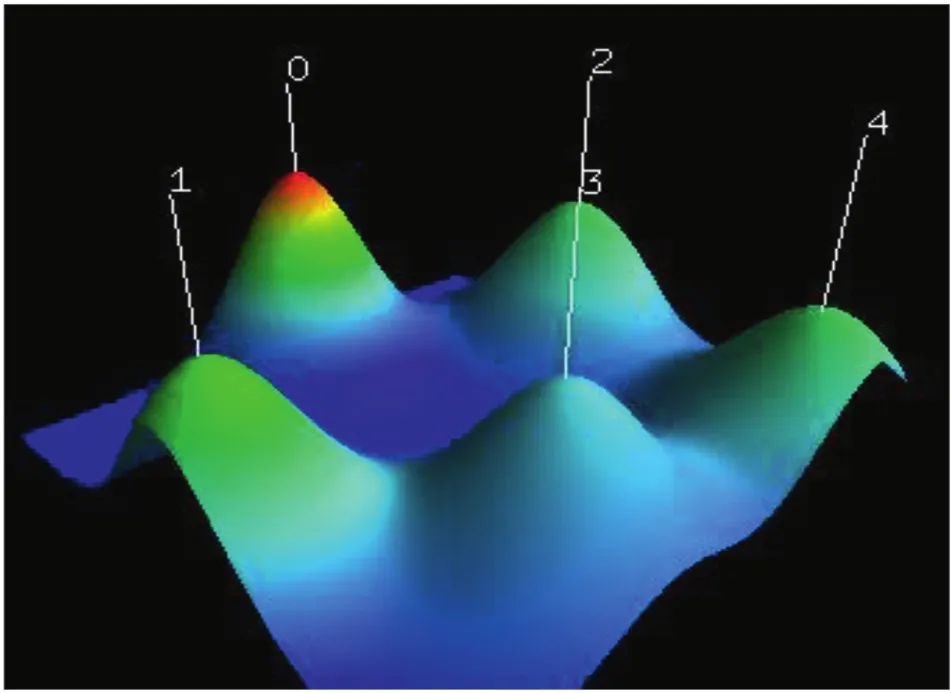
Fig.5.Double-cluster visualization hillplot for high-frequency keywords in the international clinical nursing literature between 2010 and 2012 retrieved from PubMed.
3.3.1.3.Cluster analysis of high-frequency keywords in the literature published between 2013 and 2015(Figs.7 and 8).The cluster analysis results of the visualization matrix matched that of the visualization hill plot.The high-frequency keywords in the 2013-2015 PubMed clinical nursing literature were analyzed using a matrix cluster and generated six categories via both approaches.The double-cluster visualization analysis results along with a literature review were used to elucidate the research hotspots and focal points of international clinical nursing.The six categories of clinical nursing literature were(1)studies on skin care and bandaging in trauma nursing;(2)studies on evidenced-basednursing in AIDS care;(3)studies on nurses'role in obstetric nurse-patient relationships;(4)studies on cancer nursing methods;(5)studies on nursing for Alzheimer's and dementia;and(6)studies on caregivers andnursing of stroke patients.
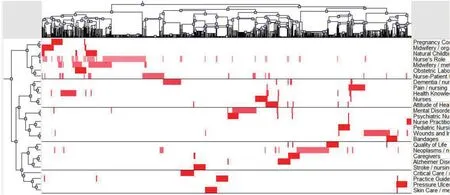
Fig.4.Results of double cluster analysis of high-frequency keywords in the international clinical nursing literature between 2007 and 2009 retrieved from PubMed.
3.3.2.Co-occurrence analysis of high-frequency keywords in the Chinese literature
The results reveal that the main contents of the Chinese clinical nursing literature published between 2007 and 2009(Fig.9)included:(1)diabetes nursing;(2)nursing for cancer;(3)nursing for senility-related diseases;(4)nursing in the event of complications;(5)nursing for hypertension;(6)studies on quality of life after nursing interventions;(7)chemotherapy nursing;(8)studies on complianceafternursinginterventions;(9)constipation nursing;and(10)nursing for strokes.
The results reveal that the main contents of Chinese clinical nursing literature published between 2010 and 2012(Fig.10)included:(1)diabetes nursing;(2)nursing for cancer;(3)nursing for senility-related diseases;(4)studies on quality of life after nursing interventions;(5)nursing in the eventof complications;(6)nursing for hypertension;(7)prevention nursing;(8)perioperative nursing;(9)pain nursing;and(10)studies on compliance after nursing interventions.
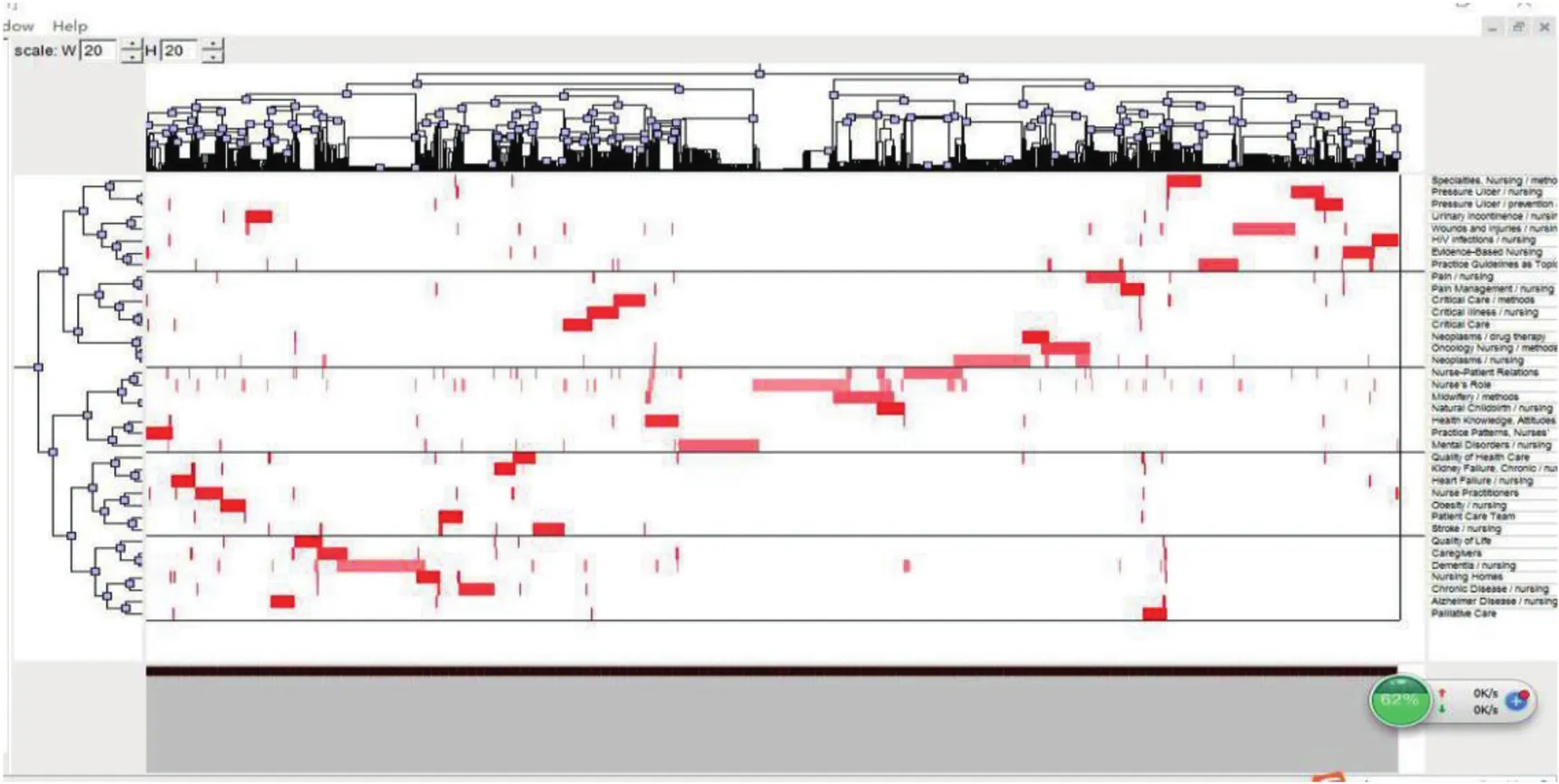
Fig.6.Results of double cluster analysis of high-frequency keywords in the international clinical nursing literature between 2010 and 2012 retrieved from PubMed.
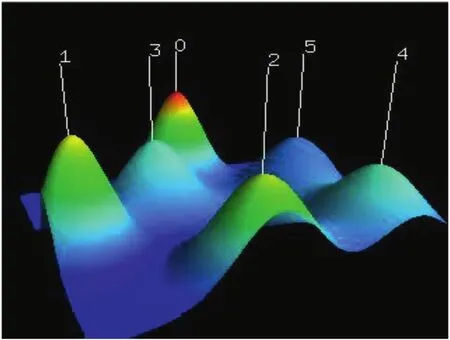
Fig.7.Double-cluster visualization hill plot for high-frequency keywords in the international clinical nursing literature between 2013 and 2015 retrieved from PubMed.
The results show that the main contents of Chinese clinical nursing literature published between 2013 and 2015(Fig.11)included:(1)diabetes nursing;(2)nursing in the event of complications;(3)cancer nursing;(4)studies on quality of life after nursing interventions;(5)nursing for strokes;(6)nursing for the elderly;(7)studies on compliance after nursing interventions;(8)nursing for hypertension;(9)constipation nursing;and(10)prevention nursing.
4.Discussion
4.1.Trend in publication volume
The growth pattern of literature is a common indicator to evaluate disciplinary development.5Using comprehensive and historical statistical analyses of publication volume in a discipline and plotting its growth curve,we may assess the developmental phase of a discipline and provide an approximate estimate of its future trend.6
It can be inferred from Table 1 that between 2007 and 2015,three categories of international nursing publications retrieved from PubMed displayed stable annual growth.The clinical nursing literature(excluding psychological nursing)manifested stable annual growth and increased in proportion to the general nursing literature.In addition,data in Table 2 indicates that between 2007 and 2015,three categories of nursing publications in China retrieved from Wanfang Data displayed stable annual growth.Our results reveal that the clinical nursing literature(excluding that of psychological nursing)manifested stable annual growth and increased in proportion to the general nursing literature.Fig.1 indicates that the rapid growth phase in the international clinical nursing literature occurred between 1975 and 1990.In comparison,the rapid growth phase in the Chinese literature cited occurred between 2005 and 2015.
According to Price's law,the international clinical nursing literature is currently in the third stage,namely,stable development,or the maturation stage,which is characterized by an almost fl at curve of publication volume and stable development.7In contrast,the Chinese clinical nursing literature is in the second stage of development featuring rapid growth in publication volume.
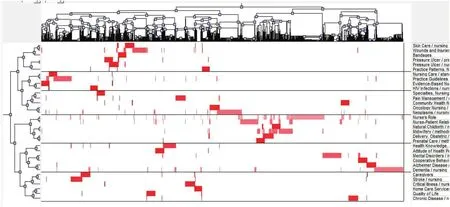
Fig.8.Results of double cluster analysis of high-frequency keywords in the international clinical nursing literature between 2013 and 2015 retrieved from PubMed.
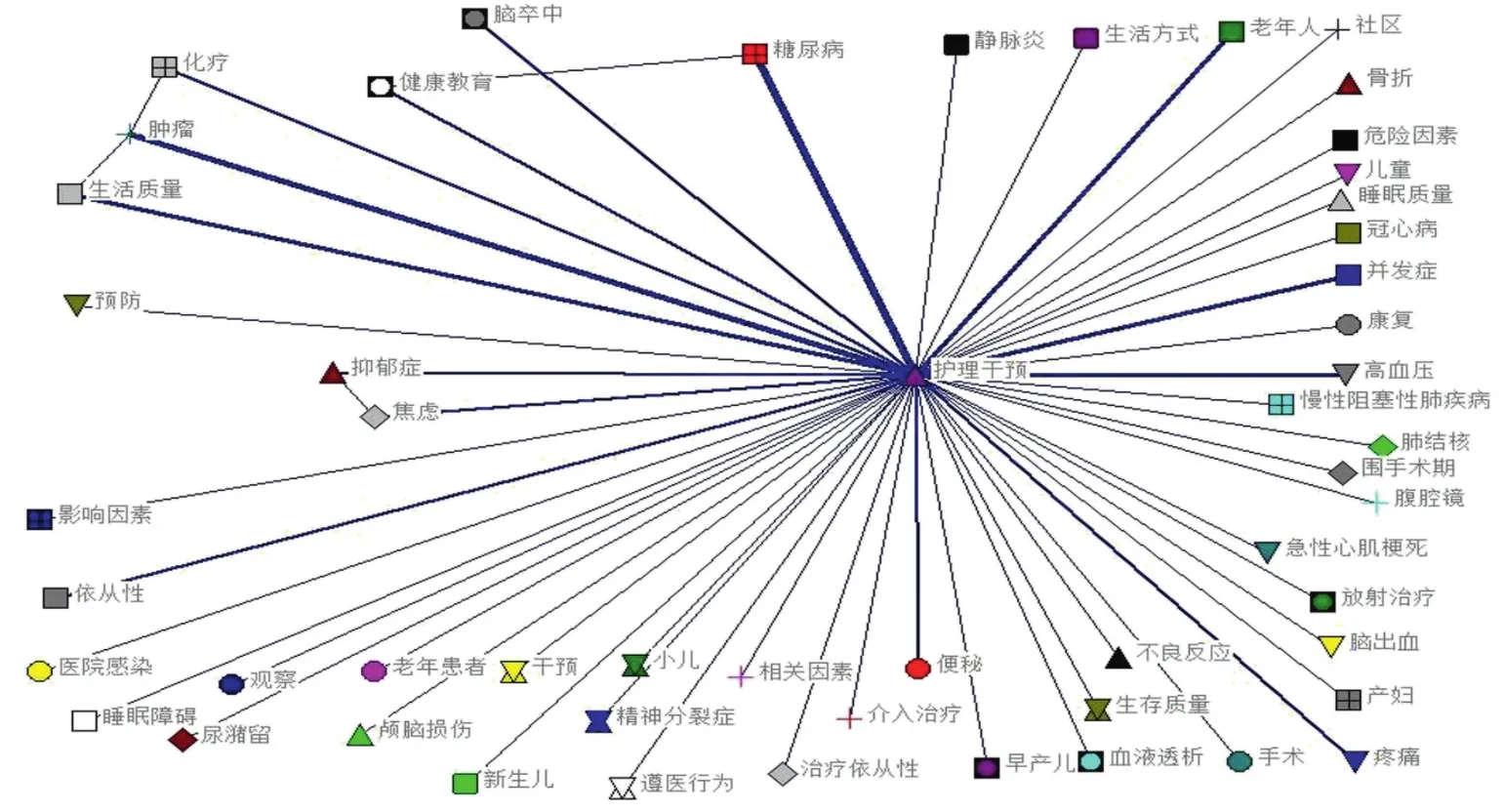
Fig.9.Co-occurrence network map of high-frequency keywords in the Chinese clinical nursing literature between 2007 and 2009 retrieved from Wanfang Data.
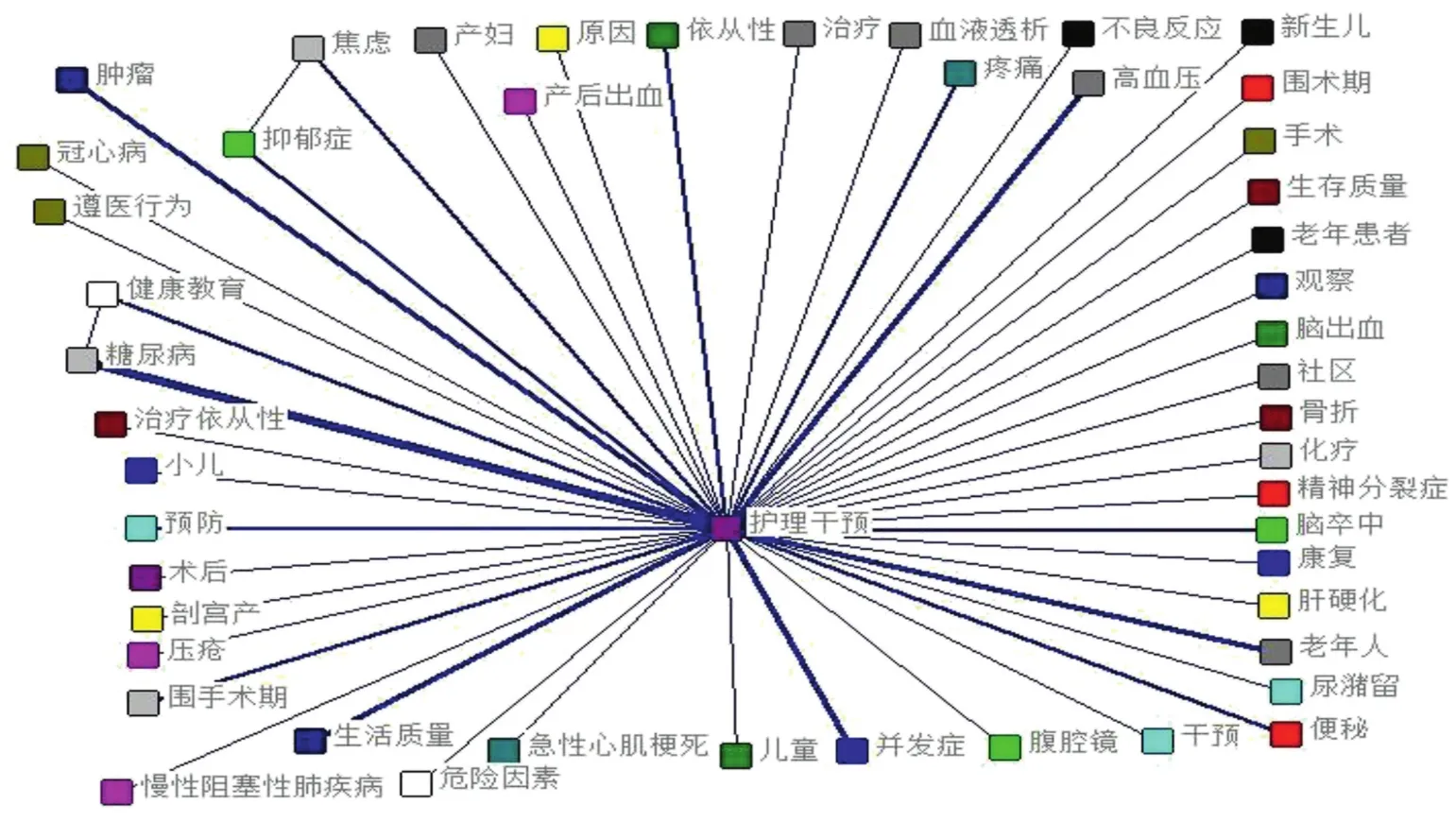
Fig.10.Co-occurrence network map of high-frequency keywords in the Chinese clinical nursing literature between 2010 and 2012 retrieved from Wanfang Data.
4.2.Literature distribution in journals
Journals are the carriers of scientific publications.Thus,statistical analyses on relevant research journals may facilitate a better assessment of the development status of the clinical nursing literature.8Using the Bradford's Law-based classification of core journals,the international clinical nursing literature retrieved from PubMed was grouped into different groups.9,10
The results revealed that between 2007 and 2015,the clinical nursing publications retrieved from PubMed were highly concentrated in the f i rst group and highly dispersed in the third group,which agrees with Bradford's Law overall.Of the 16 core journals,3 were SCI journals,and the highest impact factor was 1.233.The three journals published 568 articles,accounting for 16.51%of all publications.With regard to Chinese clinical nursing literature,the mean cited frequency per article in the core journals as well as the ranks of the core journals displayed a downward trend when comparing the periods of 2007-2009,2010-2012,and 2013-2015.
4.3.Research hotspots of Chinese and international clinical nursing literature
4.3.1.Research hotspots of international clinical nursing literature
Examination of the results of cluster analysis(frequency)derived from gCluto software along with an examination of the relevant literature enabled us to identify the research hotspots of international clinical nursing research between 2007 and 2015,which included seven categories,namely,nursing for cancer diseases,trauma nursing,dementia nursing,obstetric nursing,emergency nursing,stroke nursing,and AIDS nursing.Among these,cancer nursing displayed a decrease in ranking over the three periods(2007-2009,2010-2012,and 2013-2015),with the main research content transitioning from emphasizing quality of life to studying nursing methods.In addition,trauma nursing also showed a decrease in ranking over the three periods,with the main research content transitioning from care for urinary incontinence to bandaging.Dementia nursing experienced decrease in rank over the three periods as well,with the main research content changing from dementia care to quality of life of caregivers of dementia patients.Obstetric nursing showed a decreased ranking during the fi rst two periods and involved two main areas of research:effects of the midwife and midwifery methods on natural childbirth andnurse-patient relationships;obstetric nursing didnotenter the top 6 between 2013 and 2015.Emergency nursing ranked fi fth during the fi rst period,with the main focus being emergency nursing methods;during the second and third periods,the research area didnot rank among the top six.Stroke nursing ranked fi fth during the second period,with research hotspots transitioning from studying the medical team in stroke nursing to caregivers of stroke patients.AIDS nursing ranked sixth during the third period,with the main focus on evidence-based care.In summary,cancer nursing,trauma nursing,and emergency nursing all displayed decreases in ranking over time,and emergency nursing didnot enter the top 5.In contrast,dementia nursing and obstetric nursing showed a gradual rise in ranking.Finally,AIDS evidence-based care and stroke entered the top 6 most researched hotspots areas.
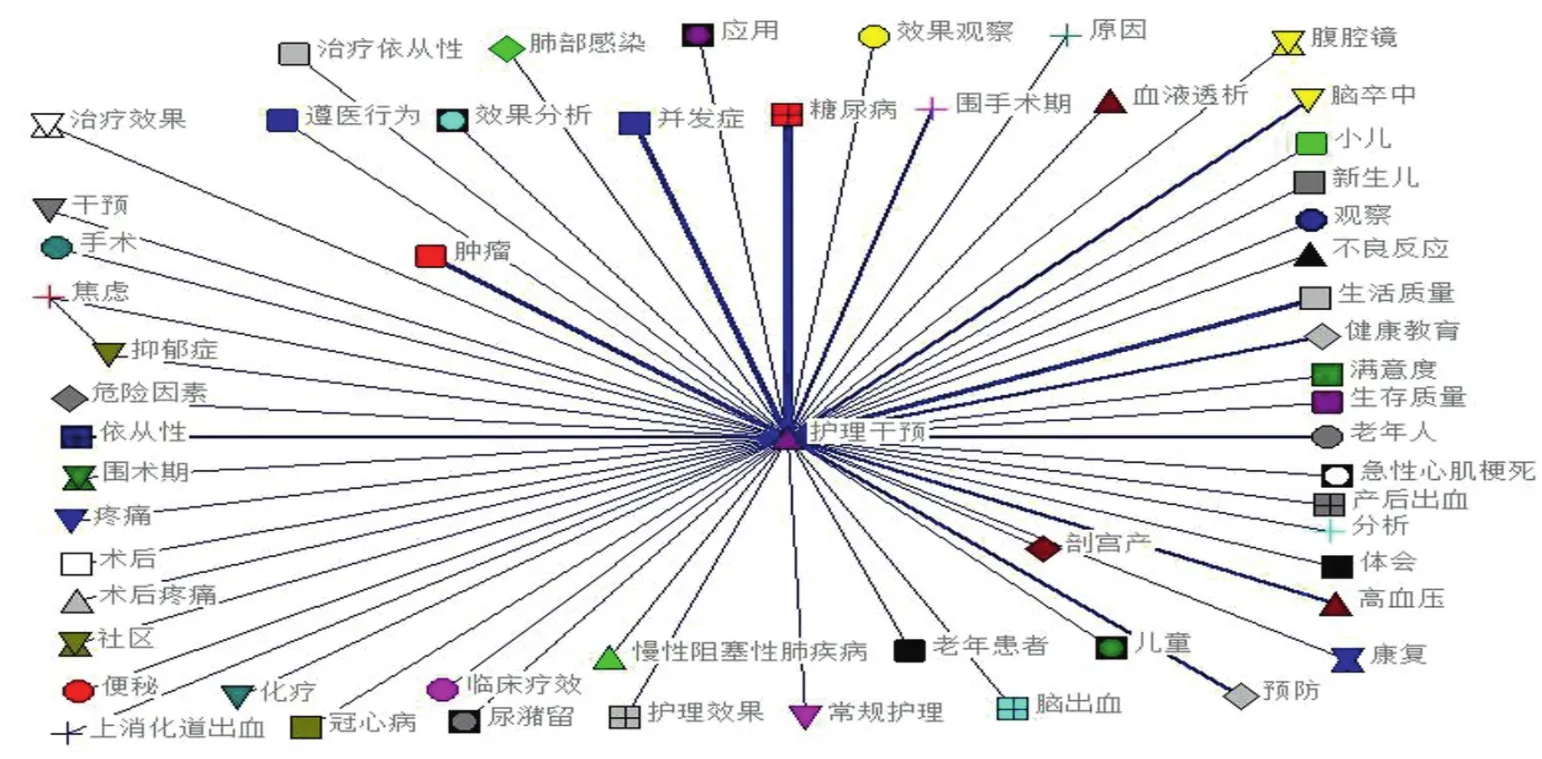
Fig.11.Co-occurrence network map of high-frequency keywords in the Chinese clinical nursing literature between 2013 and 2015 retrieved from Wanfang Data.
As people are experiencing social changes and rising living standards,the incidence of cancer and resulting mortality have also increased.In addition,in recent years cancer has been the top cause of death in the population.It has been reported that by 2020,the predicted cancer incidence would be 15 million new cases per year.Compared with China,certain countries have a longer history of cancer research and relevant research organizations.The research attention to cancer nursing in these countries has been diminishing in recent years.This may be due to their relative early history of cancer nursing practices,more advanced research,mature professional development,and a comprehensive system of disciplines.Different countries and regions exhibit considerable variation in the development of their emergency medical systems,as certain developed countries and regions started early and experienced rapid development and display a high level of international cooperation as well as a comprehensive emergency rescue system comprising land,sea,and air missions.Such well-developed emergency care systems could be a cause of reduced research activities in clinical nursing in these countries.In contrast,dementia nursing,obstetric nursing,and stroke nursing are witnessing increased research activity,which might be due to demographic and policy changes occurring in developed countries,such as the advent of an aging society,government-sponsored stimulation of population growth,and enhanced quality of life requirements.Dementia and stroke are the major causes of elderly death and disability and thus severely threaten quality of life and even survival.It has been reported that the incidences of dementia and stroke have been rising worldwide and that their occurrence in developed countries is significantly higher than in developing countries.Hence,studies on dementia and dementia nursing are currently in the spotlight in developed countries.The increased research activity with regard to evidenced-basednursing for AIDS can be explained by two factors.First,AIDS,which is not curable,has a relatively high prevalence in developed countries.Second,evidenced-basednursing has been enjoying robust growth,and its efficacy is highly praised.Correspondingly,health care researchers employ evidence-based methods in nursing studies,which can effectively improve work efficiency and clinical outcomes.
4.3.2.Research hotspots of Chinese clinical nursing literature
Keywords capture the topic or theme and indicate the main content of an article.11,12In this study,co-occurrence frequency of high-frequency keywords was employed to analyze the research hotspots of clinical nursing in China.During the three periods of 2007-2009,2010-2012,and 2013-2015,“diabetes”and “nursing intervention”exhibited the highestco-occurrencefrequency,indicating that in recent years,there was considerable research activity on diabetes nursing.In addition,findings also indicated that diabetes patients account for a large proportion of hospital patients in China and thus are receiving extensive research attention from health care workers.Studies on cancer nursing,elderly nursing,and chemotherapy nursing experienced decreased research activity over the years and even dropped out of the top 10 research areas between 2013 and 2015.In comparison,studies on complications nursing and qualityof life afternursing interventions increased in ranking,ref l ecting increased activity in the area.Studies on prevention nursing only appeared in the ranking between 2010 and 2012 and ranked 10th between 2013 and 2015.However,perioperative nursing and pain nursing didnot enter the top 10 research topics between 2013 and 2015.Three research areas of nursing interventions,namely,compliance after nursing interventions,constipation nursing,and stroke nursing,exhibited some variation in research activities but remained in the top 10 between 2013 and 2015.This phenomenon indicates that diabetes nursing,cancer nursing,elderly nursing,and complications nursing are research hotspots in China and that in the near future,studies on quality of life after nursing interventions,nursing for hypertension disease,and compliance after nursing interventions will remain research hotspots,whereas studies on chemotherapy nursing and perioperative nursing will generate decreased research activity.
Developing countries have experienced rises in economic and cultural status and a westernization of lifestyles,which is accompanied by a continualincrease in diabetes and cancer occurrences,particularly in China,where diabetes and cancer have become critical health and social problems,generating severe economic costs and aggravating socialissues.Currently,diabetes and its complications remain an unsolved problem in China,consistent with the fact that studies on diabetes nursing ranked f i rst in all three periods of 2007-2009,2010-2012,and 2013-2015.Examination of the relevant literature revealed that studies on diabetes nursing in China placed extra emphasis on nursing interventions for complications in diabetes patients and that cancer nursing mainly focused on chemotherapy nursing.Hypertension is characterized by “three highs”,namely high incidence,high disability rate,and high mortality rate.Moreover,hypertension is a major factor leading to the development of cardiovascular diseases and is one of the most common chronic diseases in China.Its damaging effects have attracted considerable attention from government,the general population,and medical researchers.These facts,along with published studies,reveal that clinical nursing studies on complications were concentrated in diabetic complications,hypertension complications,and surgical complications.Furthermore,studies on constipation nursing and chemotherapy nursing displayed a decrease in publication volume,which may indicate that the corresponding nursing issues had already been solved or that relevant studies were well developed.Our analyses also indicated that currently,most clinical nursing publications in China evaluated efficacy after clinical nursing.
5.Conclusions
Our analyses revealed that clinical nursing research in China is in the second phase defined by Price's law,which is characterized by fast development in the growth of total publication volume and increased speed of publication.In comparison,clinical nursing research is in the third phase,or maturation phase,in certain other countries,which is characterized by stable development in the growth of total publication volume and development speed.
Conf licts of interest
All contributing authors declare no conf licts of interest.
1.Zhang Y,Jiang AL.Research progress on nursing discipline system.Chin Nurs Res.2012;26:3265-3267(in Chinese).
2.Li J.A Study on the Construction of Nursing Discipline.The Second Military Med Univ;2010(in Chinese).
3.Bai YN.Current status and development of nursing research in China based on a comparison of Chinese and foreign nursing literature.Chin J Pract Nurs.2005;21:58-59(in Chinese).
4.Xu XW,Wang L,Ma YZ,et al.The bibliometric analysis of literature on osteoporosis using GoPubMed.Chin J Osteoporos.2015;10:1179-1182(in Chinese).
5.Xiao HX,Gao LL.Metrological analysis of Chinese nursing literature included by SCI and SSCI from 1999 to 2011.Chin Nurs Res.2013;27:2040-2043(in Chinese).
6.Su XN.Ref l ections on the problems in bibliometrics and scientific evaluation.Lib Inf.2013;1:79-83(in Chinese).
7.Su LT.Research on Reading Therapy Based on Bibliometric Analysis.Hebei United Univ;2014(in Chinese).
8.Sun L,Wang YL,Xiao Q,Liu YT,Wu Y.Bibliometrics analysis of nursing PBL teaching literature in China from 1991 to 2013.Chin Nurs Manag.2014;14:1055-1057(in Chinese).
9.Teng HS.Quantitative analysis of hospitalinfection literature in periodicals.Chin J Nosocomiology.2010;20:2246-2247(in Chinese).
10.Zhao KX,Guo XL.Statistics analysis of algae literature in biomedical periodicals.Chin J Mar Drugs.2004;23:54-56(in Chinese).
11.Fan WY,Tong YY,Pan YL,et al.Traditional Chinese Medical Journals currently published in mainland China.J Altern Complement Med.2008;14:595-609.
12.Fesperman SF,West CS,Bischoff CJ,Algood CB,Vieweg J,Dahm P.Study characteristics of abstracts presented at the annual meetings of the southeastern section of the American Urological Association(1996-2005).J Urol.2008;179:667-671.
16 January 2017
in revised form
3 April 2017
☆This project was supported by Scientific Research Project of Shanxi Provincial Health Department,China(No.201201031).
*Corresponding author.
E-mail address:ruiruinuli@163.com(S.-F.Han).
Peer review under responsibility of Shanxi Medical Periodical Press.
http://dx.doi.org/10.1016/j.cnre.2017.04.001
2095-7718/?2017 Shanxi Medical Periodical Press.Publishing services by Elsevier B.V.This is an open access article under the CC BY-NC-ND license(http://creativecommons.org/licenses/by-nc-nd/4.0/).
Conclusions:Clinical nursing research in China is in a rapid development stage as de fi ned by Price's law whereby there is a rapid growth in publication volume.By comparison,clinical nursing research in developed countries is in the stable development stage or maturation phase,which is characterized by a fl at curve of publication volume and stable development rate.There is a gap of 25-30 years between China and these countries in terms of the growth phases of clinical nursing literature.
?2017 Shanxi Medical Periodical Press.Publishing services by Elsevier B.V.This is an open access article under the CC BY-NC-ND license(http://creativecommons.org/licenses/by-nc-nd/4.0/).
How to cite this article:Han S-F,Zhu R-F,Qin T-T.A study on clinical nursing research trends and hotspots based on bibliometric analysis.Chin Nurs Res.2017;4:162-169.http://dx.doi.org/10.1016/j.cnre.2017.04.001

- Frontiers of Nursing的其它文章
- A study of clinical psychological nursing research hotspots in China and variation trends based on word frequency analysis and visualization analysis☆
- Current research status and research hotspots in Chinese geriatric medicine:Data retrieved from the Chinese Journal of Geriatrics☆
- Effectiveness of flipped classrooms in nursing education:Systematic review and meta-analysis
- Clinical assessment indicators of postpartum hemorrhage:A systematic review☆
- GUIDE FOR AUTHORS
- Abstract from:Pharmacologic treatment of hypertension in adults aged 60 years or older to higher versus lower blood pressure targets:A clinical practice guideline from the American College of Physicians and the American Academy of Family Physicians