重生之冬
2017-10-13 18:58:24ByBerndBrunner
英語學習 2017年9期
關鍵詞:人類
By+Bernd+Brunner
季節(jié)輪換,周而復始,自古以來與人的吃穿用住密切相關,尤其是冬季,似乎在當代流行文化想象中穩(wěn)占一席之地。《權力的游戲》、《冰血暴》、《冰雪奇緣》……眾多極受歡迎的影視作品,不僅展現(xiàn)了大自然賦予人類、賦予世界的冬,我們還能看到人性在其中的糾纏、期盼與重生。于我,冬是反思、重生之季,是退一步思考、追緬之季。于你呢?
Winter can mean different things, depending on where you are. It rages most fiercely in the north—in Scandinavia, Siberia, Alaska or Canada—and in the extreme south, the Antarctic.1 In these places, winter is the darkest season. The Norwegian village of Rjukan2,tucked away in a steep valley, was shaded from the Sun for close to six months of the year, until its inhabitants began using giant mirrors to direct sunlight into the vale a few years ago.
Theres no such thing as a “typical” winter, geographically speaking. But some kind of universal cultural image seems to have grasped the collective imagination in its cold talons3. Think snowfalls, swirling icestorms, Game of Thrones, Disneys Frozen.4 Whats the appeal of the idea of an extreme winter? Even in the Arctic, the season isnt one long blizzard5. Because of the dryness of the air, it doesnt snow very much, though once it falls, it lasts longer than in more temperate climes.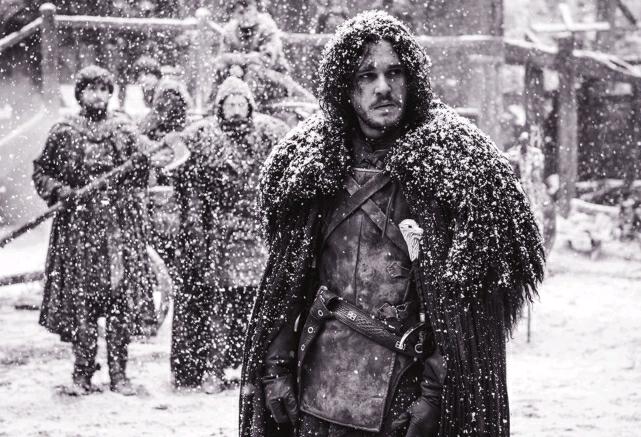
The form winter takes is a matter of location, latitude and altitude. In the temperate areas of Brazil, the cold sets in between June and August,when residents start priming6 themselves for “chilly”temperatures of 20 degrees Celsius. Pullovers, scarves, wool caps and anoraks7 are considered essential, and the beaches are empty.
The existence of four seasons is a feature of the middle and upper latitudes, and a vestige of the geopolitical dominance of the countries affected by such seasonal shifts.8 The ancient Romans were among the first to carve up the year into quarters, as a way of attempting to control the inherent variability of nature and to plan recurring tasks. Why did this particular system catch on? Perhaps because there are certain parallels with the phases of human life: childhood, youth, adulthood, old age.
All over the world, animals and plants have had millions of years to adapt to low temperatures. We humans, however, are tropical beings, with biological origins in the African savanna9. We havent even had the time to develop fur. Over the centuries, weve made a multitude of efforts to deal with the cold season: meteorology, heating, insulated homes,10 food preservation, appropriate clothing. The legendary ice-man “?tzi”, who lived more than 5,000 years ago, is Europes oldest natural mummy; he was found in a glacier in the Alps wearing five different types of skin and fur, including leggings and a hat.endprint
But climate change is a confounding factor. Now that we have officially arrived in the Anthropocene11, winters in many places are getting shorter, wetter and warmer. In fact, 2016 was the hottest year since records began. In some parts of North America in 2016, autumnal foliage12 lasted almost a month longer than normal, and frost came extremely late. In the Mediterranean and the American South, the summers have grown hotter and longer than before, and the winters are correspondingly shorter and milder.
Unsurprisingly, as with everything thats scarce or unpredictable, “winter” can now be dosed out13 as a well-measured product, an intense sensual experience.“Ice swimming” in gelid14 lakes or beside glaciers is a popular topic on local European news broadcasts every winter. For those of us who can afford it, a weekend at an ice hotel might beckon, or a trip to the Arctic that allows us to see vast expanses of vanishing ice up close.15 Knowing that we might be among the last generations to see sea-ice seems to add a morbid, illicit thrill to the exercise.16
The devastating effects of these changes on the Earths natural ecosystems should be our most urgent concern. But we might also consider what we will miss, philosophically and spiritually, if winter as we know it disappears in the Anthropocene.
Winter, for me, is a period of reflection and regeneration, of withdrawal, reminiscent of a time when humans were forced to be more malleable and responsive to the seasons.17 Each year, I long to see the landscape around my home in Germany transformed by the cold: frost-limned trees, crisp air, and snow shrouding everything, muffling every sound, as if covering over the acoustic evidence of humanity.18
But human intervention will affect the phenomenology19 of winter. This is not just because of meteorological change. Knowing that the caprices of the weather are caused by us, as much as by any “natural” process, changes how we experience the seasons: our relation to them, the respect and interest we accord them,20 and the way that they affect our perception of our place in the world.
For me, the experience of real, unbridled21 cold is what lets me relish the warmth and release of summer. In a sense, both seasons depend on each other. Albert Camus reminds us of this dialectic of seasonal anticipation: “In the depth of winter, I finally learned that within me there lay an invincible summer.”22
不同地域的冬,有著不一樣的風情。在斯堪的納維亞、西伯利亞、阿拉斯加或加拿大等北部地區(qū),冬肆虐橫行,天寒地凍——最南端的南極洲亦是如此。在這些地方,冬是最暗無天日的季節(jié)。挪威尤坎鎮(zhèn)隱藏在深深的山谷里,一年中將近六個月看不到陽光,直到幾年前,村民們裝起了巨大的鏡子,將陽光折射至谷中。endprint
從地理學的角度講,根本沒有“典型的”冬天這種說法。然而,某一普遍的文化意象,仿佛伸出冰冷的爪子,緊緊攫住了大眾對冬的集體想象:一提到冬,人們就會聯(lián)想到下雪、呼嘯紛飛的冰暴、《權力的游戲》和迪士尼的《冰雪奇緣》。冬天這樣的極寒之季究竟有何魅力?(實際上)即便是在北極地區(qū),冬季也從來不是一場漫無休止的暴風雪。由于空氣干燥,降雪反倒不太常見,然而一旦降雪,持續(xù)時間比溫帶地區(qū)要更長。
一個地方的冬所呈現(xiàn)的形態(tài)取決于其位置,即緯度和海拔。在巴西的溫帶氣候地區(qū),六到八月間逐漸感受到涼意侵襲,居民們開始為20攝氏度“寒冷的”氣溫來臨做準備:套頭衫、圍巾、羊毛帽和帶風帽的厚夾克必不可少,海灘上也空無一人。
四季分明,是中高緯度地區(qū)的氣候特征,也是那些經歷四季輪換的國家在地緣政治上的優(yōu)勢所遺留的歷史結果。最早將一年劃分為四季的是古羅馬人,他們試圖掌控大自然的內在變化規(guī)律,制訂周期性任務。為什么唯獨這一劃分體系得到了廣泛的采用?也許是因為它與人生階段——童年、青年、壯年和老年——有著些許共通之處。
世界各地的動植物,經過數百萬年的進化,已經逐漸適應了在低溫下生存。而我們人類是熱帶生物,起源于非洲熱帶大草原,沒有足夠的時間進化出皮毛。幾個世紀以來,人類想盡各種辦法抵御寒冷季節(jié):研究氣象學,發(fā)明供暖,建造隔熱的房屋,儲藏食物,設計防寒衣物。傳說中的冰人“奧茨”生活在五千多年前,是歐洲最古老的一具(因冰封而保存完好的)天然木乃伊。人們在阿爾卑斯山脈的一座冰川里找到他時,發(fā)現(xiàn)他渾身上下的穿戴,包括護腿和一頂帽子,是由五種不同動物的皮毛制成的。
然而,氣候變化令人捉摸不透。如今,我們已經正式邁進人類世,許多地方的冬季變得越來越短,越來越溫暖濕潤。實際上,2016年是有記錄以來最熱的一年。就在這一年,北美一些地區(qū)的秋季落葉期比往常長了將近一個月,霜凍也來得格外地遲;地中海地區(qū)和美國南部的夏天也比以前更炎熱綿長,相應地,冬季也變得更短、更暖和。
正如所有那些稀缺或不可預知的事物一樣,“冬”現(xiàn)在可以被設計為一件經過精心打造的商品,或是一種強烈的感官體驗。這也不是什么出乎意料的事。每年冬天,在冰冷刺骨的湖水中或冰川邊“冰泳”都是歐洲當地新聞播報的熱門話題。對經濟上能夠承擔得起的人來說,周末去冰雪主題酒店小住,或赴北極旅行,近距離觀察廣闊冰川的漸漸消融,都是令人神往之舉。一想到我們可能是最后幾代還能欣賞到眼前這些海上冰川的人,就仿佛平添了一絲病態(tài)的、說不出口的刺激。
我們最應該擔心的是這些改變對地球自然生態(tài)系統(tǒng)所造成的災難性影響。但或許也同樣該想一想,若我們所知道的“冬”真的在人類世消失,那么我們在哲學和心靈層面將缺失什么。
冬,于我,是反思與重生之季,是退隱之季,使我回想起人類不得不更順從自然、呼應季節(jié)變換之時。每年我都期盼著看到德國家周圍的景色在冬天煥然一新:霜花勾勒的樹木,干冷清新的空氣,白雪茫茫,覆蓋萬物,悄無聲息,似乎抹去了人類活動的一切聲響。
但是,人類對自然的干預將會影響到其自身對冬的直觀感知。這不僅僅是由于氣象變化。造成氣候反復無常的原因,不僅是“自然的”變化,還包括人類的活動。明白這一點后,我們對季節(jié)的感受——人與季節(jié)的聯(lián)系,人對季節(jié)的敬畏和關注,以及季節(jié)是如何影響人類對自身在整個世界中地位的認知——也會隨之改變。
對我而言,切膚、肆意的寒冷讓我更加享受夏天的溫暖和愜意。從某種意義上說,這兩個季節(jié)是相互依存的。阿爾貝·加繆這樣辯證地提到對季節(jié)的期盼:“隆冬時分,我終于發(fā)現(xiàn),我的心中有一個永不凋零的夏天。”
1. Scandinavia: // 斯堪的納維亞(歐洲西北部文化區(qū)),包括挪威、瑞典和丹麥,有時還包括芬蘭、冰島和法羅群島;Siberia:// 西伯利亞,是俄羅斯及蒙古國北部的一片非常大的地域,面積約1276平方公里。
2. Rjukan: 尤坎,挪威泰勒馬克行政區(qū)的一個中心城市。四面環(huán)山的尤坎,每年九月下旬到次年二月上旬幾乎都沒有陽光直射,居民只能坐纜車到山頂上曬太陽。政府在2013年投資在山上安裝了三面能自動調整角度的大反光鏡,將陽光反射到中心廣場上。
3. talon:(尤指猛禽的)爪。
4. Game of Thrones:《權力的游戲》,一部中世紀史詩奇幻題材的美國電視連續(xù)劇,改編自美國作家喬治·R.R.馬丁的奇幻文學作品《冰與火之歌》系列;Frozen:《冰雪奇緣》,2013年迪士尼3D動畫電影,取材自安徒生童話《白雪皇后》。
5. blizzard: 暴風雪。
6. prime: 使做好準備。
7. anorak: 帶風帽的夾克。
8. vestige: 殘留,殘跡;geopolitical:地緣政治的,指國家根據其地理位置因素對其政治、軍事、外交等進行分析。
9. savanna: 熱帶(或亞熱帶)稀樹草原。
10. meteorology: // 氣象學;insulated: 隔熱的,絕緣的。
11. Anthropocene: / 人類世,地球最年輕的地質年代。目前并沒有準確的起始年份,大約是由18世紀末人類活動對氣候及生態(tài)系統(tǒng)造成全球性影響開始,以氣候變暖為標志。
12. foliage: // 葉子的總稱。
13. dose out: 給……服藥。
14. gelid: 非常寒冷的。
15. beckon: 迷人,吸引;expanse: 浩瀚,廣袤。
16. morbid: (興趣、思想等)病態(tài)的;illicit: 不正當的,不適當的。
17. reminiscent of: 使人回想起;malleable: (人)易說服的,順從的。
18. shroud: 覆蓋,遮蔽;muffle: 使(聲音)減弱;acoustic: 聲音的,聽覺的。
19. phenomenology: 現(xiàn)象學,是一種通過原始的意識和直接的認識描述現(xiàn)象的研究方法。
20. caprice: // 突然變化,反復無常;accord:授予,給予(尤指權力、尊敬或地位)。
21. unbridled: // 肆無忌憚的。
22. Albert Camus: 阿爾貝·加繆(1913—1960),法國小說家、哲學家、戲劇家和評論家,代表作包括《異鄉(xiāng)人》和《鼠疫》;dialectic:(兩種力量或想法的)對立,辯證;invincible: 不可戰(zhàn)勝的。endprint
猜你喜歡
哈哈畫報(2022年4期)2022-04-19 11:11:50
大科技·百科新說(2021年6期)2021-09-12 02:37:27
英語文摘(2021年2期)2021-07-22 07:56:54
小哥白尼(神奇星球)(2020年8期)2021-01-18 05:13:32
小哥白尼(神奇星球)(2020年8期)2021-01-18 05:13:26
小哥白尼(神奇星球)(2020年7期)2021-01-18 05:07:18
好孩子畫報(2020年5期)2020-06-27 14:08:05
小學科學(學生版)(2020年2期)2020-03-03 13:40:16
作文成功之路·小學版(2019年5期)2019-08-23 08:13:18
意林·全彩Color(2019年6期)2019-07-24 08:13:50