
適應高原天氣與地形的人工增雨無人機研制及試驗
2017-09-15 06:17:46馬學謙孫安平張小軍韓輝邦
農業工程學報 2017年15期
關鍵詞:作業
馬學謙,孫安平,張小軍,韓輝邦
·農業航空工程·
適應高原天氣與地形的人工增雨無人機研制及試驗
馬學謙1,孫安平2,張小軍1,韓輝邦1
(1. 青海省人工影響天氣辦公室,西寧 810001; 2. 青海省氣象局,西寧 810001)
人工增雨作業是開發空中云水資源的有效手段,常規作業方式因安全性和空域因素受到一定的限制,研制一種適合高原天氣、復雜地形和氣候特征的長航程、大載荷等功能于一體的無人增雨飛機勢在必行。該文以LY-Z200原型機為雛形,通過改變起降方式、調整發動機功率和位置、加裝除冰器件,提高無人機的飛行高度和安全程度,并安裝大氣常規探測儀器、設計小型化的增雨播撒系統、增加航拍儀器等功能擴充無人機的使用范圍,從而研制出適合高原的LY-ZY200型人工增雨無人機。經多架次試驗結果表明:該無人機飛行高度達6 100 m,起飛質量達171 kg,有效載荷50 kg,加油量達42 L,最大油耗為7.2 L/h,巡航速度達187.2 km/h,巡航時間長達4 h,滿足高原地區實施大范圍人工增雨的任務載荷量和航程需求,并能攜帶10根催化煙條在?4 ℃以下低溫云區實現空地信息互通、人工增雨作業和多樣化的任務需求。高原人工增雨試驗表明該無人機能夠穿越較厚的云層和復雜的云內環境,實現平穩飛行和增雨催化劑的規劃點播撒,催化后能夠直觀地反映出增加了地面有效降水。該無人機可以實現人工增雨中適當作業位置、適當作業時機開展適當播撒作業任務要求,為人工影響天氣開辟了比較理想的作業方式和探測工具。
無人機;控制;試驗;高原;增雨
馬學謙,孫安平,張小軍,韓輝邦. 適應高原天氣與地形的人工增雨無人機研制及試驗[J]. 農業工程學報,2017,33(15):105-111. doi:10.11975/j.issn.1002-6819.2017.15.013 http://www.tcsae.org
Ma Xueqian, Sun Anping, Zhang Xiaojun, Han Huibang. Development and experiment of enhancement precipitation unmanned aerial vehicle adapted to weather and topography of plateau[J]. Transactions of the Chinese Society of Agricultural Engineering (Transactions of the CSAE), 2017, 33(15): 105-111. (in Chinese with English abstract) doi:10.11975/j.issn.1002-6819.2017.15.013 http://www.tcsae.org
0 引 言
無人機比有人駕駛飛機具有研發制造成本低、操縱使用方便、使用效率高等優點,是廣泛應用于生產活動、國家安全等領域的高科技產品,實際運用中顯現出廣闊的發展前景,具有巨大的應用潛力[1]。因用途不同對無人機性能、功能和關鍵技術需求差異明顯,當前在信息化、網絡化、體系化背景下推動了無人駕駛飛機技術突飛猛進[2]。美國是無人機技術發展的領先國家[3-4],在NASA先進概念研究機構(NASA’s institute for advanced concepts, NIAC)支持下,科研人員致力于發展一項類似于無人機探測器的概念研究[5],對無人機的研究正向智能化、長航時、大載荷等方向蓬勃發展。無人機是動力驅動、能攜帶和執行多種任務、可重復使用的無人駕駛飛機,因其成本低、體積相對較小、質量輕、靈活機動等特點,在航拍[6]、臺風探測[7]、火情監測及滅火減災[8]、氣象要素探測[9]、農業技術開發[10-14]、農業技術應用[15-18]和無人機發展[19]等很多領域越來越廣泛的適用,并促進了相關領域向高分辨率、精細、實時、準確的方向發展。
三江源地處青藏高原腹地,平均海拔高度為4 200 m,素稱“中華水塔”,20世紀末至21世紀初[20],隨著全球氣候變化和生產規模擴大,上游和江河源頭出現濕地銳減、植被衰退、土地沙化為主要特征的生態惡化趨勢,引起中下游的洪澇災害、斷流等自然災害問題。為了推動水源地、濕地、生物多樣性等方面的可持續發展和人與自然的和諧相處,三江源成為國家優先建設生態安全屏障的重點地區。
開發和利用好空中云水資源[21]是解決地面淡水源不足和建設國家生態安全的重要途徑,開展復雜天氣條件下的人工增雨作業是有效手段,而無人機是可控和能回收的氣象探測和增雨播撒的重要工具[22],是人工影響天氣關鍵技術和裝備研發的重要方向[23],因而研發一種適合高原天氣特征、適應高原復雜地形和氣候的能探測、可作業、可控、能回收、長航程、大載荷等[24-26]功能于一體的無人駕駛增雨飛機勢在必行。近來,仿生智能[27]、感知與規避[28]等新技術的發展及應用,改善了無人機的智能化和技術性能,并應用于氣溶膠探測[29]、地形云播云[30]等方面,通過利用這些技術將實現無人機在復雜的大氣環境中按規劃路線安全穿云探測飛行,實施科學作業[31-35],大力提升人工增雨的研究和技術開發能力,提高人工增雨效率。
高原地區山脈起伏較大,很難選擇一塊寬闊、平坦的區域進行無人機的自主起飛和滑降,同時,人工增雨作業在高海拔、稀薄空氣、?4 ℃以下溫度層中播撒飛行,這些自然條件的限制需要研制適應高原的人工增雨無人機。本文基于以上特殊需求,以LY-Z200型無人機為基礎進行重新設計、改造和升級,研制適應高原的人工增雨無人機,并進行多架次的試驗飛行,以滿足高原地區人工增雨作業的要求。
1 技術設計
LY-Z200原型無人機采用輪式起飛和滑行降落方式,其發動機后置、無除冰和氣象探測裝置、飛行高度僅4 500 m、無增雨播云和航拍功能、載荷50 kg。為適應高原飛行和人工增雨的特殊需求,對原機動力系統、起降方式、航空電子系統、增雨播云裝置以及測控系統進行了技術設計、改造和試制。
為了適應高海拔稀薄空氣條件下無人機飛行,首先需要提高最大飛行高度,才能滿足無人機能夠深入?4 ℃以下的云中開展催化播撒,取得最佳的增雨效果。在高原地區大氣層結達到?4 ℃以下的平均海拔高度為6 500 m左右,因而無人機的最大飛行高度應從原型機的4 500 m提升到適合高原飛行的6 500 m左右,其次人工增雨中碘化銀AgI煙條播云時煙劑所產生的云凝結核物質需充分擴散且不損傷螺旋槳和機身,同時考慮無人機的最大起飛質量、抗風雨能力、可靠性、飛行器氣動特性、飛行性能和使用壽命等方面指標和要求,對無人機的動力系統需要調整。一方面調整發動機的動力輸出功率,另一方面對發動機的安裝位置進行調整。低速無人機用耗油率低的活塞式發動機驅動螺旋槳作為動力裝置,而高原飛行高度和人工增雨的任務需求估算,需配備功率在29~37 kW左右的航空發動機才能達到技術要求。經調研和選型,德國生產的LIMBACH-L550發動機額定功率為31 kW,且為電噴式發動機,代替了原型機的化油器式發動機。發動機的安裝位置由機身后部后推式改為機頭前部前拉式提高催化劑的擴散率,此外為深入?4 ℃以下的云中將螺旋槳改為防雹槳,并在機翼前緣和靜壓管位置安裝加熱除冰器件,經以上動力系統的調整和改變后,動力輸出滿足無人機在高原人工增雨的飛行要求,經后期飛行試驗表明動力系統的調整滿足設計要求。
在高原地區地勢起伏較大,平坦的起降場較少,要改變無人機的起降方式才能滿足復雜地形條件下的高原起降。原型機通過輪式起降滑行距離較大,為適應高原起降將原型機起降方式改為汽車助推起飛和拋傘降落回收。
根據高原地區大范圍人工增雨作業需求,無人機需掛載10根總質量達50 kg的催化劑煙條,并能探測大氣溫、壓、濕等常規氣象要素,同時為擴展無人機在航空攝影、災情調查、大氣監測等多種用途,增加任務載荷、航拍、氣象信息采集等控制功能的航空電子系統,升級發動機、導航等飛行控制航空電子系統。
現有的人工增雨催化裝置僅適用于有人駕駛飛機,其體積和質量遠遠大于無人機總載荷量,同時有人駕駛飛機的催化點火采用機上作業人員手動操控,無法直接移植到無人機上使用,為此研制了小型化的增雨播撒裝置,并實現遙控點火控制和催化劑播撒狀態的實時監控功能。
圖1為設計完成后的飛行器系統的整體框架圖,由“一平臺兩系統三裝置”組成,實現了無人駕駛飛機的飛行控制和各項任務的執行。

圖1 飛行器系統整體框架圖Fig.1 Overall design frame of unmanned aerial vehicle
無人機飛行任務執行的優劣,不僅取決于飛行器平臺,而且與飛行器地面測控平臺緊密相關,為了改善無人機飛行控制能力,需對地面測控系統進行改造和升級,改造包括兩部分,一部分為飛行器控制部分,改造后實現人工增雨飛行的航路規劃,并通過上行通信傳輸指令使無人機按其規劃航路飛行。根據人工增雨的作業任務需求,無人機需在不同的高度進行飛行器數據的采集和實施催化作業,實時采集信息并下傳至地面端,地面端實時顯示飛行軌跡、飛行姿態、航向、高度、GPS定位、發動機狀況等數據,此外,飛行器起飛和降落也通過遙控指令使其執行;另一部分是將無人機采集的大氣溫度、濕度及氣壓、高度等(機載大氣傳感器自制,分辨率分別為溫度0.1 ℃,濕度1%,氣壓10 Pa,高度1 m)氣象信息和相關飛行數據通過數據傳輸鏈路回傳至地面測控系統并實時顯示增雨作業任務載荷相關數據。通過兩方面的改造升級軟件系統及配套硬件,使原型機僅顯示簡單的飛行控制信息升級為能夠同步同屏顯示無人駕駛飛機的飛行數據、氣象數據和任務載荷執行狀態的功能,實現人工增雨根據大氣條件開展科學作業。
為滿足高原人工增雨的需求,經以上設計和改造后,主要技術指標見表1。

表1 LY-ZY200型無人機主要性能指標Table 1 LY-ZY200 unmanned aerial vehicle main performance indicators
2 試驗結果
2.1 技術性能測試
表2為LY-ZY200型無人機技術性能測試數據。由表2可知,原型機在高原初期試驗時,以失敗告終,經升級為電噴式發動機后,在低海拔地區阜陽試驗時,滿負荷起飛能夠飛至4 500 m高度;后經長途運至高原地區,在海北州進行試驗時仍然存在飛行器降落控制問題,試驗中途終止;經技術維護后并選擇相對開闊平坦的海南州二塔拉地區重新試驗,試驗結果表明飛行器能夠達到飛行高度、續航時間、測控半徑、載荷量、起降方式的要求,但爬升率、氣象信息采集、軟件功能等方面仍然欠缺。
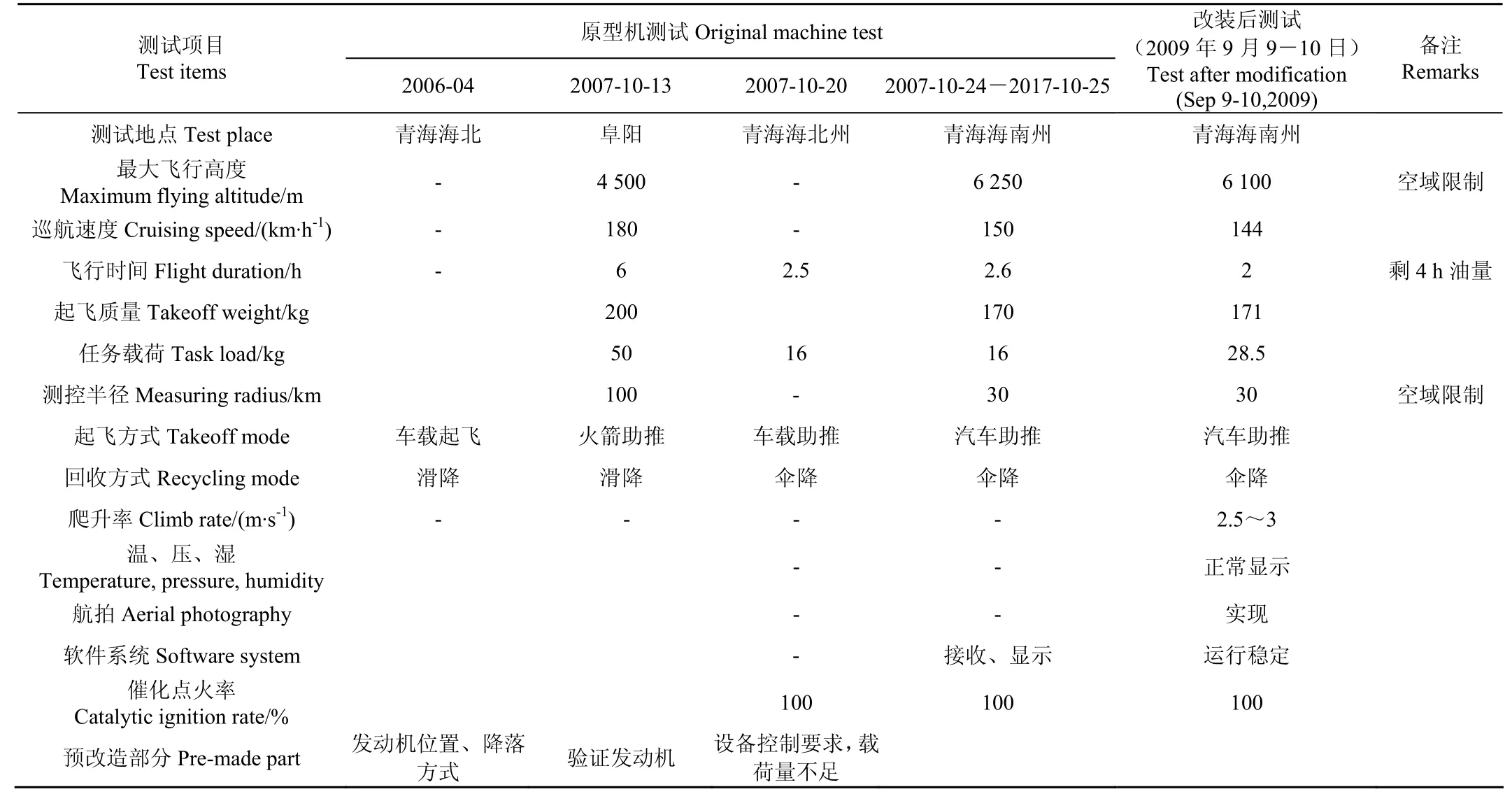
表2 LY-ZY200型無人機技術性能測試數據Table 2 LY-ZY200 unmanned aerial vehicle technical performance test data
后經過近2 a的結構改變、測控系統、任務載荷、軟件系統等方面的改造,于2009年9月10日進行整體性能綜合測試。測試結果表明,LY-ZY200型無人機在高原地區(海拔高度3 000 m以上)能車載助推起飛和拋傘降落回收;測試飛行最大相對高度為3 100 m(空域批復高度為海拔6 000 m以下),此高度飛行的爬升率達1.5 m/s,充分證明LY-ZY200無人機最大升限可以達到指標6 500 m(海拔高度);地基遙控發射采用25 W功率,230 MHz頻率,且天線增益5 dB,地基遙控接收采用3.5 dB增益天線;飛行器端遙測發射采用1 W功率,460 MHz頻率,天線增益5 dB,飛行器端遙測接收采用10.2 dB增益天線,以3 000 m相對高度按接收靈敏度、無線作用距離衰減、地球曲率影響等公式計算,綜合考慮上行遙控發射及接收作用距離、下行遙測發射及接收作用距離和地球曲率影響,最大飛行控制半徑為154 km,滿足技術指標規定的100 km,測控鏈路相關數據詳見表3,而測試中因空域限制飛行控制半徑為30 km。
人工增雨無人機的首要目的是實現增雨的任務載荷及對任務載荷的控制執行,改裝后根據任務載荷技術性能要求進行飛行測試,攜帶4根碘化銀煙條,點火成功率為100%,同時測試中安裝了航拍儀(佳能EOS 5D2,1 200萬像素),實現航拍控制功能,大氣溫度、氣壓及相對濕度傳感器能夠實時采集數據并成功下傳各高度層的溫度、氣壓、相對濕度信息至地面站,地面站能夠同步顯示溫壓濕、飛行狀態、催化劑工作狀態等信息,滿足人工增雨天氣的探測和作業要求。測試中加油量為42 L,飛行測試中最大油耗為7.2 L/h,按油耗計算,完全滿足續航4 h能力。圖2為LY-ZY200型無人機起飛準備、地面測控站、拋傘降落回收及播撒試驗等狀況。圖3為此次性能測試探測的氣象和測控信息記錄圖,由圖3可知,無人機地面遙控指揮車實現了催化劑點火、航拍、氣象信息采集、飛行高度測量和起降方式等控制功能。

表3 測控鏈路相關數據Table 3 Measurement and control link-related data
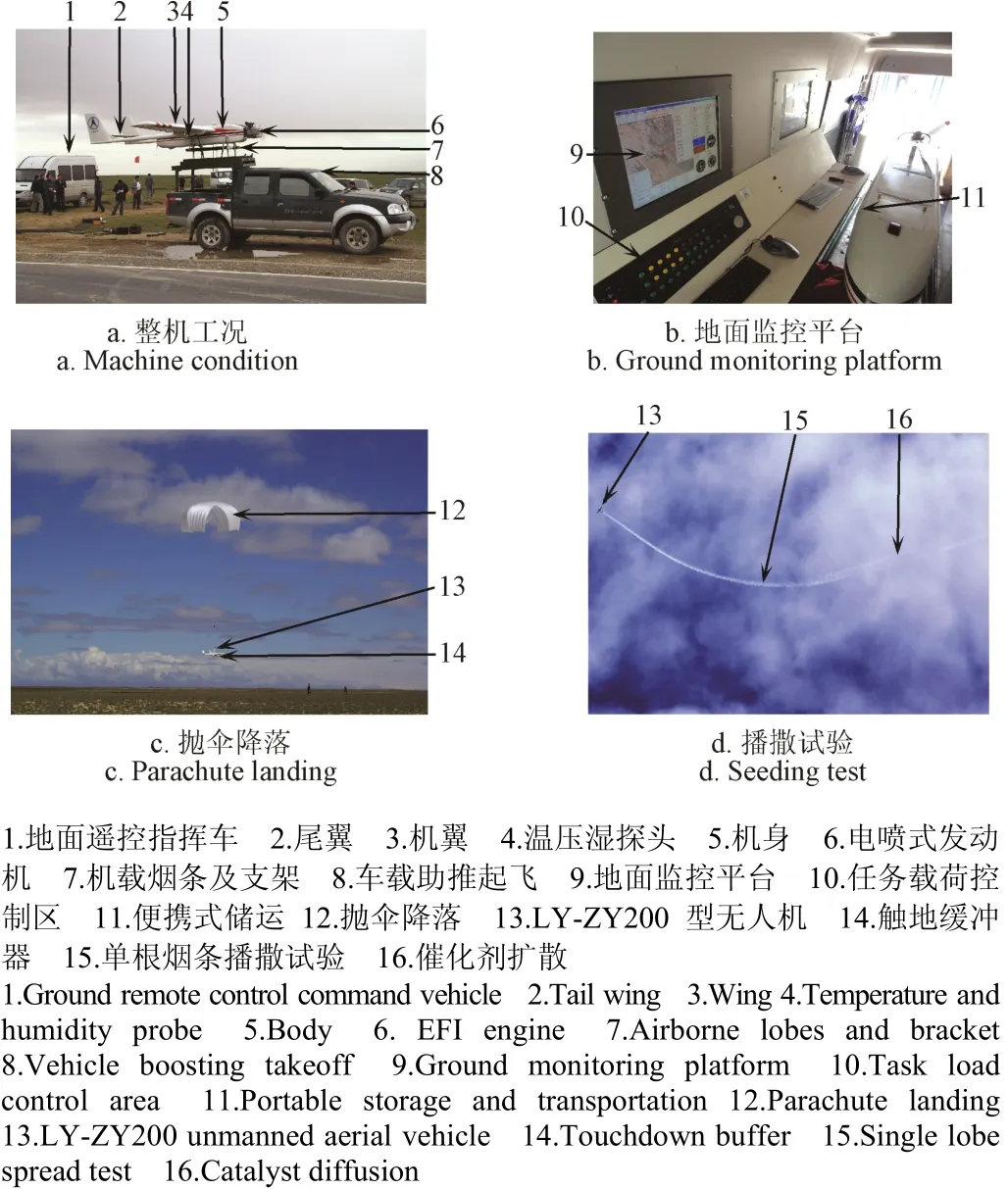
圖2 改裝后LY-ZY200型無人機狀況Fig.2 Situation of modified LY-ZY200 unmanned aerial vehicle

圖3 2009年9月10日LY-ZY200技術性能測試Fig.3 LY-ZY200 technical performance test in September 10, 2009
2.2 典型增雨試驗
經技術指標性能測試后,LY-ZY200型無人機各項性能達到表1所列的技術指標要求,可實施增雨試驗任務,文中選擇了2次典型增雨試驗數據,以反映復雜天氣條件下無人機飛控、載荷及增雨直觀效果顯示,表4是2次LY-ZY200型無人機典型增雨試驗數據。
利用LY-ZY200型無人機進行人工增雨試驗,一方面測試無人機在高原地區復雜天氣條件下的飛行控制和載荷能力,另一方面試驗催化劑播撒后增雨效果,目前增雨催化分為冷云和暖云催化,其中冷云催化又分為靜力和動力2種催化方式,在高原地區以冷云為主的低層云,一般采用冷云動力催化方式[36]。試驗中無人機開展作業的判據主要以機上下傳的氣象信息為主,即相對濕度大于65%,溫度范圍在?15~10 ℃之間,有云狀況下進行播撒作業,針對高原地區主要以層積混合性的冷云為主,水汽輻合較強、含量豐富,采用較大劑量播撒作業,使云中可降水量充分轉化形成降水,從而增加地面降水量,即在氣象條件較好的情況下,實施大劑量播撒,實現較大的增雨量。增雨試驗中無人機飛行航路的規劃主要依據大氣綜合探測場,并根據雷達和衛星實時觀測的數據規劃出飛行航路位置及高度。無人機在起飛初期通過地面有人操控起飛,平穩飛行后將規劃的航路上傳至無人機,從有人操控切換為無人操控,然后無人機按照航路規劃飛行,飛行中根據無人機探測的大氣參數實施地面手動遙控點燃機上催化劑,開展人工增雨播撒作業試驗。

表4 LY-ZY200型無人機典型增雨試驗數據Table 4 Typical enhancement rainfall test data using LY-ZY200 unmanned aerial vehicle
圖4為2009年9月13日增雨試驗,地面觀測為層積云并伴有毛毛雨,13:00之后由無降水轉小雨,后期又轉為毛毛雨,至起飛前降水基本維持毛毛雨,說明層積云主要以比較穩定的層云為主,且云中相對濕度最大達到87%,溫度層為0 ℃。試驗中無人機加油約37 L,載單根4 kg碘化銀煙條10根,起飛質量達171 kg,滿負荷起飛平均油耗為7.1 L/h。根據測試表明在復雜天氣條件下,無人機能夠實現催化點火率100 %、航路規劃及調整、爬升降落控制、氣象傳感器實時采集等人工增雨控制能力。飛行中為測試無人機增雨效果設計并實施航路規劃,規劃以地面測控點為中心,向西南和東北方向各延伸5 km(地面交通道路方向),寬度達1 km的矩形播撒區。
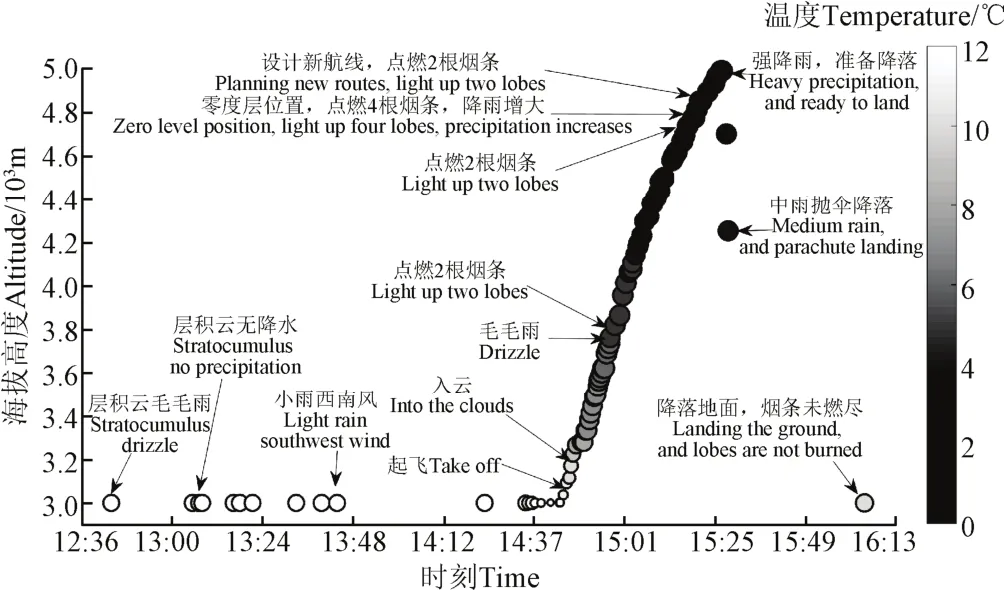
圖4 2009年9月13日LY-ZY200型無人機作業飛行和播撒記錄Fig.4 Operations and flight records of LY-ZY200 unmanned aerial vehicle on September 13, 2009
無人機于14:45起飛,14:50入云,15:01點燃2根煙條,15:22點燃2根,此時地面降雨在不斷增大,氣象信息顯示已達0 ℃,緊接點燃4根煙條,并設計新航路,再次點燃2根,飛行2 min 43 s后,雨勢突然增大,為飛行控制安全準備降落,降至4 400 m高度進行拋傘降落,此時,降雨強度達中雨強度。拋傘降落位于地面測控點4 km左右,受風的影響飛機實際降落點偏差達1.5 km左右,另燃燒時間達25 min的碘化銀煙條尚未全部燃盡,至地面弱擴散使無人機后翼微有熏黑,機體無影響,氣象傳感器采集精度不高、信號有微延遲等問題。此外,一方面迫于地面強降雨影響,為飛行控制安全應急降落,另一方面在新航路規劃時,為測試無人機轉向自控能力,操作手設計了小于60°的轉角,但在此小角度情況下無人機無法實現順利轉向,出現失速下降。雖已失速下降,但仍然能控制發動機關停和拋傘降落等各項功能,實現安全著陸過程。
此次在有利天氣條件下開展的增雨試驗,直觀觀測表明利用無人機可以實現復雜天氣條件下在適當位置進行人工增雨播撒作業,且降雨在非播撒區未出現播撒區同等強度和量級,可直觀顯現增雨效果。2011年9月6日增雨試驗以滿天層云為主,受空域審批限制,飛行高度為6 000 m,測控半徑30 km,成功完成了無人駕駛飛機航拍和人工增雨作業試驗等任務,試驗后地面產生零星小雨。無人機在復雜天氣條件下開展的增雨試驗表明,研制的LY-ZY200型無人機能夠適應高原地區復雜天氣條件下的安全起降、增雨作業、航拍和信息傳輸等功能,達到了預期的設計指標。
3 結 論
以LY-Z200原型機為雛形,通過對起降方式、發動機功率和位置、除冰器等方面的改變和調整,以及加裝大氣常規探測儀器、增雨播撒系統、航拍儀器等功能,經高原地區多架次的試驗飛行,結果表明:
1)LY-ZY200型無人機飛行高度6 100 m,起飛質量171 kg,有效載荷50 kg,巡航速度187.2 km/h,巡航時間4 h,滿足高原地區實施大范圍人工增雨的任務載荷量和航程需求。
2)在無人機上加裝除冰器件和改變槳葉,實現了低溫云區的安全飛行;增加探測和增雨播撒裝置,實現了播云的科學作業。
3)多架次的技術性能和增雨試驗表明LY-ZY200型無人機適應高原人工增雨相關任務,且能夠穿越較厚的云層和復雜的云內環境,實現平穩飛行和規劃點播云,試驗比較直觀地反映出在有條件的云中播撒催化劑,可有效增加地面降水,為人工影響天氣開辟了比較理想的作業方式和探測工具。
致謝 感謝多年參加人工增雨無人機高原試驗的各位同仁,是你們艱苦付出和不懈努力獲取到人工增雨無人機飛行控制等方面的實際性能,也為中國人工增雨無人機的發展積累了第一手資料,在此表示衷心的謝意!
[1] 鄭波,湯文仙. 全球無人機產業發展現狀與趨勢[J]. 軍民兩用技術與產品,2014(8):8-11.
[2] 陶于金,李沛峰. 無人機系統發展與關鍵技術綜述[J]. 航空制造技術,2014(20):34-39.
[3] 溫杰. 美國無人機自主空中加油技術取得突破[J]. 國際航空,2015(5):16-19.
[4] 高勁松,王朝陽,陳哨東. 對美國無人機自主控制等級的研究[J]. 航空科學技術,2010(2):40-43.
[5] 王燕. 未來的火星飛機:美國新型火星大氣層進入探測器概念研究[J]. 國際太空,2014(11):52-56.
[6] 孟佳男,陳浪,賈建峰,等. 低空航拍無人機[J]. 甘肅科技,2014,30(11):60-63.
[7] 雷小途. 無人機在臺風探測中的應用進展[J]. 地球科學進展,2015,30(2):276-283.
Lei Xiaotu. Progress of unmanned aerial vehicles and their application to detection of tropical cyclone[J]. Advances in Earth Science, 2015, 30(2): 276-283. (in Chinese with English abstract)
[8] 馬瑞升,馬舒慶,王利平,等. 微型無人駕駛飛機火情監測系統及其初步試驗[J]. 氣象科技,2008,36(1):100-104.
Ma Ruisheng, Ma Shuqing, Wang Liping, et al. Preliminary experiment of forest fire monitoring system on unmanned aerial vehicle[J]. Meteorological Science and Technology, 2008, 36(1): 100-104. (in Chinese with English abstract)
[9] 汪改,馬舒慶,潘毅. 微型無人駕駛飛機探空試驗[J]. 氣象與減災研究,1999,22(2):35-37.
[10] 吳益明,盧京潮,魏莉莉,等. 無人機地面控制站系統的應用研究[J]. 航空精密制造技術,2006,42(3):48-50.
Wu Yiming, Lu Jingchao, Wei Lili, et al, Design and realization of UAV ground navigation station system application research of UAV ground control system[J]. Aviation Precision Manufacturing Technology, 2006, 42(3): 48-50. (in Chinese with English abstract)
[11] 文晟,蘭玉彬,張建桃,等. 農用無人機超低容量旋流噴嘴的霧化特性分析與試驗[J]. 農業工程學報,2016,32(20):85-93.
Wen Sheng, Lan Yubin, Zhang Jiantao, et al. Analysis and experiment on atomization characteristics of ultra-lowvolume swirl nozzle for agricultural unmanned aviation vehicle[J]. Transactions of the Chinese Society of Agricultural Engineering (Transactions of the CSAE), 2016, 32(20): 85-93. (in Chinese with English abstract)
[12] 張昆,張鐵民,廖貽泳,等. 基于Labview的遙控無人機操控測試系統[J]. 農業工程學報,2015,31(增刊2):11-16.
Zhang Kun, Zhang Tiemin, Liao Yiyong, et al. Remote control unmanned aerial vehicle test system based on Labview[J]. Transactions of the Chinese Society of Agricultural Engineering (Transactions of the CSAE), 2015, 31(Supp.2): 11-16. (in English with Chinese abstract)
[13] 茹煜,金蘭,賈志成,等. 無人機靜電噴霧系統設計及試驗[J]. 農業工程學報,2015,31(8):42-47.
Ru Yu, Jin Lan, Jia Zhicheng, et al. Design and experiment on electrostatic spraying system for unmanned aerial vehicle[J]. Transactions of the Chinese Society of Agricultural Engineering (Transactions of the CSAE), 2015, 31(8): 42-47. (in Chinese with English abstract)
[14] 張波,羅錫文,蘭玉彬,等. 基于無線傳感器網絡的無人機農田信息監測系統[J]. 農業工程學報,2015,31(17):176-182.
Zhang Bo, Luo Xiwen, Lan Yubin, et al. Agricultural environment monitor system based on UAV and wireless sensor networks[J]. Transactions of the Chinese Society of Agricultural Engineering (Transactions of the CSAE), 2015, 31(17): 176-182. (in Chinese with English abstract)
[15] 楊貴軍,李長春,于海洋,等. 農用無人機多傳感器遙感輔助小麥育種信息獲取[J]. 農業工程學報,2015,31(21):184-190.
Yang Guijun, Li Changchun, Yu Haiyang, et al. UAV based multi-load remote sensing technologies for wheat breeding information acquirement[J]. Transactions of the Chinese Society of Agricultural Engineering (Transactions of the CSAE), 2015, 31(21): 184-190. (in Chinese with English abstract)
[16] 李繼宇,周志艷,蘭玉彬,等. 旋翼式無人機授粉作業冠層風場分布規律[J]. 農業工程學報,2015,31(3):77-86.
Li Jiyu, Zhou Zhiyan, Lan Yubin, et al. Distribution of canopy wind field produced by rotor unmanned aerial vehicle pollination operation[J]. Transactions of the Chinese Society of Agricultural Engineering (Transactions of the CSAE), 2015, 31(3): 77-86. (in Chinese with English abstract)
[17] 李冰,劉镕源,劉素紅,等. 基于低空無人機遙感的冬小麥覆蓋度變化監測[J]. 農業工程學報,2012,28(13):160-165.
Li Bing, Liu Rongyuan, Liu Suhong, et al. Monitoring vegetation coverage variation of winter wheat by low-altitude UAV remote sensing system[J]. Transactions of the Chinese Society of Agricultural Engineering (Transactions of the CSAE), 2012, 28(13): 160-165. (in Chinese with English abstract)
[18] 李繼宇,周志艷,胡煉,等. 圓形多軸多旋翼電動無人機輔助授粉作業參數優選[J]. 農業工程學報,2014,30(11):1-9.
Li Jiyu, Zhou Zhiyan, Hu Lian, et al. Optimization of operation parameters for supplementary pollination in hybrid rice breeding using round multi-axis multi-rotor electric unmanned helicopter[J]. Transactions of the Chinese Society of Agricultural Engineering (Transactions of the CSAE), 2014, 30(11): 1-9. (in Chinese with English abstract)
[19] Cambone S. Unmanned aircraft systems roadmap 2005-2030[R]. Washington DC: United States. dept. of Defense. office of the Secretary of Defense, 2005.
[20] 易湘生,尹衍雨,李國勝,等. 青海三江源地區近50年來的氣溫變化[J]. 地理學報,2011,66(11):1451-1465.
Yi Xiangsheng, Yin Yanyu, Li Guosheng, et al. Temperature variation in recent 50 years in the three-river headwaters region of Qinghai Province[J]. Acta Geographica Sinica, 2011, 66(11): 1451-1465. (in Chinese with English abstract)
[21] 鄭泳宜,尹憲志,付雙喜,等. 無人機在祁連山地區人工增雨(雪)中的應用分析[J]. 現代農業科技,2015(1):227-229.
[22] 馬舒慶,鄭國光,汪改,等. 一種人工影響天氣微型無人駕駛飛機及初步試驗[J]. 地球科學進展,2006,21(5):545-550.
Ma Shuqing, Zheng Guoguang, Wang Gai, et.al. The study of miniature robot aircraft for weather modification[J], Advances in Earth Science, 2006, 21(5): 545-550. (in Chinese with English abstract)
[23] 邵洋,劉偉,孟旭,等. 人工影響天氣作業裝備研發和應用進展[J]. 干旱氣象,2014,32(4):649-658.
Shao Yang, Liu Wei, Meng Xu, et al. Development and application advances of cloud seeding Instruments[J]. Journal of Arid Meteorology, 2014, 32(4): 649-658. (in Chinese with English abstract)
[24] 于子平,王晉華,錢毅,等. 人工影響天氣探測作業無人機系統:CN104412878A[P]. 2015-03-18.
[25] 吳希拴,師小娟,王建培. 無人機氣動特性改進及風洞試驗研究[J]. 空氣動力學學報,2004,22(1):36-40.
Wu Xishuan, Shi Xiaojuan, Wang Jianpei, Wind tunnel experimental research on aerodynamic improvement of UAV[J]. Acta Aerodynamica Sinica, 2004, 22(1): 36-40. (in Chinese with English abstract)
[26] 薛富利. 柔翼無人機用于人工增雨的探索研究[J]. 地球,2016(4):11.
[27] 段海濱,邵山,蘇丙未,等. 基于仿生智能的無人作戰飛機控制技術發展新思路[J]. 中國科學:技術科學,2010,40(8):853-860.
[28] 畢紅哲,張洲宇,申功璋,等. 無人機感知與規避技術研究進展[J]. 電子測量與儀器學報,2016,30(5):661-668.
Bi Hongzhe, Zhang Zhouyu, Shen Gongzhang, et al. Recent progress in UAV sense and avoid system[J]. Journal of Electronic Measurement And Instrumentation, 2016, 30(5): 661-668. (in Chinese with English abstract)
[29] Bates T S, Quinn P K, Johnson J E, et al. Measurements of atmospheric aerosol vertical distributions above Svalbard, Norway using unmanned aerial systems (UAS)[J]. Atmospheric Measurement Techniques, 2013, 6(8): 2115-2120.
[30] Breed D, Rasmussen R, Weeks C, et al. Evaluating winter orographic cloud seeding: Design of the Wyoming Weather Modification Pilot Project (WWMPP)[J]. Journal of Applied Meteorology & Climatology, 2014, 53(2): 282-299.
[31] Brown S T, Lambrigtsen B, Denning R F, et al. The high-altitude MMIC sounding radiometer for the global hawk unmanned aerial vehicle: Instrument description and performance[J]. IEEE Transactions on Geoscience & RemoteSensing, 2011, 49(9): 3291-3301.
[32] Dalamagkidis K, Valavanis K P, Piegl L A. On unmanned aircraft systems issues, challenges and operational restrictions preventing integration into the National Airspace System[J]. Progress in Aerospace Sciences, 2008, 44(7): 503-519.
[33] Diaz J A, Pieri D, Wright K, et al. Unmanned aerial mass spectrometer systems for in-situ volcanic plume analysis[J]. Journal of the American Society for Mass Spectrometry, 2015, 26(2): 292-304.
[34] Rosenfeld D, Axisa D, Woodley W L, et al. A quest for effective hygroscopic cloud seeding[J]. Journal of Applied Meteorology & Climatology, 2010, 49(7): 1548-1562.
[35] Axisa D, Defelice T P. Modern and prospective technologies for weather modification activities: A look at integrating unmanned aircraft systems[J]. Atmospheric Research, 2016(178/179): 114-124.
[36] 郭學良. 大氣物理與人工影響天氣[M]. 北京:氣象出版社,2010:264-305.
Development and experiment of enhancement precipitation unmanned aerial vehicle adapted to weather and topography of plateau
Ma Xueqian1, Sun Anping2, Zhang Xiaojun1, Han Huibang1
(1. Weather Modification Office of Qinghai Province, Xining 810001, China; 2. Qinghai Meteorological Bureau, Xining 810001, China)
The Source Region of Three Rivers is the cradle of China’s Yangtze River, Yellow River and Lancang River. It is also a national wetland, a region with biodiversity and ecological fragility. With the economic development and environmental deterioration, the shortage of freshwater resource has become the important obstacle of economic construction and ecological restoration. Development and utilization of freshwater resource in the atmosphere is one of the main ways to solve the shortage of freshwater source on the ground surface. The implementation of artificial enhancement precipitation is an effective mean to the development of cloud water resource in complex weather conditions. The conventional manned aircraft, rocket and artillery operations cannot carry out scientific cloud seeding implementation into complex weather operation field because of some safety and airspace restriction issues, however, unmanned aircraft is a valuable tool to control and recover in meteorological survey and cloud seeding, and it is also an important direction of key technology of equipment research and development in weather modification. It is imperative that the developed unmanned aircraft, which is suitable for the characteristics of the plateau weather, adverse climate and complex terrain, is detectable, operable, controllable and recyclable, and has long voyage and high payload in enhancement precipitation. In the study, the unmanned aircraft of LY-Z200 prototype was employed as the embryonic form; through changing its mode of landing and takeoff, adjusting the engine power and position, and installing the deicer, the flying height and safety were improved. After the installment of sensors of conventional atmospheric detection, small cloud seeding instrument, and aerial photography equipment, the unmanned aircraft was developed completely, which was LY-ZY200 prototype suitable for plateau enhancement precipitation. Using this unmanned aircraft, 4 modification tests showed that the engine power of unmanned aircraft was affected by hypoxia in a high altitude, the flying height was decreased, the takeoff distance was lengthened, and the height of climbing was lowered. Accordingly, the LIMBACH-L550 electric field intensity engine with 31 kW was used to improve the climbing height, and the results displayed that the flight height was up to 6 100 m, the takeoff weight was 171 kg, the payload was 50 kg, the oil volume was 42 L the maximum fuel consumption was 7.2 L/h, the cruising speed was up to 187.2 km/h, and the cruising time was up to 4 h. These indications satisfied the diverse requirements to implement a wide range of the enhancement precipitation task and the loading in the plateau field. The deicing device was installed and the propeller to resist hail was upgraded in the unmanned aircraft to ensure it could normally operate in -4 ℃ low-temperature cloud field safely and efficiently. The installed sensors of atmospheric temperature, humidity and pressure and the designed small-scale enhancement precipitation seeding device could ensure to carry 10 catalytic lobes and perform scientific operations in appropriate seeding fields. Upgraded flight control and mission systems could achieve information exchange and diverse mission requirements between unmanned aircraft and ground terminal. Using the LY-ZY200 prototype in plateau complex weather conditions, the typical enhancement precipitation test results showed that the unmanned aircraft could pass through the thick cloudy and the complex environment in cloud, achieve a stable, planning and seeding flight, and obviously reflect the effects of enhancement precipitation in cloud seeding on the ground. Consequently, the unmanned aircraft opens an ideal operation mode and provides a detection tool for enhancement precipitation at proper position, time and amount.
unmanned aerial vehicle; control; experiments; plateau; enhancement precipitation
10.11975/j.issn.1002-6819.2017.15.013
S252+.4
A
1002-6819(2017)-15-0105-07
2017-04-06
2017-06-04
國家自然科學基金項目(41665008,41565008);國家留學基金委員會西部地區人才培養特別項目;中央級公益性科研院所基本科研專項(CAFYBB2016SY003);青海省科技廳重點攻關項目(2007-G-142)
馬學謙,男,青海樂都人,高級工程師,2014年赴美國國家大氣研究中心訪學,主要從事云和降水物理技術及雷達氣象研究。西寧 青海省人工影響天氣辦公室,810001。Email:moblflyqxm@126.com
猜你喜歡
小主人報(2022年1期)2022-08-10 08:28:44
新作文·小學低年級版(2021年9期)2021-11-27 07:57:46
學生天地(2020年17期)2020-08-25 09:28:54
作文成功之路·小學版(2020年7期)2020-08-24 08:19:30
少年博覽·初中版(2020年6期)2020-06-12 11:42:23
作文成功之路·小學版(2020年7期)2020-01-02 10:10:44
趣味(數學)(2018年12期)2018-12-29 11:24:10
小學生作文(中高年級適用)(2017年10期)2017-11-13 06:01:00
能源(2016年2期)2016-12-01 05:10:46
故事大王(2016年7期)2016-09-22 17:30:08
