別把寵物當孩子
2017-08-03 20:01:51ByChelseaSamelson
英語學習 2017年7期
關鍵詞:人類
By+Chelsea+Samelson
In case you missed it, a video last week showed a miniature horse eating a bowl of carrots—from a high chair1. A high chair. Yes, really.
Some people were appalled, some were amused, some simply couldnt believe that someone, somewhere put a horse in a high chair.
But perhaps it shouldnt be all that surprising—it might seem absurd, but it might also be the logical extension of the growing trend of treating animals as human and treating pets as children, equivalent to the toddler2 who eats from the same chair.
Examples of this attitude are everywhere, and range from the innocent to the near-insane. Some people dress up their pets for Halloween, throw them birthday parties3, or create social media accounts for them. There are now five-star cat resorts, offering spa services, fine dining, and four-poster beds4. Yoga studios now offer“doga”5 classes to teach downward dog—to dogs. Fancy boutiques sell designer pet panties and bikinis, and doctors will perform cosmetic surgery in case your pet needs a facelift.
Should any of this cause concern? Should we just smile and nod when people call their pets their kids and treat them as such? Should we shrug off the Facebook page “Animals are People Too” and “My Child has Four Paws” bumper stickers?6
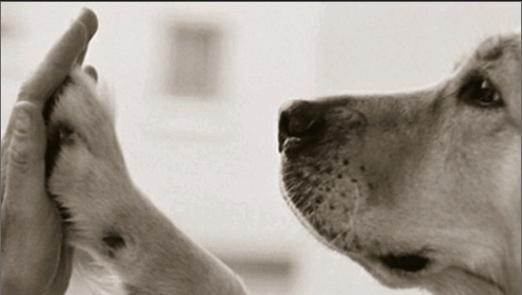
No. Because animals arent people. And pets arent children.
Pointing out basic biological realities shouldnt trigger outrage or offense, but when it comes to pets today, it often does.
There seems to be confusion about the difference between pets and children and an increasingly large group of people who genuinely believe that having a pet is the same thing as being a parent. They adopt the language of parenthood with their pets, calling themselves “mommy” or “daddy” when talking to their “fur kid7,” “baby,” “or “child,” for example.
Of course, its one thing to use such language lightly, as an innocent expression of love or a reflection of the great joy and deep bonds that pets, like children, can create.
Its quite another to use this language literally8.
Words matter. Using inaccurate labels for things doesnt just blur the very real lines between pets and people; it can lead to dangerous delusions9. What if a woman starts thinking she knows what a mom of two kids is going through because shes a “mom” to two cats? What if a man believes having a baby wont be much different than being a “dad” to a dog? Misnaming isnt just silly linguistics if it triggers a retreat from reality.
Every pet has or had its own parent—another cat or dog that would have fed, nurtured, and raised its offspring, teaching it to survive as a wild creature in the animal kingdom.
When people adopt pets, we tame whats wild, teaching it how to survive in the human realm—how to pee in the right place and not drink from the toilet. We dont parent animals, we humanize them.
Its the irony at the heart of pet-people relationships: often, our love for animals stems from their differences from us, yet once we have them, we treat them like theyre people. Sometimes, this spirals out of control, leading to creepy industries like pet cosmetic surgery.10 But we cant call our role with pets “parenting” when we do the opposite of what a pets parent would do.
Nonetheless, “pet parents” point out that they do everything real parents do—feed, bathe, cuddle11, clean up, care for, and love. Indeed, all these actions constitute part of the rituals and routines of true parenthood. But only in part, and with far lower stakes12.
One does not, and cannot, teach character and morality to cats and dogs, yet thats the most important job of a parent. Having a child means preparing another mind and soul for adulthood and independence. Having a pet means keeping an animal obedient and dependent so it never leaves the way a child will.
Pets and children serve different roles, occupying different places in the lives of humans. Ignoring or actively denying these fundamental differences benefits neither creatures nor people.
Calling a pet a child, or yourself its parent, ultimately reflects a misunderstanding of what animals are and what parenting is. We can call pets“pets” without loving them any less. We need not conflate13 animals and people in order to love either. After all, we might think forcing horses into human high chairs shows the horse and the world how much we love it, but in the world of horses (and of any animal), it only shows how much we dont.
你可能錯過了上周的視頻,在視頻中一匹迷你馬在高腳椅上吃一碗胡蘿卜。是的,你沒看錯,就是高腳椅。
有些人對此感到震驚,有些人以此為樂,還有些人根本不敢相信居然有人會讓一匹馬坐在高腳椅上。
但也許用不著那么大驚小怪的,雖然可能看起來很荒謬,但這也許是人們越來越將動物視作自己同類和將寵物視作孩子(即坐在高腳椅上吃飯的幼兒)的必然結果。
有這種態度的人隨處可見,程度從天真單純到接近瘋狂。一些人為萬圣節的到來特意打扮自己的寵物,在家為它們舉辦生日聚會,或者為它們創建社交賬號。現在還有五星級貓咪度假村,提供水療、美食甚至四柱床。瑜伽館目前開始提供“狗瑜伽”課程來教導狗狗下犬式。高檔時髦的精品店售賣設計師專為寵物制作的內褲和比基尼。如果您的寵物需要做個美容拉皮的話,醫生將對其進行整容手術。
任何一種這類現象是否值得引起關注呢?當人們把寵物當孩子養的時候,我們是否應該僅僅微笑著默許?我們又是否應該對臉書上那些“動物也是人”的頁面和“我的寶寶有四個爪”等汽車保險杠貼紙視而不見呢?
不能。因為動物不是人,且寵物也不是孩子。
如果只是從基本的生物學層面上指出這個事實,應該不會引起憤怒或者攻擊,但現在要涉及寵物,這就難免了。
寵物和孩子這兩者之間的區別似乎出現了混淆,那些真心相信養寵物和做父母是一回事的人開始越來越多。他們在與自己的寵物說話的時候,會采用父母的口吻。比如,當他們和自己的“毛孩子”、“寶貝”或“孩子”交流的時候,會稱自己是“媽咪”或“爹地”。
當然,一方面來說,少量地使用這種稱呼也無傷大雅,只作為單純的愛的表達,反映出寵物能夠像孩子一樣帶給人巨大快樂,并能與人維系很深的情感。
但如果僅照字面意思使用,那就另當別論了。
用詞極為重要。貼上不正確的標簽不僅僅會模糊了人與動物之間的真實界線,還可能導致危險的錯覺。試想如果一個女人僅僅因為自己是兩只貓的“媽媽”,便認為可以做好兩個孩子的母親呢?如果一個男人認為養一個孩子和當一條狗的“爸爸”沒什么區別呢?如果稱謂不當會使人們脫離現實,這就不僅僅是一個愚蠢的語言學問題了。
每只寵物都有或曾經有自己的父母——另一只貓或狗,它們會喂養、撫育自己的后代,教導它如何在動物界中作為野生動物去生存。
而當人類開始養寵物時,便開始馴服它們,教它們如何在人類社會中生存:在正確的地方撒尿以及不去喝馬桶水。我們所做的并不是成為他們的父母,而是教化他們。
寵物與人類關系的核心是諷刺的:通常,我們對動物的愛源于它們與我們自身的差異性,可一旦養了寵物,我們卻像對人一樣對待它們。有時,這種現象離譜得失去控制,以致出現類似于寵物整形這樣令人毛骨悚然的行業。我們不能在做了與寵物真正的父母截然相反的事之后,還自稱是“寵物的父母”。
盡管如此,“寵物父母”指出,他們所做的一切都與其真正的父母并無二致:喂養、洗澡、擁抱、清理、照顧和寵愛(它們)。沒錯,所有這些行為都是真正的父母日常所做的一部分,但這只占一部分,而且風險要小得多。
人不會,也不能教給貓和狗以人格和道德,但這卻是作為父母最重要的工作。養孩子意味著要為他們以后的成年和獨立培養出合格的頭腦和心靈。養寵物意味著讓動物保持順從和依賴,這樣它才永遠不會像孩子一樣離家遠走。
寵物和孩子在人們的生活中扮演著不同的角色,占據著不同的地位。無視或者強烈否認兩者間的基本差別,對寵物和人都沒有好處。
把寵物當孩子,或者把自己當作它的父母,最終反映了這些人對動物和父母角色的錯誤理解。把寵物稱為“寵物”,我們對它們的愛也不會減少半分。我們也不必為了愛就去混淆動物和人的界限。畢竟,我們很可能會認為讓一匹馬坐在人類的高腳椅上是為了讓它和全世界都知道我們有多愛它,但從馬(或者其他動物)的角度來看,我們恰恰傳達了一個相反的事實——我們有多不愛它。
1. high chair: 小孩子吃飯坐的高腳椅。
2. toddler: 學步的小孩。
3. throw a party: (尤指在自己家里)舉行聚會。
4. four-poster bed: (老式可帶拉簾的)四根帷柱的床。
5. doga: 狗瑜伽,是主人與寵物狗一起參加的瑜伽課,旨在通過一定的姿勢和按摩方式來改善狗的各項機能,加強狗與主人的關系。
6. shrug off: 對……不予理睬,對……不屑一顧;bumper sticker: 保險杠貼紙。
7. fur kid: 被主人當孩子對待的寵物。
8. literally: 照字面義地。
9. delusion: 妄想,錯覺。
10. spiral: 不斷惡化;creepy: 可怕的。
11. cuddle: 擁抱,依偎。
12. stake: 利害關系。
13. conflate: 混合,混淆。
猜你喜歡
哈哈畫報(2022年4期)2022-04-19 11:11:50
大科技·百科新說(2021年6期)2021-09-12 02:37:27
英語文摘(2021年2期)2021-07-22 07:56:54
小哥白尼(神奇星球)(2020年8期)2021-01-18 05:13:32
小哥白尼(神奇星球)(2020年8期)2021-01-18 05:13:26
小哥白尼(神奇星球)(2020年7期)2021-01-18 05:07:18
好孩子畫報(2020年5期)2020-06-27 14:08:05
小學科學(學生版)(2020年2期)2020-03-03 13:40:16
作文成功之路·小學版(2019年5期)2019-08-23 08:13:18
意林·全彩Color(2019年6期)2019-07-24 08:13:50