腦電雙頻指數用于監測顱腦手術病人鎮靜深度的可行性:與非顱腦手術的比較
2017-06-24 11:38:44張海靜菅敏鈺張利勇景龍年彭宇明韓如泉
首都醫科大學學報 2017年3期
張海靜 菅敏鈺 張利勇 景龍年 彭宇明 韓如泉
(首都醫科大學附屬北京天壇醫院麻醉科,北京 100050)
· 臨床研究 ·
腦電雙頻指數用于監測顱腦手術病人鎮靜深度的可行性:與非顱腦手術的比較
張海靜 菅敏鈺 張利勇 景龍年 彭宇明 韓如泉*
(首都醫科大學附屬北京天壇醫院麻醉科,北京 100050)
目的 比較腦電雙頻指數(bispectral index,BIS)用于顱腦和非顱腦手術病人監測麻醉深度的差異,探討BIS監測顱腦手術病人鎮靜深度的可行性。方法 擇期全身麻醉下行幕上入路顱內腫瘤切除術病人25例,美國麻醉醫師協會(American Society of Anesthesiologists,ASA)Ⅰ-Ⅲ級,椎管內腫瘤切除術病人25例作為對照。入室后按標準電極貼敷方法連接右側額部BIS監測。采取相同血漿濃度丙泊酚靶控輸注,記錄誘導前、切皮、去骨瓣、剪硬膜、切瘤、止血、睜眼時BIS值,比較兩組BIS值差異是否存在統計學意義。結果 兩組病人人口學指標差異無統計學意義。相同血漿濃度下,血壓、心率差異無統計學意義,顱內腫瘤組和椎管腫瘤組BIS值結果:誘導前(93.0±4.2vs92.8±4.1)、切皮后(39.3±7.3vs38.6±6.7)、去骨瓣(39.0±7.2vs39.1±6.1)、剪硬膜后(37.4±7.1vs39.7±7.4)、切瘤(38.8±8.2vs39.9±5.5)、止血(39.9±11.0vs41.5±5.2)、睜眼后(81.2±5.8vs80.8±4.6),兩組差異均無統計學意義(P<0.05),相同丙泊酚血漿濃度下,顱腦和非顱腦手術病人BIS監測鎮靜深度結果差異無統計學意義。結論 BIS監測可以有效地應用于全身麻醉下顱內腫瘤病人手術中鎮靜深度監測。
腦電雙頻指數;神經外科麻醉;腦電圖
腦電雙頻指數(bispectral index,BIS)已經成為判斷全身麻醉下麻醉鎮靜深度的金標準。BIS來源于原始腦電,經過功率譜分析、雙譜分析、近暴發抑制及抑制分析去尋求腦電在麻醉鎮靜中的特征,最終產生BIS[1]。目前,丙泊酚誘導下顱內腫瘤對BIS的影響存在爭議[2-3],另外,在創傷性腦損傷,腦電會發生變化[4-5]。因而筆者假設顱腦手術在去骨瓣、剪硬膜后以及切除腫瘤中,顱內壓、腦血流變化以及腦實質發生塌陷移位,此時BIS監測儀位于前額的腦電電極獲取的原始腦電已發生變化,進而腦電參數發生變化,最終影響BIS。通過比較同等麻醉藥物濃度下顱腦和非顱腦腫瘤切除術中BIS值的差異,探討BIS用于顱內腫瘤病人監測鎮靜深度的準確性。
1 資料與方法
1.1 一般資料
研究選擇擇期全身麻醉下行幕上入路顱內腫瘤切除術病人25例,按年齡、性別、體質量指數、美國麻醉醫師協會(American Society of Anesthesiologists,ASA)分級匹配選擇行椎管內腫瘤切除術病人25例,年齡18~60歲,ASAⅠ~Ⅲ級。排除既往中樞神經系統疾病、抑郁、癲癇、腦血管疾病、顱腦手術史者;排除心、肝、腎功能障礙及術中功能監測不能應用肌肉松弛藥者。本研究獲首都醫科大學附屬北京天壇醫院倫理委員會批準。
1.2 麻醉方法
病人入室后,常規記錄無創血壓、心電圖、血氧飽和度、呼氣末二氧化碳濃度、體溫、四個成串刺激(train of four,TOF)肌松監測。麻醉誘導前用乙醇擦拭皮膚,待乙醇揮發后,將BIS監測儀電極片(BIS-TM Quatro Sensors, Aspect Medical Systems USA 186-0106)置于病人右側前額部。舒芬太尼0.3~0.5 μg/kg、靶控輸注丙泊酚,血漿藥物濃度初始4 μg/mL(marsh模型),順阿曲庫銨0.2 mg/kg,氣管插管后機械通氣, 麻醉維持丙泊酚血漿藥物濃度3 μg/mL, 順阿曲庫銨0.06 mg·kg-1·h-1, 瑞芬太尼0.15~0.2 μg·kg-1·min-1, 維持血流動力學穩定,維持PETC0235~45 mmHg(1 mmHg=0.133 kPa)、T4/T1<25%(TOF),術前及切除腫瘤中行動脈血氣分析。BIS監測儀維持電極阻抗 <5 000 Ω,Bislog時間窗為1 min(包括MAX、MIN、MEAN、SQI、EMG),陣發性肌電活動增高歸為假數據,相應的BIS值不納入數據分析。
1.3 觀察指標
由監測儀拷貝BIS數據,取誘導前(T1)、切皮(T2)、去骨瓣(T3)、剪硬膜(T4)、切瘤(T5)、止血(T6)、睜眼(T7)7個時間點5 min的BIS值的均值作為各時間點的BIS數值。各個時間點的循環數據由監護儀拷貝。
1.4 統計學方法
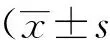
2 結果
2.1 兩組病人一般資料比較
顱內腫瘤切除術組和推管內腫瘤切除術組病人性別組成、年齡、體質量、身高差異均無統計學意義,詳見表1。

表1 兩組病人基本特征Tab.1 Characteristics of the patients at )
2.2 兩組病人術中血壓、心率變化情況比較
相同血漿濃度下,2組病人相同時間點平均動脈壓(mean arterial pressure, MAP)、心率(heart rate, HR)差異無統計學意義(P>0.05),詳見表2。
2.3 顱內腫瘤和非顱內腫瘤病人BIS比較
兩組病人各個時間點的BIS值差異無統計學意義,詳見表3。

表2 兩組病人術中血壓心率變化情況Tab.2 Comparative changes in intraoperative hemodynamic values between two )
△1 mmHg=0.133 kPa; T1:before induction of anesthesia; T2:after incision; T3:craniotomy; T4:dura opening; T5:during tumor resection; T6:hemostasis; T7:spontaneous eye opening; MAP:mean arterial pressure; HR:heart rate.

表3 顱內腫瘤和非顱內腫瘤病人BIS比較Tab.3 Comparison of BIS between two groups ,n=25)
BIS:bispectral index; T1:before induction of anesthesia; T2:after incision; T3:craniotomy; T4:dura opening; T5:during tumor resection; T6:hemostasis; T7:spontaneous eye opening.
3 討論
BIS在1996年被美國食品和藥物管理局(Food and Drug Administration, FDA)批準作為唯一用于檢測麻醉效果的手段,廣泛應用于意識狀態評價,成為判斷全身麻醉下麻醉鎮靜深度的金標準。BIS來自于原始腦電圖(electroencephalogram, EEG)信號,濾除干擾(心電、起搏器脈沖、眼動等),監測時域信號漂移情況,檢測突發抑制時域參數(“QUAZI”“BSR”),經過功率譜分析、雙譜分析、接近突發抑制及抑制分析去尋求腦電在麻醉鎮靜中的特征,最終產生BIS[1]。
BIS與許多麻醉藥物濃度良好相關。Ibrahim等[6]比較了BIS監測丙泊酚、七氟烷和咪達唑侖鎮靜深度,認為BIS與丙泊酚相關性最好。大腦皮質與基底神經節之間,是由運動神經回路和聯合回路連接的,而將尾部與聯合區域的輸入與基底神經節的輸出連接起來的聯合回路在大腦皮質前額葉區域表現的尤為突出[7],因而將電極置于額部,BIS值相對平穩,不易受到干擾。但在開顱術中隨著骨瓣去除、剪硬膜后顱內壓、腦血流隨之變化以及腫瘤切除術中腦實質的塌陷,原始腦電可能發生變化或者遠離腦實質的BIS電極截取的腦電信號已發生改變,最終都可能使BIS值與鎮靜深度一致性產生差異,即顱腦術中BIS監測的準確性存疑。本研究結果顯示相同丙泊酚血漿濃度,清醒時、麻醉手術中以及蘇醒后各時間點,顱腦和非顱腦手術病人術中BIS值差異無統計學意義,腦電雙頻指數可應用于顱腦手術病人,有效的判斷鎮靜深度。Sahinovic等[3]在丙泊酚誘導下比較額葉腫瘤和非顱腦腫瘤病人BIS值,在意識消失和恢復時,兩者BIS值無差異,與本研究結果一致。
術中肌松藥、阿片類藥等相關藥物的應用可能是影響結果的因素。Greif等[8]應用TOF研究不同肌松水平與BIS值的關系,結果顯示BIS值不受肌松水平或肌電活動的影響。 肌松藥對BIS值的影響與鎮靜深度有關,在無傷害性刺激時,肌電活動對BIS影響主要發生在清醒期和較淺的鎮靜狀態時,隨著鎮靜深度的增加其影響逐漸減弱[9-10]。當病人處于深度鎮靜時,肌肉的緊張度已降低,對維持大腦興奮狀態的作用很小,同時頭面部肌肉的自主活動也減弱,此時使用肌松藥對肌電活動的影響有限,BIS則不再出現明顯變化[11]。本研究術中麻醉穩定期(切皮至縫硬膜前)肌肉松弛藥物對BIS無明顯影響,而縫硬膜時停止使用肌松藥,手術結束所需時間不同,兩組病人蘇醒期肌松藥物的代謝程度可能不同,即睜眼時顱內腫瘤組和非顱內腫瘤組肌電活動性可能不同。
相關研究[12-13]表明阿片類藥物對術中BIS值無影響。在丙泊酚持續靜脈靶控輸注時,阿片類受體激動劑能減少傷害性刺激引起的BIS值增加[14-15]。阿片類藥物在鎮痛濃度時,僅有極小的鎮靜或遺忘作用,大腦皮質沒有或者僅微小的腦電改變,即阿片類藥物抑制傷害性刺激條件下,對BIS無明顯影響。
顱腦手術和椎管內腫瘤切除術,兩者的手術時間、藥物使用總劑量、刺激強度以及手術儀器的應用等存在差異,可能影響研究結果。
總之,相同丙泊酚血漿濃度下,顱腦和非顱腦手術病人鎮靜深度(BIS值)無差異,即BIS監測可以有效地應用于顱內腫瘤病人丙泊酚鎮靜深度監測。
[1] 樂建威,莫國民,林敏. 麻醉鎮靜深度的腦電雙譜指數監護技術[J].中國醫療器械雜志,2005,29(5): 321-324.
[2] Ferreira D A, Nunes C S, Lobo F, et al. Brain tumors may alter the relationship between bispectral index values and propofol concentrations during induction of anesthesia[J]. J Clin Anesth, 2008, 20(2): 116-121.
[3] Sahinovic M M, Beese U, Heeremans E H, et al. Bispectral index values and propofol concentrations at loss and return of consciousness in patients with frontal brain tumours and control patients[J]. Br J Anaesth, 2014, 112(1): 110-117.
[4] Schmitt S, Dichter M A. Electrophysiologic recordings in traumatic brain injury[J]. Handb Clin Neurol, 2015, 127: 319-339.
[5] Hartings J A, Wilson J A, Hinzman J M, et al. Spreading depression in continuous electroencephalography of brain trauma[J]. Ann Neurol, 2014, 76(5): 681-694.
[6] Ibrahim A E, Taraday J K, Kharasch E D. Bispectral index monitoring during sedation with sevoflurane, midazolam, and propofol[J]. Anesthesiology, 2001,95(5): 1151-1159.
[7] 張連毅,鄭崇勛. 基于α波自相關特性的麻醉深度監測[J]. 航天醫學與醫學工程, 2007, 20(4): 289-293.
[8] Greif R, Greenwald S, Schweitzer E, et al. Muscle relaxation does not alter hypnotic level during propofol anesthesia[J]. Anesth Analg, 2002, 94(3): 604-608. table of contents.
[9] Schuller P J, Newell S, Strickland P A, et al. Response of bispectral index to neuromuscular block in awake volunteers[J]. Br J Anaesth, 2015, 115 Suppl 1: i95-i103.
[10]Yue H, Han J, Liu L, et al. Effect of rocuronium on the bispectral index under anesthesia and tracheal intubation[J]. Exp Ther Med, 2016, 12(6): 3785-3789.
[11]沈亮言,謝言虎,方才.肌松藥對腦電雙頻指數監測麻醉深度的影響[J]. 國際麻醉學與復蘇雜志, 2010, 31(4): 372-374.
[12]Nakayama M, Ichinose H,Yamamoto S, et al. The effect of fentanyl on hemodynamic and bispectral index changes during anesthesia induction with propofol[J]. J Clin Anesth, 2002,14(2): 146-149.
[13]Yufune S, Takamatsu I, Masui K, et al. Effect of remifentanil on plasma propofol concentration and bispectral index during propofol anaesthesia[J]. Br J Anaesth, 2011,106(2): 208-214.
[14]Brocas E, Dupont H, Paugam-Burtz C, et al. Bispectral index variations during tracheal suction in mechanically ventilated critically ill patients: effect of an alfentanil bolus[J]. Intensive Care Med, 2002, 28(2): 211-213.
[15]Yoo K Y, Jeong C W, Park B Y, et al. Effects of remifentanil on cardiovascular and bispectral index responses to endotracheal intubation in severe pre-eclamptic patients undergoing caesarean delivery under general anaesthesia[J]. Br J Anaesth, 2009, 102(6): 812-819.
編輯 陳瑞芳
The feasibility of bispectral index for monitoring the depth of anesthesia in patients undergoing craniotomy: comparison of non-intracranial tumor surgery
Zhang Haijing, Jian Minyu,Zhang Liyong, Jing Longnian, Peng Yuming, Han Ruquan*
(DepartmentofAnesthesiology,BeijingTiantanHospital,CapitalMedicalUniversity,Beijing100050,China)
Objective To compare the difference of bispectral index (BIS) between intracranial tumor and non-intracranial tumor patients under general anesthesia with the same target-controlled infusion (TCI) propofol and to investigate the feasibility of BIS to monitor the sedation level of intracranial tumor patients under general anesthesia.Methods Twenty-five patients scheduled for elective intracranial tumor resection by under general anesthesia were enrolled in the study, ASA I-Ⅲ. And 25 subjects with spinal tumors were included as controls. We placed BIS sensor on the frontal area. The patients were anesthetized with the same TCI propofol and BIS values were collected before the induction of anesthesia, after incision, craniectomy, dura opening,during tumor resection,hemostasis,spontaneous eye opening. We compared the difference of BIS between intracranial tumor and non-intracranial tumor group. Results At the same Cp,BIS values were not statistically different between intracranial tumor group and non-intracranial tumor group:before induction of anesthesia(93.0±4.2vs92.8±4.1);after incision(39.3±7.28vs38.6±6.7); craniotomy (39.0±7.2vs39.1±6.1); dura opening(37.4±7.1vs39.7±7.4); during tumor resection (38.8±8.2vs39.9±5.5); hemostasis(39.9±11.0vs41.5±5.2); spontaneous eye opening(81.2±5.8vs80.8±4.6). Conclusion The BIS values can accurately reflect the actual level of consciousness of intracranial tumor patients under general anesthesia with TCI propofol.
bispectral index;neurosurgical anesthesia; electroencephalography
北京市醫院管理局“揚帆計劃”重點醫學方向(ZYLX201708), 首都衛生發展科研專項重點攻關項目(2016-1-20410)。This study was supported by Clinical Medicine Development of Special Funding Support from Beijing Municipal Administration of Hospitals(ZYLX201708), Capital Development Research Found Project(2016-1-20410).
時間:2017-06-09 17∶25 網絡出版地址:http://kns.cnki.net/kcms/detail/11.3662.r.20170609.1725.004.html
10.3969/j.issn.1006-7795.2017.03.024]
R614
2017-01-24)
*Corresponding author, E-mail:ruquan.han@gmail.com
猜你喜歡
音樂探索(2022年2期)2022-05-30 21:01:37
中學生數理化·七年級數學人教版(2020年11期)2020-12-14 06:59:52
河北畫報(2020年10期)2020-11-26 07:20:50
小天使·一年級語數英綜合(2019年8期)2019-08-27 02:23:00
藝術品鑒證.中國藝術金融(2018年8期)2019-01-14 01:14:28
藝術品鑒證.中國藝術金融(2018年10期)2019-01-08 02:44:26
藝術品鑒證.中國藝術金融(2018年12期)2018-08-26 06:03:48
小學科學(學生版)(2018年7期)2018-08-13 09:33:04
中國衛生標準管理(2015年3期)2016-01-14 03:41:47
鄭州大學學報(醫學版)(2015年2期)2015-02-27 14:50:46