
訪絲綢古鎮 織合作愿景
——中國—東盟紡織服裝發展研討會暨東盟旅游購物節側記
2017-05-08 09:21:27林芊芊
中國-東盟博覽(政經版) 2017年5期
關鍵詞:旅游
□ 文/本刊實習記者 林芊芊
訪絲綢古鎮 織合作愿景
——中國—東盟紡織服裝發展研討會暨東盟旅游購物節側記
□ 文/本刊實習記者 林芊芊
四月春風輕拂面,絲綢古鎮迎客來。4月26~27日,中國—東盟紡織服裝發展研討會暨東盟旅游購物節(以下簡稱“紡織節”)在蘇州盛澤東方紡織城舉行。來自文萊、柬埔寨、印尼、老撾、馬來西亞、菲律賓、泰國、越南等8個東盟國家100多位紡織服裝行業大咖和采購商參加本次活動。
這些遠道而來的朋友,在本次紡織節上共話中國—東盟服裝行業的發展與趨勢。通過產品推介+供需交流的互動,紡織節將為東盟客商提供實地參觀、自由采購、一對一洽談的機會;為盛澤本地市場的供貨商提供產品“走出去”的契機。
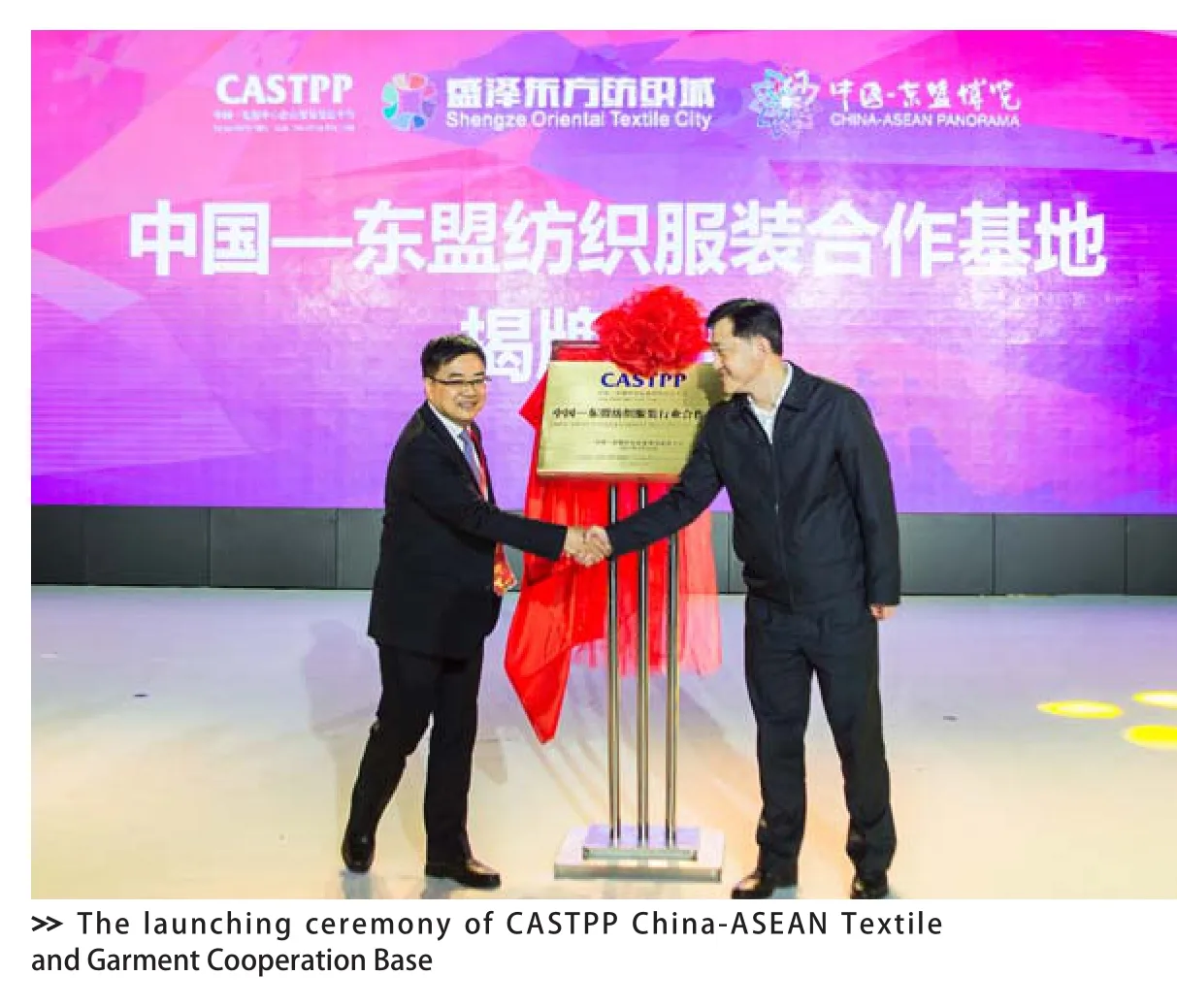
本次活動期間,中青旅絲綢文化旅游合作基地、C ASTPP中國—東盟紡織服裝合作基地揭牌成立。此次活動由中國—東盟中小企業貿易促進平臺(CASTPP)等單位主辦,《中國—東盟博覽》雜志社、盛澤東方紡織城承辦,旨在搭建平臺,促進中國—東盟紡織服裝產業發展,帶動中國—東盟紡織服裝產業的國際合作與交流。
盛會:供需對接,創造更大價值
在4月26日上午舉行的紡織節開幕式上,中國駐泰國前大使管木就中國—東盟友好合作進行了發言。
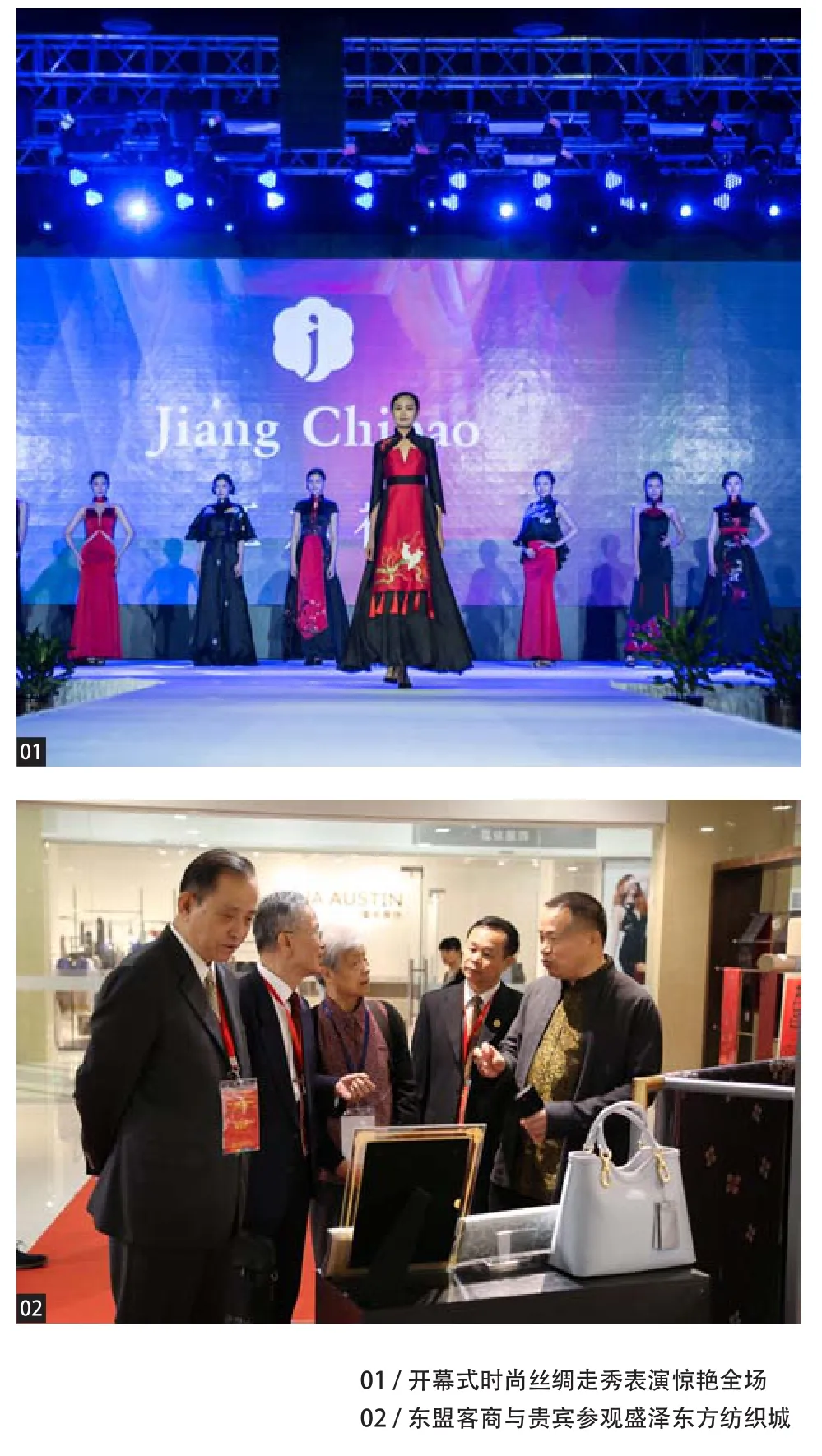
東盟采購商代表、馬來西亞拿督黃漢良也在發言中表達了各國紡織服裝同業為探索新出路而進行優勢互補,建立利益共同體,擁抱“一帶一路”的合作意愿。開幕式上還進行了盛澤東方紡織城—同程旅游戰略合作簽約儀式、旅游大巴首發儀式、旅游購物節啟動儀式,以及時尚絲綢服裝走秀。同時,中青旅絲綢文化旅游合作基地、CASTPP中國—東盟紡織服裝合作基地正式揭牌成立。來自東盟各國的嘉賓代表和采購商、下游市場采購商、盛澤紡織業商家代表、旅游首發團游客、活動主辦方相關負責人等出席了開幕式。
26日下午,中國—東盟紡織服裝發展研討會暨面料采購對接會召開。來自東盟各國紡織服裝業的商會協會代表及采購商在聽取了盛澤紡織產業發展情況介紹后,紛紛發表演講,闡述各自國家紡織服裝業的市場現狀和格局需求,并就東盟國家的紡織服裝業發展前景、優勢互補等問題進行研討。會上活動主辦方還推介了盛澤紡織業特色產品,為東盟客人提供與商家面對面貿洽供需的機會。

4月27日,東盟各國嘉賓代表和采購商一行前往盛澤鎮大型紡企工廠盛虹集團、福華織造實地考察。當天下午舉行的意向采購協議簽訂儀式上,9位東盟客商作為代表,與盛澤東方紡織城的優質商家完成了集體簽約。在兩天的貿洽活動中,已經有數十家企業在盛澤東方紡織城達成采購意向。
據悉,此次活動依托盛澤作為紡織面料產地市場的優勢,以及CASTPP、《中國—東盟博覽》雜志社搭建國際化合作平臺的資源與經驗,采用“專業市場+展會活動+互聯網”三位一體的運營模式推介產品。CASTPP中國—東盟紡織服裝合作基地不僅有眾多的面料供應商,還掌握諸多優質的渠道資源及設計人才資源,可以把渠道價值發揮放大,利用市場及相關平臺打通產業鏈上下游,縮減絲綢紡織交易環節與成本,實現品牌廠商與采購商的現貨交易。
研討:中國—東盟紡織服裝發展的優勢互補
東盟國家的紡織服裝業進出口情況如何?前景是否樂觀?其行業生產供求是否能與中國的紡織業產地型市場優勢形成互補?此次研討會上,東盟各國紡織服裝行業的商會協會代表們講述了各自國家紡織行業情況和市場需求。
據與會代表們介紹,如今中國和東盟的紡織服裝企業面臨的共同問題,主要是世界經濟不穩定,市場疲弱,需求減少。大環境上看:美國總統特朗普反對TPP;歐盟處理難民問題及英國脫歐造成的不確定影響,這些因素都會重創紡織服裝行業。且大部分東盟國家依靠美國和歐盟的固打制出口成衣服裝,從而享受美國的(GSP)普通化優惠關稅制度,如今這些優惠稅也可能面臨考驗。
具體到東盟各國而言:面料和輔料大量依賴進口,中小型企業為主,欠缺資金、生產成本高但技術落后、高素質勞工人力不足成為通病。例如泰國近年來因工資成本提高造成本國紡織服裝企業不斷減少;2016年上半年印尼成衣出口盡管較2015年同期有所增長,但電費成本占成衣產品成本3%,生產紡織品所需電費成本占整個產品之23%……這導致許多東盟國家仍無法有效參與全球紡品價值生產鏈。
與會的東盟采購商代表、中國—東盟經貿產業聯盟主席黃漢良發言分析道:“面對勞動成本提高,市場微縮,貿易保護主義抬頭等不利因素,各國紡織服裝同業只有優勢互補,建立利益共同體,擁抱‘一帶一路’才有出路。”黃漢良表示,東盟已經成為中國紡織品服裝出口第三大市場,僅次于歐盟和美國。近期東盟紡織企業總會(AFTEX) 主導起草的相關文件中也有提及,東盟有意成為世界紡織服裝產業中心,擬通過優勢互補,謀共贏格局,以期與中國、印度配合。
那么,中國—東盟紡織服裝企業合作的空間在哪里?此次展會以產地型市場的優勢把東盟客商“請進來”,中國紡服企業“走出去”是否也能同步?
越南服裝紡織協會(VITAS)會長武德江在發言中展望了越南紡織服裝業與中國企業合作的計劃,擬落點生產技術與科研。合作或涉及紡織服裝業人力資源、設計師、檢測與品控等方面。中國企業可以帶著自身先進的技術和人才“走出去”,尋求交流與合作。
柬埔寨中國商會紡織企業協會會長何恩佳稱,柬埔寨擬建立面輔料生產基地,以經濟特區的模式設立“行業集中的紡織、印染產業園區”,集中污水處理、供熱、供電,減少投資成本,降低運行成本,且免稅期長達9年,為上游供應商投資該國紡織服裝業創造機遇。園區也期待與中國企業開展合作。
在新的產業分工格局中,中國—東盟紡織服裝企業“請進來+走出去”的優勢互補正在促成同步發展。作為本次活動的主辦方代表,中國—東盟中小企業貿易促進平臺(CASTPP)秘書長王雄昌表示,CASTPP將致力于促進中國—東盟中小企業對話與合作,做好紡織業國際貿易政策相關服務,雙向引薦優勢產品,為雙方帶來更多機遇。
·聯系編輯:253343066@qq.com
The China-ASEAN Textile and Garment Development Seminar & ASEAN Tourism Trade Fair, in Shengze, Suzhou on April 26-27, 2017, gathered more than 100 textile industrial leaders and purchasers from eight ASEAN countries including Brunei, Vietnam, Malaysia, Laos, Thailand, the Philippines, Cambodia and Indonesia.
During the event, participants launched discussion on the development and tendency of garment industry in both China and ASEAN countries; by virtue of product promotion conference and supply and demand match-up negotiation, ASEAN purchasers were provided opportunities to pay field visit to local competitive textile and weaving companies and to look for their desired ones; meanwhile, the local suppliers from Shengze could also obtain opportunities to do business with ASEAN purchasers.
This event was jointly held by CASTPP, China-ASEAN Panorama Magazine Agency and Shengze Oriental Textile City, aiming to build a platform for textile and garment industrial development in both China and ASEAN and to spur the relevant cooperation and exchanges between the two sides.
Grand gathering: Effective supply and demand match-up
At the opening ceremony on April 26, 2017, former Chinese Ambassador to Thailand Guan Mu made a speech on the China-ASEAN friendly cooperation. Dato’ Bong Hon Liong, former president of Malaysia-China Chamber of Commerce, indicated that textile industries from different countries should draw each other’s strengths to explore the new paths for industrial development and build a community of common interests in line with the Belt and Road Initiative. At the opening ceremony, there were activities like the signing ceremony between Shengze Oriental Textile City and LY.com tourism strategic cooperation, the launching ceremony of tourist bus and the tourism trade fair and silk garment fashion show. Besides, CYTS Silk Culture and Tourism Cooperation Base and CASTPP China-ASEAN Textile and Garment Cooperation Base were launched, which was witnessed by participants including the ASEAN delegates, purchasers, fabrics suppliers from Oriental Textile City and relevant sponsors.
The China-ASEAN Textile and Garment Development Seminar and fabrics purchase meeting were held in the afternoon on April 26, 2017. After hearing the introduction about the Shengze Oriental Textile City, representatives from ASEAN textile and garment industries introduced the status quo and pattern demand of textile industries in their own countries and discussed the prospects and complementary advantages in ASEAN textile industry. In addition, sponsors also introduced the featured textile products made in Shengze and provided purchasers and suppliers with opportunities to negotiate face to face.
On April 27, 2017, ASEAN delegates were arranged to pay field visits to Shenghong Group and Fuhua Shijia (a weaving company in Shengze). At the signing ceremony for MOU on ASEAN Tourism Trade Fair, nine ASEAN delegates signed MOUs with a part of suppliers from Oriental Textile City and have reached purchase agreements with over ten businesses in the Oriental Textile City.
In Shengze, a textile fabrics production market, dependingon the co-sponsors’ (CASTPP and China-ASEAN Panorama Magazine Agency) resources and successful practice of building international cooperation platform, this event advocated the product promotion mode of “professional market + exhibition + Internet”. CASTPP China-ASEAN Textile and Garment Textile Cooperation Base has resourceful fabrics suppliers, channels and designers, which can integrate the upper and lower ends of industrial chain, simplify the silk and textile trade procedure and cut down cost to boost the spot trading between manufacturers and purchasers.
Discussion: Complementary advantages for China-ASEAN textile and garment development
How is the import and export for textile and garment in ASEAN countries going? How about the prospect? And are there any complementary advantages for China and ASEAN textile industry to draw on? To answer these questions, this seminar focused on the textile industries and market demands in ASEAN countries.
According to representatives’ introduction at the meeting, the major problems faced by both China and ASEAN textile and garment companies are the worldwide economic instability, the sluggish market and decreasing demand. In terms of worldwide environment, U.S. President Trump’s opposition to the TPP, the refugee problem in EU, and Brexit has caused a series of uncertain impacts. All these factors may greatly impede the textile and garment industrial development because traditionally most of the ASEAN countries have long been exporting garments based on the EU and American Quotas System and enjoying the GSP; now these preferential policies might be challenged as well.
Most ASEAN countries import fabrics and accessories from other countries. Their textile companies are mostly small and medium-sized and these companies often have diffculty in lack of capital, high production cost, backward technology, and lack of and highquality labor. For example, in Thailand, the number of textile and garment companies has been decreasing for recent years due to the increase of wage cost; in Indonesia, the electricity cost accounted for 3 percent of the product cost, and the electricity cost for manufacturing accounted for 23 percent of the total product cost though the garment export value was up in the first half of 2016 compared with the same period in 2015; in Laos, the garment export volume in 2016 exceeded 37 million, worthy of US$ 160 million, registering a year-on-year decrease of 5 percent; in Vietnam, the import volume of raw materials for textile hit 70% in 2016… All this has stopped most ASEAN countries from being part of global textile production value chain.
Dato’ Bong Hon Liong, former president of Malaysia-China Chamber of Commerce indicated that, in the face of negative factors like increasing labor cost, shrinking market and rising trade protectionism, textile industries from different countries should draw on each other’s strengths to explore the new paths for industrial development and build a community of common interests in line with the Belt and Road Initiative. As he said, ASEAN has been China’s third largest export destination, only second to EU and USA. According to relevant document released by AFTEX recently, ASEAN expects to grow into the textile and garment manufacturing center in the world by drawing on strengths from China and India. Then where should China-ASEAN textile and garment cooperation go? As this seminar aims to introduce ASEAN purchasers in the fabric production-based market — Shengze, can Chinese textile companies go global to explore ASEAN market in the same time?
Mr. Vu Duc Giang, Chairman of Vietnam Textile & Apparel Association (VITAS) expressed the vision plan for cooperation between Vietnamese and Chinese textile and garment companies, involving cooperation in manufacturing technology and research, textile human resources, designers, inspection and quality control. He suggested that Chinese companies can seek for exchanges and cooperation in ASEAN by providing their technology and professional personnel.
Mr. He Enjia, Chairman of Textile Enterprise Association of Chinese Chamber of Commerce in Cambodia, said that there should be a fabrics manufacturing base in Cambodia. He suggested building an industrial park with textile, printing, dyeing, sewage treatment and heat and power supply, and practicing zero tariffs for nine years, in order to attract foreign investment lower investment cost and operating cost. It’s a project that needs Chinese companies’ participation.
Dr. Rodger Wong, Secretary General of China-ASEAN SMEs Trade Promotion Platform (CASTPP), said that CASTPP will commit itself to boosting the dialogue and cooperation between Chinese and ASEAN SMEs by helping SMEs better know about international trade policies and introducing mutual competitive products.
Shengze, a China’s Silk Town, to Bring China-ASEAN Textile Cooperation Vision— Sidelights on the China-ASEAN Textile and Garment Development Seminar & ASEAN Tourism Trade Fair
Written by Lin Qianqian / Translated by Mao Yuye
猜你喜歡
少兒科技(2022年4期)2022-04-14 23:48:10
童話世界(2020年25期)2020-10-27 02:01:10
童話世界(2019年29期)2019-11-23 09:05:26
娃娃樂園·綜合智能(2018年21期)2018-12-05 05:21:28
好孩子畫報(2018年7期)2018-10-11 11:28:06
鄉村地理(2018年2期)2018-09-19 06:43:54
今古傳奇·故事版(2016年24期)2017-02-07 04:29:04
湖南農業(2015年5期)2015-02-26 07:32:24
數學大王·低年級(2014年7期)2014-08-11 16:36:44
武夷學院學報(2014年6期)2014-07-12 15:04:38
