重慶私藏 重慶私家博物館地圖
2016-09-01 01:46:32鄒應秋圖片資料提供
重慶與世界 2016年1期
□ 文/鄒應秋 圖片資料提供/何 洋
重慶私藏 重慶私家博物館地圖
□ 文/鄒應秋 圖片資料提供/何洋
火鍋、美女、夜景、棒棒、梯坎、江湖、霧都……很難想象一座城市可以被這么多詞匯同時形容,但事實上這座城市的名片遠不止這些,譬如重慶的博物館,多數人只知曉重慶的三峽博物館,殊不知還有許多散落在重慶角落里的“私家博物館”。這里介紹的幾家私人博物館,所藏之物不是紀念幣、郵票、古玩等大眾化的藏品,而是偏小眾化的火鍋、古燈、匾額,甚至名人遺跡,它們或罕見古老,或沉寂有聲,藏于民間,卻依舊熠熠生輝。
民間智造——火鍋博物館
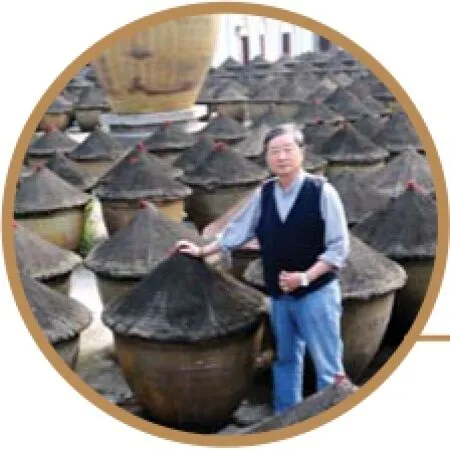
很多人都不知道,在重慶,有一間火鍋博物館,有“天下第一大桌”、“天下第一大缸”的稱號,這些決不是一個浮夸的噱頭。
一切都要從聶老說起。聶贛如出生在收藏世家,其先祖曾在清朝任職,到其父時收藏的古玩字畫足足裝了一間屋。二十多年前,在清理祖傳收藏品時,三口風格各異的銅、錫、瓷火鍋,引起了聶贛如極大的興趣,萌發了收藏火鍋、創建火鍋博物館的念頭。
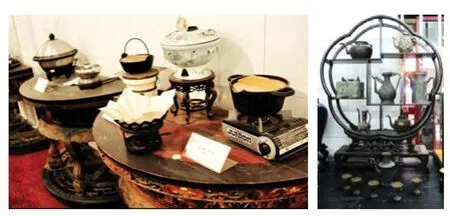
在上千平方米的展廳里,火鍋器皿及相關實物藏品足有千余件。從西周時期奴隸社會人們享用的單人火鍋,到乾隆皇帝舉行千叟宴的純銀火鍋,一直延續至今,與火鍋相關的歷代器皿就有600多件。按材質區分,收藏有陶、瓷、石、銀、錫、銅(青銅、白銅、紫銅、黃銅)、鋁、鐵、不銹鋼、紫砂、搪瓷等種類的火鍋;它們使用的燃料又分為木炭、蠟燭、酒精、氣體和電能,最讓人稱奇的是還有用動植物油做燃料的火鍋。另外,堪稱古董精品的有西周青銅方鼎、漢代龍把鐵鼎、唐三彩火鍋、宋代瓜瓣獸耳鑄銅火鍋、明代四壽字鑄鐵火鍋、清朝乾隆款藍釉龍紋火鍋以及乾隆皇帝舉行千叟宴的純銀火鍋等。藏館里的收藏門類齊全、品種豐富,在國內外絕無僅有。
除了收藏,聶贛如還喜歡打造“第一”。位于三耳集團大門中心的天下第一火鍋大桌便是創意設計敢為人先的作品之一。為了聚集熱愛火鍋文化的朋友,聶贛如在生產基地建造了這一大桌。大桌四周由6根雕刻有重慶火鍋文化楹聯的大柱環繞,給就餐的賓客帶來美花美色、美滋美味,倍感“重慶火鍋譽世界,巴渝廚藝寫春秋”之愜意。
聶老說:“我不是一個收藏家,收藏家只會把淘到的寶貝藏在自己家里,等著日后升值再轉手賣出。而博物館的藏品是只出不進,它的價值是永恒的。我從不做慈善捐款的事,我建博物館就是最好的慈善事業,博物館是留給社會,留給后代子孫的。”
建筑之眼——匾額博物館
“瀚匾園”是重慶匾額博物館的名字,這里展示著3000多塊古代匾額,如果不是身臨其境,你很難想象在重慶這個地方還有這樣的景象。它位于重慶渝中區李子壩牛滴路加氣站旁,背靠大山,面朝嘉陵江。
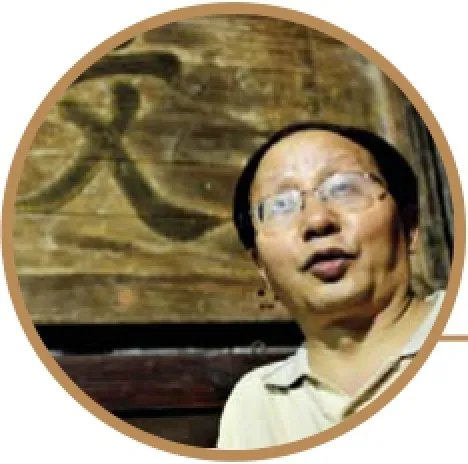
這些匾額都是一個叫劉光瑞的人,同他的父親劉少林花了近20年的時間點滴收藏而來。他不是考古家,也不是文物販子,而是一名治病救人的醫生。用他業余的時間不光踏遍了巴山蜀水,還遠及內蒙古、福建、廣東、云南……可謂踏破鐵鞋,連自駕的車都壞過好幾次。皇天不負有心人,也正是他的細心和執著,年復一年,積得了這批在全重慶乃至全中國都響當當的匾額。
這些匾中,有的簡單樸素,除了題款什么都沒有,有的密布雕花,有的滿身都是蛀蟲蛀的蟲眼。有的匾刀砍斧戳、傷痕累累,是被用來做案板、辦酒席所致;還有的匾被用來做門框、地板,甚至擱在豬圈里。其中最早的一塊匾為明朝時期匾額,而最大的匾額長度超過了3米。
作為民族文化的一種標志,匾額過去在城市和鄉村都非常普遍地被使用,由于歷史的變遷以及其它因素,歷史上的匾額屬于首當其沖被損毀的文物,因為它是明掛的,所以目前在城市里很少看到老匾額。
劉光瑞說,匾博物館入口處的石墩是從墓地里挖掘而來,照理說裸露在外不恰當,但他故意這么做,“我用自掘墳墓這樣的形式來驚醒世人,如果對中國傳統文化再不保護,甚至摒棄,那才是真正的自掘墳墓。”
在歷史的長河中,曾留下過許多匾額,但都逐漸被損壞和銷毀了。劉光瑞沒要政府一分錢,投資1200萬元創辦“瀚匾園”,古建筑專家羅哲文先生、故宮博物院的文物專家楊伯達先生在觀看300余塊巴渝古匾時說:“重慶的文化和重慶的地方史,全在這些匾的內容里,是難得的文化傳承,其價值極高。”而上海的新聞專家、韜奮獎獲得者張攻非老先生看后題寫道:看懂了是文化,讀通了是歷史。他感嘆重慶的歷史文化竟然如此精彩。
人生伴侶——古燈博物館
在重慶,有一位叫吳世友的藏燈人,他利用數十年的時間,收藏了超過500盞燈。小小的燈臺,給了他無盡的想象。他常常說,其實這些燈都是有靈性的,點亮燈芯,就像在與古人對話。
吳世友年輕時的志向是讀美院當畫家,命運卻讓他進了醫學院,后來就成了一名拿手術刀的大夫。早年的美術基礎讓他有著比較好的藝術鑒賞力,特別是對中國民俗文化特別喜愛。
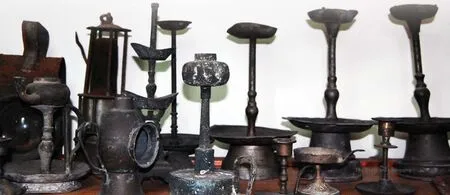
因為吳世友的職業是醫生,常常會接觸很多病人,而且很多病人來自偏遠農村,他們為了感謝吳世友為他們治好病,得知吳世友喜歡藏燈,就會從偏遠地方幫忙打聽,這才使得吳世友的收藏途徑有所擴寬,所以,很多散落民間的燈臺被他找到。因為他的用心,在全國各地的旅行中,他“收獲”頗多,家里的古燈也堆積得越來越多。
吳世友說,收藏燈講一個“緣”字,有時候,一件好東西,“得來全不費功夫”。一次,他到榮昌去玩,一位朋友給他看了一盞“怪燈”,這盞燈看似頭盔,造型怪異,卻是一盞設計巧妙、功能完備的“巡城燈”,制作者通過精巧的設計使其具有防風防雨和防霧的功能。他見了喜歡得不得了,主人說你喜歡就拿去吧。經考證,這是一盞宋代的古燈。
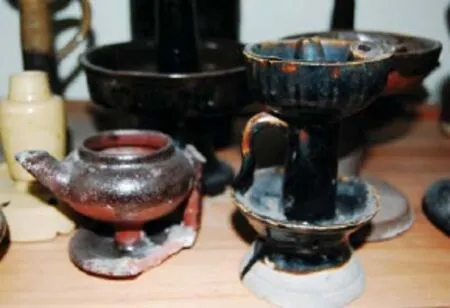
吳世友手里的藏品因“緣”而豐富起來:一盞漢代的灰陶燈,是在成都買另外幾件東西時送的;兩盞造型各異的竹燈臺,是一位病人從大巴山帶來給他的;一盞功能齊全的黃銅“吸蚊燈”,是他在北京學習時偶然購得……
20來年間吳世友已經有了各類古燈五百余盞,藏燈身價也隨著古燈市場的活躍而上漲成百上千倍,但吳世友并沒有出手。對于藏燈,僅僅是出于一種喜歡。吳世友說,“與燈結緣看似偶然,其實我對燈有著深厚的感情。小時候家里點油燈,插隊時在農村是‘出門一把火,進門一盞燈’,青燈孤影下,讀書復習考大學,可以說燈是我重要的人生伴侶。”
名人遺跡——飛虎隊展覽館
在渝中區李子壩沿著嘉陵新路蜿蜒著向上走,路邊一片蒼翠欲滴,其中一棟青磚綠瓦的舊房子就是赫赫有名的“飛虎隊展覽館”。
館長代慶標是個非常和藹可親的人,因對飛虎隊情有獨鐘,四處搜索與飛虎隊有關的信息,索性就開了這個展覽館,這是全國屈指可數的飛虎隊展覽館之一,里面存放著的不僅僅是飛虎隊曾經用過且丟失的物件,還有中國人乃至美國人對當年中美聯合抗日結下的友好情感。
代館長研究飛虎隊已長達10年的時間,能和他人分享他所了解的有關飛虎隊的一切,他十分樂意。當初開展覽館純屬偶然,但久而久之竟成了一種責任,在他看來,能為重慶人保存這段十分珍貴的歷史是件挺榮耀的事兒。
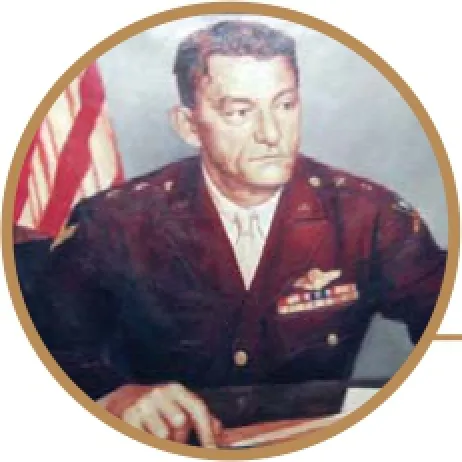
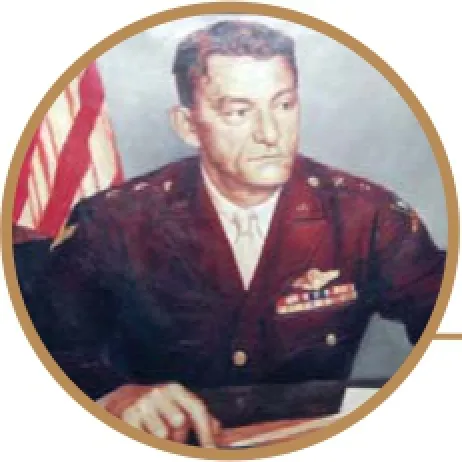
提到飛虎隊,就不能不說創始人陳納德,代館長對這個美國人無比欽佩,“陳納德是飛虎隊的關鍵人物,沒有陳納德,或許就沒有飛虎隊。”展覽館大廳正方墻上就有一張巨幅人物照,既使是泛黃的黑白老照片,也擋不拄他的軍人氣派,英俊的臉上有掩飾不住的神氣。“他1937年來到中國考察空軍,并被委任為顧問,是他修改了訓練程序,教給新飛行員新的戰術,建立了龐大的無線電與電話網絡,以致于能預知日本轟炸機的到來,這不僅有利于戰斗,更為無辜的老百姓減少了不少傷害。”
抗戰時期,重慶是個貧瘠落后之地,屋舍被日軍炸得面目全非,當年飽受戰亂之苦的老百姓終日沉浸在轟炸的危難中。如今,硝煙漫天的歲月已逝,經歷過日軍殘酷轟炸后的重慶仍然頑強屹立,還發展成為幾千萬人口的大都市,身為重慶人都為之自豪。這是一座充滿光榮和傳奇的城市,也是一座為締造和平做出貢獻的城市,而飛虎隊的故事就是歷史最好的見證。
Hot pot, beauties, night view, Bang Bang (porters with a bamboo stick), stone stairs, river city, the city of fog — they are all key words of Chongqing's name card. This city, however, has even more to offer, for example, museums. In addition to the famous Three Gorges Museum,a number of “private museums” scattering in the corners are waiting for people to discover their beauty. The following private museums do not collect commemorative coins, stamps, antiques or other common objects; instead, they carefully preserve hot pot wares, ancient lanterns,inscribed boards or even relics of ancient celebrities. Some of them boast a time-honored history while others shine bright even in humble places.
A clever creation - Hot Pot Museum
Few people know that there is a hot pot museum in Chongqing that collects the “world's biggest table” and “biggest cylinder” — and there is no exaggeration in the declaration.
The owner is called Nie Ganru. Born in a family with antique-collecting blood running in its vein, Nie boasts his ancestors once working for the Qing regime. They passed down a great legacy for Nie's father — a room full of antiques and paintings. Over two decades ago, three hot pots made in copper, tin and porcelain respectively caught Nie's attention as he was sorting out the ancestral collections. And that moment triggered a new idea — to collect hot pots and build a hot pot museum.
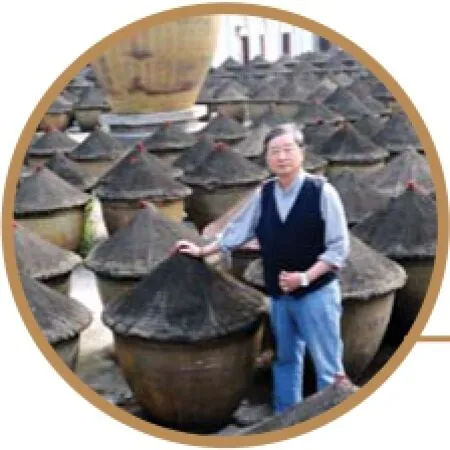
The 1,000-m2exhibition hall displays more than 1,000 hot pot wares and relevant collections. Visitors may fi nd more than 600 pieces of hot pot wares in all ages, ranging from singleperson hot pot ware dating back to the slave society in the Western Zhou Dynasty to all-silver hot pot ware appointed by Emperor Qianlong to organize “the Banquet for the Elderly”. When distinguished by texture, there are pottery, porcelain,stone, silver, tin, copper (bronze, cupronickel, red copper and brass), aluminum, iron, stainless steel, purple sands and enamel hot pot wares, and the fuels of such hot pot wares include charcoal, candle, alcohol, gas and electricity. And to everyone's amazement, there is even hot pot ware that applies animal and vegetable oil as its fuel. Besides, the truly exquisite antiques consist of bronze tripod of the Western Zhou Dynasty, dragon-handle iron tripod of the Han Dynasty,tri-colored glazed pottery hot pot ware of the Tang Dynasty,melon-petal beast-ear cast copper hot pot of the Song Dynasty,four "Shou" characters hot pot ware of the Ming Dynasty, blue glaze dragon-pattern hot pot ware during the reign of Emperor Qianlong in the Qing Dynasty and the all-silver hot pot ware appointed by Emperor Qianlong to organize “the Banquet for the Elderly”. The complete range and rich variety of collections in this museum are incomparable in the whole world.
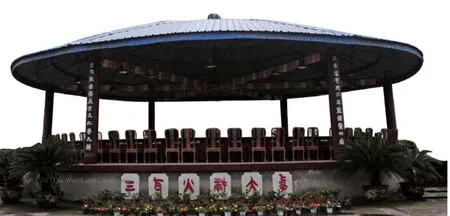
In addition to collecting, Nie is also interested in making “No.1s”. The world's biggest hot pot table standing in the center of Saner Group's gate is a vivid example of Nie's originality. Nie built this giant table in the production base to gather friends who share mutual enthusiasm for hot pot culture. The giant table is surrounded by six large pillars carved with couplets about Chongqing's hot pot culture. In addition to the worldfamous Chongqing hot pot, the guests can fully appreciate the brilliant hot pot culture as they are dinning in the restaurant.
Nie said: “I am not a collector who hides the treasures in the cellar and sell them to others when they are appreciated. The collections in my museum will go nowhere else and they are all of permanent values. I have never donated money — the museum I built is the best charity. It is for our next generation and the society.”
The eyes of architecture -The Museum of lnscribed Boards
In Chongqing, there is a museum of inscribed boards called Hanbian Park, which is home to more than 3,000 ancient inscribed boards. It is hard to imagine that Chongqing has such a place if you have never been there yourself. Located beside the gas station on Niudi Road, Liziba, Yuzhong District,Chongqing, the museum sits against a big mountain with its face towards Jialing River.
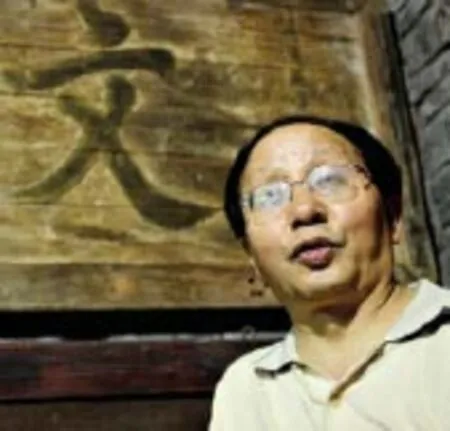
It takes Liu Guangrui and his father Liu Shaolin almost 20 years to collect these inscribed boards. Liu Guangrui is neither an archaeologist nor a cultural relic dealer; instead, he is a doctor. In his spare time, he has traveled all across Sichuan and Chongqing and even left his footprints in Inner Mongolia,Fujian, Guangdong, Yunnan and many other provinces in China. Even his bicycle, which he rode in his journey, got broken for several times. Eventually, his persistence and efforts are well paid off — he gets a collection of boards through years of searching, which are quite infl uential in Chongqing and other places in China.
Some boards are simple and plain with nothing but inscriptions on them; some are covered with exquisite carvings;some have wormholes all over their bodies. You can see axe wounds on certain boards, which are used as bread boards for feasts. Some boards are used for door frames and fl oors and some are even placed in pigsties. The oldest board dates back to the Ming Dynasty and the biggest one is more than 3-meter long.
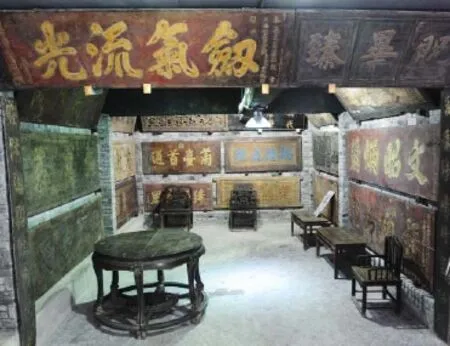
As a symbol of ethic culture, inscribed boards were widely used in both urban and rural areas. Due to historical changes and many other reasons, they became the first antiques suffering from damage since they were hanging out in the open. As a result, you can barely see old inscribed boards in cities now.
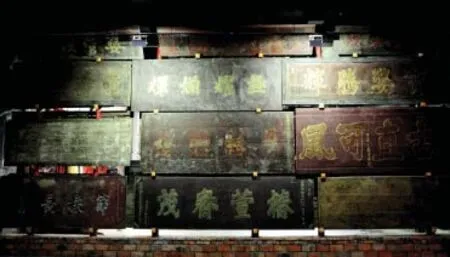
Liu said that as the stone abutments sitting at the entrance of the museum is excavated from a graveyard, it is not actually appropriate to expose it to the outside world. But he did it for a good reason. “It's my way of telling the Chinese people that they are digging their own graves if they fail to protect or even discard traditional Chinese culture,” said Liu.
There are a great number of inscribed boards left by the long process of history, but many of them have been damaged or destroyed. Without any government fund, Liu invested RMB 12 million to build “Hanbian Park”. Ancient architecture expert Mr. Luo Zhewen and cultural relics expert from The Place Museum Mr. Yang Boda said as they were visiting over 300 ancient Chongqing inscribed boards: “Chongqing's culture and history are preserved in these inscribed boards and they are cultural inheritance of great value.” After visiting this museum,the Taofen Award winner and news expert from Shanghai Mr. Zhang Gongfei wrote as follows: “They are all about culture and history — if you really understand them.” He was also amazed by the brilliant history and culture of Chongqing.
Lifetime companion -Ancient Lantern Museum
In Chongqing, a man called Wu Shiyou, in over a decade,has collected more than 500 lanterns. The small lampstand has sparkled Wu's infi nite imagination. He often says that these lamps are actually a kind of medium — as you light them up, it's like you are talking to the ancient people.
When Wu was young, he determined to go to a college of fi ne arts and be an artist. He, however, ended up in a medical college and started his career as a doctor. His childhood experience of learning arts gives him excellent art appreciation ability and he is exceptionally fascinated about Chinese folk culture.
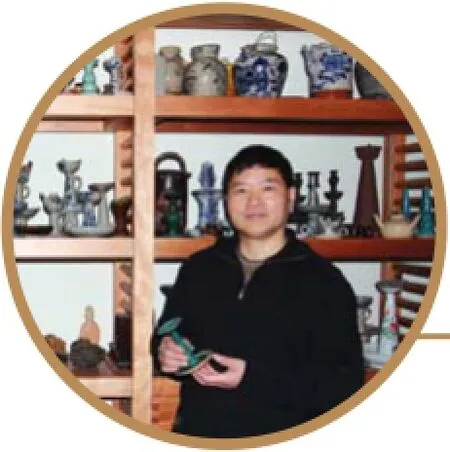
As a doctor, Wu has encountered many patients and many of them are from distant rural regions. To show their gratitude for Wu, they would ask for information about lanterns in distant regions, and Wu thus has more access to lantern collections. As a result, Wu has scored many lampstands that are scattered all around China. Thanks to his unremitting efforts, he has gotten himself plenty of ancient lanterns from his journeys all around the country and his house is also filled with these lanterns.
Wu said that he got his wide collection of lanterns by luck and he believes that they are meant for him to find. As the saying goes, “Sometimes, it's effortless to get a treasure”. Once, he went to Rongchang and a friend of his showed him a quite strange lantern — looking quite unusual like a helmet,it turns out be a delicately-designed “patrolling lantern” with complete functions. The lantern is designed with wind-proof,rain-proof and smog-proof functions. Wu was so fond of the lantern that the owner gave it to him as a present. According to textual research, it is an ancient lantern of the Song Dynasty.
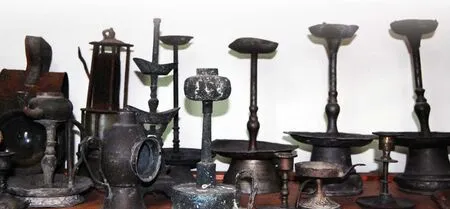
Wu's luck has brought him a variety of collection: a grey pottery lantern of the Han Dynasty — a grant for some other things bought in Chengdu; two different bamboo lampstands — a honorarium given by a patient from Daba Mountain; a brass “mosquito-killer lantern” with complete functions — a commodity bought when he was studying in Beijing.
Over two decades, Wu has collected more than 500 different ancient lanterns. The prices of certain lanterns have increased by almost 1,000 times, but Wu has never sold any one of them. He collects lanterns just because he loves them. “While it may seem accidental, I actually have deep emotions for lanterns, which is way I started to collect them in the first place. When I was young, my family would light up oil lamps;in the country life, you hold a torch when you go outside and you light up a lamp when you come home. With the dim lantern light, I prepared for the college entrance exam. For me, lanterns are my lifetime companions.”
Relics of Celebrities -Flying Tigers Exhibition
Walking up the New Jialing Road in Liziba, Yuzhong District, you can see an old house with green tiles among trees and grass — the famous “Flying Tigers Exhibition”.
The friendly curator Dai Qingbiao opened this exhibition building out of his obsession with the Flying Tigers. As one of the few Flying Tigers exhibition buildings in China, it carefully preserves the objects once used by the members of Flying Tigers and it has witnessed the profound friendship Chinese and Americans established during their united war against Japan.
Curator Dai has been studying the Flying Tigers for a decade and he is more than pleased to share with others everything he knows about it. Although opening this exhibition building by accident, he now considers it a responsibility to keep it in good operation. To him, it is an up-most honor to have the opportunity to keep this valuable history for Chongqing people.
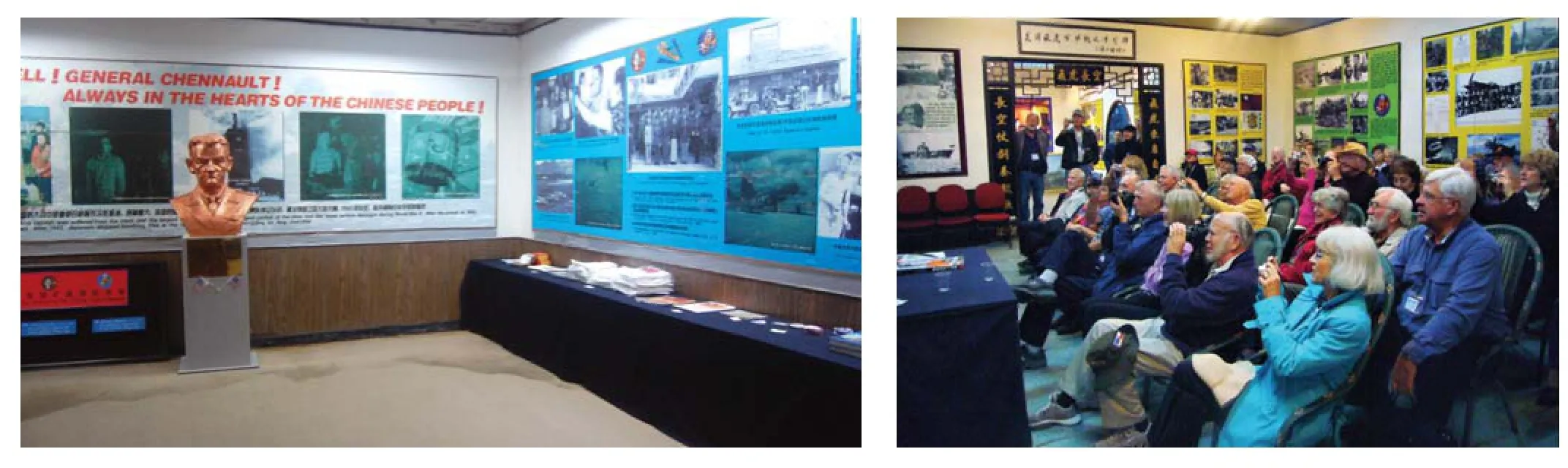
When talking about the Flying Tigers, its founder Claire Lee Chennault is a name we can never miss. Curator Dai holds enormous admiration for this American. “Claire Lee Chennault is the key fi gure in the Flying Tigers; without him, it could have never existed, ”said Dai. On the wall of the exhibition hall hangs a giant photo. You can see the charm of a soldier in the old faded black and white photo — the spirit and vigor are still written all over that handsome face. “He (Claire Lee Chennault)came to China in 1937 to inspect the air force and was appointed the consultant. He modifi ed the training procedures and taught new pilots new tactics. He also built a giant radio and telephone network able to foresee the coming of Japanese bombers. It greatly facilitated the combat and reduced possible harm for innocent people,” said Dai.
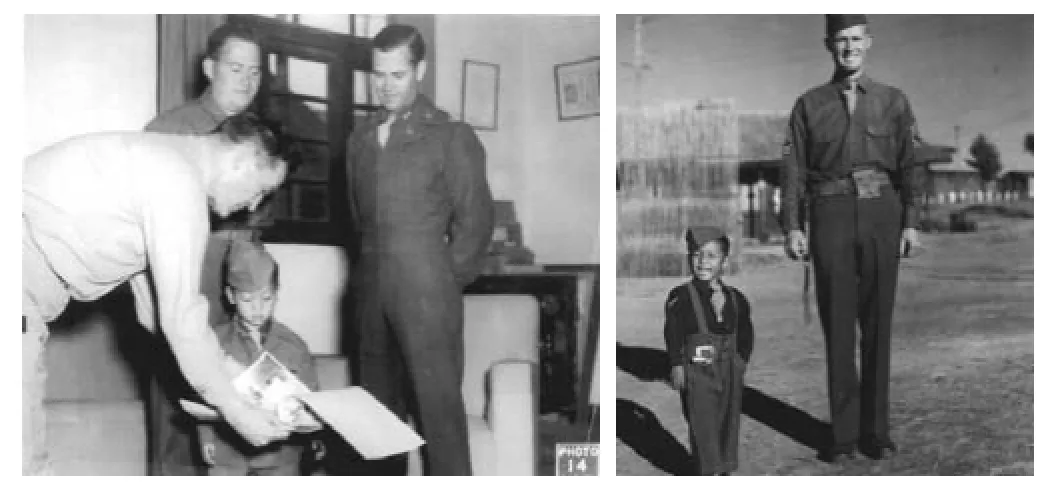
During the War of Chinese People's Resistance against Japanese Aggression, Chongqing was a barren and underdeveloped land. The houses were torn down by the Japanese army and Chongqing people suffered a lot in this war-beaten land. Now, the war and the smokes of gunpowder are long gone. Chongqing miraculously survived the relentless bombing of Japanese army and has grown into a metropolis with a couple million populations. And this makes every Chongqing people proud. As a city written with glory and legend, Chongqing has made remarkable contributions to making peace. And the story of the Flying Tigers is the best witness of its brilliant history..
A MAP OF PRIVATE MUSEUMS IN CHONGQING
□ Written by Zou Yingqiu
猜你喜歡
環球人文地理(2022年8期)2022-09-21 03:49:42
小獼猴智力畫刊(2022年3期)2022-03-29 01:09:44
金橋(2022年2期)2022-03-02 05:42:52
小太陽畫報(2020年4期)2020-04-24 09:28:22
意林·全彩Color(2019年11期)2019-12-30 06:08:38
重慶行政(公共人物)(2018年5期)2018-11-06 07:42:18
重慶文理學院學報(社會科學版)(2017年5期)2017-10-23 01:30:02
今日重慶(2017年5期)2017-07-05 12:52:25
童話王國·原創版(2016年4期)2016-11-23 16:06:06
兒童故事畫報·智力大王(2015年11期)2016-01-27 00:55:01