莎翁說;這些都是我造的詞
2016-07-06 21:13:17
新東方英語 2016年7期
關鍵詞:意義
William Shakespeare wrote a lot of great plays, but he also coined and popularized a lot of words and phrases that we still use to this day.
“Too much of a good thing”
“Why then, can one desire too much of a good thing?
Come, sister, you shall be the priest and marry us.
Give me your hand, Orlando. What do you say, sister?”
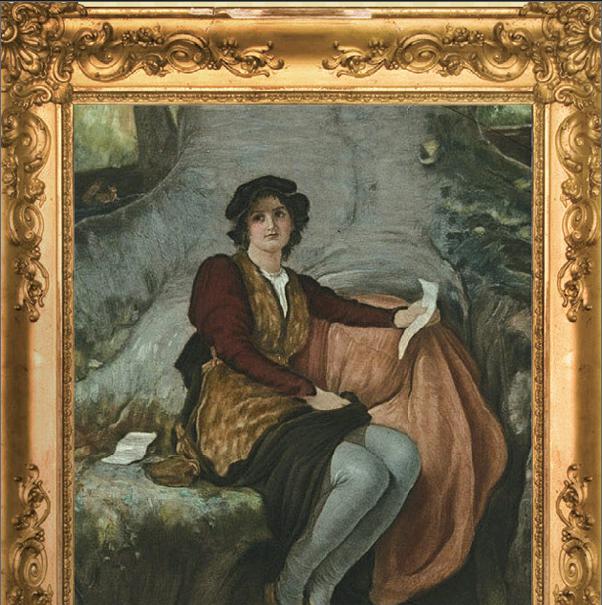
How Shakespeare uses it: This phrase may have been a proverb dating to the late 15th century, but Shakespeare was the one who has it immortalized in print. Rosalind1)is pretending to be a man named Ganymede while she is with Orlando, with whom she is in love. Hes also in love with Rosalind—and doesnt know she is Ganymede—and practices how he would woo Rosalind with Ganymede. At one point, Rosalind/Ganymede suggests that they have a pretend wedding, and asks if one can ever have too much of a good thing.
Modern definition: Too much good might backfire2) and be bad.
Source: As You Like It, Act 4, Scene 1
“Wear my heart upon my sleeve”
“For when my outward action doth demonstrate
The native act and figure of my heart
In compliment extern3), tis not long after
But I will wear my heart upon my sleeve
For daws4) to peck at: I am not what I am.”
How Shakespeare uses it: Devious5) Iago6) basically says that if his outward appearance reflected what he was thinking, then his heart would be on his sleeve for birds to peck at—which is not a good idea in his eyes. And so he adds that he is actually not what he appears to be. Notably, Iagos motives for his antagonistic7)behavior are never fully revealed—so it is interesting that he is the character who has immortalized this phrase.
Modern definition: To show ones feelings openly.
Source: Othello, Act 1, Scene 1
“In my heart of heart”
“Give me that man
That is not passions slave, and I will wear him
In my hearts core, ay, in my heart of heart,
As I do thee.”
How Shakespeare uses it: While speaking with Horatio8), Hamlet says this phrase noting that if theres a man who is “not passions slave”—aka9), a master of his emotions—then hell put him close to his heart. Using the language “hearts core” right before suggests that Hamlet means some very deep, central part of his heart/emotions.
Modern definition: Nowadays, we pluralize the second “heart” to say “in my heart of hearts.” The phrase refers to ones inner-most, secret thoughts.
Source: Hamlet, Act 3, Scene 2
“Wild-goose chase10)”
“Nay, if thy wits run the wild-goose chase, I have
done, for thou hast more of the wild-goose in one of
thy wits than, I am sure, I have in my whole five:
was I with you there for the goose?”
How Shakespeare uses it: Mercutio11) says that he cant keep up with Romeos jokes and puns. Romeo tells him to continue, but Mercutio sees the endeavor as a “wild goose chase.” A wild-goose chase was reportedly a real game back in 16th-century England in which “a horseman executed a series of difficult maneuvers which others had to repeat in close succession.”
Modern definition: A senseless—and probably hopeless—pursuit of an object or an end.
Source: Romeo and Juliet, Act 2, Scene 4
“Break the ice”
“... And if you break the ice and do this feat,
Achieve the elder, set the younger free
For our access, whose hap12) shall be to have her
Will not so graceless be to be ingrate13).”
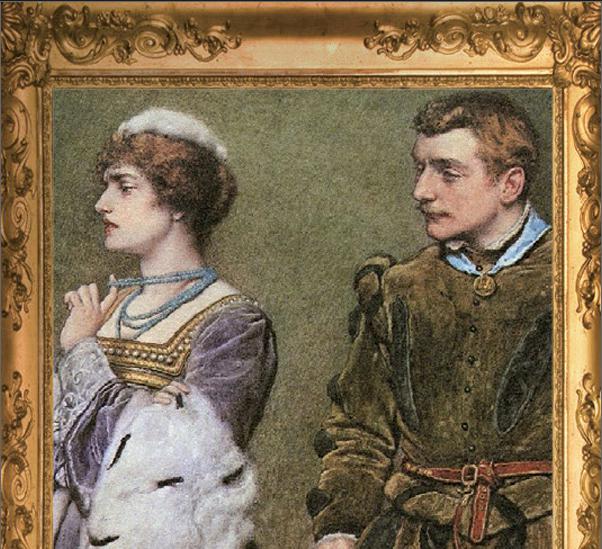
How Shakespeare uses it: Tranio14) suggests if Petruchio15) can “break the ice,” then he will be able to woo Katherina. By using the “ice” language, Shakespeare makes Katherina seem as cold as ice. Moreover, the fact that the ice needs to be broken suggests that she is hard to reach.
But the first actual usage of “break the ice” probably comes from Sir Thomas North16)s 1579 translation of Plutarchs Lives of the Noble Grecians and Romans—although in this case the phrase meant “to forge a path for others to follow,” alluding to the breaking of ice to allow the navigation of boats.
Modern definition: “Break the ice” still means to get to know someone.
Source: The Taming of the Shrew, Act 1, Scene 2
“A heart of gold”
“The kings a bawcock17), and a heart of gold,
A lad of life, an imp18) of fame;
Of parents good, of fist most valiant ....”
How Shakespeare uses it: King Henry disguises himself as a commoner in the play and asks Pistol19), who is unaware of the disguise, whether he considers himself to be better than the king. Pistol responds with the above quote.
Modern definition: To be extremely kind and helpful.
Source: Henry V, Act 4, Scene 1
“To come full circle20)”
“Thou hast spoken right, tis true;
The wheel has come full circle: I am here.”
How Shakespeare uses it: Edmund21) says the phrase at the end of King Lear, highlighting how he has “completed a cycle” where his diabolical22) actions have come back to haunt him. Shakespeare was also probably referencing Fate—and the “Wheel of Fortune”—from ancient and medieval philosophy, which thus introduced the question of free will23) versus everything being determined by fate.
Modern definition: Completing a cycling, getting back to the beginning.
Source: King Lear, Act 5, Scene 3
“Love is blind”
“... But love is blind and lovers cannot see
The pretty follies that themselves commit ...”
How Shakespeare uses it: Technically, Chaucer24) first wrote the phrase “For loue is blynd alday and may nat see.” But Shakespeare was the one who popularized it. In the scene, Jessica25) has disguised herself as a boy to see her lover, Lorenzo26), but feels quite “ashamed” of her get-up. Still, she comments that love is blind and people are unable to see the shortcomings of their lovers.
Modern definition: The meaning of the phrase is more or less unchanged.
Source: The Merchant of Venice, Act 2, Scene 6
“Send him packing27)”
“Faith, and Ill send him packing.”
How Shakespeare uses it: Falstaff28) says this to dismiss the messenger in Henry IV: Part 1, which is evidently the first use of the phrase.
Modern definition: The meaning is the same today: Its something one says to make someone leave abruptly.
Source: Henry IV: Part 1, Act 2, Scene 4
威廉·莎士比亞不僅寫出了許多優秀的戲劇作品,而且還創造并普及了大量的單詞短語,這些詞匯至今仍為我們所使用。
裝扮成男子的羅瑟琳
“好事太多反成壞事”
“那么,有誰會嫌好東西太多呢?
過來,妹妹,你來當牧師,為我們主婚。
給我你的手,奧蘭多。
你怎么說,妹妹?”
莎翁用法:該短語最初可能是句諺語,可以追溯到15世紀末,不過,是莎士比亞使其得以變成印刷文字流傳下來。羅瑟琳愛上了奧蘭多,和奧蘭多在一起時,她會裝扮成一個名叫蓋尼米德的男人。奧蘭多也愛上了羅瑟琳,但他不知道她就是蓋尼米德,于是他跟蓋尼米德一起練習如何追求羅瑟琳。有一次,羅瑟琳(也就是蓋尼米德)建議他們舉行一場模擬婚禮,然后她問是否有人會嫌好東西太多。
現代意義:好事太多反而適得其反,成了壞事。
源自:《皆大歡喜》第四幕第一場
“把心放在袖頭上”
“因為,在表面的恭敬下,
要是我外在的行動確實顯露了
我內心原本的活動和想法,
那么,用不了多久
我就要把心放在袖頭上
讓烏鴉來啄:表面的我并不是真正的我。”
莎翁用法:陰險狡詐的伊阿古大概是說:如果他的外在反映了他內心的想法,那么就等于把他的心放在袖子上讓鳥兒來啄——這在他看來不是什么好事。所以他又補充說,他實際上并非是表面上顯示出的那種人。值得一提的是,伊阿古做壞事的動機從來沒有充分表明過——可正是這樣一個角色使得這句話流傳千古,想來蠻有意思的。
現代意義:感情外露。
源自:《奧賽羅》第一幕第一場
“內心深處”
“給我一個
不受感情奴役的人,
我將把他藏在心窩里,
藏在我內心深處,
就像我對你一樣。”
莎翁用法:哈姆雷特跟霍雷肖說話時用了這個短語,他說假如有一個“不受感情奴役”的人,即能夠控制自己情感的人,那么他將把那個人藏在心里。從前面所用的“心窩”一詞可以看出,哈姆雷特指的是他內心或情感最深處、最核心的所在。
現代意義:如今,我們常把第二個heart改為復數,變成in my heart of hearts。該短語是指人內心深處的隱秘想法。
源自:《哈姆雷特》第三幕第二場
“追趕野鵝”
“不,如果你的智慧就是追野鵝,
我甘拜下風,
因為你一個智慧里所包含的野鵝,
我敢說,比我所有五個智慧里的都多:
論野鵝我怎能比得上你?”
莎翁用法:墨古修說他跟不上羅密歐的玩笑和雙關語。羅密歐讓他繼續,但墨古修卻認為這樣的嘗試就跟“追趕野鵝”一樣徒勞無功。據說,追野鵝是16世紀英國一項真實存在的游戲,在游戲中,“騎手要完成一系列高難度動作,其他人都要一個個緊跟著模仿”。
現代意義:毫無意義——或許也是毫無希望地——追逐一件東西或一個目標。
源自:《羅密歐與朱麗葉》第二幕第四場
“打破堅冰”
“……假如你能打破堅冰,大功告成,
娶走姐姐,為我們迎娶妹妹
鋪平道路,無論誰有幸擁有她
都將會對你感激不盡。”
莎翁用法:特拉尼奧說假如彼特魯喬能夠“打破堅冰”,那么彼特魯喬就能夠追求到凱瑟麗娜。通過用“冰”這個詞,莎士比亞刻畫出了凱瑟麗娜冷若冰霜的一面。而且,這冰還需要打破才行,這表明她難以接近。
但最早使用“打破堅冰”一詞的也許是托馬斯·諾思爵士于1579年翻譯的《希臘羅馬名人傳》。但在該書中,“打破堅冰”意為“為他人開辟道路”,指的是為使船只航行而進行的破冰。
現代意義:“打破堅冰”的意思仍然是去認識某人。
源自:《馴悍記》第一幕第二場
“金子般的心”
“國王是個大好人,有著一顆金子般的心,
是個充滿活力的小伙,一個赫赫有名的頑童;
有優秀的父母,還有最勇敢的拳頭……”
莎翁用法:國王亨利在戲中裝扮成平民百姓,問畢斯托爾他是不是自以為比國王好。畢斯托爾沒有認出亨利就是國王,作了上面引文中的回答。
現代意義:特別善良,樂于助人。
源自:《亨利五世》第四幕第一場
“兜了整整一圈(回到起點)”
“你說得對,一點沒錯;
命運的車輪兜了整整一圈:我又回到原地。”
莎翁用法:在《李爾王》結尾,埃德蒙用這句話強調他“完成了一個循環”,他的惡行最終讓他自食其果。莎士比亞或許也是在引用古代和中世紀哲學中的命運和“命運之輪”,由此引出了自由意志和宿命論的對立問題。
現代意義:完成循環,回到起點。
源自:《李爾王》第五幕第三場
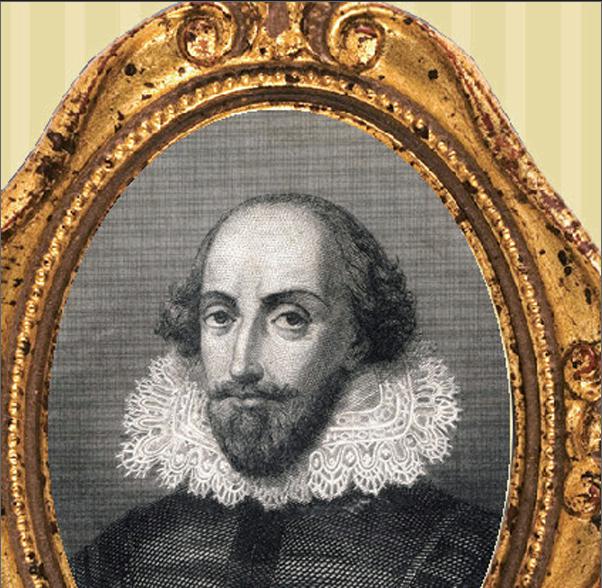
莎士比亞畫像
“愛情是盲目的”
“……但愛情是盲目的,情人眼里看不見
他們自己干下的傻事……”
莎翁用法:嚴格說來,這個短語是喬叟首創的:“因為愛情整天都是盲目的,看不見東西。”但莎士比亞將它變得家喻戶曉。在該場景中,杰西卡裝扮成一個少年去見情人洛倫佐,但卻對自己的裝扮感到十分“羞愧”。然而,她認為愛情是盲目的,人們對自己情人的缺點視而不見。
現代意義:該短語的意義基本沒有改變。
源自:《威尼斯商人》第二幕第六場
“卷鋪蓋走人”
“相信我,我馬上讓他卷鋪蓋滾蛋!”
莎翁用法:在《亨利四世》上部中,福斯塔夫使用這一短語將信使打發走,顯然這是第一次使用該短語。
現代意義:直到今天,該短語的意義仍未改變:用于將某人立刻打發走。
源自:《亨利四世》上部第二幕第四場
這些都是我造的詞
莎翁說:
Culture
作為英國文學史上最杰出的戲劇家和文學家,莎士比亞最霸氣的一點是:沒有合適的詞就自己造,造完還能流傳千古!時至今日,現代英語中的很多日常表達都出自莎士比亞,這或許也是這位文豪留給這個世界最寶貴的遺贈之一。今年是莎士比亞逝世400周年,下面就請隨本文一起看看莎翁都創造了哪些經典的語句。
凱瑟麗娜和彼特魯喬
文化點滴
New Oriental English .
. New Oriental English
Culture
文化點滴
裝扮成男子的羅瑟琳
1. Rosalind:羅瑟琳,《皆大歡喜》中的女主人公之一,與劇中的男主人公奧蘭多(Orlando)相戀。
2. backfire [?b?k?fa??(r)] vi. (計劃、行動等)產生事與愿違的結果
3. extern [?ekst??(r)n] adj. 〈古〉外面的
4. daw [d??(r)] n. [鳥] 寒鴉
5. devious [?di?vi?s] adj. 陰險的
6. Iago:伊阿古,《奧賽羅》中的反面角色,暗施毒計誘使奧賽羅生出嫉妒和猜疑之心,將無辜的妻子殺死。
7. antagonistic [?n?t?ɡ??n?st?k] adj. 敵對的;有敵意的
8. Horatio:霍雷肖,《哈姆雷特》中哈姆雷特讀大學時的好友
9. aka [?e?ke?'e?] abbr. also know as的縮寫,意為“又名,亦稱”。
10. wild-goose chase:(因為得到錯誤的消息而)浪費時間從事徒勞無益的追求
11. Mercutio:墨古修,《羅密歐與朱麗葉》中羅密歐的好友
12. hap [h?p] n. 〈古〉運氣
13. ingrate [??nɡre?t] adj. 忘恩負義的
14. Tranio:特拉尼奧,《馴悍記》中的一個仆人
15. Petruchio:彼特魯喬,《馴悍記》男主人公,試圖將劇中驕橫的富家女凱瑟麗娜(Katherina)改造成溫柔、賢惠的妻子。
16. Sir Thomas North:托馬斯·諾思爵士(1535~1604),英國翻譯家,以翻譯羅馬傳記文學家普魯塔克(Plutarch, 46~120 A.D.)的《希臘羅馬名人傳》(Plutarchs Lives of the Noble Grecians and Romans)聞名。莎士比亞的一些歷史劇直接取材于該英譯本。
17. bawcock [?b??k?k] n. 好人
18. imp [?mp] n. 頑童;小淘氣
19. Pistol:畢斯托爾,《亨利五世》中一位性格懦弱卻很愛吹牛的士兵
20. come full circle:兜了個圈子仍回原處
21. Edmund:埃德蒙,《李爾王》中格洛斯特爵士的私生子,他用計讓父親趕走了自己同父異母的兄弟埃德加。
22. diabolical [?da???b?l?k(?)l] adj. 惡劣的
23. free will:自由意志,哲學概念,即人們在理智、不受限制的基礎上對事物進行選擇或在一定情況下從事活動的能力。
24. Chaucer:喬叟(Geoffrey Chaucer, 1340?~1400),英國文學之父,中世紀最偉大的英國詩人,代表作為《坎特伯雷故事集》(The Canterbury Tales)。
25. Jessica:杰西卡,《威尼斯商人》中猶太富翁夏洛克的女兒
26. Lorenzo:洛倫佐,《威尼斯商人》中威尼斯商人安東尼奧的好友,后娶杰西卡為妻。
27. send sb. packing:叫某人卷鋪蓋
28. Falstaff:福斯塔夫,莎士比亞筆下膾炙人口的喜劇人物,外形肥胖,生性貪婪怯懦,喜發豪言或作機智妙語,先后出現于《亨利四世》(上、下部)(Henry IV, Part 1 & Part 2)和《溫莎的風流娘兒們》(The Merry Wives of Windsor)。
猜你喜歡
新少年(2022年9期)2022-09-17 07:10:54
中學生數理化·中考版(2022年12期)2022-02-16 07:36:36
小天使·一年級語數英綜合(2020年6期)2020-12-16 02:56:41
文苑(2020年12期)2020-04-13 00:54:10
中學生數理化·中考版(2019年12期)2019-09-23 06:23:28
幼兒100(2019年35期)2019-02-11 03:10:36
中學生數理化·七年級數學人教版(2017年5期)2017-11-09 03:06:19
知識經濟·中國直銷(2017年8期)2017-09-05 09:52:58
公民與法治(2016年24期)2016-05-17 04:21:50
北極光(2014年8期)2015-03-30 02:50:51