
Observation on the efficacy of acupoint massage plus moxibustion for refractory insomnia
2015-05-18 09:06:20XieZhi-yong,WuXi
關鍵詞:療效
Observation on the efficacy of acupoint massage plus moxibustion for refractory insomnia
Objective: To observe the clinical efficacy of acupoint massage plus moxibustion in treating refractory insomnia.
Moxibustion Therapy; Thermal Box Moxibustion; Acupoint Therapy; Tuina; Massage; Insomnia
Insomnia is a disorder characterized by frequent inability to obtain normal sleep. The symptoms include difficulty falling asleep, sleep of poor quality, waking during night, being unable to return to sleep after waking, while staying awake all night may be found in severe cases. Because of insufficient sleep, insomnia patients often suffer from headache, dizziness, palpitations, forgetfulness, fatigue, restlessness, and dream-disturbed sleep, severely affecting their daily life and work. Refractory insomnia refers to the one with duration lasting over 6 months.
From July of 2013 to February of 2014, we treated 30 cases of refractory insomnia with acupoint massage plus moxibustion, while 30 cases only received acupoint massage as the control group. The report is given as follows.
1 Clinical Materials
1.1 Diagnostic criteria
According to the diagnostic criteria of insomnia in the third edition of Classification and Diagnostic Criteria of Mental Disorders in China (CCMD-Ⅲ)[1]: predominant complaint of sleep disturbance, with secondary symptoms including difficulty initiating sleep, light sleep, easy waking, being unable to return to sleep after waking, and discomfort, fatigue or sleepiness during daytime after sleep; the above symptoms ≥3 times a week and lasting over 1 month; insomnia causes significant distress or impairment in work efficiency or social functioning; the secondary insomnia led by physical or mental disorders is excluded.
1.2 Inclusion criteria
Conforming to the above diagnostic criteria of insomnia; age 18-70 and disease duration over 6 months; not involved in other clinical studies and cooperative to finish the current study.
1.3 Exclusion criteria
Against the above diagnostic and inclusion criteria; life-threatening diseases such as cardiac, cerebral, liver, and kidney diseases; being unable to finish the current study or involved in other clinical studies.
1.4 Statistical analysis
The SPSS 13.0 version statistical software was adopted for data processing. The statistical methods were selected according to the feature of data. The measurement data were expressed by (x ±s) and analyzed by t-test; the numeration data were analyzed by Chi-square test; and the rank-sum test for the ranked data.
1.5 General data
The 60 subjects were included from the Tuina Outpatient of Beijing Pinggu Hospital of Traditional Chinese Medicine between July of 2013 and February of 2014. They were randomized into a treatment group and a control group by the random number table, 30 subjects in each group. According to the statistical analysis, there were no significant differences in comparing gender, age, and disease duration between the two groups (P>0.05), indicating the comparability (Table 1).
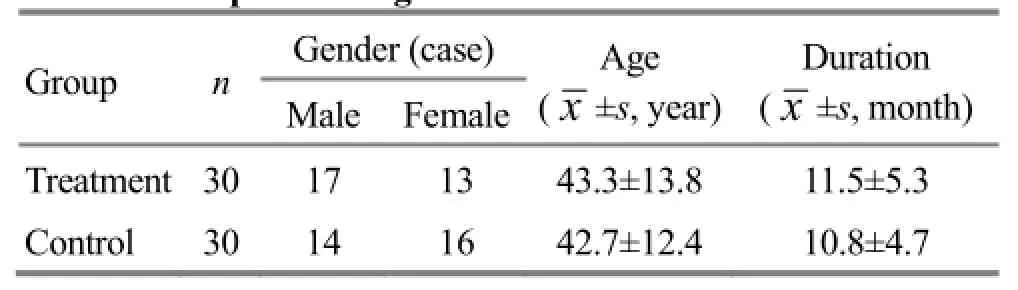
Table 1. Comparison of general data
2 Treatment Methods
2.1 Treatment group
2.1.1 Acupoint massage
The patient took a supine position, and the physician sat or stood next to the head of the patient.
Beginning with Kai Tian Men (opening the heaven gate), which was to push from the center of the eyebrows to the anterior hairline with the belly of thumbs (Figure 1); followed by Mo-wiping the eyebrows, which was to push from Cuanzhu (BL 2) via Yuyao (EX-HN 4) to Sizhukong (TE 23) with the belly of thumbs (Figure 2); then Tui-pushed the crown, which was to push along the midline from Suliao (GV 25) to Yamen (GV 15), (Figure 3).
Afterwards, Taiyang (EX-HN 5), Yintang (GV 29), Shenting (GV 24), Baihui (GV 20), Fengchi (GB 20), Fengfu (GV 15), and Tianzhu (BL 10) were Rou-kneaded with the radial side of thumbs (Figure 4).
Then Kou-tapping was performed to the Gallbladder Meridian and the Bladder Meridian on the head with the middle segment of the fingers (Figure 5); followed by Na-grasping the five meridians, including the Governor Vessel and the bilateral Gallbladder Meridian and the Bladder Meridian (Figure 6).
The tuina treatment was ended with Shu-combing manipulation, like to comb hair with fingers and palm from the anterior to the posterior of the head (Figure 7); plus Saosan-sweeping the Shaoyang Meridians, which was to place the radial side of the thumb on the anterior hairline and rub and move the other four fingers along the Gallbladder Meridian repeatedly (Figure 8).
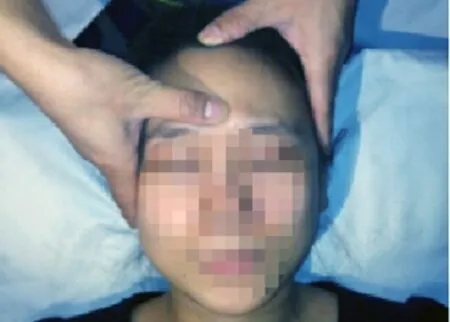
Figure 1. Kai Tian Men (opening the heaven gate)
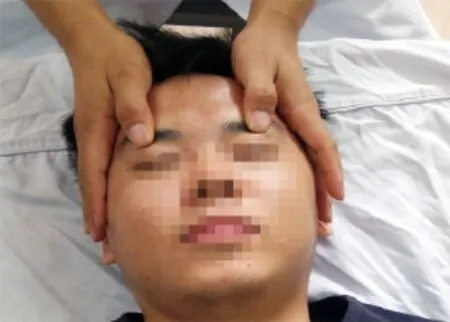
Figure 2. Mo-wiping the eyebrows
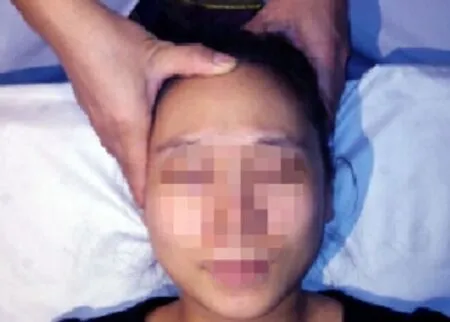
Figure 3. Tui-pushing the crown
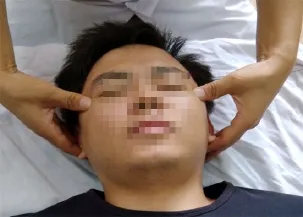
Figure 4. Rou-kneading Taiyang (EX-HN 5)
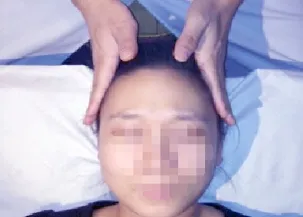
Figure 5. Kou-tapping manipulation
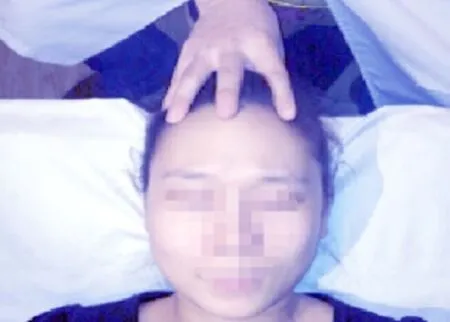
Figure 6. Na-grasping five meridians
2.1.2 Moxibustion method
Moxibustion was performed at the same time of acupoint massage.
Acupoint: Bilateral Yongquan (KI 1).
Operation: A pure moxa roll was ignited by one end to fumigate bilateral Yongquan (KI 1) (2-3 cm away from skin). The patient was supposed to feel warm and hot but not scorching. The treatment was performed till the local skin became red (be cautious to prevent empyrosis).
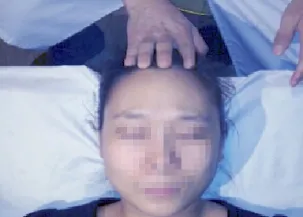
Figure 7. Shu-combing manipulaiton
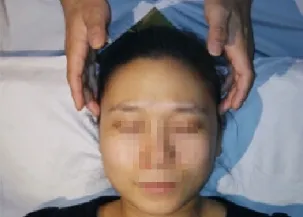
Figure 8. Saosan-sweeping the Shaoyang Meridians
2.2 Control group
Patients in the control group only received the same acupoint massage treatment.
The two groups were both treated once a day, 20 min for each session, and the therapeutic efficacy was evaluated 4 weeks later.
3 Observation of Therapeutic Efficacy
3.1 Criteria of therapeutic efficacy
It’s made according to the criteria of therapeutic efficacy of insomnia from the Guideline of Clinical Study on New Chinese Medicine[2].
Recovery: Sleep duration was normal or night sleep duration over 6 h, and the sleep was deep and refreshing.
Markedly effective: Sleep was significantly improved, with sleep duration increased by over 3 h, and the sleep was deeper.
Improved: Symptoms were reduced, but sleep duration increased by less than 3 h.
Invalid: Insomnia was not improved or even aggravated.
3.2 Treatment results
The total effective rate was 93.3% in the treatment group versus 80.0% in the control group, and the difference was statistically significant (P < 0.05), indicating that the treatment group has a better efficacy than the control group (Table 2).

Table 2. Comparison of therapeutic efficacy (case)
4 Discussion
In traditional Chinese medicine (TCM), insomnia falls under the scopes of sleeplessness or being unable to fall asleep. It’s usually caused by overthinking, damage of the heart and spleen, or internal fire due to yin-deficiency, disturbance of liver yang, disharmony between the heart and spleen, or qi-deficiency of the heart and gallbladder, or discomfort in the stomach. The major factors should be the dysfunctions of Zang-fu organs, disharmony between qi and blood, and imbalance between yin and yang[3]. Insomnia predominantly affects the heart, but involves the liver, gallbladder, spleen, stomach, and kidney. It can be diagnosed as excess or deficiency. The deficiency majorly refers to deficiency of yin blood, blaming the heart, spleen, liver, and kidney; the excess is often due to the liver stagnation transforming into fire, retention of food and phlegm, and discomfort in the stomach. The refractory insomnia is complicated in pathology and still expects a specific cure[4]. Currently, Western medicine treats refractory insomnia majorly with sedatives and sleeping pills, which may cause drug resistance or dependence, relapse of disease, damage of cognitive function, and acceleration of aging[5]. TCM treats refractory insomnia majorly with herbal medicine, acupuncture, moxibustion, and tuina, which have been proven effective: Li JB, et al[6]adopted acupuncture in treating refractory insomnia; Wang KP, et al[7]used herbal medicine to treat refractory insomnia through unblocking stagnation and promoting the blood flow. Tuina is especially effective for insomnia, and it’s safe and has no adverse effects. It can achieve an even more significant effect with moxibustion combined[8].
Especially considering the causes of insomnia, we treated insomnia by calming the heart and mind, waking the brain, and tonifying yin and descending yang. Massaging the acupoints on the head can promote the blood supply to the head, regulate the function of Zang-fu organs, unblock meridians and collaterals, harmonize qi and blood, balance yin ang yang, and calm the heart and mind[9]. Moreover, as the Jing-well point of the Kidney Meridian, Yongquan (KI 1) works to calm the heart and mind, and it can also connect yin and yang, and open the blocked orifices as the kidney qi exits from this point. Moxibustion at Yongquan (KI 1) can warm and unblock meridians and collaterals, warm and supplement the primordial qi, and harmonize qi and blood. Combination of acupoint massage and moxibustion at Yongquan (KI 1) works to regulate the function of the Conception and Governor Vessels, promote the production of marrow and benefit brain, and tranquilize the mind[10-12]. The current study showed that it can achieve a total effective rate of 93.3% by combining these two methods, which is higher than that of acupoint massage alone, indicating that this comprehensive treatment method is effective. Since it’s also easily accepted by the patients, this method is worth applying in clinic.
Conflict of Interest
The authors declared that there was no potential conflict of interest.
Acknowledgments
This work was supported by Specific Fund of for Young Teachers by Beijing University of Chinese Medicine (No. 2012-QNJSZX018).
Statement of Informed Consent
Informed consent was obtained from all individual participants included in this study.
Received: 21 August 2014/Accepted: 25 September 2014
[1]Chinese Society of Psychiatry. Chinese Classification and Diagnostic Criteria of Mental Disorders. 3rd Edition. Jinan: Shandong Science & Technology Press, 2001: 9-168.
[2]The Ministry of Public Health of People’s Republic of China. Guideline of Clinical Study on New Chinese Medicine. Beijing: People’s Medical Publishing House, 1993: 186.
[3]Zhang BN. Chinese Internal Medicine. 4th Edition. Shanghai: Shanghai Science and Technology Press, 1988: 113-115.
[4]Fan LF, Wang PR, Lan PM. Study review of the mechanism of insomnia. Linchuang Neike Zazhi, 2005, 22(10): 18-20.
[5]Zhang TH. Clinical research review of traditional Chinese medicine for insomnia. Hunan Zhongyi Zazhi, 2013, 29(8): 132-133.
[6]Li JB, Zheng HX, Li MQ. Fifty-six cases of refractory insomnia treated with acupuncture-moxibustion. Zhenjiu Linchuang Zazhi, 2009, 25(8): 11-12.
[7]Wang KP, Yao JJ, Wang YH, Xu LZ, Zhang XJ. Forty-eight cases of refractory insomnia treated with Chinese herbal medicine by activating blood flow and unblocking stagnation. Sichuan Zhongyi, 2008, 26(12): 87.
[8]Wang YR. Moxibustion plus massage for insomnia. Zhongguo Minzu Minjian Yiyao, 2012, 21(23): 98.
[9]Li P, Liu WH, Zhang JZ. Experience of massage plus spine-pinching for insomnia. Changchun Zhongyi Xueyuan Xuebao, 2000, 16(3): 26.
[10]Zhang HL. Clinical study on Wu Zhu Yu application at Yongquan (KI 1) in preventing imsonmia due to intravenous chemotherapy with absinthin. Shanghai Zhenjiu Zazhi, 2014, 33(3): 204-205.
[11]Wang HL, You YL. Sixty-two cases of insomnia treated with moxibustion plus spine-pinching. Shaanxi Zhongyi, 2005, 26(5): 453-454.
[12]Li MF. Effect of foot bath and massage on insomnia in patients with liver cirrhosis and investigation of nursing satisfaction. J Acupunct Tuina Sci, 2014, 12(2): 105-108.
Translator: Hong Jue (洪玨)
穴位按摩配合艾灸治療頑固性失眠療效觀察
Xie Zhi-yong (謝志勇)1, Wu Xi (吳希)2
1 Beijing Pinggu Hospital of Traditional Chinese Medicine, Beijing 101200, China
2 Dongfang Hospital of Beijing University of Chinese Medicine, Beijing 100078, China
目的:觀察穴位按摩配合艾灸治療頑固性失眠的臨床療效。方法:將60例頑固性失眠患者隨機分為兩組,每組30例。治療組予頭面部穴位按摩及艾灸涌泉穴治療,對照組予與治療組相同的頭面部穴位按摩治療。兩組均每日治療 1 次,治療 4 星期后進行療效觀察。結果:治療組總有效率為 93.3%,對照組總有效率為 80.0%,兩組總有效率差異有統計學意義(P<0.05)。結論:穴位按摩配合艾灸治療頑固性失眠優于單純穴位按摩治療。
灸法; 溫灸器灸; 穴位療法; 推拿; 按摩; 失眠
R244.1
A
Author: Xie Zhi-yong, master of medicine, resident
Wu Xi, master of medicine, attending physician. E-mail: 2007wuxi@sina.com
Xie ZY, Wu X. Observation on the efficacy of acupoint massage plus moxibustion for refractory insomnia. J Acupunct Tuina Sci, 2015, 13 (1): 44-48
10.1007/s11726-015-0821-2
Methods: Sixty patients with refractory insomnia were randomized into two groups, 30 in each group. The treatment group was intervened by acupoint massage on the face and head plus moxibustion at Yongquan (KI 1); the control group was intervened only by the same acupoint massage. For both groups, the treatment was given once a day, and the therapeutic efficacy was evaluated after 4-week treatment.
Results: The total effective rate was 93.3% in the treatment group versus 80.0% in the control group, and the difference was statistically significant (P<0.05).
Conclusion: Acupoint massage plus moxibustion can produce a better efficacy than acupoint massage alone in treating refractory insomnia.
猜你喜歡
中華養生保健(2020年1期)2020-11-16 00:47:38
中國中醫急癥(2019年10期)2019-05-21 07:20:30
中國醫藥指南(2017年3期)2017-11-13 02:57:31
中國民族醫藥雜志(2016年9期)2016-05-09 07:51:44
中國民族醫藥雜志(2016年9期)2016-05-09 07:51:44
中國衛生標準管理(2015年8期)2016-01-15 03:58:45
中國康復理論與實踐(2015年10期)2015-12-24 05:42:46
中國衛生標準管理(2015年13期)2015-01-26 21:05:38
中國醫學科學院學報(2014年6期)2014-03-11 20:26:14
中國中醫藥現代遠程教育(2014年21期)2014-03-01 04:32:10
 Journal of Acupuncture and Tuina Science2015年1期
- Journal of Acupuncture and Tuina Science的其它文章
- 復式針刺補瀉對臀大肌攣縮術后髖關節和膝關節屈伸角度的影響
- 電針對腦缺血再灌注模型大鼠血清白介素的影響
- 隔藥灸天樞和氣海對慢性炎性內臟痛大鼠痛行為和痛情緒的影響
- Clinical observation on warm needling in canicular days for knee osteoarthritis
- Observation on clinical effect of electroacupuncture plus pricking-cupping bloodletting therapy for herpes zoster
- Observation on clinical effect of acupuncture plus Zi Shen Tiao Gan Decoction for perimenopausal insomnia