多變的樣式:膨脹金屬板建筑
2015-03-02 09:08:51學生組SuperBoysMichaelBarracloughMatthewLeGriceJoseParejaDanielOvalleCostal
世界建筑導報 2015年4期
關鍵詞:建筑
學生組:SuperBoys (Michael Barraclough, Matthew Le Grice, Jose Pareja, Daniel Ovalle Costal)
導師: Robert Stuart-Smith
工作室技術顧問:Tyson Hosmer
多變的樣式:膨脹金屬板建筑
學生組:SuperBoys (Michael Barraclough, Matthew Le Grice, Jose Pareja, Daniel Ovalle Costal)
導師: Robert Stuart-Smith
工作室技術顧問:Tyson Hosmer
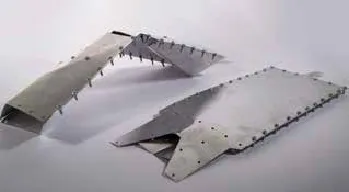
金屬薄片預制構件 sheet metal fabricated components
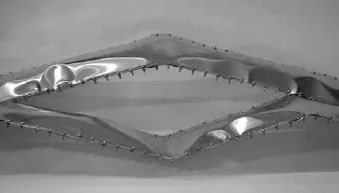
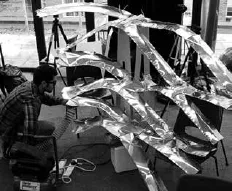
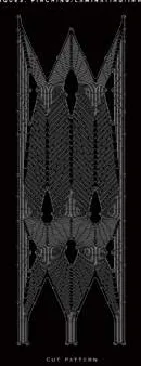
切割文件模板 cutting template
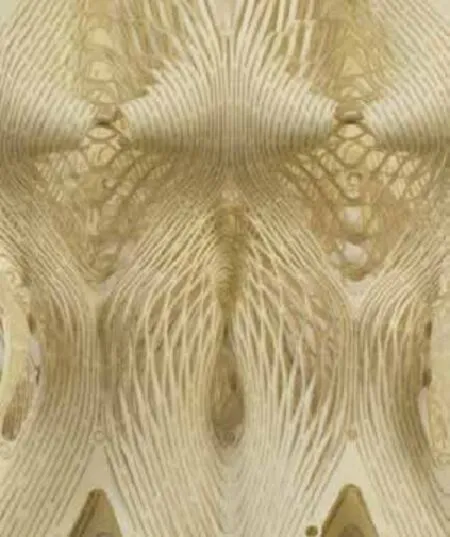
最終生成形態resultant geometry
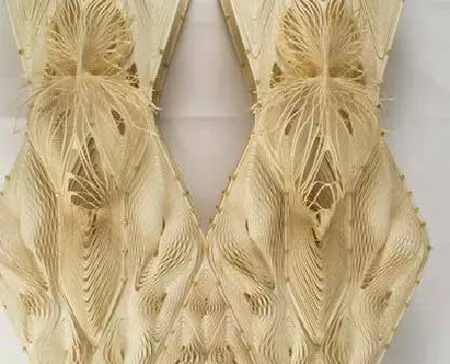
模型:最終的形態是通過連接平面穿孔薄板之間的對應點生成models: form is generated through pinching of machine perforated flat sheets
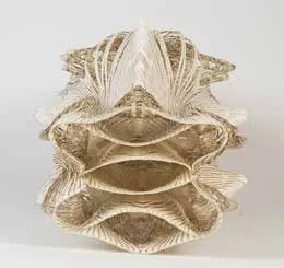
本項目研究基于這一認識,即今后50年內計劃建造的建筑物比人類在整個文明史中所建造的建筑物總和都要多。這說明,如果建筑行業要降低其在全球能源消耗和碳排放量中所占的50%比例,而不是像目前預計那樣繼續增加,就必須按照環保理念進行大規模、快速建造施工。膨脹金屬板建筑是一項關于金屬平板建筑的研究,旨在避免許多生產階段中的材料浪費。金屬平板由機器切割,并在場外焊接到扁平的預制件上。通過這個過程,能夠將一種有效的構筑物運至現場,然后使這種構筑物膨脹,形成一個三維管狀部件,并利用可重復使用的腳手架將這些部件拉伸成形。該項目涉及材料工藝、切割、膨脹和裝配的實物原型。此外還開發了一款數字化軟件,該軟件能夠生成設計,模擬搭建過程,并將幾何結構整理成平板截面,導出能夠直接在數控機床上進行加工的切割文件。該項目推測了這種建筑技術在密集低層住宅中的應用,作為一種能夠嵌入現有城市結構中的網絡化建筑類型,這種設計達到了高效生產工藝的復雜效果和獨特美感,與其他現有建筑技術相比,能夠節省大量材料。
-- PREFABRICATION --PROTEAN PATTERN: INFLATED SHEET METAL ARCHITECTURE
STUDENTS: SUPERBOYS: MICHAEL BARRACLOUGH, MATTHEW LE GRICE, JOSE PAREJA, DANIEL OVALLE COSTAL
SUPERVISOR: ROBERT STUART-SMITH
STUDIO TECHNICAL CONSULTANT: TYSON HOSMER
This project arose from the recognition that more building construction is set to be built in the next 50 years than has ever has been constructed in the entire history of civilisation. This suggests the need for rapid construction on a large scale, yet undertaken with environmental sustainable ideas if construction is to reduce its share of 50% of world energy consumption and carbon emissions rather than rise as is currently predicted. Inflated Sheet Metal Architecture is a research into flat sheet metal construction aims to eliminate material waste at many stages of production. Flat sheet metal is machine cut and welded into flat prefabricated elements off-site. This process enables an efficient transport volume to be delivered to site where it is then inflated to create a tubular cross-section in three-dimensional parts which are stretched into shape using a reusable scaffold. The project involved physical prototypes of the material process, cutting, inflating and assembling. A digital software was also developed that enabled designs to be generated, their erection process simulated, and their geometry rationalised into flat sheet sections and exported as cutting files that could be directly fabricated on cnc machines. The project speculated this use for dense low-rise housing as a networked building typology that could be inserted into existing urban fabric. The design gains much intricacy and a unique aesthetic from an efficient production process that substantially reduces material waste compared to alternative existing building technologies.
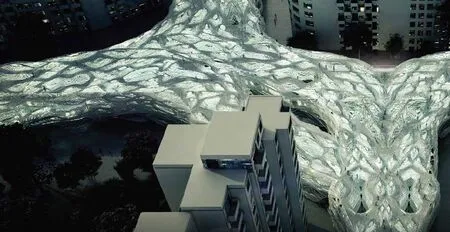
低層高密度建筑方案 low-rise high-density housing proposal
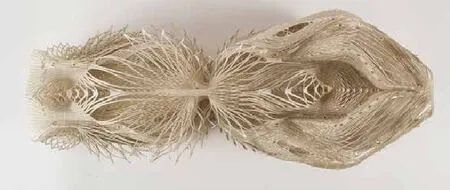
互鎖公寓縮放模型 scale model of interlocking apartments
猜你喜歡
北方建筑(2021年6期)2021-12-31 03:03:54
文苑(2020年10期)2020-11-07 03:15:36
現代裝飾(2020年6期)2020-06-22 08:43:12
現代裝飾(2020年4期)2020-05-20 08:55:08
攝影之友(影像視覺)(2019年2期)2019-03-05 08:27:16
藝術家(2017年3期)2018-01-26 08:54:49
文學自由談(2016年3期)2016-06-15 13:01:16
福建農業科技(2016年10期)2016-03-07 09:46:49
少兒科學周刊·兒童版(2015年6期)2015-11-24 03:49:38
中國工程咨詢(2015年4期)2015-02-14 03:49:56