嗨!咸菜也有博物館
2014-01-16 18:41:15沈小寶
文化交流 2014年1期
關鍵詞:博物館
沈小寶
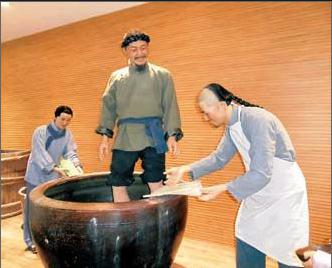
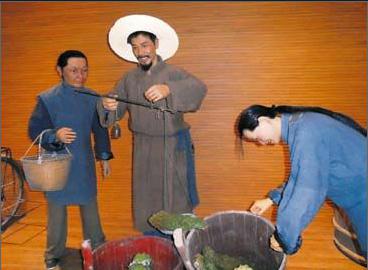
2013年10月29日,寧波東鄉鄞縣大道東吳段68號又一家博物館開業了,寧波邱隘咸齏登上了大雅之堂。
咸菜,在寧波人的日常俚語中稱為“咸齏”。而制作咸齏的主要原料為雪里蕻,即雪菜,所以這座博物館就被稱為寧波鄞州雪菜博物館了。
邱隘咸齏是寧波傳統的菜肴。寧波自古就有“三天勿吃咸齏湯,腳骨有眼(點)酸汪汪”和“家有咸齏不吃淡飯”等諺語。邱隘咸菜色澤黃亮,有香、嫩、鮮、微酸的特點,能生津開胃,可炒、煮、烤、燉、蒸、生拌、配菜肴、做湯料、作餡子。
而寧波的十大名菜中,以咸齏為佐料的“雪菜大湯黃魚”位于魁首。
邱隘咸齏始于何時已難查證,然寧波地區民間栽培、腌制雪菜歷史悠久眾所周知。現有史料記載雪菜最早見于明末詩人、鄞州人屠本畯(1573-1620)所著的《野菜箋》,書中記載“四明有菜名雪里壅(蕻)……諸菜凍欲死,此菜青青蕻尤美。 ”清人汪瀕在他所著的《廣群芳譜》中寫道:“四明有菜,名雪里蕻。雪深諸菜凍損,此菜獨青。”清光緒《鄞縣志》中李鄴嗣的《鄮東竹枝詞》中也有“縱然金菜瑯蔬好,不及吾鄉雪里蕻”之句。
另外,在元代王實甫所著的《西廂記》畫傳第五本第三折中有“齏鹽日月不嫌貧”之名,齏鹽,即腌菜和鹽。明代陳汝的《金蓮記》中第二十七出記道,“風雨瀟條,衡門替留黃齏白飯度春秋”。咸齏色黃,所以又叫黃齏。南宋詩人陸游更是為此作了一首《咸齏十韻》。
資料反映,20世紀30年代,鄞縣咸齏筍的銷售遍及寧波東、南、西鄉的29個市場,有61家鮮咸貨店在經營,這還不包括農民自產自銷,在市場設攤經營,以及銷往江北、奉化、定海等地的貨物。
另據史料記載,邱隘邱一村的周江岸自然村內,民國時期有個“萬隆老板”,雇工成批種植雪里蕻,一年兩季邊割邊腌,不斷投放市場。其七石缸腌制的方法,人稱“壓爛泥”。
由于特殊的土質,邱隘咸菜味道鮮美,廣受人們歡迎,盛名遠播。邱隘咸菜還曾銷售到菲律賓、新加坡與馬來西亞等地。
2005年4月,邱隘雪菜成功獲得了國家質檢總局的原產地標記注冊,并獲頒原產地標記認證證書。
2008年6月,邱隘咸齏被列入寧波市第二批非物質文化遺產名錄。
據寧波機場航空食品公司有關負責人介紹,邱隘雪菜作為寧波特色食品的代表,進入了東航、國航、南航以及首都機場、浦東機場、杭州蕭山機場等30多家航空公司、機場的航班配菜單。不僅如此,邱隘雪菜近日還進入了國際航班,如國航、東航飛往法國巴黎、意大利羅馬、澳大利亞悉尼的國際航班。
如此不凡的邱隘咸齏當然有建博物館的需要了。長期從事咸齏生產的寧波引發綠色食品有限公司的董事長樂海康,在成為邱隘咸齏腌制技藝的非遺傳承人后,經過三年時間的籌劃,終于建成了這家民營博物館。
鄞州雪菜博物館占地35000平方米,展館分A、B館。A館是一棟五開間、兩廂房帶天井的清末時期的古建院落,內有七石缸、小飯桶、煤油爐等腌制和烹飪雪菜時用到的炊具物件,也有各種青花、紅花瓷碗,或精美,或古雅。分為“歷史演繹”、“雪菜栽培”、“腌制加工”、“美食烹調”、“回味無窮”等7個部分,500多件實物與大量墻壁畫,全面反映了列入寧波市非遺項目的“雪菜腌制技藝”。
而B館內除無菌室、干燥室、微生物室、儀器室、天平室、理化室等外,可以通過“觀看走廊”,看到全身防護到位的工人在無菌生產車間的操作,以及雪菜的再加工與包裝生產流水線的整個運轉過程。
邱隘咸齏生產從昔日的大缸腌制、提桶小賣,到現在的工廠化生產、流水線作業,以及鄞州久遠的雪菜生產歷史,在建成開放的雪菜博物館里都得到了一一呈現。
在寧波各地村落及外地區也有雪里
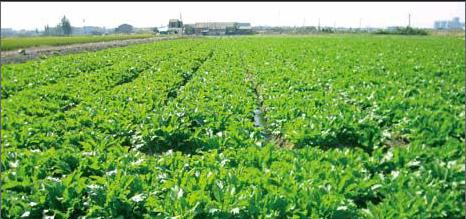
《廣群芳譜》記載:“四明有菜,名雪里蕻。”圖為寧波邱隘雪里蕻菜基地。
This is a large vegetable farm in Qiuga where xuelihong grows.
蕻種植與咸齏腌制,為何邱隘咸齏聲譽獨佳?據認為邱隘咸齏有三個特點:一是菜梗多菜葉少,吃起來有味道;二是嚼不出渣,很嫩;三是鮮中帶酸,爽口。那些有經驗的邱隘老菜農則頗有見地,認為種
CULTURE文化時空
植原料菜與制作雪菜技術的傳承、把握是邱隘咸齏長銷不衰、熱銷國內外市場的關鍵。
所有這些,在鄞州雪菜博物館內均有直觀、形象、詳盡的展示。□
Yinzhou Pickles Museum
By Shen Xiaobao
October 29, 2013 saw the opening of a very special museum at the Dongwu section of the Yinxian Avenue in Dongxiang, Ningbo. Called Yinzhou Pickles Museum, it celebrates the special role pickled cabbage plays in the culinary tradition of Ningbo and brings the reputation of Qiuga ‘xianji, a signature Ning-bo delicacy, to a new high.
Colloquially called ‘xianji in the Ningbo local dialect, this Ningbo-style treat con-stitutes a very important part in the dietary tradition of Ningbo people, as described in many proverbs such as “After three days without the nourishments from a ‘xianji soup, one feels feeble on the feet”. The ‘xianj made in Qiuga, a small town in Ningbo, is reputed for its radiant color and luster and tender texture, tasting slightly sour and ideal for whetting the appetite. Ningbo ‘xianji can be fried, steamed, roasted, or sautéed; or served cold and dressed with sauce; or used as seasonings and fillings for making succu-lent dumplings. The magic power of ‘xianji also contributes to the reputation of Braised
今日現代化全封閉的無菌雪菜制作車間
The modern aseptic workshop shows how vegetable is being pickled.
Croaker Soup with Pickles, one of the most-loved ten Ningbo dishes.
When the people in Qiuga created the del-icacy is unknown, but Ningbo people have long been known for cultivating a special cabbage locally called ‘xuelihong and mak-ing pickles out of its crunchy, cold-resistant leaves and stems. This culinary tradition dates back in the Ming Dynasty (1368-1644), as recorded in a book by the poet Tu Benjun (1573-1620). Wang Bin, living in the Qing (1644-1911), wrote in his Flowering Plants that “no other vegetables grown in the Sim-ing Mountain area (in todays Ningbo) can survive the severity of winter cold like ‘xue-lihong”.
The obsession of Ningbo people with the
雪菜博物館中展示的雪菜腌制技藝彩塑。
This small set of sculpture demonstrates how xuelihong is pickled in ancient times.
delicacy is also documented in timeless Ro-mance of the Western Chamber by the play-wright Wang Shifu of Yuan Dynasty (1279-1368) and in Golden Lotus by Chen Ru of the Ming Dynasty. The poet Lu You of the Southern Song (1127-1279) loved the deli-
cacy so much that he glorified it in a poem.
Historical records show Ningbo ‘xianji was sold in 61 shops in 29 markets all over Ningbo in the 1930s, not including peddlers across Ningbo and dealers beyond Ningbo. The written history of Ningbo also includes the story of a legendary ‘xuelihong tycoon living in a village in ancient Qiuga in the Republican Period of China (1911-1949). Known as the ‘Wanlong boss, the man hired a band of farmers to grow and harvest ‘xue-lihong to meet the demand of the Ningbo ‘xianji market. Legend has it that the secret behind the mans success was the special
quality of the soil in his farm and his special
marinating method that produced extremely tasty pickles. During its heyday, the Qiuga pickles made forays into the markets in the Philippines, Singapore and Malaysia.
Qiuga Pickles won the PGI (Protected Geographical Indication) certificate issued by the China National Bureau of Quality In-spection in April, 2005. In June, 2008, Qiuga ‘xianji was listed in the 2nd Ningbo Intangi-ble Cultural Heritages Directory.
Representing the Ningbo culinary tradition, Qiuga Pickles has also found its way into the menus of more than 30 airlines including the China Eastern Airlines, Air China, China Southern Airlines, and a dozen airports such as the Beijing Capital International Airport, Shanghai Pudong International Airport and Hangzhou Xiaoshan International Airport. Qiuga Pickles is also served by a growing number of international flights linking China with Paris, Rome and Sydney.
The privately-run museum is the brain-child of Le Haikang, president of Ningbo Yinfa Green Food, a leading business in making and marketing Ningbo-style pickles. Preparation and construction of the museum took three years to complete.
Covering about an area of 35,000 square meters and set in a Qing-style courtyard compound, the museum encompasses two exhibition halls that chart the path of evolu-tion of this ancient culinary art. The 500-plus artifacts and kitchenware models on display, complete with plenty of drawings on the walls, make you feel like time traveling into the lesser-known culinary pride of ancient Ningbo.
The B Hall of the museum serves for more scientific enlightenment purposes, offering visitors a glimpse of the entire processing flow in making Ningbo Pickles in modern times. The fundamental contributor to the unfailing reputation of Qiuga ‘xianji is the time-tested cultivation and elaborate processing artistry, as illustrated beautifully and convincingly in the Yinzhou Pickles Museum.
猜你喜歡
金橋(2022年6期)2022-06-20 01:35:58
好日子(2022年3期)2022-06-01 06:22:06
今日農業(2022年4期)2022-06-01 06:12:38
小獼猴智力畫刊(2022年3期)2022-03-29 01:09:44
金橋(2022年2期)2022-03-02 05:43:00
金橋(2022年2期)2022-03-02 05:42:52
小太陽畫報(2020年4期)2020-04-24 09:28:22
走向世界(2018年11期)2018-12-26 01:12:44
中外文摘(2017年20期)2017-09-30 06:40:48
童話王國·原創版(2016年4期)2016-11-23 16:06:06